
Indoor and Home Pests: Identification and Control for Homeowners
Indoor pest control operates under constraints that outdoor pest management does not face. The chemical choices available inside a home are narrowed by indoor air quality, proximity to food preparation surfaces, safety around children and pets, and the enclosed nature of the treatment environment. A pyrethroid perimeter spray that is appropriate for a building exterior is not appropriate for indoor application on countertops or carpets where skin and respiratory contact is frequent. Understanding this distinction before choosing a product is the first step toward indoor pest control that is both effective and safe.
The pests covered in this hub are those that homeowners encounter primarily inside the structure of the home itself, or in the immediate transition zone between the structure and its surroundings. They include fabric-feeding insects such as silverfish, blood-feeding parasites such as fleas, scavenging and disease-associated insects such as cockroaches, and incidental invaders such as spiders that enter in search of prey rather than as established colonizers.
The Indoor Treatment Environment
Indoor pest control requires a different approach from outdoor treatment in three important ways.
Product selection is more constrained. Many active ingredients appropriate for outdoor use carry label restrictions that prohibit indoor application or limit it to crack-and-crevice treatment rather than broadcast spray. Always read the indoor use section of any pesticide label before applying it inside the home. Products that do not carry an indoor use label should not be used indoors regardless of their outdoor effectiveness.
Sanitation and exclusion do more work. Outdoors, cultural practices like habitat modification reduce pest pressure. Indoors, the equivalent practices are sanitation (removing food sources, reducing clutter that provides harborage) and exclusion (sealing entry points). For most indoor pest problems, thorough sanitation and targeted product application to harborage sites outperforms broadcast spraying of an entire room.
Non-chemical methods are more practical and often more effective indoors. Traps, sticky monitors, vacuuming, and steam treatment can be applied in food-preparation areas, on upholstered furniture, and in spaces with pets and children without the re-entry interval and residue concerns that chemical applications require.
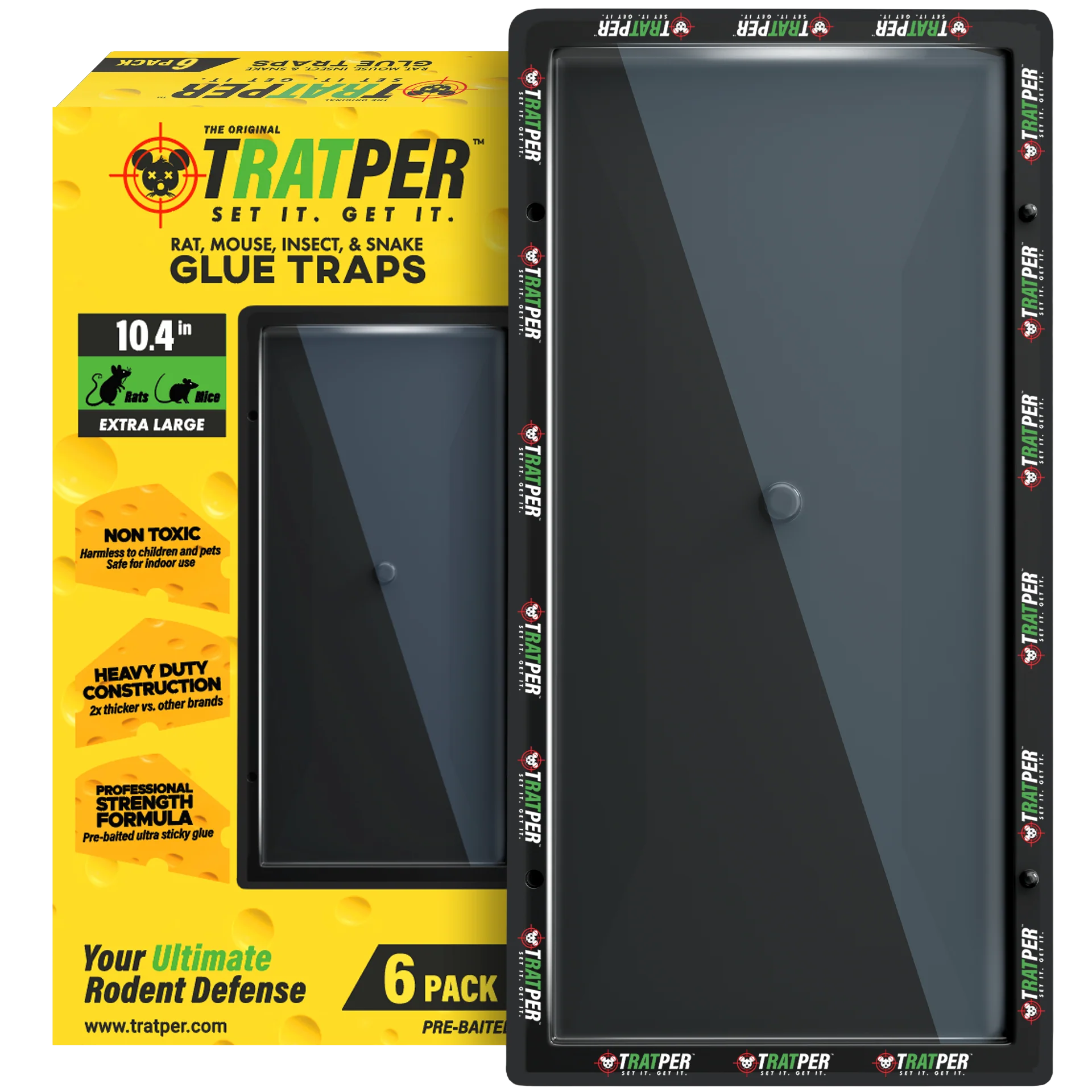
Tratper ready-to-use glue traps for mice, rats, and other pests come pre-baited with a peanut-butter scent so you can deploy them quickly. The extra-strength, high-tack adhesive in a heavy-duty plastic tray helps prevent excessive movement and improves capture. These non-toxic, chemical-free traps help control rodents and insects in home or commercial spaces without poisons, with easy disposal once a pest is trapped.
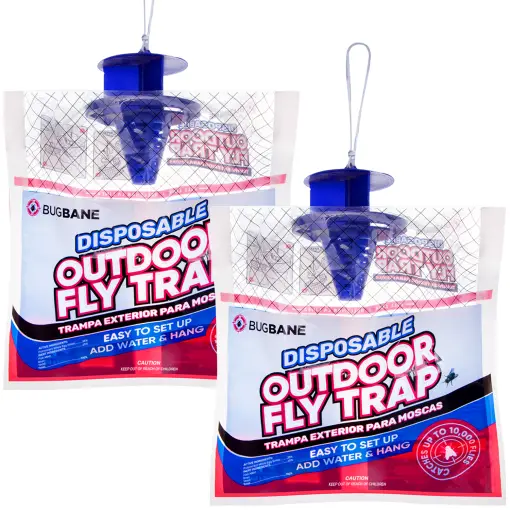
Discreetly draw flies away from your home with disposable outdoor hanging fly trap bags. The non-toxic bait is safe for kids and pets, activates with water, and attracts filth flies quickly using odor plus a visual lure. Hang the trap about 20 feet from your home, then dispose in outdoor trash for easy cleanup.
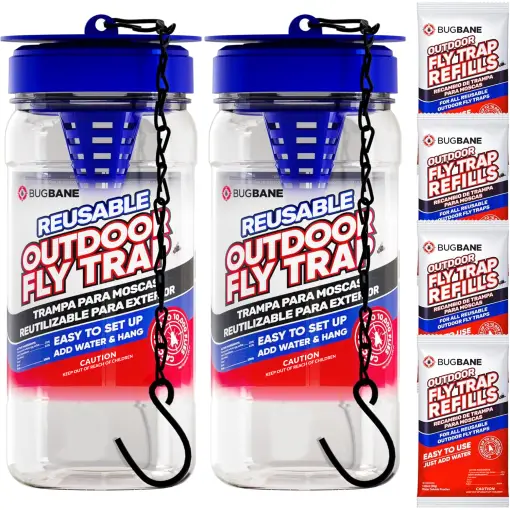
This 2-pack outdoor hanging fly trap helps discreetly draw flies away when placed about 20 feet from your home. The non-toxic, dissolvable bait releases an attractant odor and blue visual lure to quickly attract filth flies, including house and ranch flies. The reusable thick plastic trap is easy to set up with water fill and includes multiple bait refill packets for ongoing outdoor control.
Why Light Attraction Matters for Indoor Pest Management
Several insects that become indoor nuisances are attracted to light sources, and the type of light influences which insects are drawn toward the home. The relationship between LED lighting, which has become the dominant interior and exterior light source in most homes, and specific indoor pest species is an important practical consideration for placement of exterior fixtures, smart selection of bulb color temperatures, and understanding why some indoor pest problems are concentrated near light sources. The evidence for LED lights and spider behavior is covered in our LED lights and spiders guide, and the relationship between LED lights and silverfish is covered in our LED lights and silverfish guide.
Species Guides in This Hub
How to Get Rid of Silverfish in Your Home covers the carbohydrate-feeding insect most often found in bathrooms, basements, and book storage areas, with treatment and humidity control guidance.
How to Get Rid of Fleas in the House covers the multi-stage treatment sequence needed to break the flea life cycle in the home environment, including carpet treatment, pet treatment, and the role of insect growth regulators.
How to Get Rid of Cockroaches covers the identification of the most common indoor cockroach species, the gel bait approach that outperforms spray treatments for cockroach control, and the sanitation measures that prevent reinfestation.
How to Get Rid of Spiders in the House covers the most common indoor spider species, the habitat modification and exclusion approach that reduces spider populations without heavy chemical use, and which species warrant more urgent attention.
Do LED Lights Attract Spiders? covers the indirect relationship between light sources, the insects they attract, and the spiders that follow those insects.
Do LED Lights Attract Silverfish? covers silverfish attraction to light and the practical implications for light placement in storage and bathroom areas.
Does Bleach Kill Fleas? What Actually Works covers the limited situations where bleach has any effect on fleas and explains why it is not an effective flea treatment in practice.
Best Flea Treatment for Your Home and Carpet covers the top flea control products for carpets, upholstery, and hard surfaces, including adulticides and insect growth regulators matched to the flea life cycle.
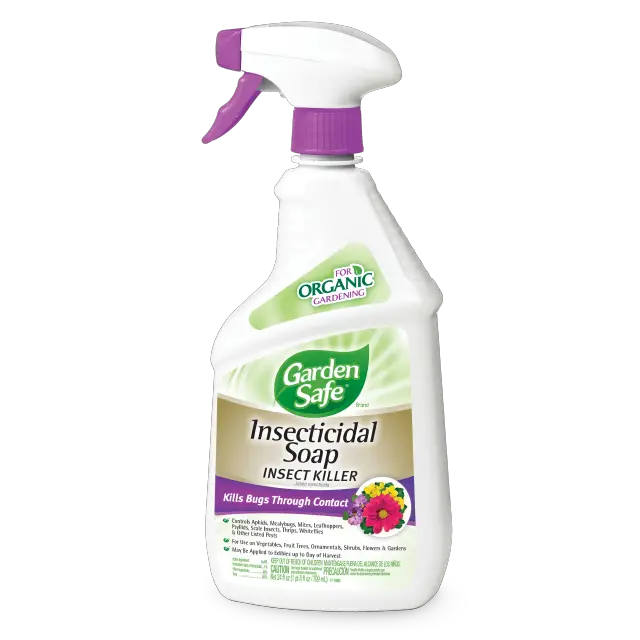
Garden Safe insecticidal soap is a ready-to-use contact spray that kills listed garden pests when sprayed directly on them. It’s formulated for organic gardening and can be used on vegetables, fruit trees, ornamentals, shrubs, flowers, and in indoor, outdoor, and greenhouse applications. For convenience, it may be applied to edibles up to and including the day of harvest.
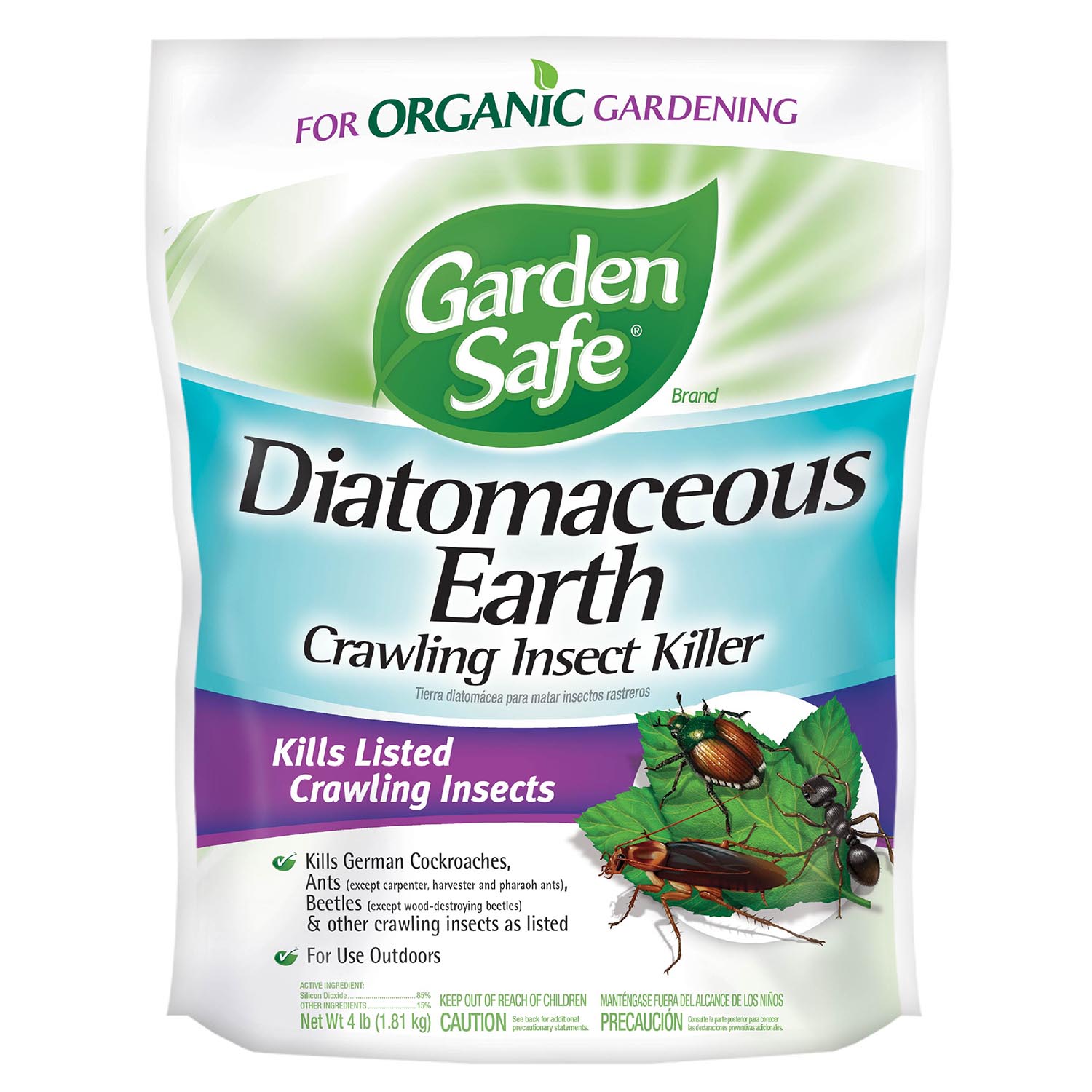
Garden Safe diatomaceous earth-based crawling insect killer provides organic, long-lasting control for listed pests. It kills German cockroaches, ants, beetles, fleas, mealybugs, and other crawling insects by contact by coating their exoskeletons and drying them out. Apply a thin powdery layer outdoors on plants and surrounding soil, and use indoors for crawling insect control as directed.
Pests That Enter on Plants
Some indoor pests, particularly fungus gnats and spider mites, enter the home on new houseplant purchases or on plants brought inside for winter. Identifying and treating pest problems on houseplants before they spread to other plants or the broader indoor environment is a proactive step that the houseplant health problems guide addresses in detail, including inspection protocol for new plants. The soil treatment options for fungus gnats specifically are covered in our fungus gnats guide.