
How to Get Rid of Fleas in the House
The most important thing to understand about eliminating a flea infestation in the home is that what you see is a fraction of the problem. The adult fleas visible on your pet or jumping on the carpet represent roughly 5% of the total flea population present. The remaining 95% consists of eggs in carpet fibers and floorboard cracks, larvae feeding on organic debris in the carpet pile, and pupae in silk-and-debris cocoons that are remarkably resistant to both physical disturbance and insecticides. A treatment that addresses only adult fleas will produce a two to three week improvement followed by a rebound infestation as the surviving eggs, larvae, and pupae complete development and emerge.
Effective flea elimination targets all four life stages in all three environments simultaneously: the pet, the indoor environment (carpet, upholstery, bedding), and the outdoor environment where the pet spends time.
Understanding the Flea Life Cycle
The cat flea (Ctenocephalides felis) is the species responsible for the majority of household flea infestations in North America, affecting both cats and dogs. The complete life cycle from egg to adult takes two to four weeks under warm, humid indoor conditions and can extend to several months in cooler or drier conditions. The pupal stage is the most treatment-resistant: pupae inside their cocoons can remain dormant for weeks to months, emerging as adults when vibration, CO2, and warmth indicate a host is present. This is why flea infestations appear to “return” two to three weeks after a treatment that killed all visible adults: it is the dormant pupal generation completing development.
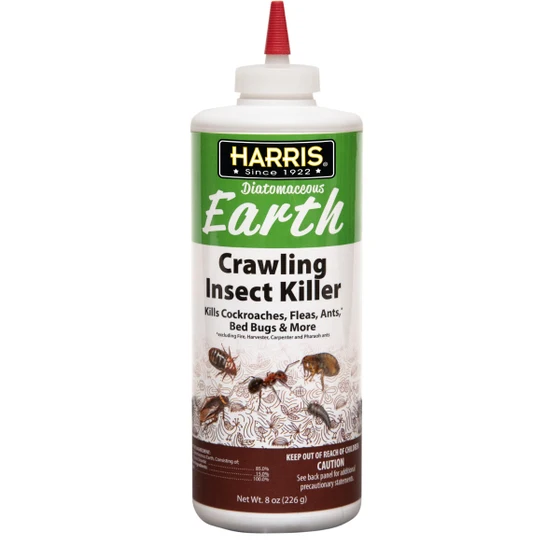
Harris Diatomaceous Earth Crawling Insect Killer is a ready-to-use 100% natural dust that targets crawling pests including ants, roaches, bed bugs, and fleas. Insects that contact or ingest the powder die within 48 hours when applied in cracks, crevices, and other hiding areas. Suitable for indoor and outdoor use with a powder duster included for easy application.
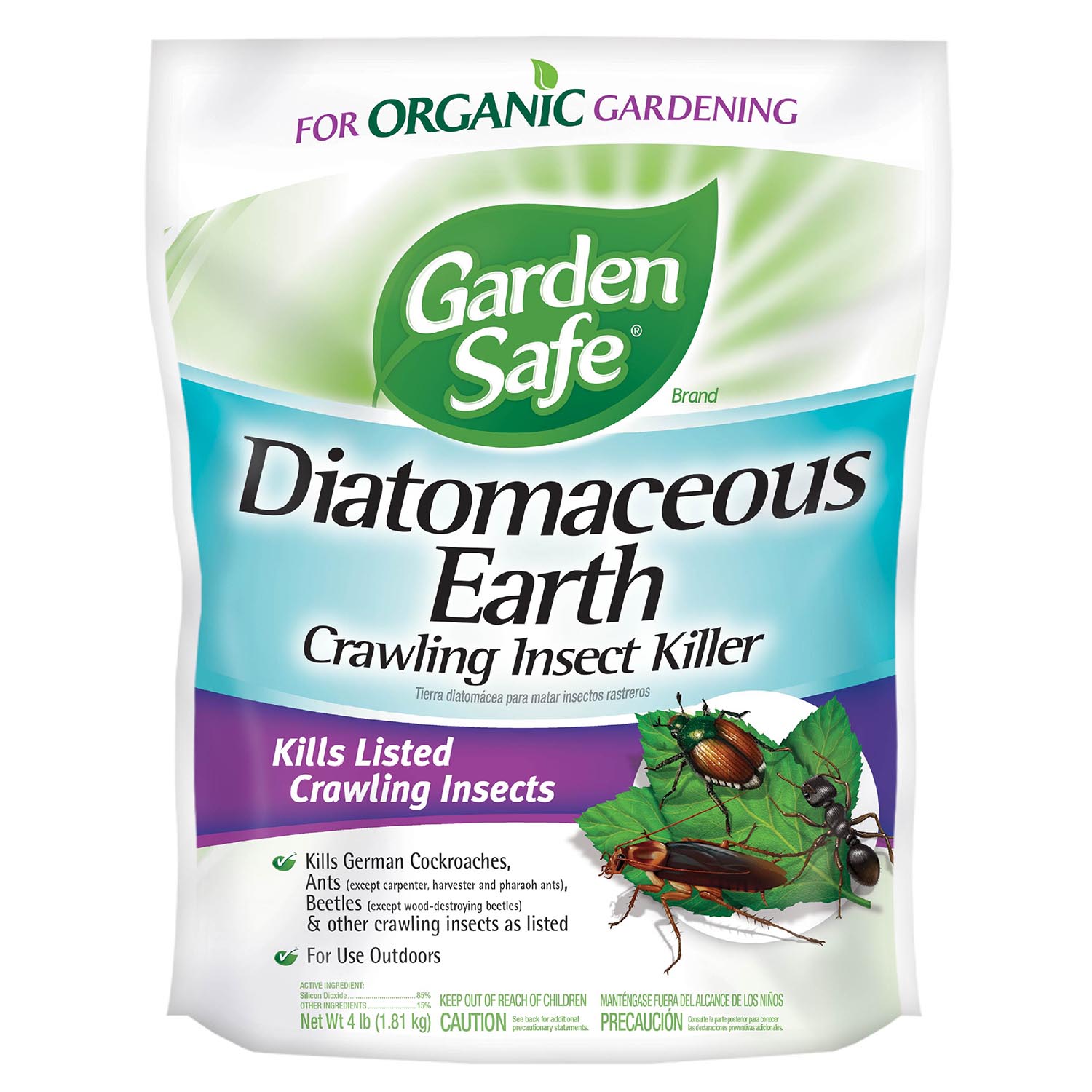
Garden Safe diatomaceous earth-based crawling insect killer provides organic, long-lasting control for listed pests. It kills German cockroaches, ants, beetles, fleas, mealybugs, and other crawling insects by contact by coating their exoskeletons and drying them out. Apply a thin powdery layer outdoors on plants and surrounding soil, and use indoors for crawling insect control as directed.
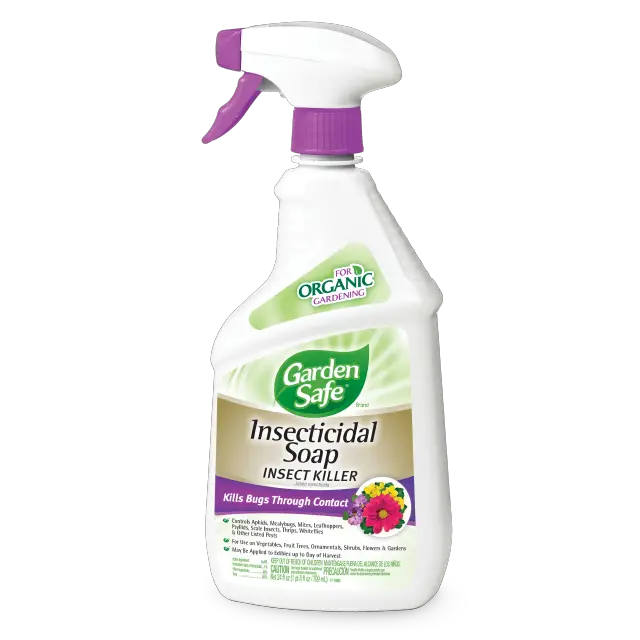
Garden Safe insecticidal soap is a ready-to-use contact spray that kills listed garden pests when sprayed directly on them. It’s formulated for organic gardening and can be used on vegetables, fruit trees, ornamentals, shrubs, flowers, and in indoor, outdoor, and greenhouse applications. For convenience, it may be applied to edibles up to and including the day of harvest.
The Vacuum Step: Non-Negotiable Before Chemical Treatment
Thorough vacuuming of all carpeted surfaces, upholstered furniture, and fabric-covered pet bedding before any chemical application is the most mechanically important step in the treatment sequence. Vacuuming removes large numbers of eggs, larvae, and flea dirt (dried adult flea feces that larvae feed on) from carpet fibers. More importantly, the mechanical vibration and suction stimulate dormant pupae to emerge from their cocoons into the vulnerable adult stage that is susceptible to insecticide treatment.
Vacuum every carpeted room, all upholstered furniture including underneath cushions, mattresses on pet-accessible beds, along all baseboards, and under furniture. Dispose of the vacuum bag or empty the canister into a sealed plastic bag and dispose of it outside immediately after vacuuming. Retain this vacuum intensity every two to three days throughout the treatment period.
Step 1: Treat the Pet
Pet treatment is the priority that must run concurrently with home treatment. An untreated pet continuously reintroduces adult fleas and eggs into the home environment, preventing the home treatment from resolving the infestation. Consult your veterinarian for the most appropriate product for your specific pet, weight, and health status.
Fast-acting oral flea treatments for dogs (nitenpyram, available as Capstar) kill adult fleas on the pet within 30 minutes and are useful for immediate knockdown. Monthly oral preventive medications (spinosad, fluralaner, afoxolaner) provide sustained adult flea kill and are the most effective long-term pet treatment for dogs. Topical monthly treatments (selamectin, fipronil, imidacloprid) are appropriate for both cats and dogs and provide adulticide activity along with some IGR effects depending on the product.
Never use a dog flea product on a cat without confirming it is labeled for both species. Permethrin-based products, which are common in dog topical treatments, are highly toxic to cats.
Harris Diatomaceous Earth powder provides thorough bed bug treatment, including hard-to-reach areas, with simple application using the included puffer tip. Bed bugs that...
Step 2: Apply an IGR-Containing Product to Carpets and Upholstery
Insect growth regulators (IGRs) are the component of indoor flea treatment that addresses the non-adult life stages that adulticides cannot reach. The two IGRs most commonly used in residential flea products are methoprene and pyriproxyfen, both of which mimic juvenile insect hormone and prevent flea larvae from maturing into reproducing adults. IGR activity is long-lasting, typically six to twelve months per application, and covers the eggs and larvae that will otherwise repopulate the home during and after the adulticide treatment cycle.
Apply a product that contains both an adulticide (permethrin or pyrethrin for the adults present) and an IGR (methoprene or pyriproxyfen for the eggs and larvae) to all carpeted areas, upholstered furniture, and the perimeter of rooms where pets spend time. Allow the product to dry fully before allowing pets and people back into the treated area. Aerosol products with both components (Virbac Knockout Area Treatment, Precor 2000 Plus) are the most convenient format for whole-room treatment.
Treat pet bedding by washing in hot water and drying on high heat, which kills all life stages. Do not treat pet bedding with an insecticide spray: use hot laundering instead.
Step 3: Treat the Outdoor Environment
If the pet has outdoor access, the outdoor environment adjacent to the home requires treatment to prevent continuous adult flea reintroduction. Focus outdoor treatment on the areas where the pet rests, spends time, and enters and exits the home: along fence lines where the pet lies in shade, under decks or porch structures, in kennel areas, and along the paths between entry points and the dog run.
Apply a bifenthrin or permethrin granular or liquid treatment to these zones, following the label re-entry interval before allowing pet access. Outdoor treatment is not needed across the full yard, only in the pet’s specific activity zones where adult fleas are most concentrated.
Managing the Rebound: Why You Will See Fleas for Several Weeks
Even after a correctly executed treatment program, adult fleas will continue to emerge from dormant pupae for two to six weeks. Pupae in their cocoons are protected from insecticides and will complete development and hatch in response to the vibration and CO2 of household activity. These newly emerged adults should contact the IGR-treated surfaces and be killed before they can lay more eggs, and the pet’s ongoing topical or oral treatment will kill any that reach the pet.
Continue vacuuming every two to three days, maintain the pet treatment without interruption, and do not retreat the home prematurely if adults continue to appear. The population is declining as long as no new eggs are being laid successfully. A second full home treatment is appropriate at six to eight weeks after the first if adult flea activity remains high rather than gradually declining. Product recommendations for the complete flea treatment program are in our best flea treatment guide.