
Ants: Identification, Control, and Prevention for Homeowners
Ant control is a problem that contact insecticides alone almost never solve, and understanding why makes the difference between a treatment that works and one that provides a week of relief before the colony rebounds. Ants are eusocial insects in the family Formicidae. Every ant you see foraging for food, crossing a countertop, or traveling a trail across the patio is a worker: a non-reproductive female with no capacity to start a new colony. The colony’s future depends entirely on the queen, who may be located feet or yards away from where the workers are visible, insulated inside a nest structure that protects her from any surface treatment you apply. Killing workers without reaching the queen reduces the visible population temporarily and triggers the colony to produce more workers to compensate.
Effective ant control works with this biology rather than against it. The treatment approaches that consistently eliminate colonies, rather than suppressing workers temporarily, are the ones that deliver the active ingredient back to the queen through bait transfer, nest-directed applications, or colony disruption products that workers carry inside.
The Three Categories of Homeowner Ant Problems
Ant species are not interchangeable in their biology, nesting behavior, food preferences, or the damage they cause. The correct treatment for each depends on which category the species falls into.
Nuisance ants are species that enter homes or yards in large numbers in search of food or water but cause no structural damage and pose no medical risk. Sugar ants (a common name applied to several small species including odorous house ants and pavement ants), pavement ants, and ghost ants fall into this category. They are a quality-of-life problem rather than a safety or structural concern, and treatment can be calibrated accordingly.
Structurally damaging ants excavate galleries in wood as nesting sites. Carpenter ants are the primary species in this category for North American homeowners. Unlike termites, carpenter ants do not eat wood: they chew it to create nesting cavities and eject the excavated material as coarse sawdust, called frass. The structural damage accumulates slowly but is significant in wall voids, attic framing, and moisture-damaged wood where large colonies establish satellite nests.
Medically significant ants can cause injury through stinging. Fire ants (Solenopsis invicta and Solenopsis richteri) are the primary concern in the southeastern United States, where their aggressive swarming behavior and painful, venom-injecting sting create a genuine safety risk for people and animals in infested yards.
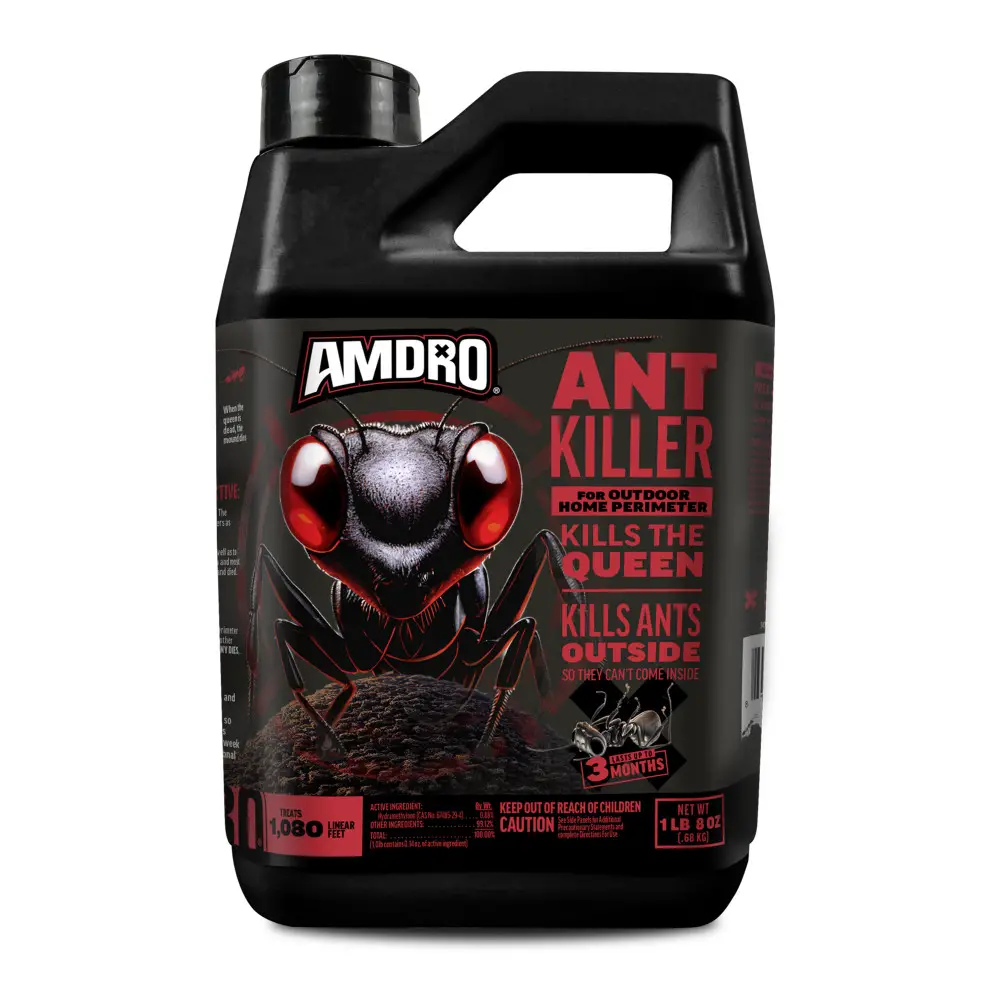
Amdro Ant Killer for Outdoor Home Perimeter creates a protective band that attracts and kills listed common ant species before they enter your home. Dual-action bait foraging workers carry it back to their colonies, helping reduce visible ants within about a week and stopping the colony, including the queen. For best results, apply when ants are active, and keep the treatment working up to three months for ongoing perimeter protection.
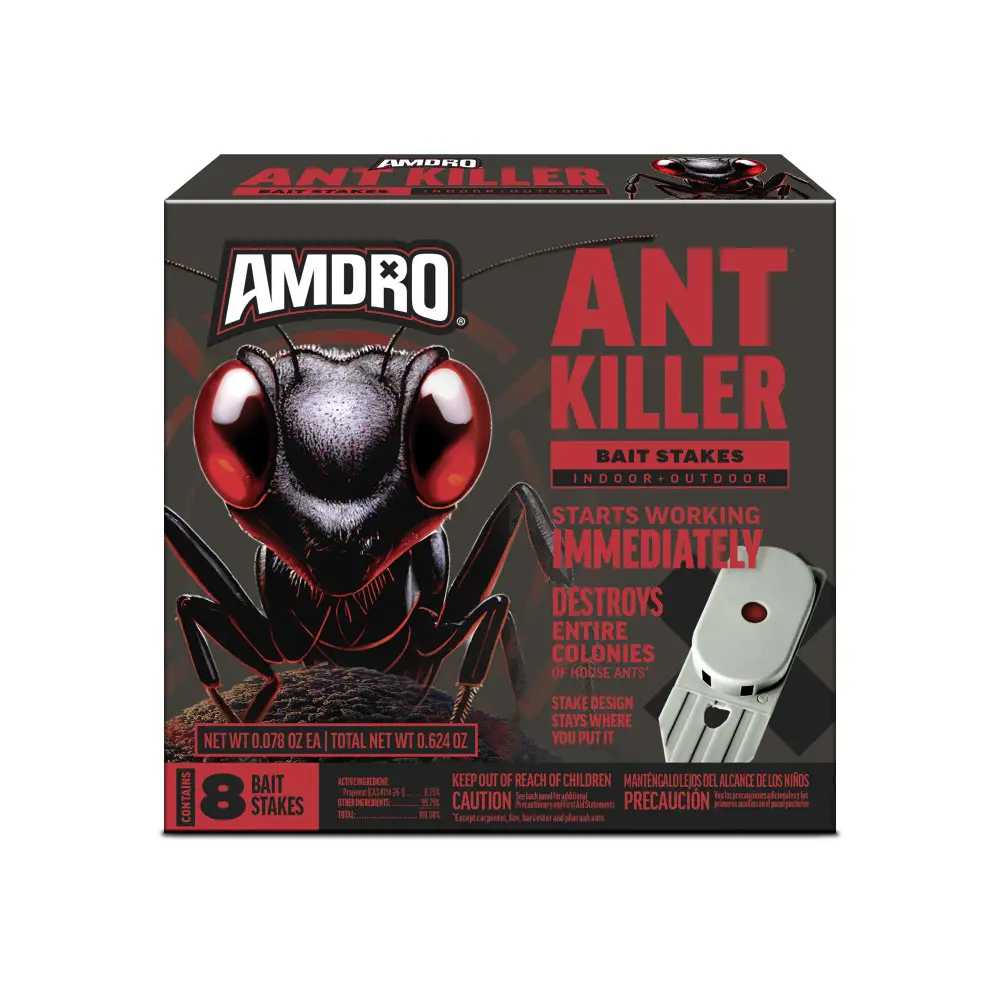
Amdro Ant Killer Bait Stakes destroy entire house ant colonies with a dual-action formula that attracts and kills sweet and grease eating ants. The pre-filled stakes are ready to use with no activation and can be placed indoors near ant trails or outdoors around your home perimeter. For best results, replace every 3 to 6 months and use year-round to help prevent ant infestations.
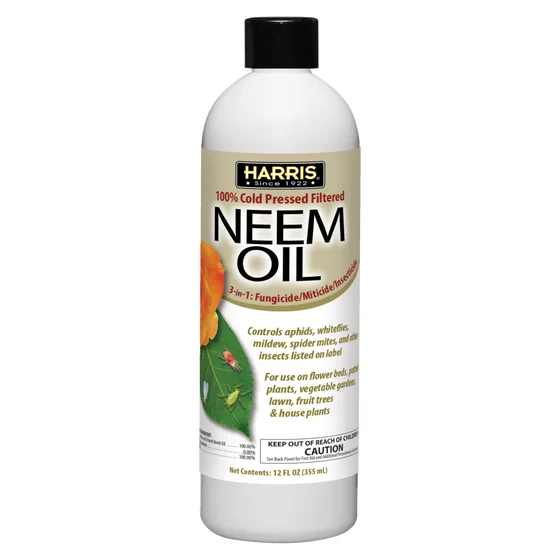
HARRIS Neem Oil Cold Pressed Water Soluble Concentrate is a 3-in-1 insecticide, fungicide, and miticide made from 100% cold pressed neem oil. It is EPA registered to help control aphids, whiteflies, mildew, spider mites, and other label-listed pests and diseases. Safe for indoor and outdoor use, it can be applied to a wide range of flowering and potted plants, vegetable gardens, lawns, ornamentals, fruit trees, and container gardening with foliar or soil treatments.
Why Pheromone Trails Matter for Treatment Placement
Worker ants navigate and recruit nestmates using pheromone trails: chemical signals deposited on surfaces that other workers follow to a food or water source. These trails are the practical guide for bait placement. Bait placed directly on an active trail is carried back to the colony at maximum efficiency. Bait placed away from trails may go untouched, or may be found by foragers who do not return to the target colony.
When applying any bait formulation, observe the trail first, identify the direction workers are traveling to and from the nest, and place bait in small amounts at trail intersections and near the nest entrance rather than in a line along the entire trail. Disrupting the trail with contact sprays before bait is established prevents workers from returning bait to the colony and negates the bait treatment.
Species Guides in This Hub
How to Get Rid of Fire Ants in Your Yard covers the two-step method for fire ant control, broadcast bait application, and mound treatments for the southeastern United States.
Natural Ways to Get Rid of Ants Without Chemicals covers the full range of organic, physical, and exclusion-based ant control approaches for homeowners who want to avoid synthetic insecticides.
How to Get Rid of Sugar Ants in the House covers the identification and elimination of the small nuisance ant species most commonly found in kitchens and pantries.
How to Get Rid of Carpenter Ants Inside and Outside covers nest location, void treatment, and the moisture correction that prevents carpenter ant re-establishment in structural wood.
How to Get Rid of Ant Hills and Outdoor Nests covers the treatment options for outdoor ant mounds and nest sites across species, including the situations where leaving outdoor nests alone is the right call.
How to Get Rid of Pavement Ants covers the small dark ants most often seen in sidewalk cracks, under pavers, and along foundation edges.
How to Get Rid of Ants in Your Car covers the specific approach for eliminating ants from a vehicle without damaging electronics or upholstery.
Best Ant Bait and Killer for Indoor and Outdoor Use covers the top-performing gel baits, granular baits, contact sprays, and perimeter treatment products with guidance on matching product to species and infestation severity.
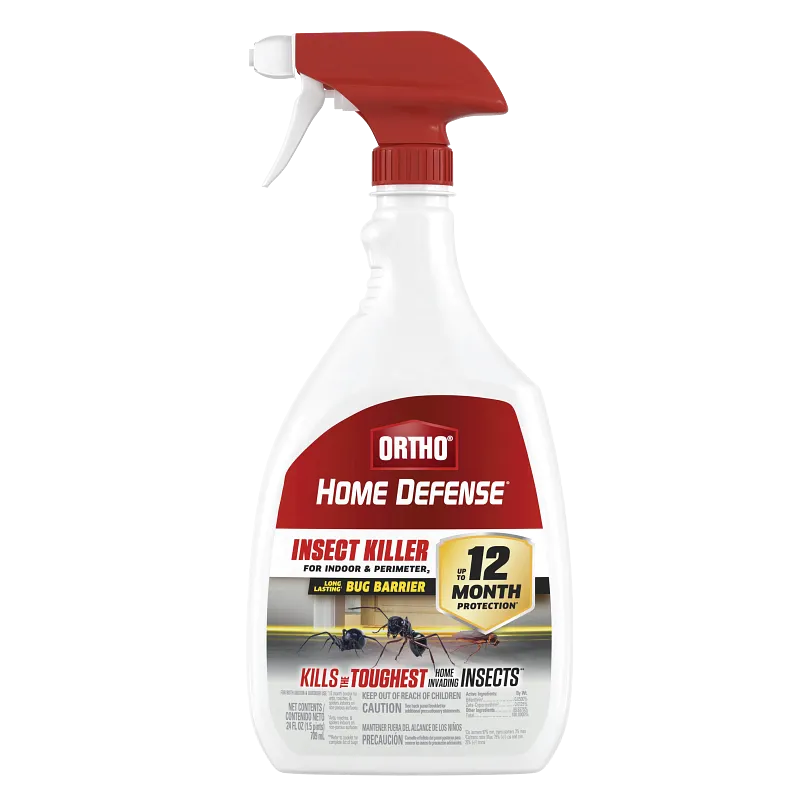
Ortho Home Defense Backyard Mosquito and Bug Killer Area Fogger helps control horse flies, deer flies, mosquitoes and other listed backyard pests. It provides up to 12-month protection indoors on non-porous surfaces and can be used to create a perimeter barrier outdoors. The ready-to-use trigger sprayer applies a clear, fast-drying, no-fumes formula for convenient spot or barrier treatment.
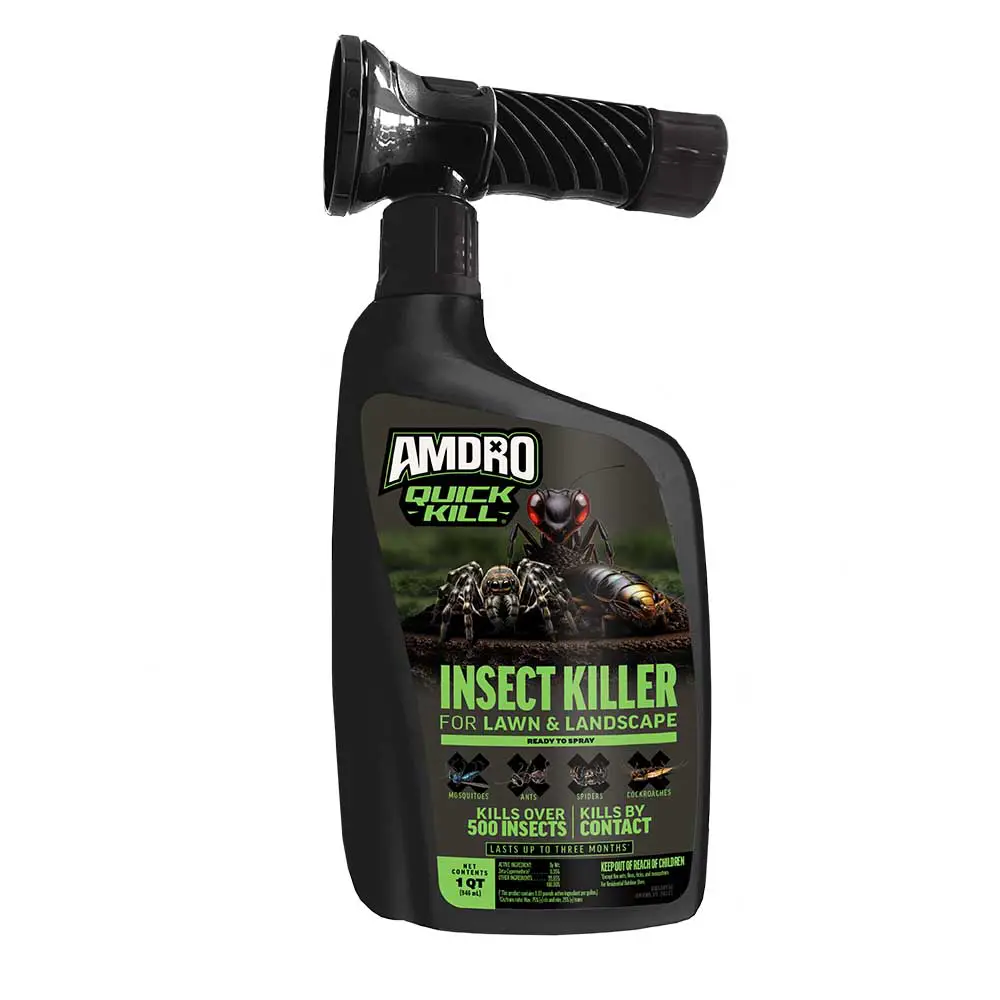
Amdro Quick Kill Insect Killer for Lawn & Landscape is a fast-acting ready-to-spray formula that starts working in minutes (except ticks) and kills over 500 insects. It kills by contact and is designed to be lawn-safe when used as directed, with control that keeps killing for up to 3 months (except fire ants, fleas, ticks and mosquitoes). Simply shake well, attach to the hose, and spray—no mixing or measuring required.
The Faster Treatment Method Homeowners Skip
Many homeowners reach for a contact spray as the first response to ant activity, which suppresses the visible population but leaves the queen and colony intact. The more effective first step for most nuisance ant problems is deploying a slow-acting bait: a food matrix laced with a delayed-action active ingredient that workers carry back to the colony and share through trophallaxis (food exchange between nestmates), eventually reaching the queen. The bait works best when workers are not simultaneously being killed by a contact spray, which disrupts the trail and raises the colony’s alarm response.
For a full comparison of bait types, active ingredients, and which product to choose for each ant species, see our best ant bait and killer guide.
When Ant Control Connects to Structural Pest Management
Carpenter ant infestations that have established satellite colonies inside wall voids or attic framing represent a structural pest management problem that often requires professional-level void treatment. The identification criteria, the conditions that attract carpenter ants to structural wood, and the point at which a professional should be called are covered in our carpenter ant guide and in our when to call a pest control professional guide.