
How to Get Rid of Carpenter Ants Inside and Outside
Carpenter ants are the largest ants most North American homeowners will encounter, and they are the only common ant species that damages structural wood in residential settings. Understanding the critical distinction between carpenter ant biology and termite biology is the starting point for effective control: carpenter ants do not eat wood. They excavate it to create galleries for nesting, ejecting the chewed wood as coarse, fibrous frass that looks like sawdust or pencil shavings. Termite damage produces fine mud-like material; carpenter ant frass is dry and coarse, often mixed with insect parts and other debris. Getting this identification right determines whether your response targets ants or a structurally far more serious termite problem.
Identifying Carpenter Ants
The most common carpenter ant species in North America is Camponotus pennsylvanicus (black carpenter ant), a large, uniformly black ant with workers ranging from 6 to 13 mm long and the characteristic polymorphic size variation of the Camponotus genus. Other species include the western black carpenter ant (Camponotus modoc) in the Pacific states and several red-and-black or all-red species. All carpenter ant species share the key structural feature of a single node between the thorax and abdomen (one petiole) and an evenly rounded thorax when viewed from the side, which helps distinguish them from the two-node structure of fire ants and pavement ants.
Frass is the most reliable indicator of an active carpenter ant nest in structural wood. Coarse, dry sawdust-like material appearing at the base of a wall, under a window sill, at a porch post base, or in the attic near roof framing indicates active gallery excavation. The frass exit holes are typically small, round, and clean-edged, appearing in wood that is structurally sound from the outside.
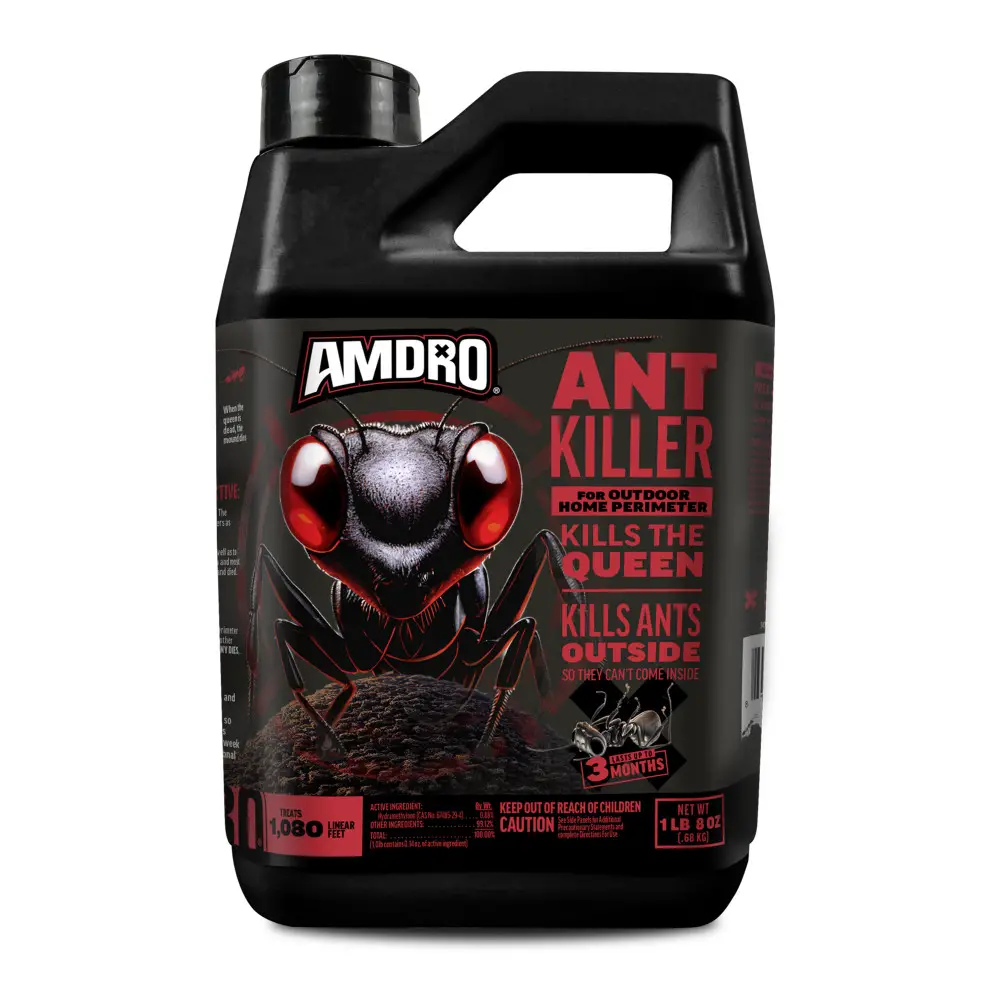
Amdro Ant Killer for Outdoor Home Perimeter creates a protective band that attracts and kills listed common ant species before they enter your home. Dual-action bait foraging workers carry it back to their colonies, helping reduce visible ants within about a week and stopping the colony, including the queen. For best results, apply when ants are active, and keep the treatment working up to three months for ongoing perimeter protection.
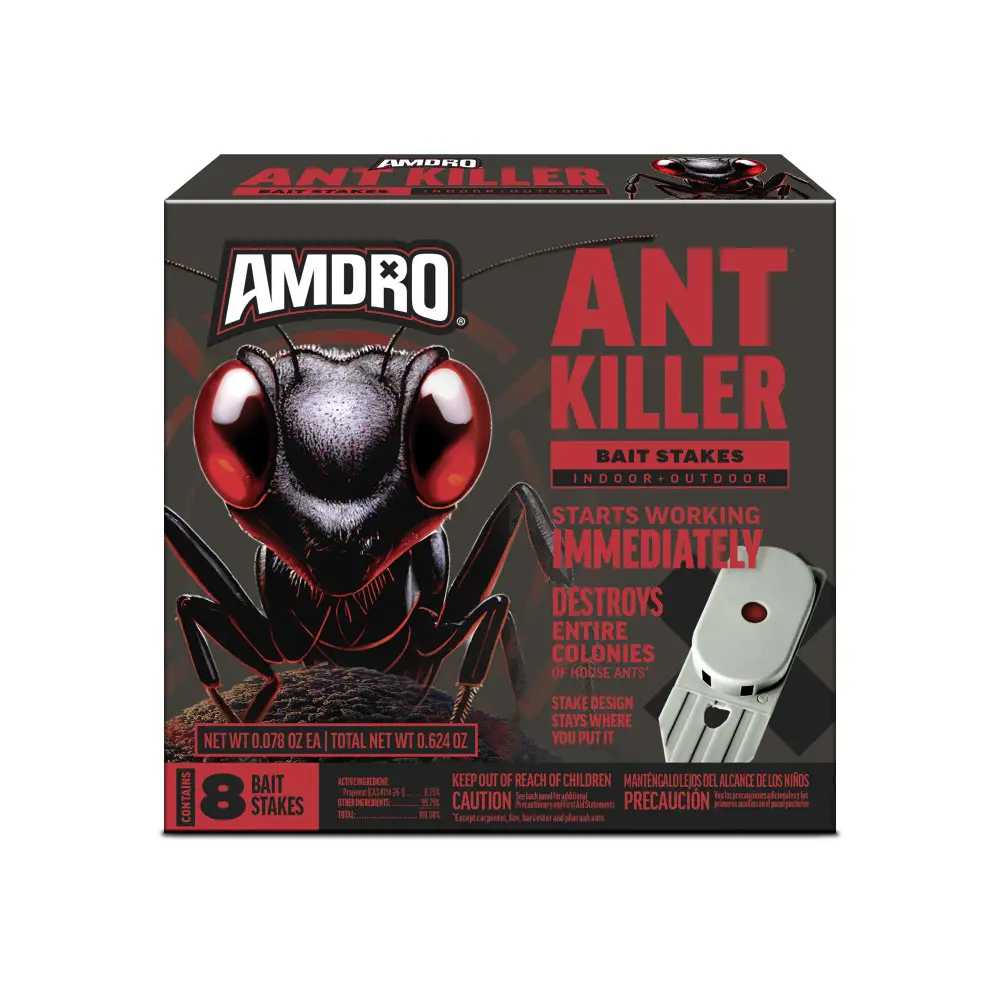
Amdro Ant Killer Bait Stakes destroy entire house ant colonies with a dual-action formula that attracts and kills sweet and grease eating ants. The pre-filled stakes are ready to use with no activation and can be placed indoors near ant trails or outdoors around your home perimeter. For best results, replace every 3 to 6 months and use year-round to help prevent ant infestations.
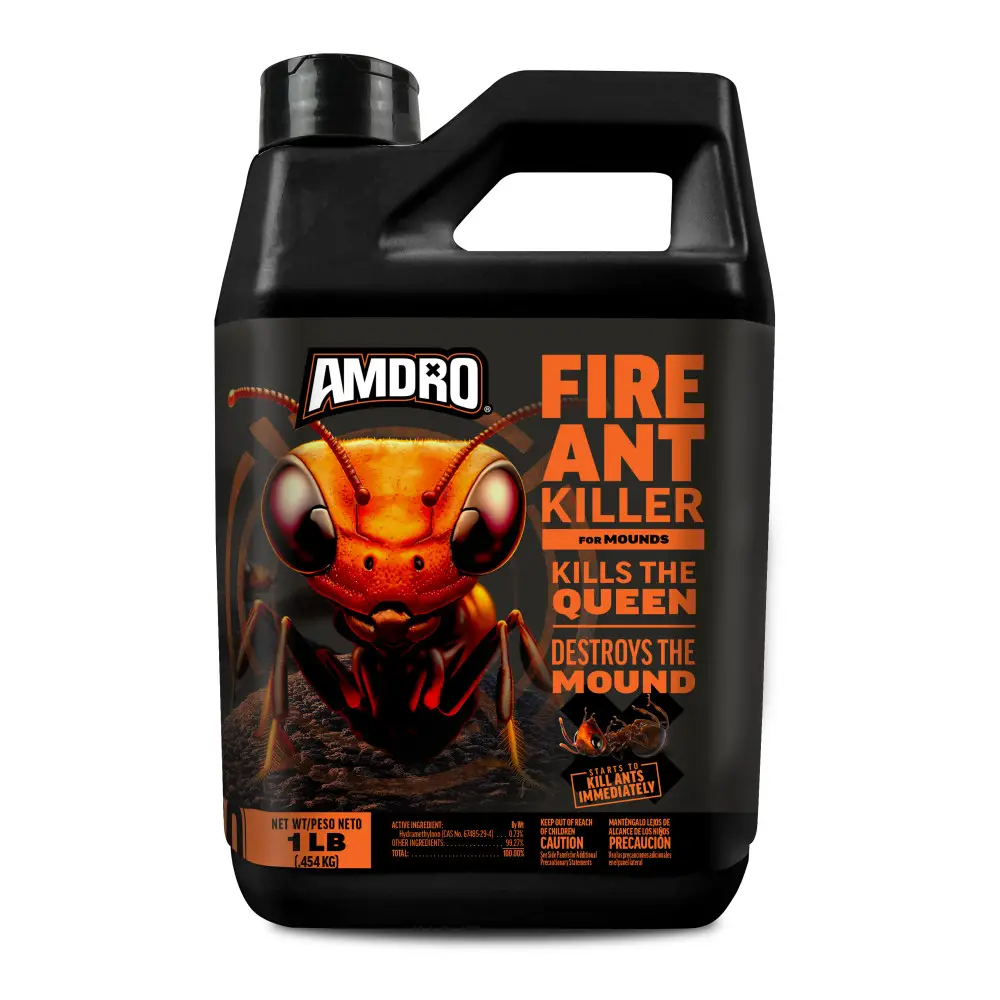
Amdro Granules Fire Ant Bait provides easy, effective fire ant control with a dual-action formula that targets visible and hidden mounds. The bait attracts ants and helps kill them quickly, reducing fire ant activity in about one week. It works against imported fire ants and several common ant types, and can be applied any time ants are active for best results.
Why Carpenter Ants Choose the Wood They Do
Carpenter ants prefer wood that has been softened by moisture. Galleries are easier to excavate in wood above approximately 15% moisture content, and the conditions that attract carpenter ants to structural wood, whether outdoors in landscape timbers and fence posts or indoors in wall framing and attic joists, almost always include an underlying moisture problem. Roof leaks above attic framing, condensation on rim joists in under-ventilated crawl spaces, window flashing failures that allow water into wall cavities, and porch or deck framing that retains moisture from inadequate drainage are the most common sites.
This means that treating carpenter ants without addressing the moisture source is an incomplete solution. The colony may be reduced by treatment, but the conditions that made the wood attractive remain, and either the same colony or a new one will recolonize the site in time.
Locating the Nest
The most effective carpenter ant treatments are directed at the nest rather than at the workers, because killing workers alone does not eliminate the queen and does not prevent the colony from replacing the lost population. Finding the nest is therefore the priority before applying any treatment.
Carpenter ant workers are most active at night, particularly between 10 pm and 2 am, when the temperature has cooled and humidity has risen. Following workers with a flashlight from where they are observed to where they disappear into a wall void, under a floor covering, into attic insulation, or out through a structural gap identifies the nest direction. A stethoscope or electronic listening device pressed against suspect walls can detect the rustling and chewing sounds of active gallery excavation, particularly in quiet nighttime conditions.
Outdoors, carpenter ant parent colonies are most often located in dead stumps, hollow trees, or decaying logs within a hundred feet or so of the structure. Satellite colonies inside the structure are established by workers from the parent colony and may eventually host their own queen as the colony matures. Controlling carpenter ants in the structure often requires locating and treating both the outdoor parent colony and the indoor satellite nest.
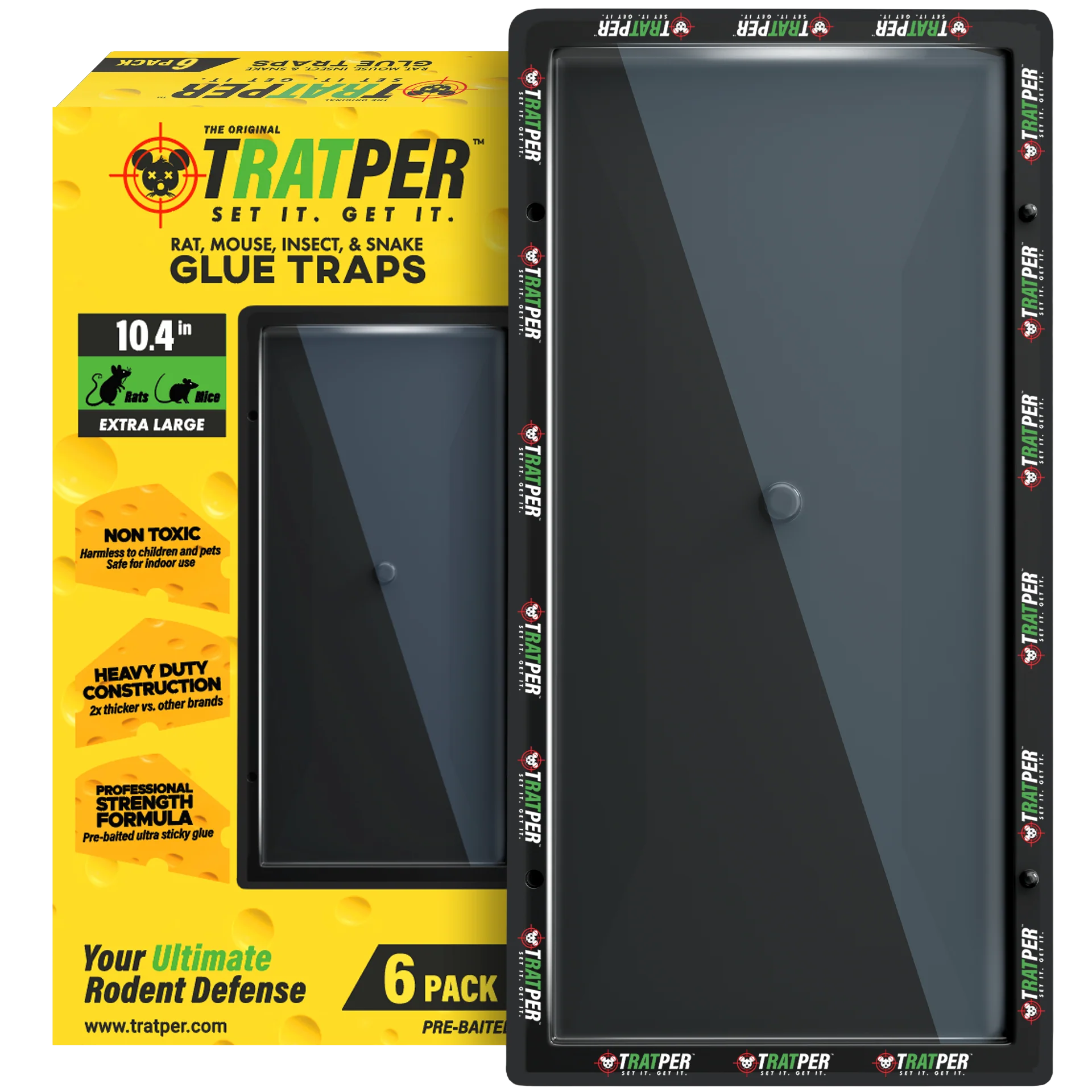
Tratper ready-to-use glue traps for mice, rats, and other pests come pre-baited with a peanut-butter scent so you can deploy them quickly. The extra-strength, high-tack adhesive in a heavy-duty plastic tray helps prevent excessive movement and improves capture. These non-toxic, chemical-free traps help control rodents and insects in home or commercial spaces without poisons, with easy disposal once a pest is trapped.
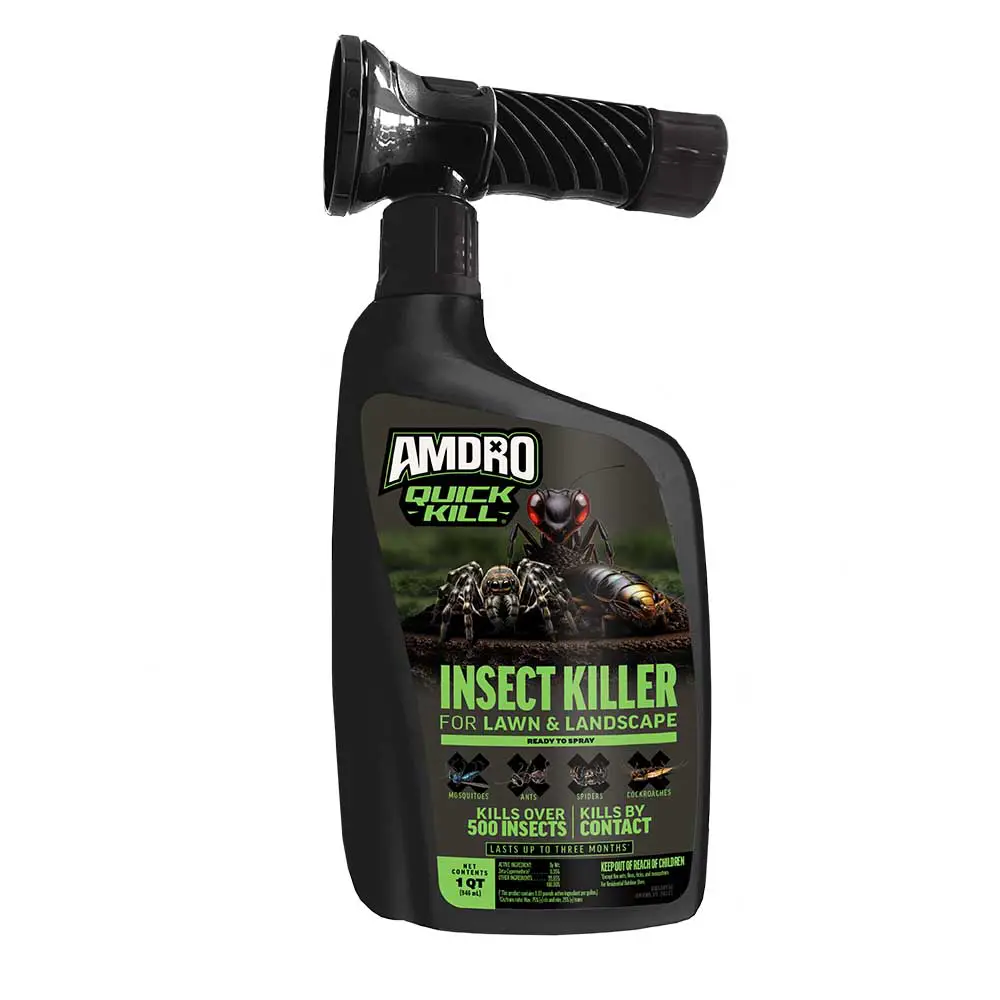
Amdro Quick Kill Insect Killer for Lawn & Landscape is a fast-acting ready-to-spray formula that starts working in minutes (except ticks) and kills over 500 insects. It kills by contact and is designed to be lawn-safe when used as directed, with control that keeps killing for up to 3 months (except fire ants, fleas, ticks and mosquitoes). Simply shake well, attach to the hose, and spray—no mixing or measuring required.
Treating the Outdoor Parent Colony
For outdoor nests in stumps, logs, or landscape timbers, a direct application of a pyrethroid insecticide (bifenthrin or permethrin) in spray or dust form into the nest opening kills workers and queens in the immediate nest area. Apply in late evening when workers are active and more of the colony population is present. For nests in stumps, drilling and injecting insecticide dust or foam into the center of the stump reaches galleries that a surface spray cannot access.
Removing the stump or dead wood entirely eliminates the nest site. For nests in landscape timbers or fence posts, replacing the affected section of the timber eliminates the nest while also addressing the moisture-degraded wood that attracted the colony.
Treating the Indoor Satellite Nest
Indoor satellite nests in wall voids, attic insulation, or structural framing require treatment that reaches the gallery rather than just the wall surface. Insecticidal dust, particularly those containing pyrethrin or permethrin dust formulations, injected into the void through small drill points is more effective than any surface spray for reaching ants inside a wall. Aerosol insecticide foam injected into the same drill points fills the void volume and contacts ants throughout the gallery.
Gel bait placed on active indoor trails is a secondary treatment that reduces the forager population that would otherwise repopulate the gallery, but bait alone does not typically eliminate a satellite colony with an established queen.
Borate Wood Treatment for Long-Term Prevention
Borate compounds (disodium octaborate tetrahydrate, sold under names including Tim-bor and Bora-Care) applied to bare structural wood penetrate the wood fiber and provide long-term protection against carpenter ant gallery excavation, as well as against termites and wood decay fungi. Borate treatment is applied to unfinished or stripped wood surfaces and is best done as a preventive measure or during renovation when wall cavities are accessible. It is not a replacement for nest-directed treatment of an active colony but is a durable prevention measure for previously affected structural wood.
When to Call a Professional
Carpenter ant problems that have extended into wall voids or attic framing of an occupied structure, where the nest location cannot be confirmed without opening walls, and where repeated surface treatments have not resolved worker activity, are situations that warrant professional pest control. A licensed technician can drill and treat wall voids systematically, use a thermal imaging camera or acoustic detection device to locate galleries without destructive opening, and recommend a moisture remediation plan for the underlying cause.
The specific criteria for the professional versus DIY decision are covered in our when to call a pest control professional guide.