
When to Call a Pest Control Professional vs DIY
Most homeowner pest problems are genuinely solvable with products available at hardware stores and garden centers, and attempting a DIY solution first is a reasonable approach for the majority of pest situations. A targeted ant bait placed at the forager trail, a neem oil application for soft-bodied plant pests, a sticky trap monitoring system for fungus gnats: these are well within the capability of any attentive homeowner. The question of when to call a licensed pest control professional is not a philosophical one. It comes down to whether the tools, access, and expertise required to resolve the specific problem are available to a homeowner or reserved to licensed applicators.
Situations That Reliably Require Professional Intervention
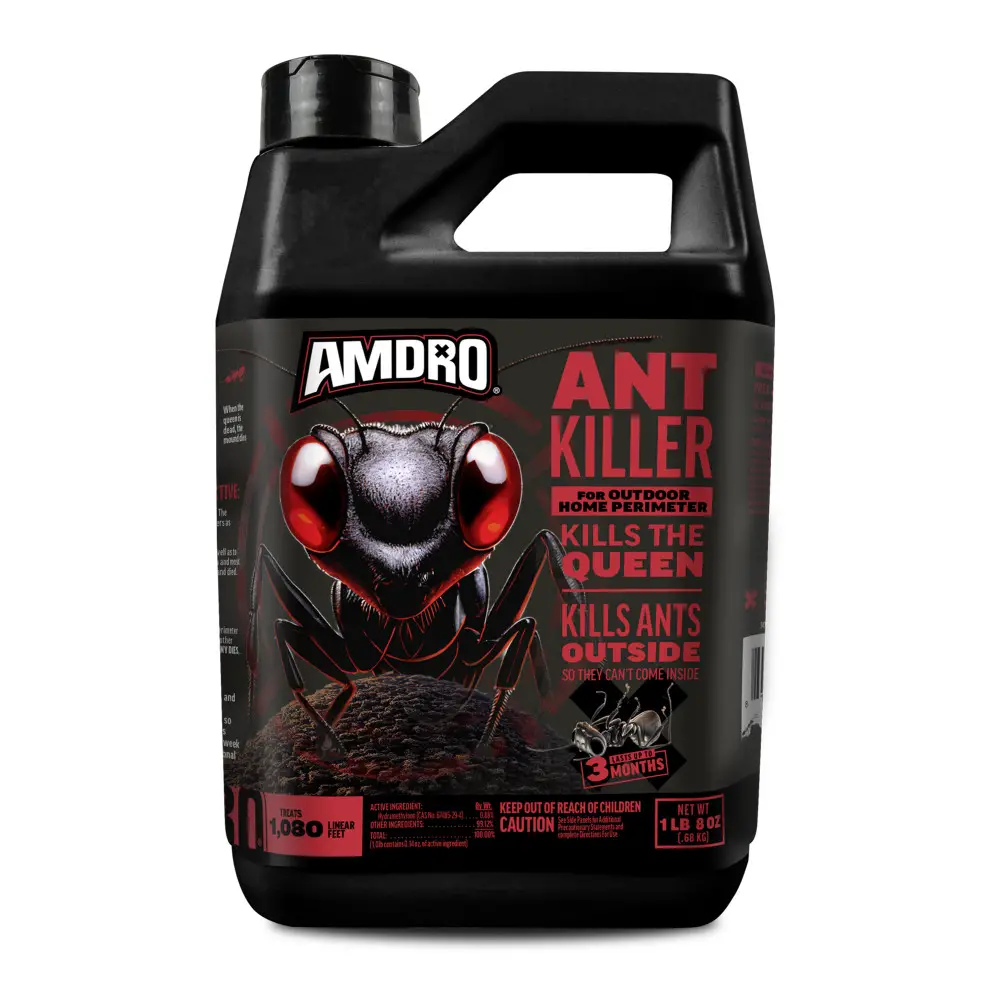
Amdro Ant Killer for Outdoor Home Perimeter creates a protective band that attracts and kills listed common ant species before they enter your home. Dual-action bait foraging workers carry it back to their colonies, helping reduce visible ants within about a week and stopping the colony, including the queen. For best results, apply when ants are active, and keep the treatment working up to three months for ongoing perimeter protection.
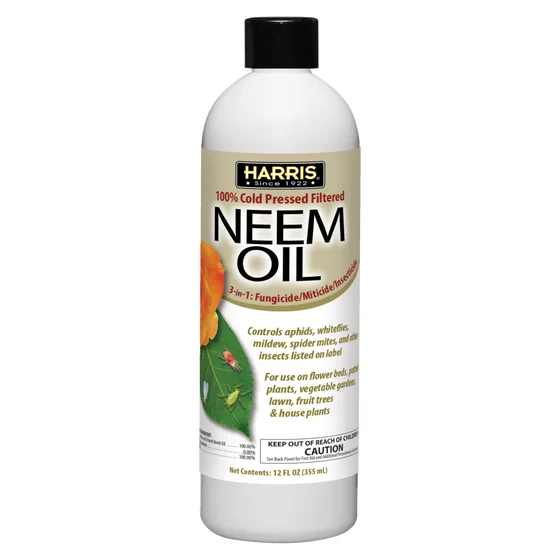
HARRIS Neem Oil Cold Pressed Water Soluble Concentrate is a 3-in-1 insecticide, fungicide, and miticide made from 100% cold pressed neem oil. It is EPA registered to help control aphids, whiteflies, mildew, spider mites, and other label-listed pests and diseases. Safe for indoor and outdoor use, it can be applied to a wide range of flowering and potted plants, vegetable gardens, lawns, ornamentals, fruit trees, and container gardening with foliar or soil treatments.
Harris Diatomaceous Earth powder provides thorough bed bug treatment, including hard-to-reach areas, with simple application using the included puffer tip. Bed bugs that contact the powder die within 48 hours, and the dry powder continues killing for weeks for extended residual protection. It is EPA registered for use in homes with people and pets and is also OMRI listed for organic mineral use.
Structural Termite Infestations
Termite control requires professional intervention in almost every case. Subterranean termites, the most destructive species in the United States, require either liquid soil treatment around the full perimeter of the structure or a baiting system installed and monitored by a licensed technician, and neither approach is accessible or effective when performed by homeowners using retail products. Drywood termites require either localized wood treatment or whole-structure fumigation depending on the extent of infestation, and whole-structure fumigation is exclusively a licensed professional operation. Any confirmed termite presence in or immediately adjacent to a structure warrants immediate contact with a licensed termite control operator.
Carpenter Ant Colonies in Wall Voids
Carpenter ants become a professional-level problem when the colony has established satellite nests within the building envelope, typically inside wall voids, attic insulation, or structural wood that has been softened by a moisture problem. Surface bait and contact spray treatments can suppress forager populations temporarily, but they do not reach the queen or eliminate the satellite colony. A licensed pest control technician can inject dust or foam insecticide into wall voids through small drill points, locate and treat all satellite nest locations, and identify the moisture source that made the structural wood attractive in the first place. For guidance on initial carpenter ant identification and outdoor colony management before calling a professional, see our carpenter ant control guide.
Established Rodent Infestations Inside the Building Envelope
A mouse or rat that has entered the living space of a home and established a harborage site behind walls, under appliances, or in the attic represents a professional-level exclusion and trapping problem. Retail snap traps and glue boards can reduce the active population in accessible locations, but they do not address the entry points that allowed the rodent to enter, and they cannot reach harborage sites inside wall voids or structural cavities. A licensed pest control company will perform a full perimeter inspection to identify and seal entry points, place traps in appropriate locations within the harborage area, and provide a return visit schedule to remove trapped rodents before odor and secondary pest problems develop.
Bed Bug Infestations
Bed bugs are among the most difficult residential pest problems to resolve with DIY methods because they hide in locations that are difficult to reach with spray treatments, including seams and tufts of mattresses, inside box spring frames, behind electrical outlet plates, and inside wall voids along baseboards. Professional bed bug control uses one or a combination of heat treatment, which requires specialized equipment to raise room temperature to lethal levels uniformly, and targeted insecticide application with products registered specifically for bed bug control. Retail insecticide products are largely ineffective against bed bugs and may scatter them deeper into the structure.
Large or Aggressive Stinging Insect Nests
Ground yellow jacket nests, large aerial wasp nests in confined eaves or wall void locations, and bald-faced hornet nests larger than a grapefruit are high-risk removal situations that professional-grade protective equipment and pressurized application equipment handle more safely than retail aerosol products can. For nests that are smaller, accessible, and away from high-traffic areas, see our wasp nest removal guide for the steps and products that make DIY removal feasible.
Situations Where DIY Is Appropriate
The majority of homeowner pest situations fall into the manageable DIY category: nuisance ant trails in the kitchen, spider mites on garden plants, aphid colonies on ornamental shrubs, grub infestations in the lawn, fungus gnats in houseplants, and a variety of outdoor plant and turf pests. These situations respond to properly chosen and correctly applied homeowner-grade products.
The deciding factors for DIY suitability are access to the pest’s harborage or feeding site, availability of products registered for the pest and application environment, and a population level that is within what a single treatment or short treatment sequence can resolve. If repeated DIY attempts over two to three treatment cycles have not produced measurable improvement, that is the signal to reassess whether the problem requires a different approach, a more restricted product class, or professional-level access.
Questions to Ask a Pest Control Company
Before hiring a pest control company, clarify the following: whether they are licensed in your state and what their license covers, what specific product or method they plan to use and why, what the re-entry interval is after treatment, whether children, pets, or sensitive individuals need to vacate during or after treatment, and what follow-up visits or monitoring are included in the service.
A reputable company will explain their treatment plan in plain language, provide the product label on request, and give you a clear account of what the treatment is expected to accomplish and over what timeframe. Avoid companies that cannot or will not explain their product choices or that recommend blanket perimeter sprays as a first response to every pest inquiry without diagnosing the specific pest and entry point.
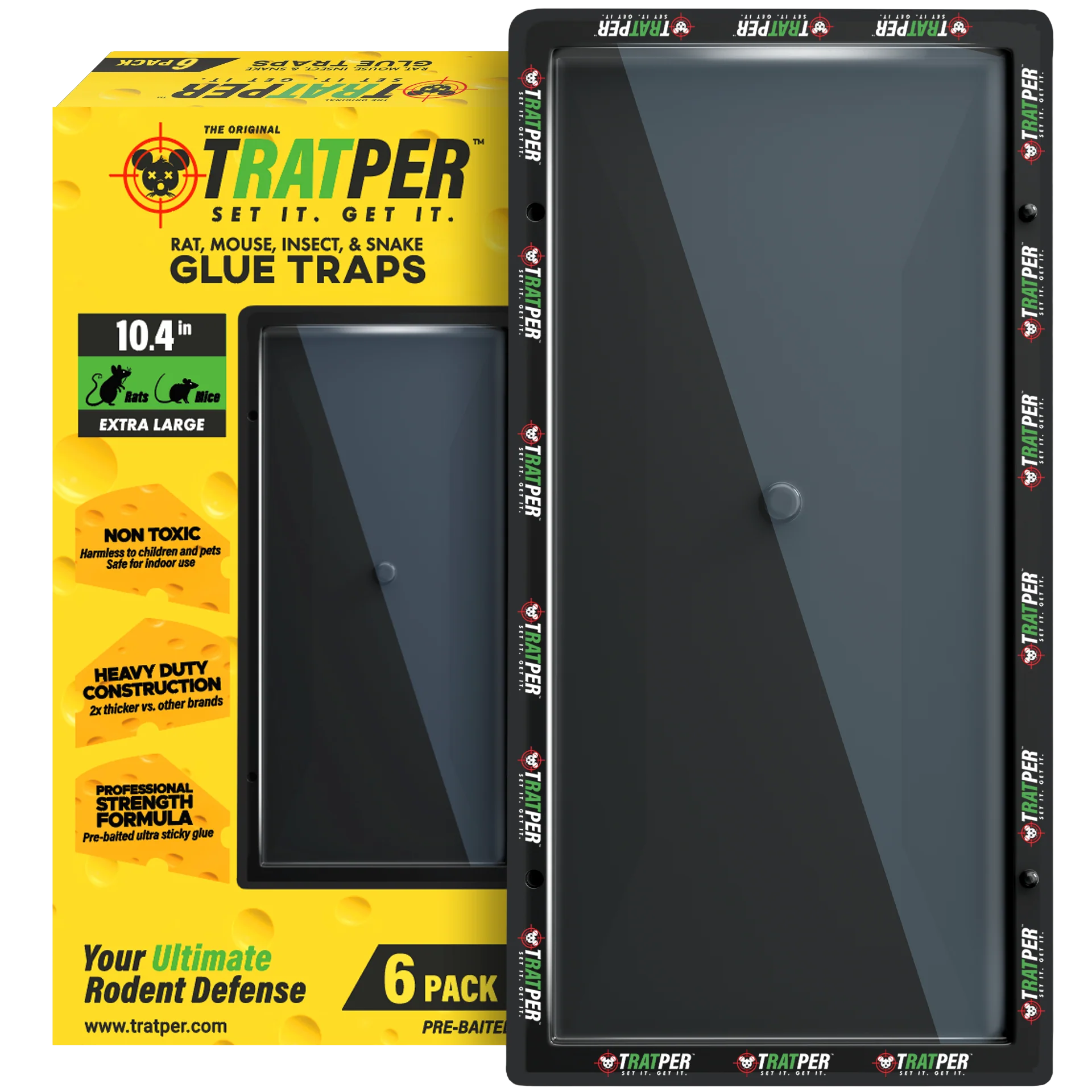
Tratper ready-to-use glue traps for mice, rats, and other pests come pre-baited with a peanut-butter scent so you can deploy them quickly. The extra-strength, high-tack adhesive in a heavy-duty plastic tray helps prevent excessive movement and improves capture. These non-toxic, chemical-free traps help control rodents and insects in home or commercial spaces without poisons, with easy disposal once a pest is trapped.
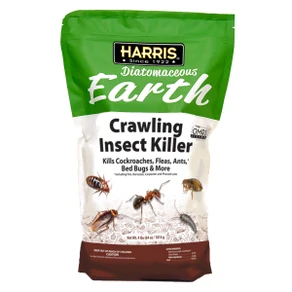
HARRIS Food Grade Diatomaceous Earth is made from 100% ground freshwater diatomaceous earth with no additives or fillers, making it suitable for food-grade use. It comes with a powder duster for easy, efficient application on animal feed. OMRI listed, and Harris supports the local Etowah Valley Humane Society with a portion of profits.
The Role of Integrated Pest Management in the Professional vs DIY Decision
A professional pest control company that practices integrated pest management will approach your pest problem with the same decision framework that this guide advocates for DIY treatment: identify the pest, assess the population and damage level, and choose the least disruptive effective treatment. The difference between a professional IPM company and a routine spray-and-bill operation is the emphasis on identifying the root cause of the infestation rather than suppressing surface symptoms repeatedly. The IPM decision framework that governs both DIY and professional treatment choices is explained in detail in our integrated pest management guide.