
How to Get Rid of Ant Hills and Outdoor Nests
Ant hills in the yard are a common complaint, but the urgency of treatment depends almost entirely on the species and the location. An outdoor pavement ant mound along a sidewalk edge causes no meaningful damage and requires no treatment unless it is in a location where workers are entering the home. A fire ant mound in a backyard play area is a genuine safety concern that warrants prompt treatment. A large mound in a garden bed from a species of native yard ants is often an ecological asset, housing a predatory colony that controls other soil-dwelling pests, and aggressive treatment would harm more than it helps. Getting the species right before choosing a response is the step most ant hill treatments skip.
When Outdoor Ant Nests Do Not Need Treatment
Many ant species that build visible mounds in lawns and garden beds are native species with a beneficial role in the garden ecosystem. Ants aerate soil as they excavate, bring mineral material to the surface, disperse seeds, and prey on other soil-dwelling insects. Species such as the field ant (Formica spp.), the pavement ant (Tetramorium caespitum), and the cornfield ant (Lasius alienus) build low mounds that are conspicuous but do not damage turf in any meaningful way unless a mound blocks a lawn mower deck or creates an uneven surface in a high-use area.
The general principle for native yard ants in non-sensitive locations is: if the colony is not entering the home, stinging people or animals, damaging plant roots, or creating a surface hazard, no treatment is needed or appropriate.
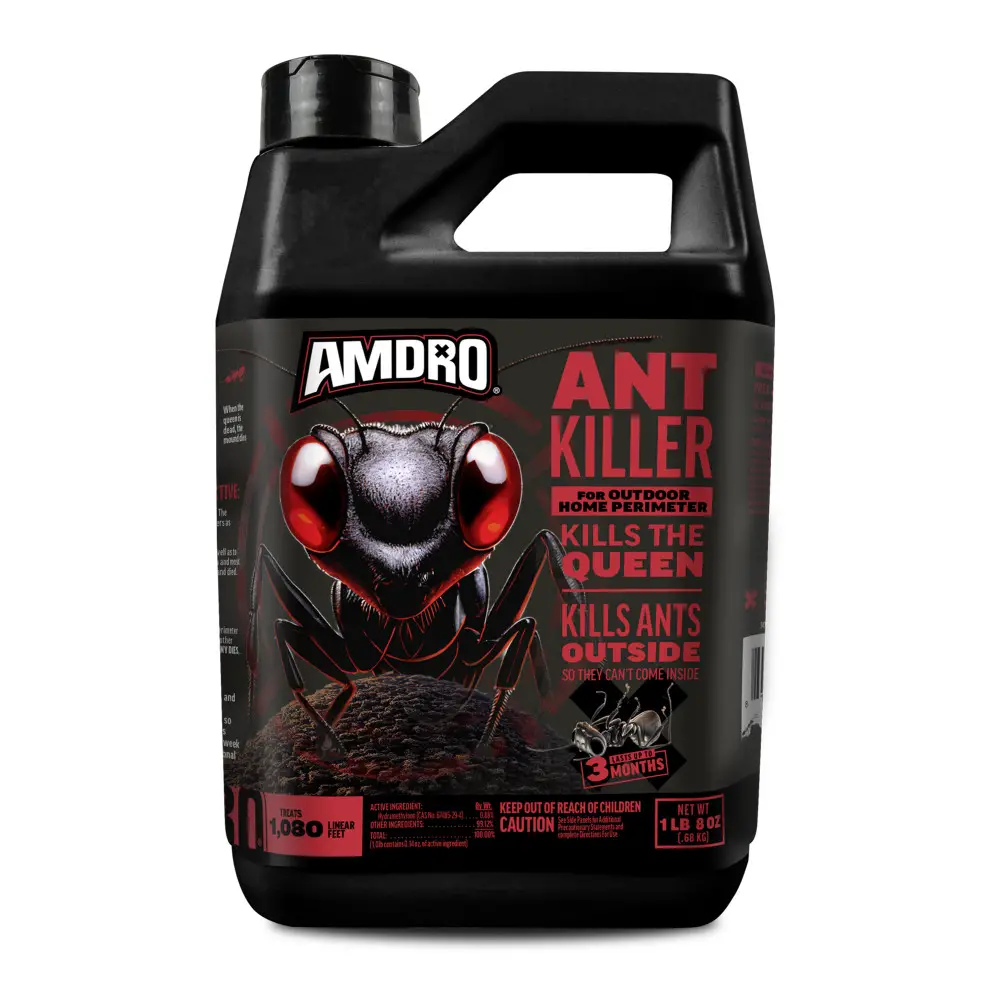
Amdro Ant Killer for Outdoor Home Perimeter creates a protective band that attracts and kills listed common ant species before they enter your home. Dual-action bait foraging workers carry it back to their colonies, helping reduce visible ants within about a week and stopping the colony, including the queen. For best results, apply when ants are active, and keep the treatment working up to three months for ongoing perimeter protection.
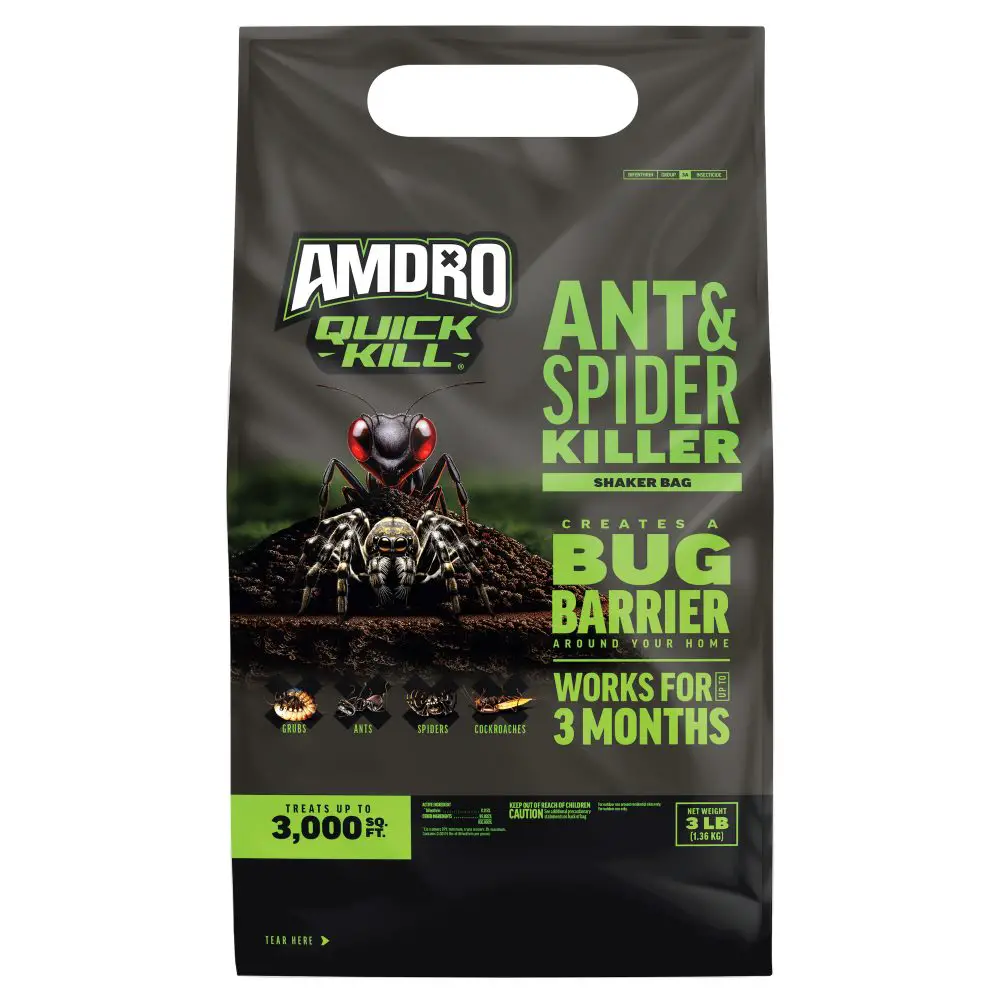
Amdro Quick Kill Ant & Spider Killer granules come ready to spread and help create a bug barrier around your home. The soil-penetrating formula kills listed insects by contact and works for up to 3 months, targeting lawn-damaging pests like grubs and mole crickets as well as surface pests such as ants and spiders. Simply apply evenly with the shaker bag, then lightly water the treated area to help control up to 100 listed insects and cover up to 3,000 square feet.
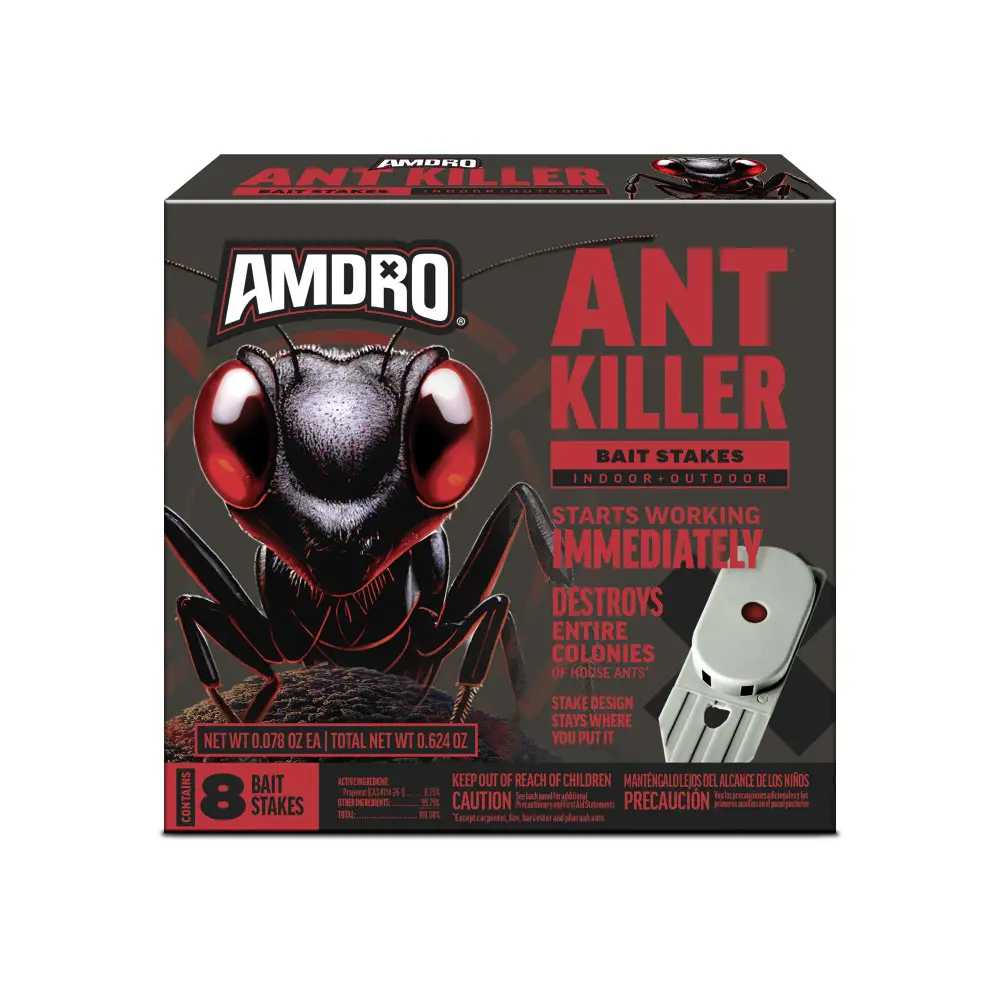
Amdro Ant Killer Bait Stakes destroy entire house ant colonies with a dual-action formula that attracts and kills sweet and grease eating ants. The pre-filled stakes are ready to use with no activation and can be placed indoors near ant trails or outdoors around your home perimeter. For best results, replace every 3 to 6 months and use year-round to help prevent ant infestations.
Identifying an Ant Hill That Warrants Treatment
Three factors make outdoor ant hills worth treating: the colony presents a physical safety risk (fire ants, aggressive stinging species), the colony is causing measurable plant or structure damage (carpenter ants in wood, ants tending aphid colonies that damage garden plants), or the colony’s location makes it directly incompatible with outdoor use of the space (mound in a lawn area used daily by children or pets).
Fire ant identification: raised dome mounds with no central opening hole, rapid swarming when disturbed, and workers that sting with a burning venom. Fire ant control is covered in detail in our fire ant control guide.
Treatment Options for Non-Fire-Ant Mounds
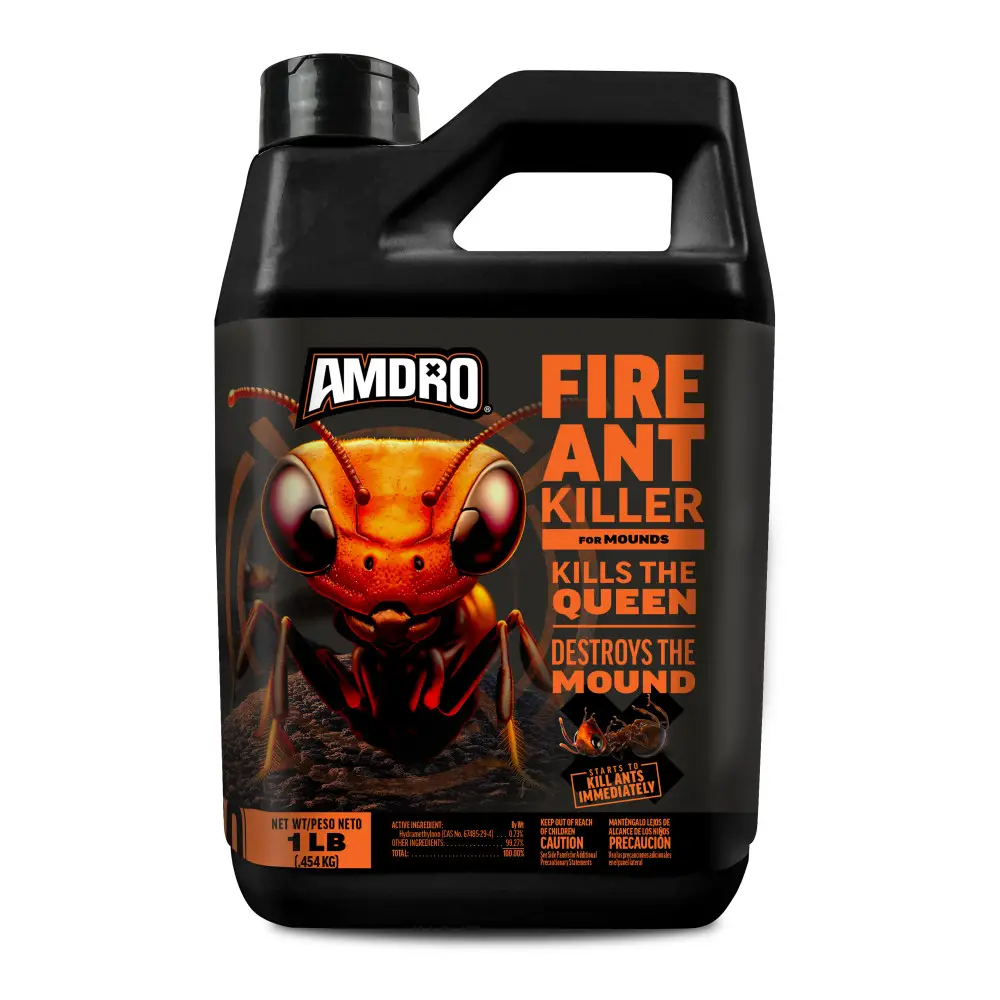
Amdro Granules Fire Ant Bait provides easy, effective fire ant control with a dual-action formula that targets visible and hidden mounds. The bait attracts ants and helps kill them quickly, reducing fire ant activity in about one week. It works against imported fire ants and several common ant types, and can be applied any time ants are active for best results.
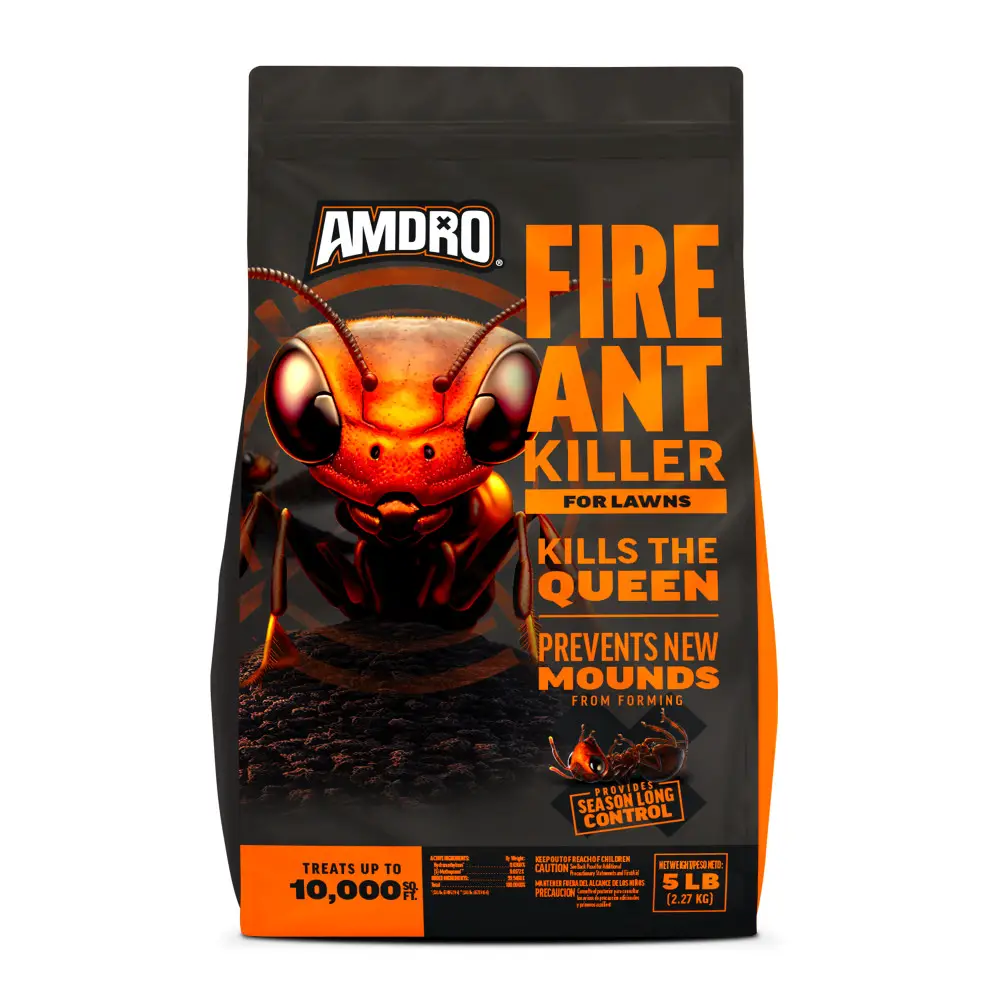
Amdro Fire Ant Killer for Lawns kills fire ants all season long, providing up to 3 months of control. It targets existing mounds while helping prevent new ones from forming, using a two-way killing formula that combines fire ant bait with an insect growth regulator. Ready to use and convenient, it requires no mixing and is best applied when ants first appear using a broadcast spreader.
Granular Ant Bait Applied to and Around the Mound
Granular bait is the most effective treatment for outdoor ant mounds because it delivers the active ingredient into the colony through worker foraging rather than requiring the product to physically penetrate to the colony depth. Sprinkle granular bait around the perimeter of the mound and on the mound surface following label rates (typically one to two tablespoons per mound), and leave the mound undisturbed for at least 48 hours after application to allow foraging workers to collect the bait and return it to the nest.
Active ingredient choices for granular mound bait include bifenthrin granules for fast worker knockdown, spinosad granules (organic, slower colony elimination), and hydramethylnon for single-queen colonies. Apply in the morning or late afternoon when workers are actively foraging and temperature is between 65 and 85 degrees Fahrenheit. Do not apply immediately before rain, which dissolves and displaces granular bait before workers collect it.
Liquid Insecticide Drench
A liquid insecticide drench, applying one to two gallons of diluted bifenthrin, permethrin, or cyfluthrin solution directly into and around the mound, is the fastest treatment for accessible mounds where immediate knockdown is more important than complete colony elimination. The solution should be applied slowly and directly into any visible entrance holes and into the soil around the base of the mound to maximize penetration toward the colony’s deep galleries.
The limitation of drenches is that most of the queen’s galleries are well below the immediate pour zone for established colonies. A drench significantly reduces the worker population and may kill a shallow queen, but deep or mature colonies often recover and rebuild. For complete colony elimination, follow a drench with bait application once workers resume foraging activity two to three days later.
Boiling Water
Boiling water poured directly into the mound is the completely natural option for accessible mounds in open lawn or gravel areas. Apply three to four gallons of boiling water to each mound, pouring directly into visible entrance holes. The limitation is penetration depth: for small, recently established mounds, boiling water may reach the queen’s gallery; for mature mounds with deep galleries, it cools before reaching the colony’s core. Effective for early-season mound treatment when new colonies are small and shallow.
Physically Removing and Relocating Mounds
For mounds in locations where the colony is not harmful but the mound itself is a surface obstruction, flattening the mound surface with a shovel disrupts the surface structure temporarily but does not address the colony. The mound will be rebuilt within days. If the goal is simply to level the surface, this is a repeated maintenance task rather than a control measure.
Treating Mounds in Garden Beds Without Damaging Plants
Ant mounds in garden beds require more care in product selection because granular and liquid insecticide treatments applied near plant roots can affect plant health. Spinosad-based granular baits are the safest option for use in and around established garden beds, as spinosad has a low soil persistence and minimal phytotoxicity risk at label-specified rates. Bifenthrin or permethrin drenches should be applied to the mound center and kept away from root zones of desirable plants where possible.
For garden beds where chemical treatment is not acceptable, relocating the mound by physically excavating the nest structure to a depth of at least a foot and depositing the entire excavated material in a bucket before transferring it to a location outside the garden is the most complete non-chemical approach. This is disruptive and time-consuming but moves the colony rather than killing it, which may be the appropriate response when the species is a native ant with a beneficial role and the garden bed location is simply inconvenient.
Ant Hills and the Aphid Connection in Garden Beds
Many nuisance ant species in garden beds are present not because the bed provides nesting soil but because aphid colonies on the plants above provide honeydew, a sugar-rich secretion that ants actively harvest. Ants tend aphid colonies, protecting them from predators and moving them to new plant growth, which dramatically increases the damage aphids cause to garden plants. Eliminating the aphid colony, as covered in our aphid control guide, removes the food source that is attracting and sustaining ants in the garden bed and often resolves the ant problem without any direct mound treatment.