
Nut and Fruit Trees: Growing, Pruning, and Harvesting
Productive trees add a dimension to residential landscapes that ornamental species cannot: yield. A well-managed apple tree produces bushels of fruit annually. A northern pecan provides harvests for decades once established. Pawpaw and persimmon offer distinctive flavors that are difficult to source commercially, making home-grown production genuinely valuable. This hub covers the growing, pruning, and management of nut and fruit trees suited to residential and small-acreage properties across North America.
The distinction from Hub 5 (Tree Species Guides) is focus. Species guides cover identification and general care. This hub focuses on productive management: training systems, pruning for yield, harvest timing, pollination requirements, and the annual care cycle that maximizes output.
Common Themes Across Productive Trees
Pollination. Many fruit and nut trees require cross-pollination from a compatible second variety to set fruit. Apples, pears, most sweet cherries, and many nut trees are in this category. Self-fertile varieties exist in some species but typically produce better yields with a pollinator companion. Each species guide below covers the specific pollination requirements.
Training systems. Productive trees benefit from a defined branch structure, either central leader for apples and pears or open center for peach and cherry, that distributes light throughout the canopy and supports the weight of heavy crops. Establishing this structure in the first three to five years after planting pays dividends across the full productive life of the tree. The pruning fruit trees guide covers both training systems in detail.
Dormant pruning. Most fruit and nut trees are pruned annually during the dormant season to remove unproductive wood, maintain scaffold structure, and manage canopy size. The specific technique varies by species but the general timing window and collar-cut principles from the pruning fundamentals hub apply across the category.
Soil and nutrition. Fruit and nut tree output is directly related to soil health. The soil preparation and pH management that underpins productive root development is covered in the gardening soil guide, which provides the soil context that determines how well productive trees respond to annual management.
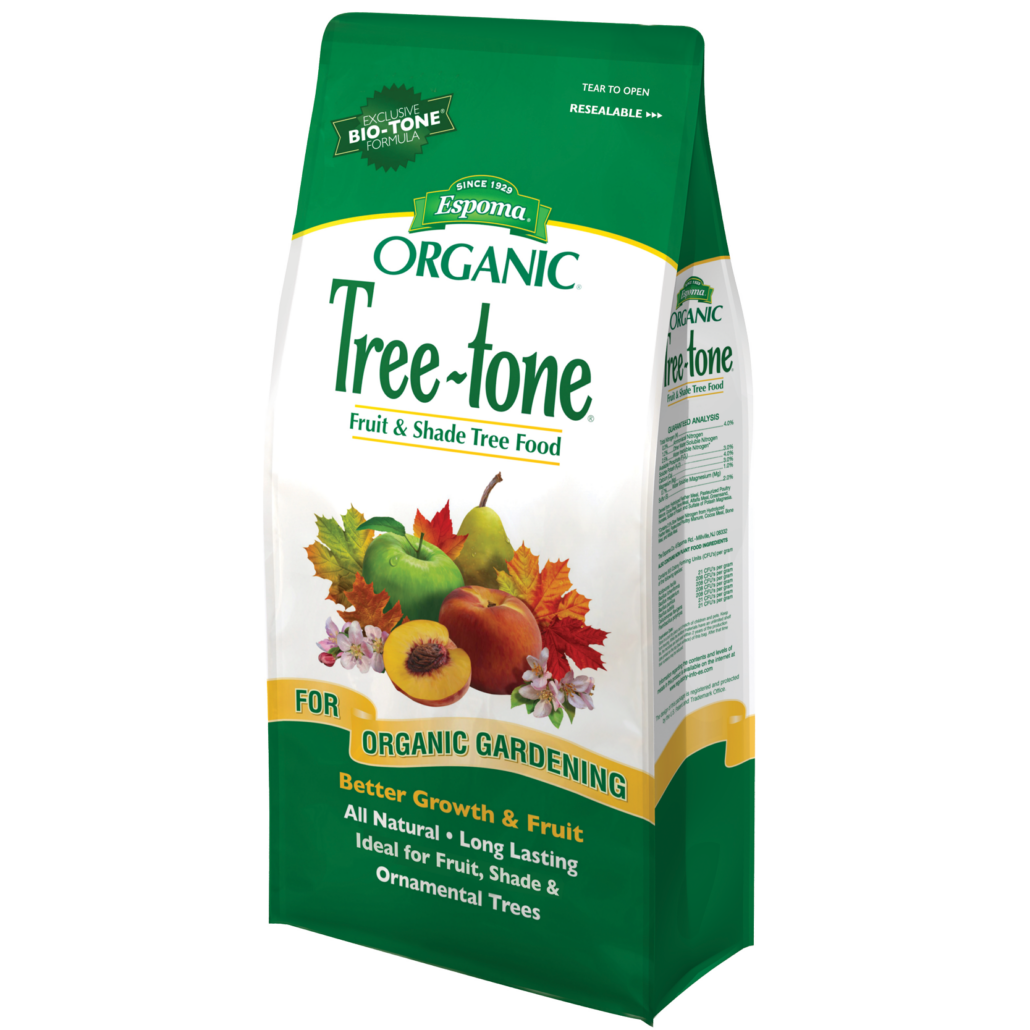
Espoma Organic Tree-Tone is an all-natural and organic fertilizer for shade, fruit, and ornamental trees, supporting healthy growth for favorites like peach and apple. The 6-3-2 formulation includes 5% calcium and is enhanced with Espoma’s Bio-tone formula. Best used in spring and fall, it is ready to use with no mixing required and is approved for organic gardening.
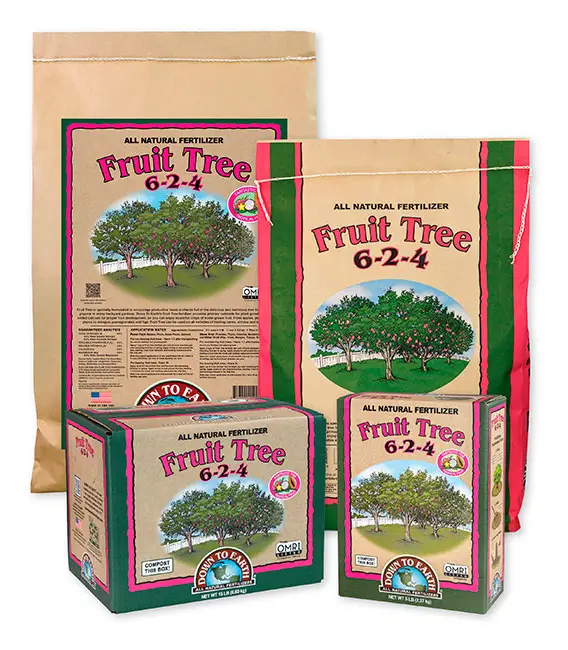
Down To Earth Fruit Tree is an OMRI-listed all-natural organic fertilizer in a 6-2-4 formula to support strong growth and bountiful home orchards. It helps provide primary nutrients for fruit tree development and adds calcium to support proper fruit development for apples, pears, plums, and tropical fruit trees. Suitable for fruiting canes, shrubs, and trees, this fertilizer is designed to encourage productive backyard harvests.
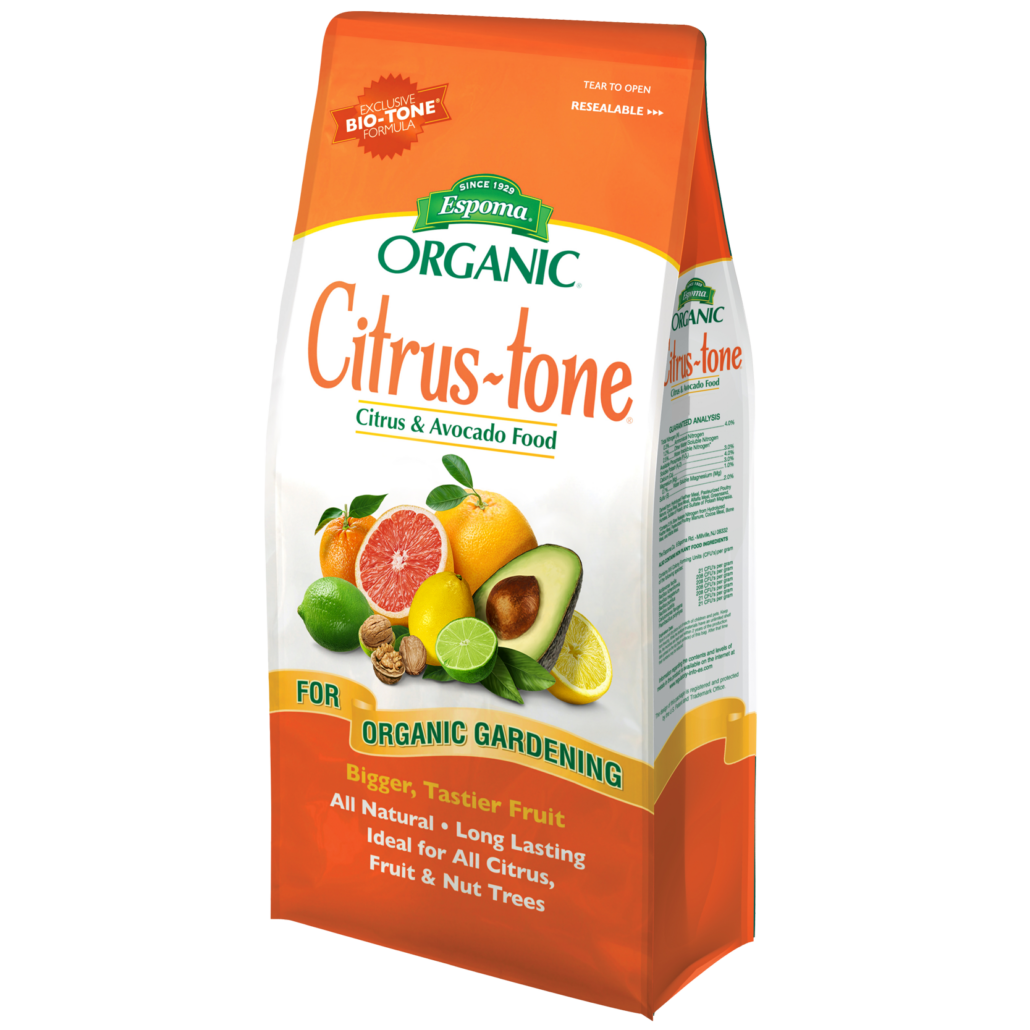
Espoma Organic Citrus-Tone 5-2-6 is a natural and organic plant food formulated to support vigorous growth and abundant fruit on citrus, avocado, and nut trees. Its rich Bio-tone enhanced blend provides 5% calcium and is approved for organic gardening with no sludges or toxic ingredients. Apply late winter pre-bloom, spring post bloom, and in fall by spreading around the drip line and watering thoroughly.
Guides in This Hub
- American Chestnut Trees: History, Growing, and Blight-Resistant Varieties
- Northern Pecan Tree: Growing, Harvesting, and Care
- How to Grow Pawpaw Trees: Planting and Care Guide
- How to Grow American Persimmon Trees
- Hican Trees: The Pecan-Hickory Hybrid Explained
- How to Grow Apple Trees in Your Backyard
- How to Grow Cherry Trees: Sweet and Sour Varieties
- Fruit Tree Care Calendar: Month-by-Month Tasks
- Best Fruit Trees for Small Yards and Containers
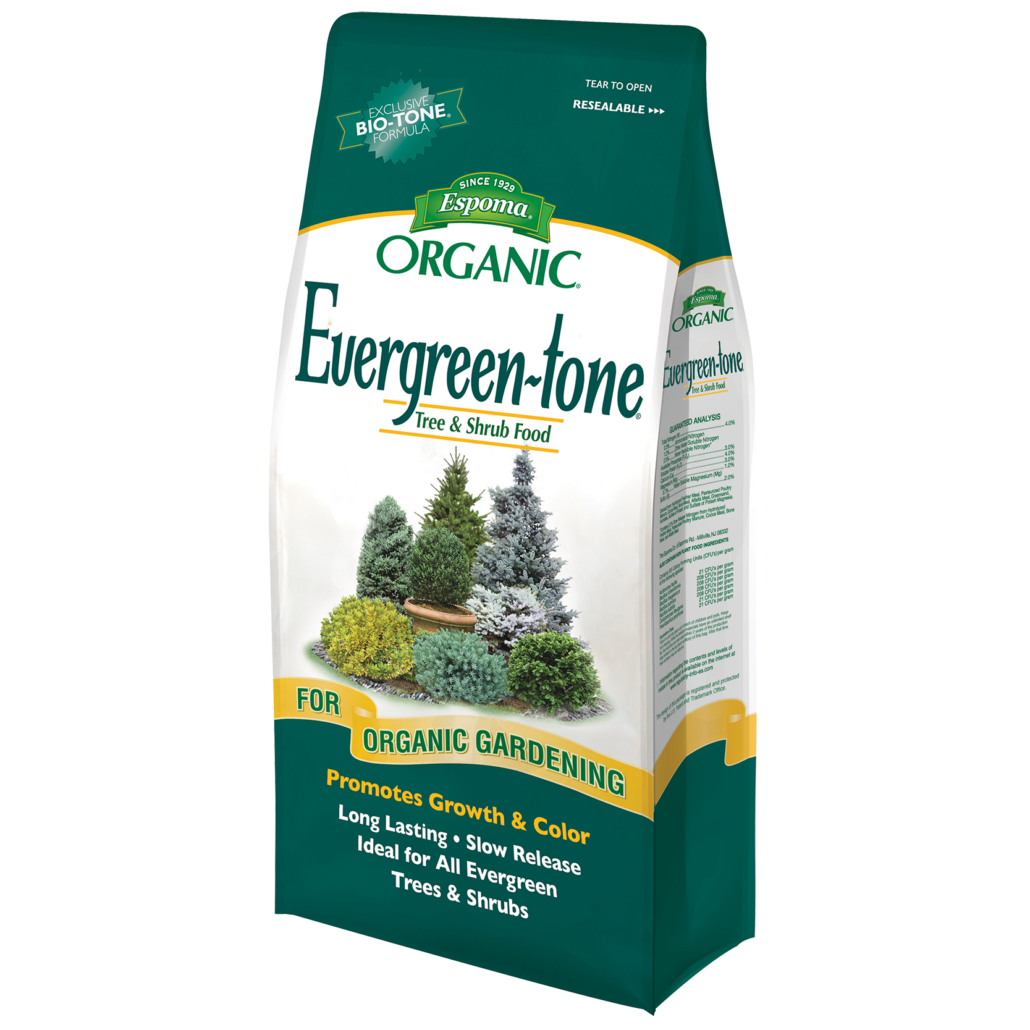
Evergreen-Tone is a rich blend of natural and organic ingredients enhanced with humates and beneficial microbes to support evergreen trees and shrubs. It promotes deep green foliage with long-lasting slow-release feeding, helping acidify the soil with elemental sulfur. Made with no sludges or fillers, it’s designed for consistent, quality results and is safe for people, pets, and the planet.
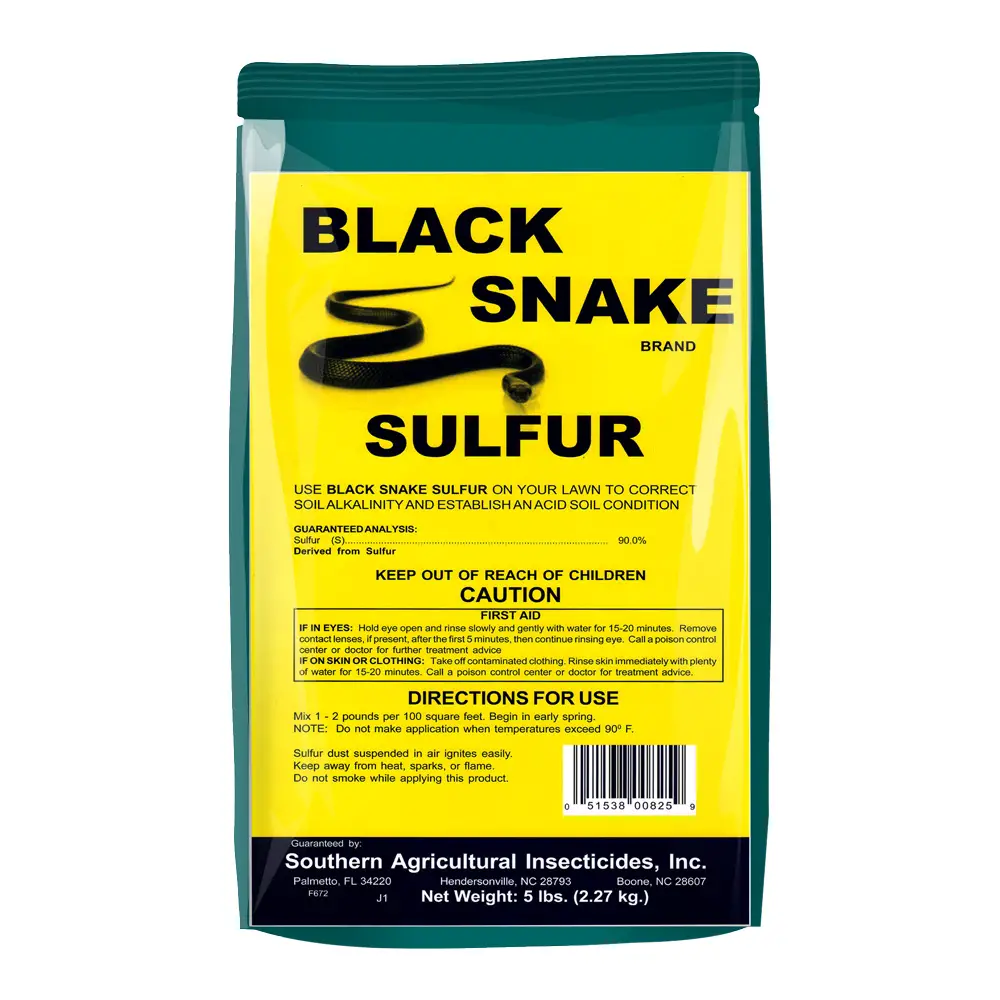
Black Snake Sulfur is a pulverized sulfur product used to help correct lawn soil alkalinity and establish an acid soil condition. It is applied directly to soil using a recommended rate for 100 square feet area. Keep the product away from sparks, open flames, and lit cigarettes during use.