
Fruit Tree Care Calendar: Month-by-Month Tasks
Fruit tree care is most effective when it follows the tree’s biological calendar rather than responding to problems after they develop. Most of the spray programs, pruning windows, and soil management tasks that determine annual yield have specific timing windows that, once missed, cannot be recovered within that season. This calendar covers the key tasks by month for apple, pear, cherry, peach, and plum trees in the mid-latitude temperate zone (USDA zones 5 to 7). Adjust timing by one to three weeks earlier for zones 8 to 9, or two to three weeks later for zone 4.
January and February: Dormant Season Planning and Pruning
Dormant pruning is the primary task of the dormant season. With leaves down and the tree fully dormant, the branch structure is clearly visible for making structural decisions. Complete pruning before bud swell begins.
Priorities this period:
- Prune apple, pear, and most stone fruit using the techniques in the pruning fruit trees guide. Remove crossing branches, manage scaffold spacing, thin spur clusters, and address any co-dominant leaders.
- Order any replacement trees, new variety additions, or planting supplies from nurseries before spring stock is depleted.
- Inspect stored dormant oil sprays, fungicides, and other supplies; replace as needed.
- Apply dormant oil spray to apple and pear if scale insects or European red mite were a problem in the previous season. Dormant oil smothers overwintering eggs. Apply before green tissue shows.
Note on cherry and plum: These stone fruit species are best pruned in late summer after harvest rather than during winter. Delay their structural pruning to August.
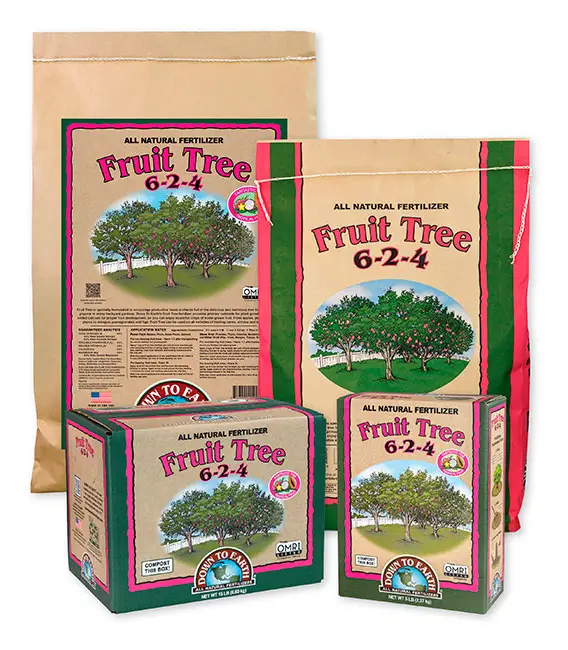
Down To Earth Fruit Tree is an OMRI-listed all-natural organic fertilizer in a 6-2-4 formula to support strong growth and bountiful home orchards. It helps provide primary nutrients for fruit tree development and adds calcium to support proper fruit development for apples, pears, plums, and tropical fruit trees. Suitable for fruiting canes, shrubs, and trees, this fertilizer is designed to encourage productive backyard harvests.
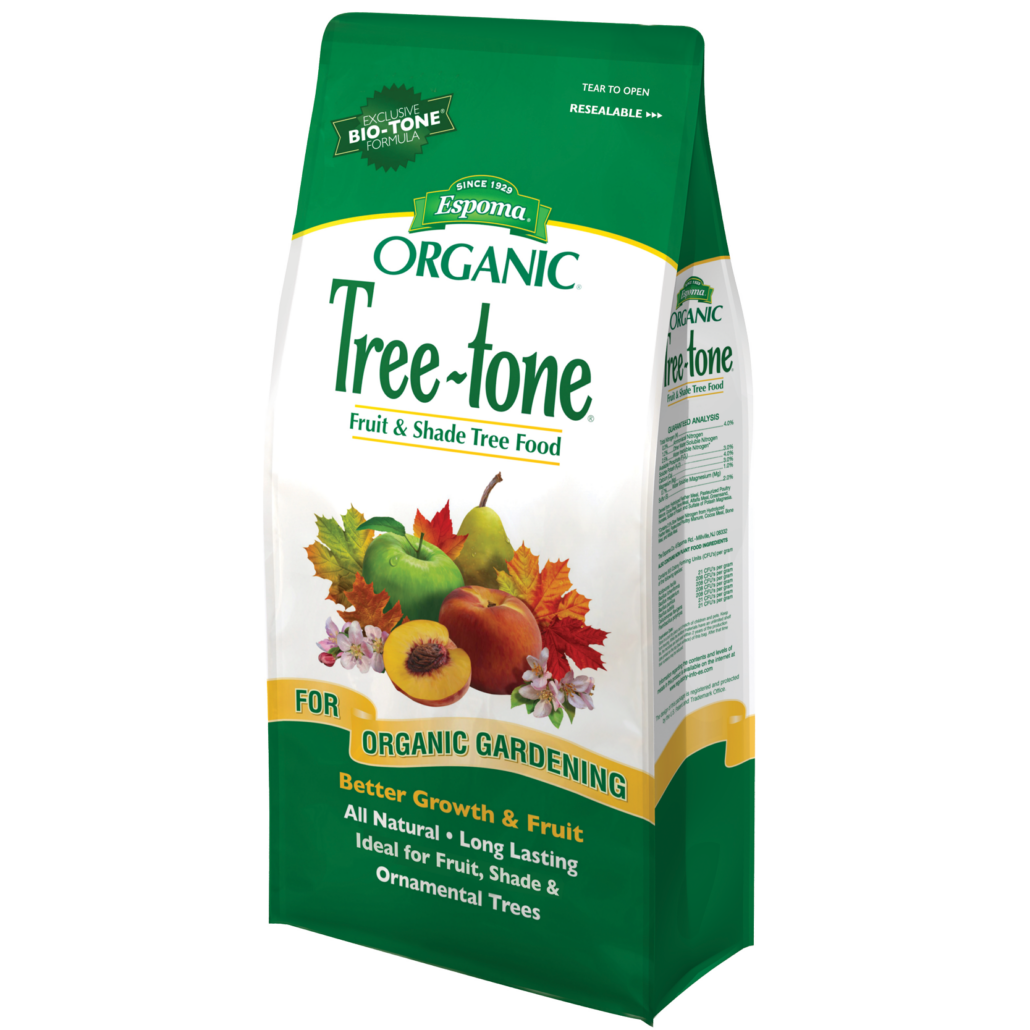
Espoma Organic Tree-Tone is an all-natural and organic fertilizer for shade, fruit, and ornamental trees, supporting healthy growth for favorites like peach and apple. The 6-3-2 formulation includes 5% calcium and is enhanced with Espoma’s Bio-tone formula. Best used in spring and fall, it is ready to use with no mixing required and is approved for organic gardening.
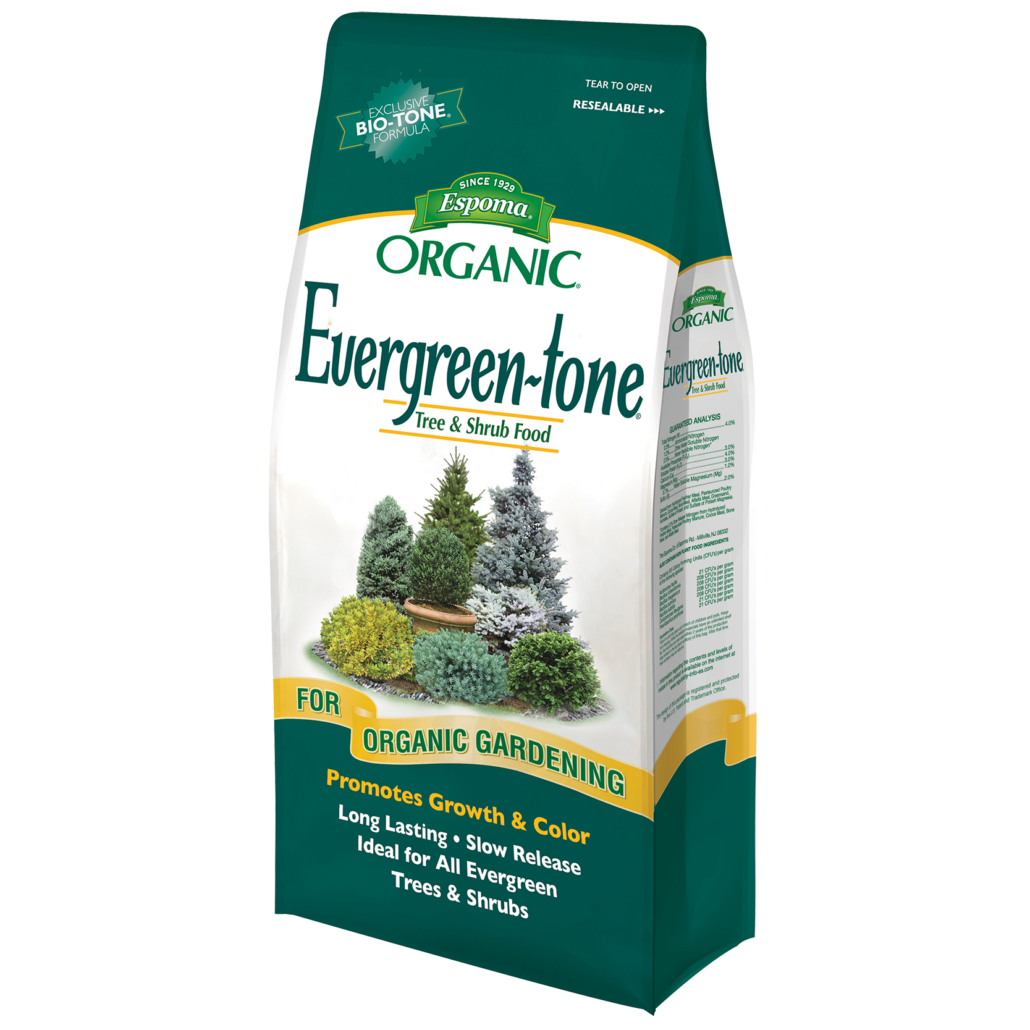
Evergreen-Tone is a rich blend of natural and organic ingredients enhanced with humates and beneficial microbes to support evergreen trees and shrubs. It promotes deep green foliage with long-lasting slow-release feeding, helping acidify the soil with elemental sulfur. Made with no sludges or fillers, it’s designed for consistent, quality results and is safe for people, pets, and the planet.
March: Bud Break and Early Season Sprays
As temperatures rise and buds begin to swell and show green, the window for key early-season spray applications opens.
Priorities this period:
- Apply lime sulfur or fixed copper at green tip stage on apple and pear as a preventive against apple scab, fire blight, and other overwinter pathogens.
- Apply copper-based spray on peach and nectarine at bud swell for peach leaf curl prevention. This is the most important spray of the year for stone fruit; it must be applied before bud break.
- Monitor for frost: late frost events after pink bud or bloom stage damage or destroy the current year’s crop on frost-sensitive sites. Have frost cloth available for small trees if late frost is forecast.
April: Bloom and Post-Bloom Care
Bloom is the most critical and fragile period of the fruit tree year.
Priorities this period:
- Do not spray fungicides or insecticides during full bloom. Applications during bloom kill pollinating insects and reduce fruit set.
- Monitor fire blight conditions: warm temperatures (65 to 86 degrees F) combined with rain or high humidity during bloom create high fire blight infection risk. Apply streptomycin or copper if conditions are favorable and the variety is susceptible.
- After petal fall, resume fungicide and insecticide program as needed.
- Watch for apple scab symptoms on emerging foliage after petal fall.
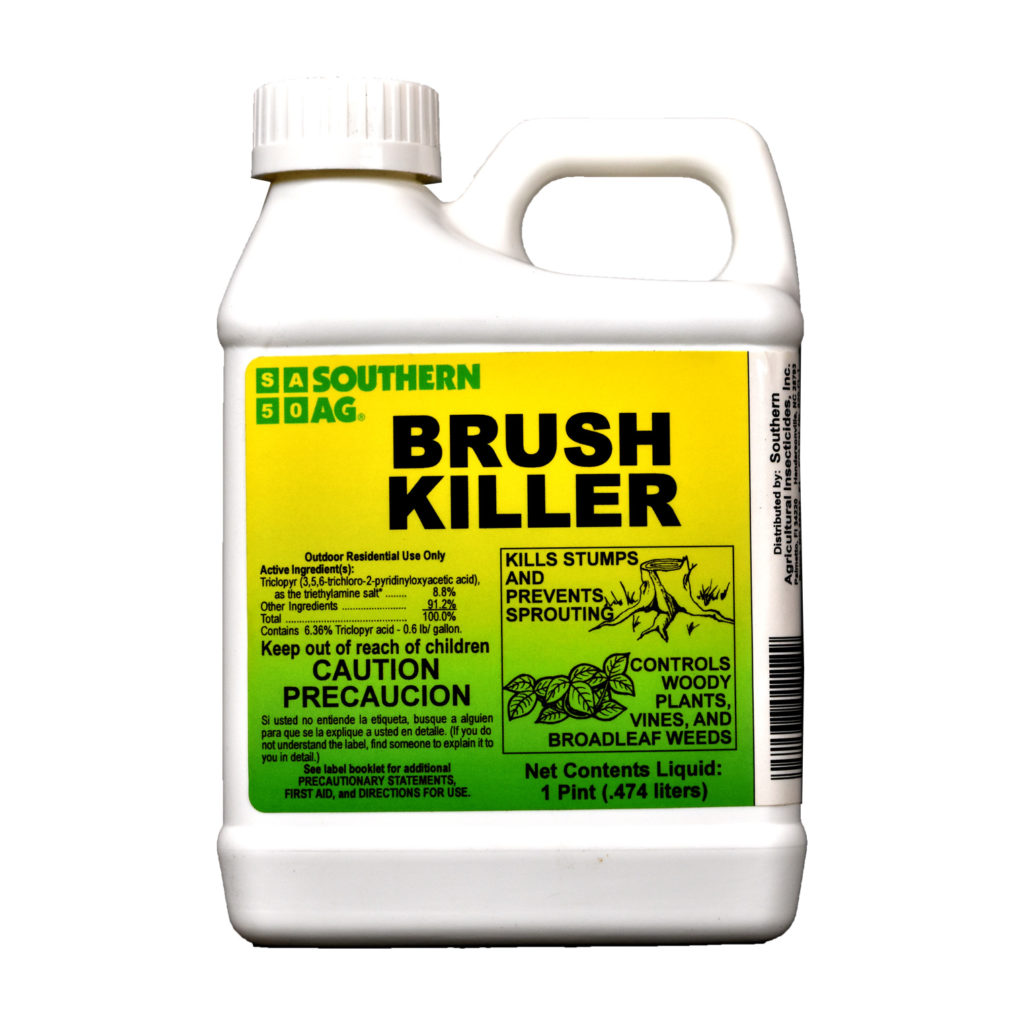
Southern Ag Brush Killer with 8.8% triclopyr helps kill tough vines and hard-to-control brush, including stump sprout prevention. It works as a full-volume foliage spray for vines, shoots, stems, and bark, and can also be used for undiluted stump treatment on freshly cut stumps. Ideal for non-crop areas like road right-of-ways, rangeland, pastures, and fence rows.
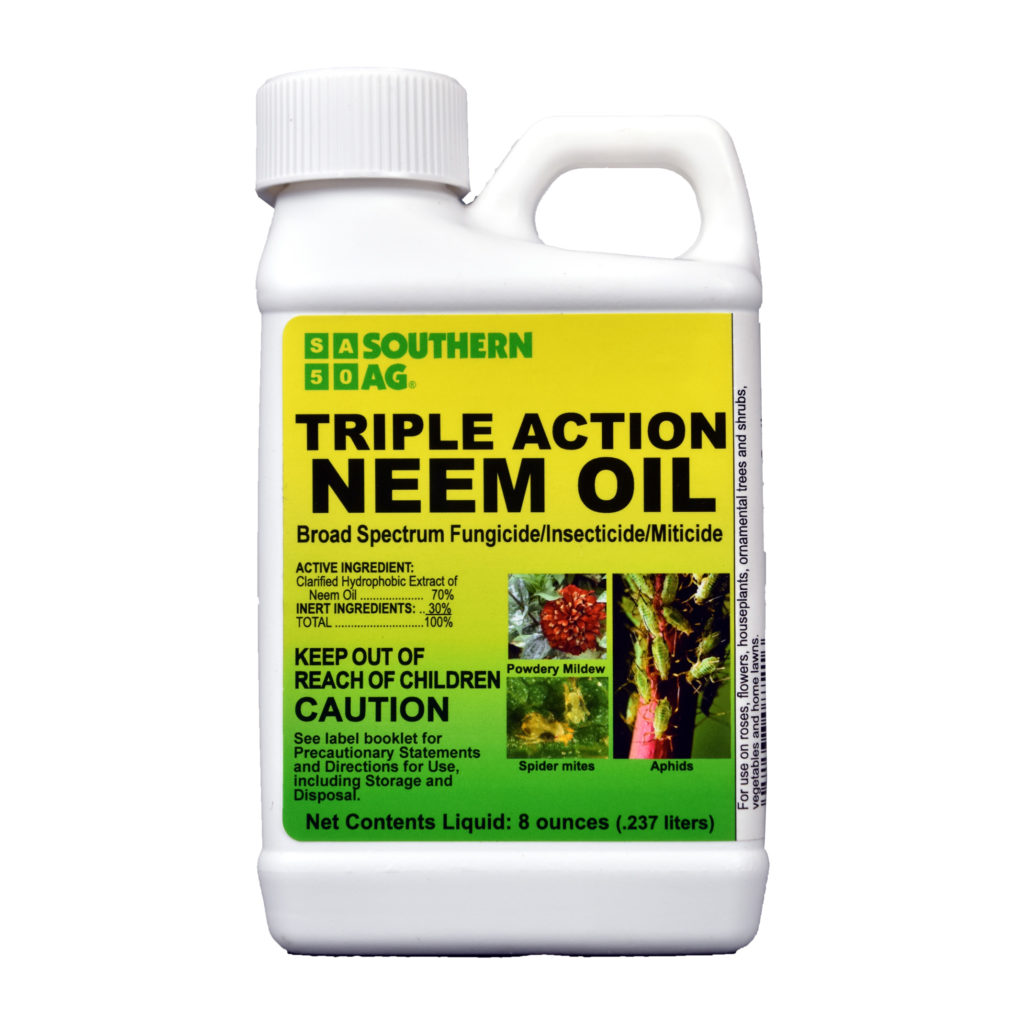
Southern Ag Triple Action Neem Oil Fungicide/Insecticide/Miticide delivers broad-spectrum control to help protect indoor and outdoor ornamental plants. Formulated with 70% clarified hydrophobic extract of neem oil, it targets common fungal diseases like powdery mildew and black spot as well as pests including aphids, spider mites, scale, and whiteflies. Thoroughly spray all plant surfaces for best results, mixing frequently during application.
May and June: Thinning and Early Season Management
Fruit thinning is the most counterintuitive but yield-improving task in fruit growing.
Priorities this period:
- Thin apples, pears, and peaches after the natural June drop. Leave one fruit per spur cluster on apple and pear, spaced 6 to 8 inches apart along the branch. Thin peach to 4 to 6 inches between fruits. Thinning increases fruit size, reduces alternate bearing tendency, and reduces branch breakage under crop weight.
- Apply second and third cover sprays for apple scab on susceptible varieties.
- Install sticky traps for codling moth monitoring in apple; begin insecticide program if trap counts exceed threshold.
July and August: Harvest Begins, Late Season Sprays, and Stone Fruit Pruning
Early apple varieties ripen in July and August. Stone fruit harvest is concentrated in this period.
Priorities this period:
- Harvest early apple varieties as they ripen. Test maturity with seed color and starch test.
- Prune cherry, plum, and peach after harvest in dry weather. Summer pruning reduces silver leaf and bacterial canker risk compared to winter pruning.
- Apply second copper spray on peach after harvest for peach leaf curl prevention (this fall application is secondary to the spring timing but provides additional protection on susceptible varieties).
September and October: Main Harvest and Fall Preparation
Priorities this period:
- Harvest main-crop apples and pears. Apples for storage should be picked slightly before peak ripeness to maximize storage life.
- Apply fall balanced fertilizer or organic matter to the root zone to support root growth through fall.
- Rake and remove fallen leaves and mummified fruit, which harbor overwintering disease spores and insect eggs.
November and December: Late Season
Priorities this period:
- Complete any dormant spraying if scale was a problem: dormant oil applied in late fall before deep cold sets in kills overwintering pests.
- Record the season’s observations: disease pressure, pest levels, and crop quality notes that inform next year’s decisions.
- Review variety performance and consider whether any underperforming trees should be replaced.
For the soil preparation and pH management that underpins healthy root development and nutrient uptake throughout this calendar, the gardening soil guide covers soil structure, amendment, and testing for productive growing.