
How to Grow American Persimmon Trees
American persimmon (Diospyros virginiana) is one of the most underplanted native fruit trees in North American landscapes. It is exceptionally cold-hardy (USDA zones 4 to 9), tolerates drought, produces heavy crops of sweet fruit without spraying, and requires almost no management once established. Its lack of widespread home cultivation reflects unfamiliarity more than any genuine difficulty.
The single most important fact about American persimmon is this: the fruit must be fully ripe before eating. Underripe persimmon contains soluble tannins that produce an intensely astringent, mouth-puckering sensation that puts most people off the fruit permanently. Fully ripe fruit, typically after a frost has softened and sweetened it, is a completely different experience: rich, sweet, and jellylike.
Understanding Astringency
American persimmon fruit contains high levels of soluble tannins while the fruit is firm and unripe. These tannins are the cause of the unpleasant astringency that gives persimmons their reputation for being inedible. As the fruit fully ripens, the tannins convert to an insoluble form and the astringency disappears entirely.
Ripeness is indicated by the fruit becoming soft and yielding, typically after the first hard frost in most of its range. Fruits that fall naturally from the tree are almost always ripe. Fruits that require pulling from the tree are usually not. A fully ripe American persimmon is soft enough that it almost falls apart when handled.
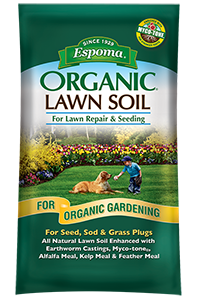
Espoma Organic Lawn Soil is an all-natural organic soil mix designed to promote seed germination and help new sod establish. It contains earthworm castings, alfalfa meal, kelp meal, and feather meal, enhanced with Espoma MYCO-TONE, a blend of endo and ecto mycorrhizae fungi. Use it anytime you sow new grass seed or install sod for organic gardening results with no synthetic plant foods or chemicals.
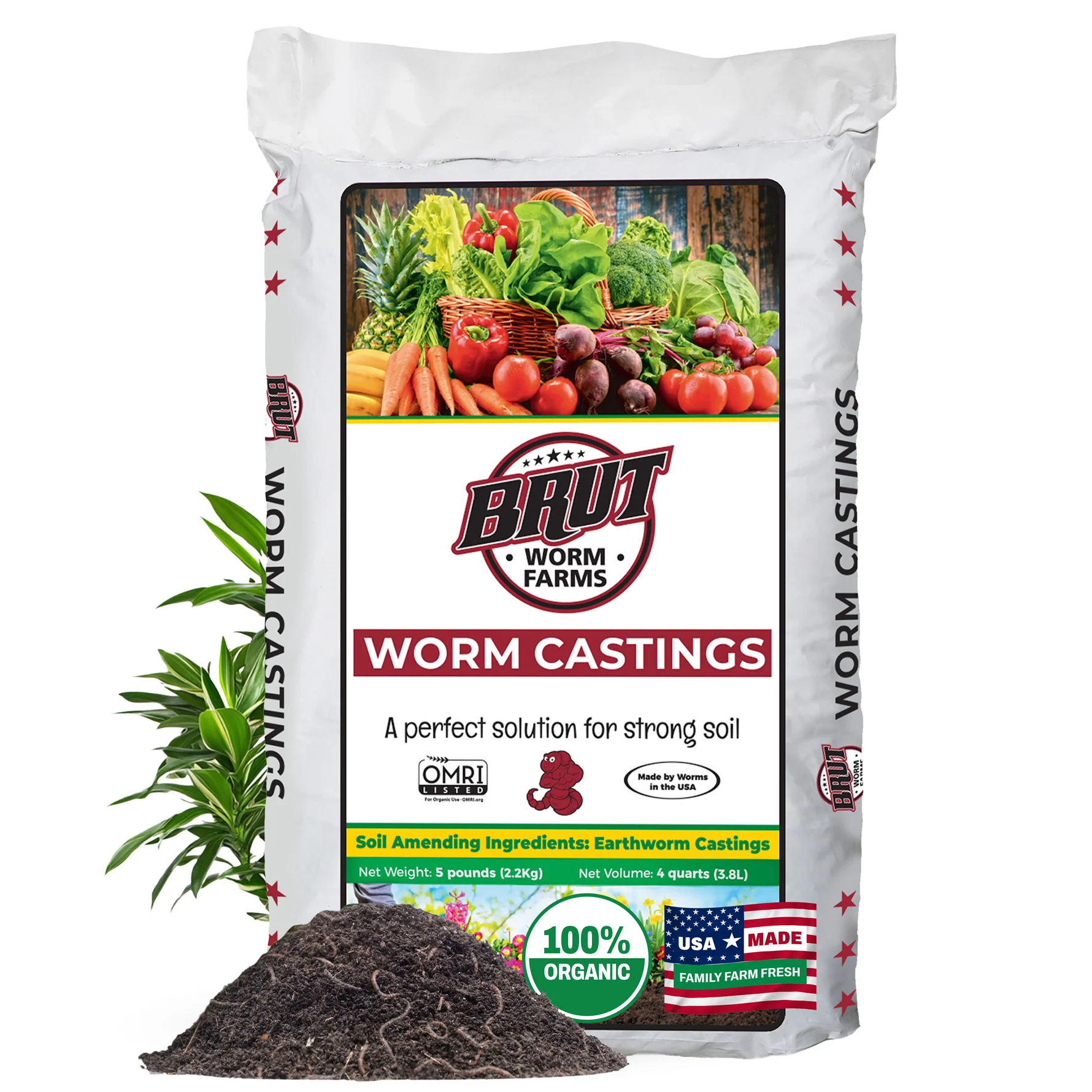
Brut organic worm castings provide mineral-rich, certified organic nutrition to supercharge indoor and outdoor plants. Raised indoors in containers for purity, these castings support lush greenery, vibrant blooms, and bountiful harvests. OMRI and CDFA listed formula helps deliver nature’s nutrients directly to plant roots for healthy growth from root to leaf.
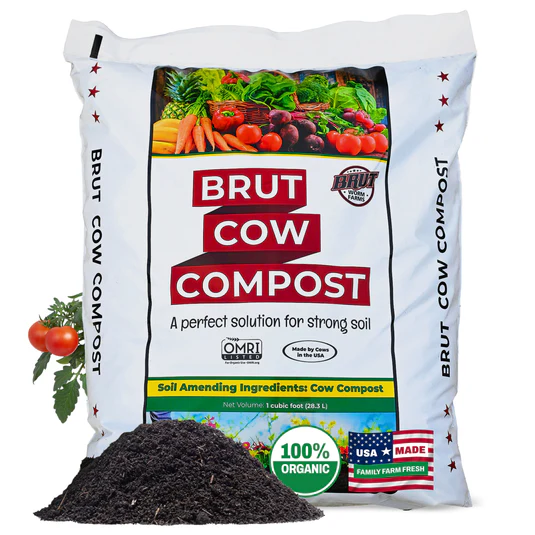
Brut Cow Compost is a nutrient-rich organic soil amendment made from 100% pure, thoroughly composted cow manure. It enriches soil with nitrogen, calcium, and iron, supports beneficial microbial life, and helps plants produce stronger growth. Odor-free and gentle on roots, it can be used for vegetables, flowers, lawns, shrubs, and indoor plants as a top dressing or mixed into garden and potting soil.
Pollination
American persimmon is dioecious: separate male and female trees exist. A female tree requires a nearby male tree within several hundred feet for pollination. Some American persimmon clones are parthenocarpic and produce seedless fruit without pollination, but fruit set is more reliable with a pollinator. Named varieties from nurseries are typically female; ask whether a male pollinator is needed for the specific variety you purchase.
Site and Soil
American persimmon is remarkably adaptable. It grows naturally on roadsides, forest edges, and in poor, dry soil across its range from Connecticut to Florida and west to Kansas. It tolerates clay, sand, and rocky soils. It does not require irrigation once established.
Full sun produces the heaviest crops. Part shade is tolerated but reduces yield. The tree develops a deep taproot and resents transplanting: buy container-grown or carefully handled bareroot trees and disturb the root system as little as possible during planting.
Named Varieties Worth Growing
Wild seedling persimmons produce fruit of variable quality, from excellent to barely palatable. Named selections bred for larger fruit, better flavor, and more reliable production include: Early Golden, Meader, Garretson, Morris Burton, and Yates. These are available from specialty native plant and edible plant nurseries.
Care
Established American persimmon trees require essentially no management beyond harvesting. They do not need regular pruning, spraying, or fertilizing in normal residential conditions. Remove any deadwood during the dormant season using the technique in the how to prune guide. If the tree becomes large and a size reduction is needed, follow the lateral branch rules in the crown reduction guide.
Harvesting and Using the Fruit
Harvest by collecting fallen fruit from the ground, or by shaking branches gently once frost has softened the crop. Fruits can be eaten fresh, dried into persimmon candy, or processed into pulp for baking persimmon pudding and cookies. The deep orange pulp freezes well, extending use through the year.