
How to Grow Cherry Trees: Sweet and Sour Varieties
Cherry trees divide into two distinct categories with different growing requirements, climate tolerance, and uses. Sweet cherries (Prunus avium) produce the large, dark-fruited table cherries sold in grocery stores. Sour cherries (Prunus cerasus) produce smaller, tart fruit used primarily for pies, preserves, and juice. They differ not only in flavor but in hardiness, pollination requirements, and management complexity.
Sweet Cherry vs Sour Cherry: Which to Choose
Sweet cherry requires warm, dry summers for fruit quality and is best suited to USDA zones 5 to 8. It requires cross-pollination from a compatible variety in most cases and grows into a large tree (25 to 40 feet on standard rootstock) that makes netting for bird protection logistically challenging. The fruit is highly desirable to birds and must be harvested promptly.
Sour cherry is the better choice for most home orchardists. It is hardier (zones 4 to 9), self-fertile (no pollinator needed), more compact (15 to 20 feet on standard rootstock), more resistant to the fungal diseases that affect sweet cherry in humid climates, and easier to net. Montmorency, the standard sour cherry variety, is the most widely planted backyard cherry in North America for good reason: it is reliable, productive, and versatile.
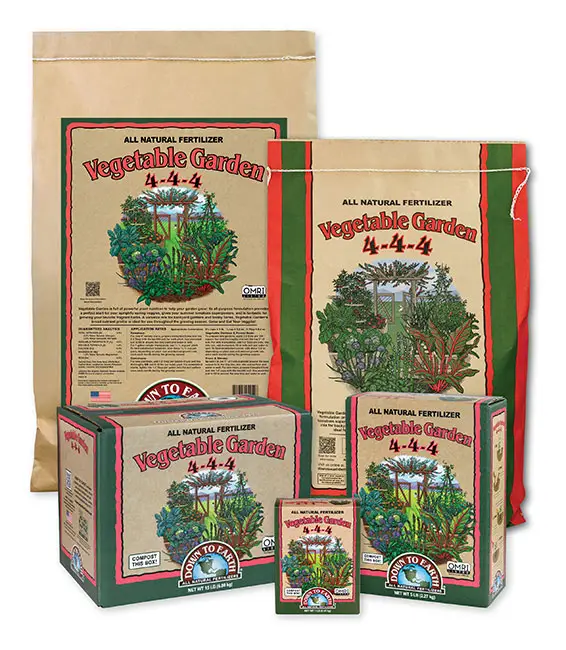
Down to Earth Vegetable Garden is an OMRI-listed, all-natural 4-4-4 fertilizer made to support vigorous foliage growth in greens, herbs, and vegetables while helping improve fruit size and yield for crops like tomatoes. Use it across a wide range of garden needs, including container vegetable gardens, as well as trees and shrubs.
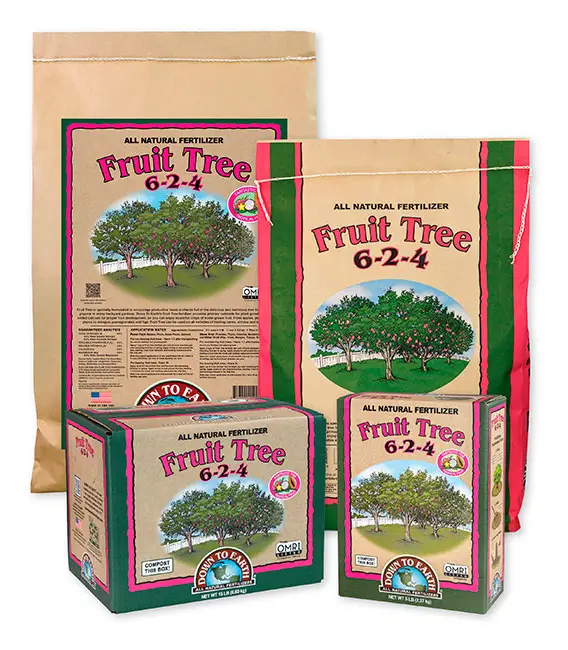
Down To Earth Fruit Tree is an OMRI-listed all-natural organic fertilizer in a 6-2-4 formula to support strong growth and bountiful home orchards. It helps provide primary nutrients for fruit tree development and adds calcium to support proper fruit development for apples, pears, plums, and tropical fruit trees. Suitable for fruiting canes, shrubs, and trees, this fertilizer is designed to encourage productive backyard harvests.
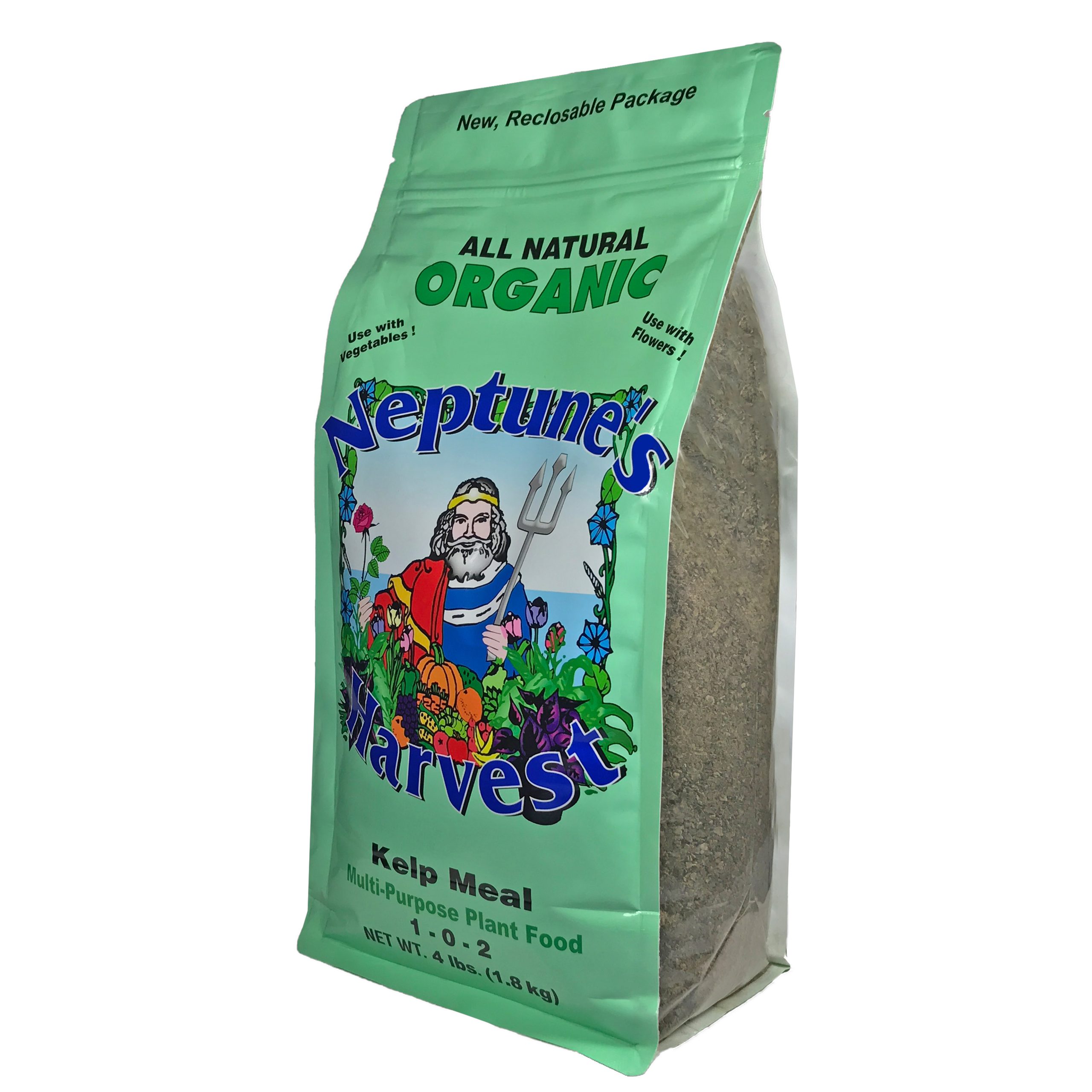
Neptune’s Harvest Organic Kelp Meal (1-0-2) is a dry, all-purpose plant fertilizer made from Norwegian kelp that adds organic matter and essential nutrients to support stronger growth. It promotes healthy roots, helps soil drain while retaining moisture, and boosts plant vitality for vegetables, flowers, lawns, and other plants. Certified OMRI Listed for organic use, it can be tilled into soil or top-dressed for indoor and outdoor gardening.
Pollination
Sweet cherry: Most varieties require cross-pollination from a compatible variety. Compatible pairings must overlap in bloom time. Some sweet cherry varieties, including Stella, Lapins, and Sweetheart, are self-fertile and produce well without a pollinator, which simplifies backyard planting considerably.
Sour cherry: Self-fertile. A single tree produces a full crop.
Site Requirements
Both sweet and sour cherry perform best in full sun with well-drained soil. Poorly drained soils increase the risk of bacterial canker and brown rot. Avoid sites with late spring frost pockets: cherry flowers are frost-sensitive and a single hard frost at bloom eliminates the year’s crop.
Sweet cherry prefers a drier climate; it performs poorly in the high humidity and wet summers of much of the eastern United States. Pacific Northwest, Great Lakes, and upper Midwest locations suit it better. Sour cherry tolerates humid conditions far better than sweet cherry.
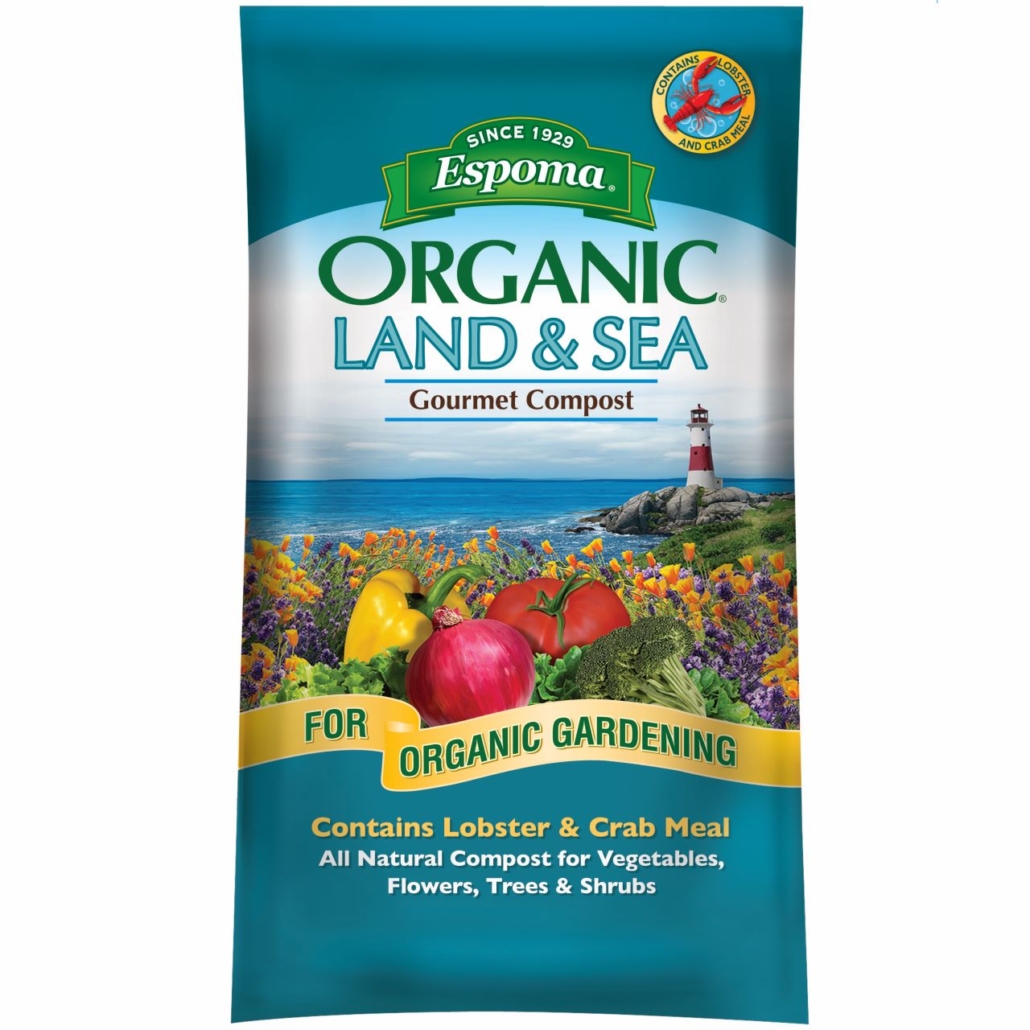
Espoma Organic Land and Sea Gourmet Compost is a rich organic planting mix designed to improve native soil and revitalize container gardens. Enriched with both lobster and crab meal, it supports healthy growth for vegetables, flowers, trees, and shrubs. The blend also includes myco-tone endo and ecto mycorrhizae and contains no synthetic plant foods or chemicals.
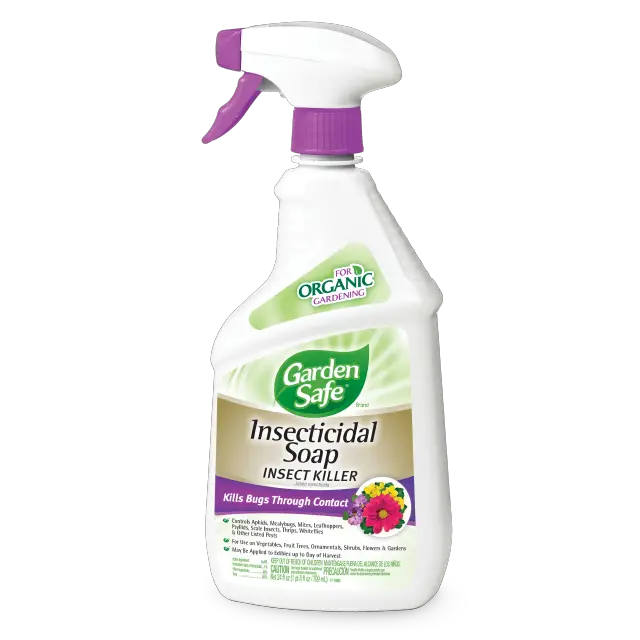
Garden Safe insecticidal soap is a ready-to-use contact spray that kills listed garden pests when sprayed directly on them. It’s formulated for organic gardening and can be used on vegetables, fruit trees, ornamentals, shrubs, flowers, and in indoor, outdoor, and greenhouse applications. For convenience, it may be applied to edibles up to and including the day of harvest.
Rootstock
On Gisela rootstocks (semi-dwarfing), sweet cherry trees reach 12 to 15 feet, begin producing in 3 to 4 years, and remain manageable for netting and harvest. On Mazzard (standard) rootstock, trees reach 25 to 35 feet. Gisela 5 and Gisela 6 are the standard semi-dwarfing rootstocks for backyard sweet cherry.
Training and Pruning
Both sweet and sour cherry are pruned to an open-center (vase-shape) training system. Three to five scaffold branches spread outward from the trunk with no central leader, creating an open bowl-shaped canopy that maximizes light penetration and air circulation.
Prune cherry trees in late summer after harvest. Stone fruit species are susceptible to silver leaf fungal disease when pruned during wet winter conditions. Summer pruning after harvest is the safe window.
Bird Protection
Birds can strip a cherry tree in hours once fruit begins to color. Netting is the only reliable protection. Apply netting before fruit begins to ripen, not after you notice the birds have arrived. Semi-dwarf trees on Gisela rootstocks make netting practical; standard-size trees are difficult to net completely.