
Northern Pecan Tree: Growing, Harvesting, and Care
Pecan (Carya illinoinensis) is the largest of the hickories and produces the most commercially important tree nut in North America. The common perception of pecans as a southern tree is accurate for the commercial varieties that dominate the trade, but a range of northern-adapted varieties extends productive pecan growing into USDA zone 5 and parts of zone 4. For homeowners in the upper Midwest and Great Lakes region, northern pecan varieties open up backyard nut production that was previously considered impossible.
Variety Selection for Northern Climates
Commercial pecan production in Texas, Georgia, and the Deep South uses large-nut, high-yield varieties with long growing seasons that do not suit northern climates. Northern pecan varieties were selected specifically for their ability to mature nuts within the shorter growing season of zone 5 and 6.
The most reliably productive northern varieties include: Kanza (widely considered the best zone 5 pecan), Major, Peruque, Colby, and Mullahy. These varieties mature nuts within 150 to 170 days, fitting within the growing season of the upper Midwest and Ohio Valley.
All pecans require cross-pollination. Pecan catkins and pistillate flowers do not open simultaneously on the same tree (a phenomenon called dichogamy), so a single tree is largely self-infertile. Plant at least two varieties with compatible pollen timing. Nurseries and extension publications for your region identify variety pairing combinations.
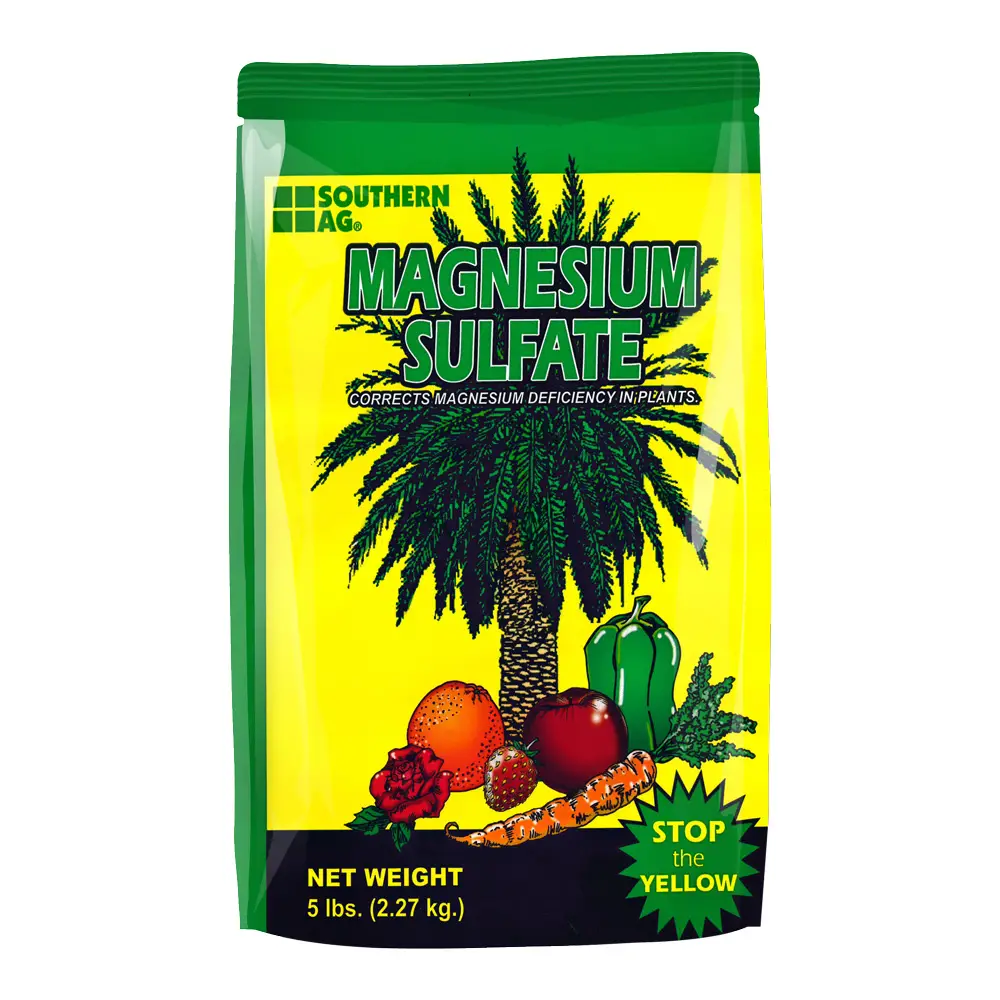
Root 98 Warehouse Southern Ag Magnesium Sulfate is a dry, water-soluble fertilizer for correcting magnesium deficiency in shrubs and trees. It helps acidify soils with less risk of staining and is designed for use on citrus, palms, trees, shrubs, annuals, and turf. Apply by spreading over the treatment area and watering in; do not mix or spray.
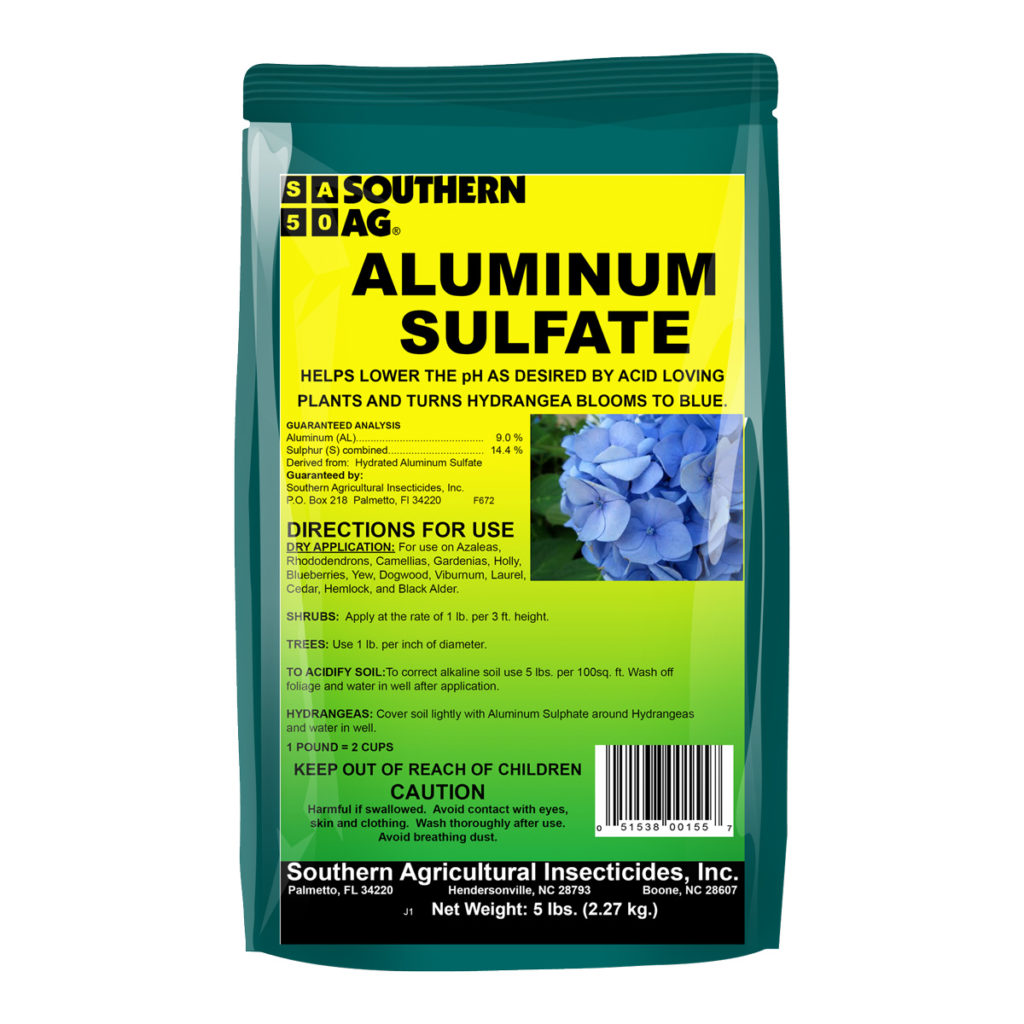
Southern Ag Aluminum Sulfate is a soil acidifier that helps lower pH and corrects high alkalinity, making it ideal for acid-loving plants. It’s great for hydrangeas and other shrubs and trees that prefer acidic conditions, including rhododendrons, blueberries, azaleas, and more. Broadcast evenly and wash off foliage, then water after application.
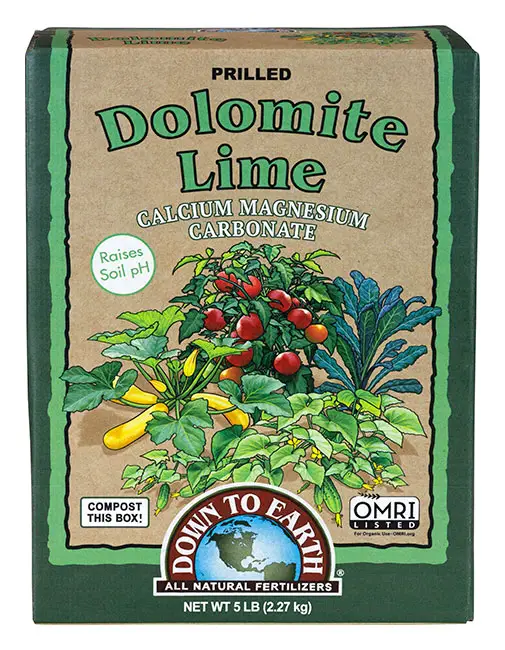
Down To Earth Organic Prilled Dolomite Lime helps raise acidic soil pH for better nutrient uptake and healthier vegetable gardens. Its rich calcium and magnesium support strong cell walls, root growth, and overall plant performance. OMRI listed for organic use, the prilled granules spread easily and act quickly while improving soil structure and microbial activity.
Site and Soil
Pecans are large trees at maturity: 70 to 100 feet tall with a spreading canopy. Site selection requires a clear, open space well away from buildings and underground utilities. Deep, well-drained soil is essential: pecan has a deep taproot that requires 3 to 4 feet of penetrable soil. Heavy clay or shallow soils over hardpan do not support productive pecan growth.
Soil pH of 6.0 to 7.0 is optimal. Pecan is sensitive to zinc deficiency, which presents as rosette, a condition where small, mottled leaves cluster at the tips of branches. Annual zinc sulfate applications are a standard management practice in pecan production.
Time to First Harvest
Northern pecan varieties typically produce their first modest crop in years 6 to 10 after planting. Full production develops by years 12 to 15. The long establishment period is the main limiting factor for homeowners: pecan is an investment in a future harvest rather than a quick-returning productive tree.
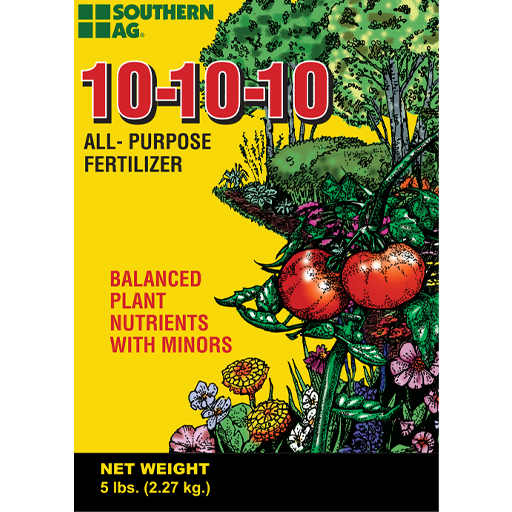
Southern Ag All Purpose Granular Fertilizer 10-10-10 helps nourish lawns, flower beds, vegetables, and trees with a balanced blend of essential nutrients. The granular formula is designed for easy application and supports healthy growth across a wide range of plants and seasons. Follow label directions to sweep off any granules from hard surfaces and water plants well after applying.
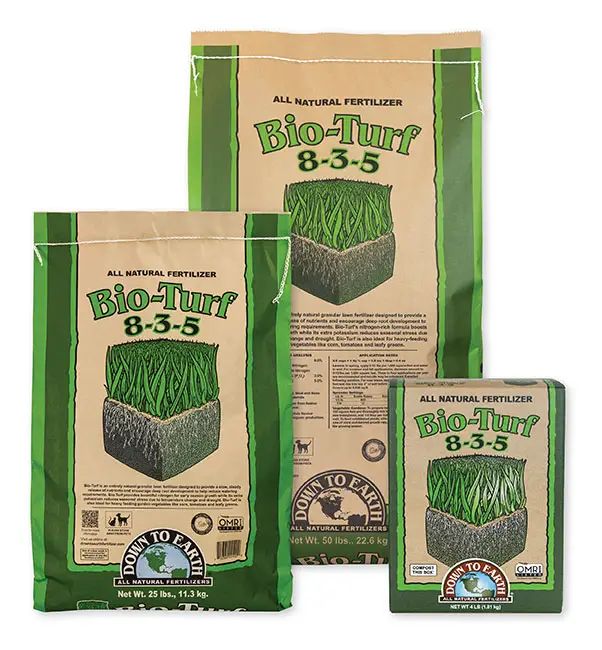
Down to Earth Bio-Turf is an all-natural 8-3-5 organic fertilizer, OMRI listed for use in organic production. It helps encourage deep root development to support greener, stronger growth while reducing watering needs and stress from heat or drought. Ideal for lawns, landscape ornamentals, and heavy-feeding garden vegetables and flowerbeds.
Fertilizing
Pecans benefit from annual fertilizing with a balanced fertilizer plus supplemental zinc. Apply 10-10-10 or similar granular fertilizer at the drip line in early spring. In the absence of a soil test, apply zinc sulfate at 2 to 4 lbs per tree per year once production begins. Zinc deficiency is so common in pecan production that preventive zinc application is standard practice regardless of visible symptoms.
Harvesting
Pecans ripen from late September through November depending on variety and climate. Hulls split and the nuts fall naturally when ripe. Collect from the ground promptly: delay increases losses to squirrels and rodents. Use a nut harvester roller for efficient collection under large trees.
Cure harvested pecans for two to three weeks in a single layer at room temperature before cracking. Cured nuts are easier to crack cleanly and have longer storage life.