
How to Grow Pawpaw Trees: Planting and Care Guide
Pawpaw (Asimina triloba) is the largest edible fruit native to North America. Its flavor, a custardy blend of banana, mango, and vanilla, makes it one of the most distinctive fruits available to home growers. Pawpaw occupies an unusual position in the landscape: it is native to the eastern United States but rarely available commercially because the fruit is too fragile and perishable for the supply chain. Growing it at home is genuinely the best way to experience it.
Pawpaw is relatively easy to establish once its specific requirements are understood. The two most commonly violated requirements are shade at establishment and cross-pollination for fruiting.
Shade at Establishment
Young pawpaw trees require shade for their first one to two years. In their native habitat, pawpaws are understory trees that germinate and establish beneath forest canopy. Exposing newly planted pawpaws to full sun causes leaf scorch and plant stress that can kill the seedling.
In the landscape, plant young pawpaws where they receive dappled shade or filtered light for the first one to two growing seasons. Once established, pawpaws tolerate full sun and actually produce more fruit in full sun than in shade. A temporary shade cloth structure, or planting temporarily in a location with morning sun and afternoon shade, solves the establishment problem for trees that will eventually be positioned in full sun.
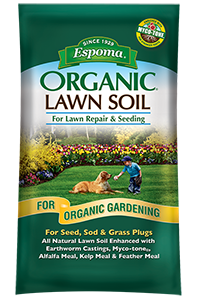
Espoma Organic Lawn Soil is an all-natural organic soil mix designed to promote seed germination and help new sod establish. It contains earthworm castings, alfalfa meal, kelp meal, and feather meal, enhanced with Espoma MYCO-TONE, a blend of endo and ecto mycorrhizae fungi. Use it anytime you sow new grass seed or install sod for organic gardening results with no synthetic plant foods or chemicals.
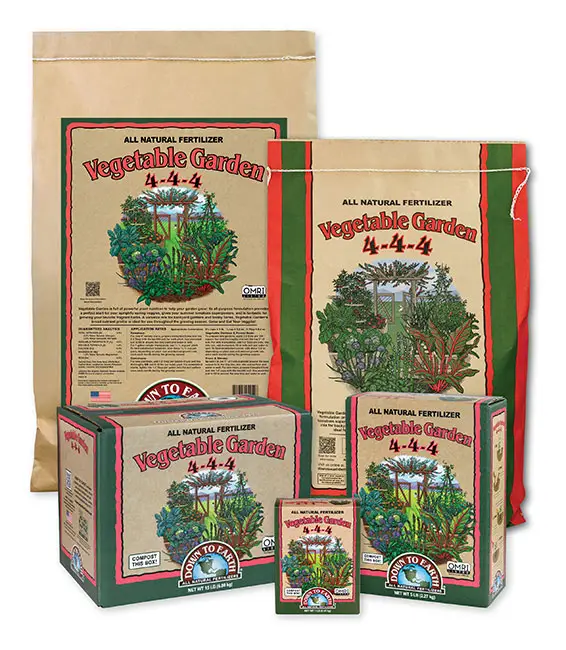
Down to Earth Vegetable Garden is an OMRI-listed, all-natural 4-4-4 fertilizer made to support vigorous foliage growth in greens, herbs, and vegetables while helping improve fruit size and yield for crops like tomatoes. Use it across a wide range of garden needs, including container vegetable gardens, as well as trees and shrubs.
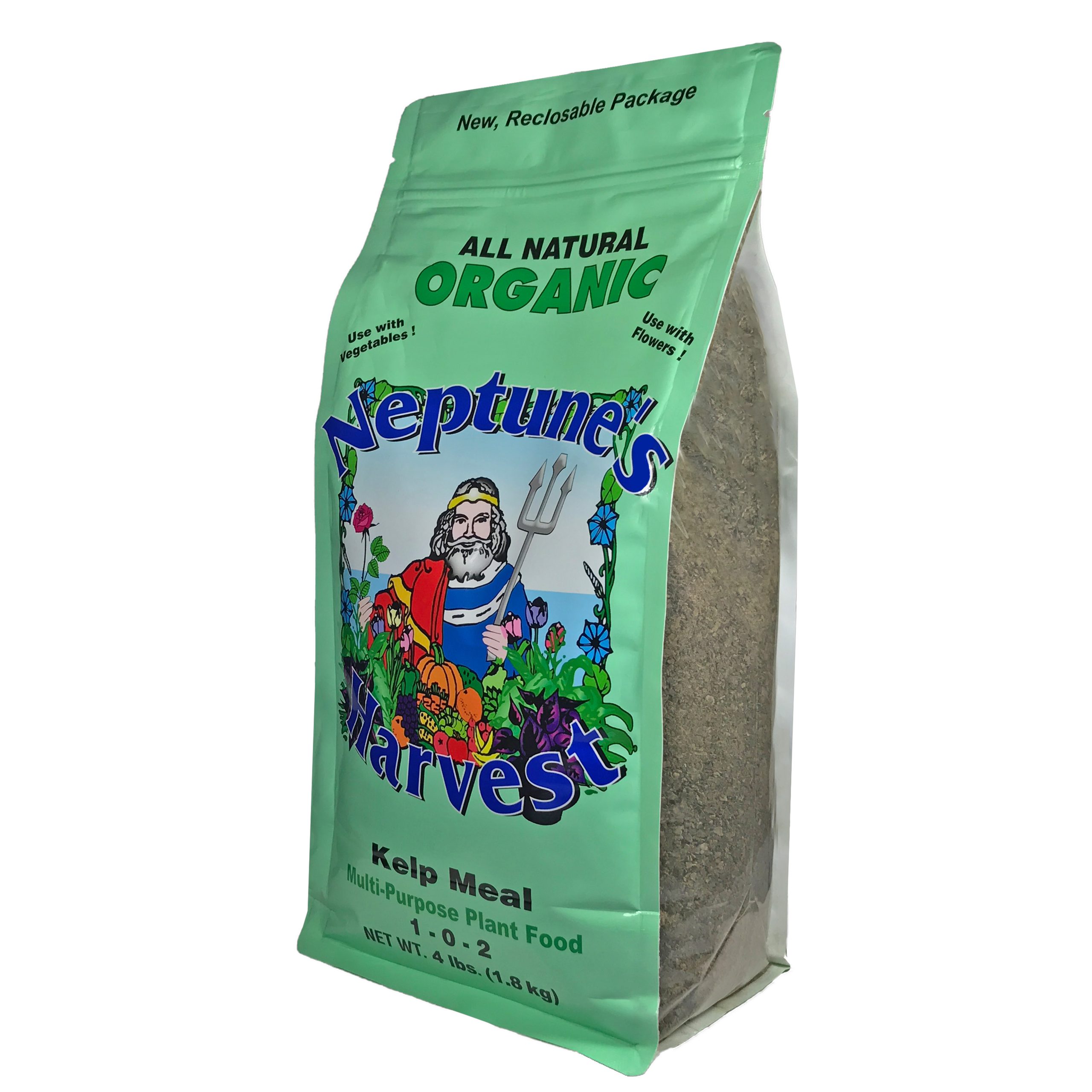
Neptune’s Harvest Organic Kelp Meal (1-0-2) is a dry, all-purpose plant fertilizer made from Norwegian kelp that adds organic matter and essential nutrients to support stronger growth. It promotes healthy roots, helps soil drain while retaining moisture, and boosts plant vitality for vegetables, flowers, lawns, and other plants. Certified OMRI Listed for organic use, it can be tilled into soil or top-dressed for indoor and outdoor gardening.
Cross-Pollination
Pawpaw flowers are self-incompatible: a single pawpaw tree will not set fruit reliably. Two genetically distinct trees (not two sprouts from the same root system) are required for cross-pollination. Plant at least two named varieties from different genetic lines within 30 to 60 feet of each other.
Pawpaw flowers are pollinated by flies and beetles rather than bees. In areas with low pollinator activity, hand pollination using a small brush to transfer pollen between flowers significantly improves fruit set.
Commonly available named varieties include Shenandoah, Susquehanna, Mango, Allegheny, and Sunflower. Named varieties produce more consistently sized and flavored fruit than seedling trees.
Site and Soil
Pawpaws grow naturally in bottomland soils that are moist, fertile, and slightly acidic (pH 5.5 to 7.0). Deep, well-drained loamy soil produces the best results, though pawpaw tolerates a range of soil types with adequate drainage. It does not tolerate standing water.
Pawpaws are hardy from USDA zones 5 to 9. Cold hardiness is good once the tree is established, though early spring flowers are frost-sensitive: late frosts after flower emergence reduce fruit set.
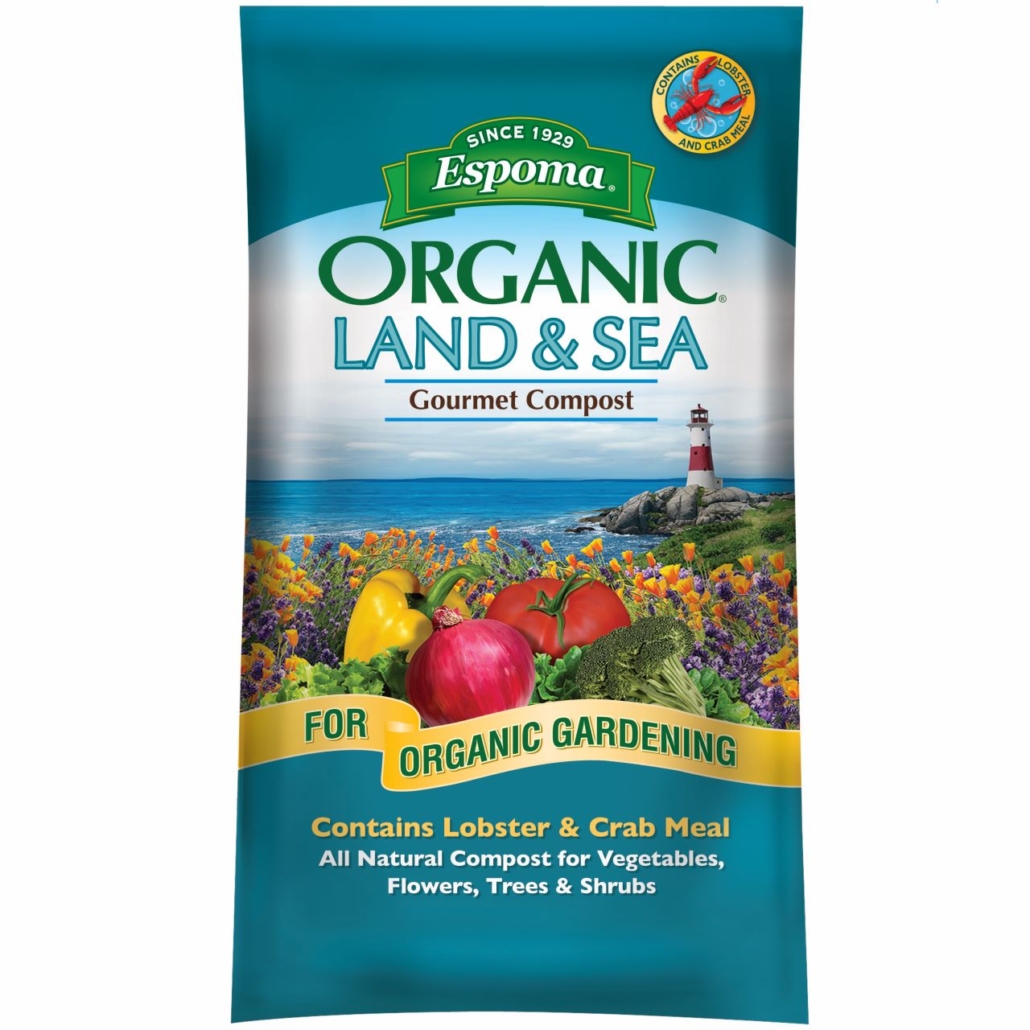
Espoma Organic Land and Sea Gourmet Compost is a rich organic planting mix designed to improve native soil and revitalize container gardens. Enriched with both lobster and crab meal, it supports healthy growth for vegetables, flowers, trees, and shrubs. The blend also includes myco-tone endo and ecto mycorrhizae and contains no synthetic plant foods or chemicals.
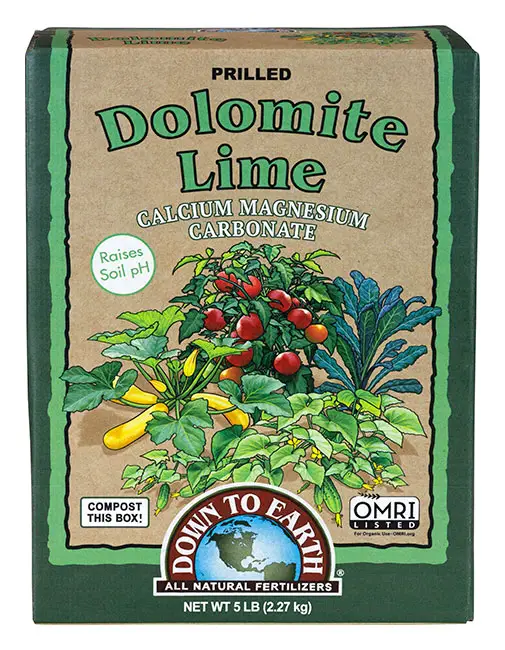
Down To Earth Organic Prilled Dolomite Lime helps raise acidic soil pH for better nutrient uptake and healthier vegetable gardens. Its rich calcium and magnesium support strong cell walls, root growth, and overall plant performance. OMRI listed for organic use, the prilled granules spread easily and act quickly while improving soil structure and microbial activity.
Planting
Pawpaws develop a deep, fleshy taproot that is sensitive to transplanting. Container-grown or carefully handled bareroot trees establish far better than field-dug specimens. Plant in spring after frost risk has passed. Dig a hole twice the width of the root ball, set the tree at the original container depth, and backfill with native soil.
Do not apply high-nitrogen fertilizer in the establishment year: it stimulates excessive top growth relative to root development.
After Establishment
Once pawpaws reach productive age, typically 3 to 5 years from planting for named varieties, they require minimal care. Maintain a mulched ring under the canopy, water during extended drought, and remove competing vegetation from the root zone. Annual fertilizing with a balanced organic fertilizer in early spring maintains productivity.
Harvest in late summer to fall when fruits yield to gentle pressure, similar to testing an avocado for ripeness. Ripe pawpaws store for only a few days at room temperature; refrigerate to extend shelf life to two to three weeks.