
How to Grow Apple Trees in Your Backyard
Apple trees reward consistent management with decades of productive harvests. Unlike many fruit crops that require significant inputs and expertise, backyard apple growing at the hobby scale is achievable for most homeowners with basic technique and the willingness to do annual dormant pruning. The investment of time per tree per year is modest: a few hours of dormant pruning in late winter, a few spray applications in spring if disease pressure is significant, and harvest work in fall.
Rootstock: The Single Most Important Selection Decision
Every named apple variety is grafted onto a rootstock that determines the tree’s ultimate size, how quickly it begins producing, and its performance on your specific soil. Choosing the wrong rootstock for your situation creates management difficulties that cannot be corrected later.
Semi-dwarfing rootstocks (M.7, M.26, MM.106, MM.111): Trees reach 10 to 15 feet in height. Begin producing in 3 to 5 years. Good productivity per unit of space. Require staking at planting but become self-supporting within a few years. MM.106 and MM.111 are more drought and wet-soil tolerant than M.7 and M.26. The best all-around choice for most homeowners.
Dwarfing rootstocks (M.9, G.11, G.41): Trees reach 6 to 10 feet. Begin producing in 2 to 4 years. Very high productivity relative to tree size. Require permanent staking and rely on high soil fertility and consistent moisture. Best in prepared, mulched planting beds with irrigation. The choice for intensive backyard orchards and container growing.
Full-size (standard) rootstocks: Trees reach 25 to 35 feet, take 6 to 10 years to begin producing, and are very long-lived but difficult to manage without ladders. Not recommended for most homeowners.
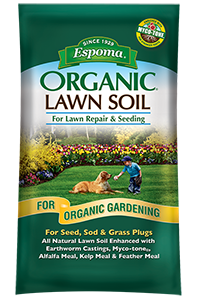
Espoma Organic Lawn Soil is an all-natural organic soil mix designed to promote seed germination and help new sod establish. It contains earthworm castings, alfalfa meal, kelp meal, and feather meal, enhanced with Espoma MYCO-TONE, a blend of endo and ecto mycorrhizae fungi. Use it anytime you sow new grass seed or install sod for organic gardening results with no synthetic plant foods or chemicals.
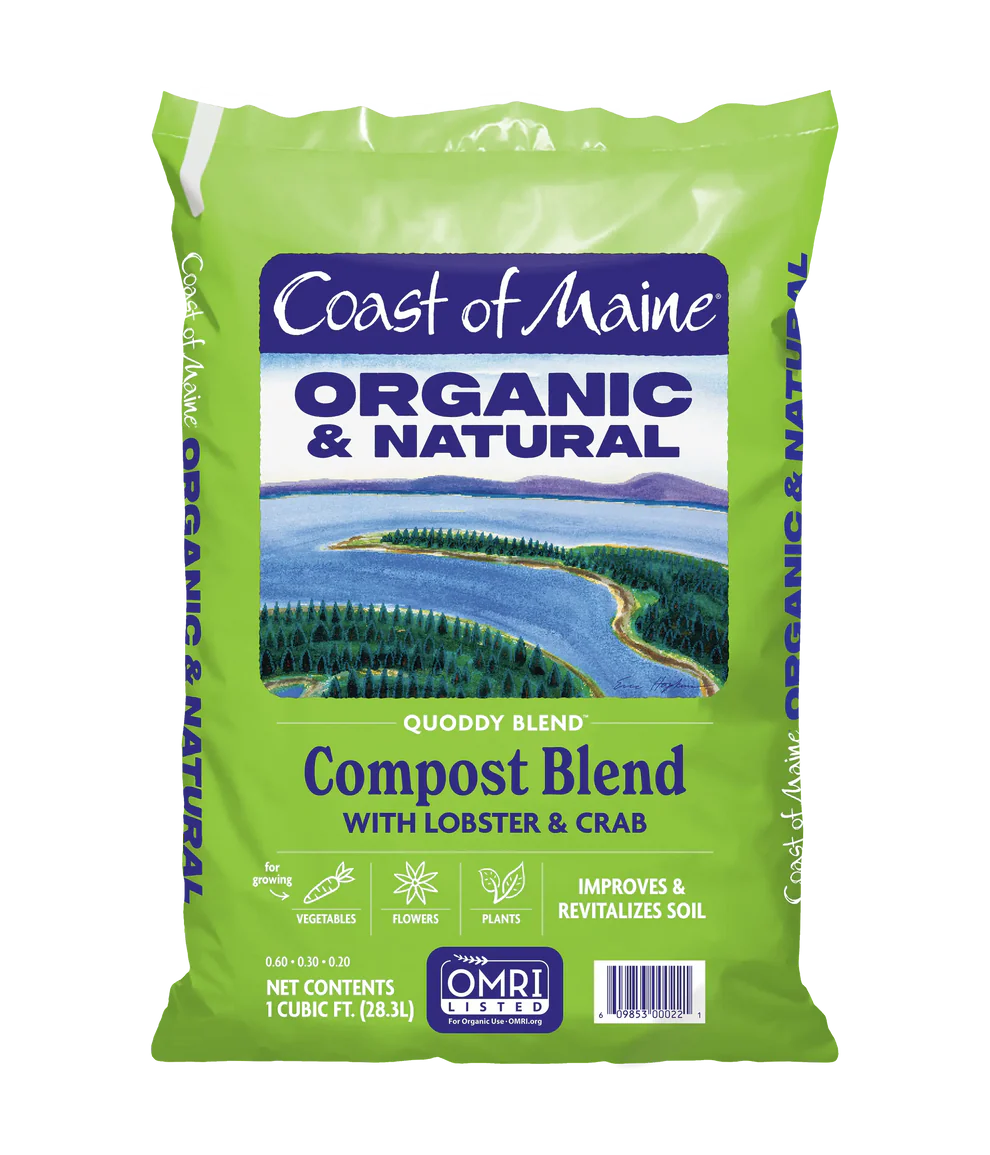
Coast of Maine’s Organic & Natural Quoddy Blend is a premium seafood compost made from lobster and crab shell meal, composted manure, and peat moss to enrich garden soil. It improves soil structure by supporting better drainage, aeration, and water retention for healthier root development. OMRI listed for organic use, it’s a versatile choice for gardens, beds, borders, trees, shrubs, and foliage.
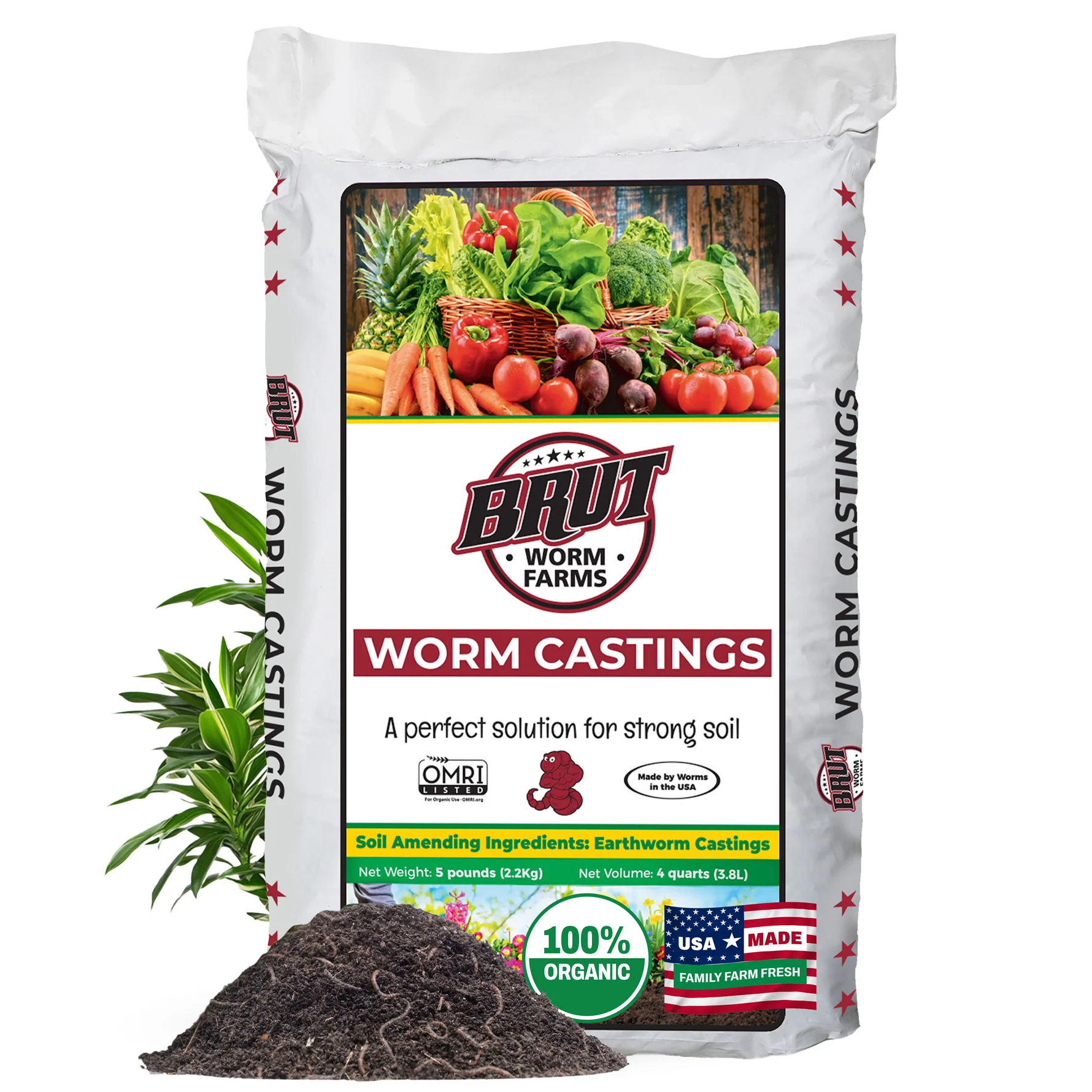
Brut organic worm castings provide mineral-rich, certified organic nutrition to supercharge indoor and outdoor plants. Raised indoors in containers for purity, these castings support lush greenery, vibrant blooms, and bountiful harvests. OMRI and CDFA listed formula helps deliver nature’s nutrients directly to plant roots for healthy growth from root to leaf.
Variety Selection and Pollination
Most apple varieties require cross-pollination from a compatible variety that blooms at the same time. A few varieties including Jonagold, Winesap, and Gravenstein produce sterile pollen and cannot serve as pollinators. Plant at least two compatible varieties within 50 feet of each other.
Variety selection depends on your climate zone, desired harvest timing, and use preference (fresh eating, cooking, or cider). Disease resistance is a practical consideration: varieties with genetic resistance to apple scab, cedar-apple rust, and fire blight require far less spraying than susceptible varieties. Disease-resistant varieties include Liberty, Enterprise, Honeycrisp, GoldRush, and numerous others available from specialty nurseries.
Planting
Plant in early spring from bareroot stock, which is the most economical and widely available form for apple trees. See the how to plant a tree guide for hole sizing, root flare positioning, and establishment care. The root flare must be above soil level; the graft union must be at least 2 inches above the soil surface.
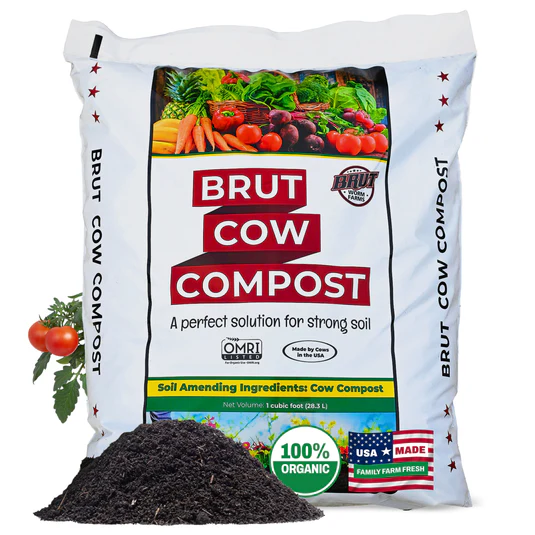
Brut Cow Compost is a nutrient-rich organic soil amendment made from 100% pure, thoroughly composted cow manure. It enriches soil with nitrogen, calcium, and iron, supports beneficial microbial life, and helps plants produce stronger growth. Odor-free and gentle on roots, it can be used for vegetables, flowers, lawns, shrubs, and indoor plants as a top dressing or mixed into garden and potting soil.
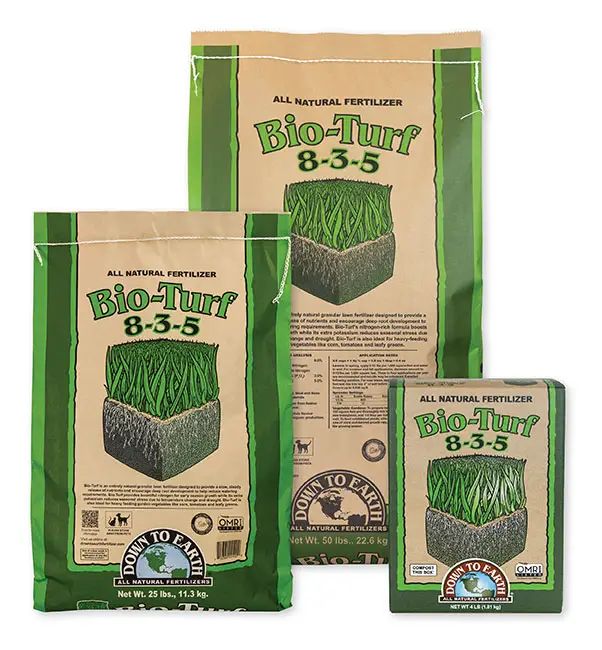
Down to Earth Bio-Turf is an all-natural 8-3-5 organic fertilizer, OMRI listed for use in organic production. It helps encourage deep root development to support greener, stronger growth while reducing watering needs and stress from heat or drought. Ideal for lawns, landscape ornamentals, and heavy-feeding garden vegetables and flowerbeds.
Pruning and Training
The central leader training system, with a single dominant main stem and scaffold branches at spaced tiers, suits apples on semi-dwarfing rootstocks. Dormant pruning in late winter removes crossing branches, maintains tier spacing, and manages the balance between vegetative growth and fruiting spur development.
The full technique for fruit tree pruning including spur management, scaffold training, and how to avoid triggering excessive vegetative regrowth is covered in the pruning fruit trees guide.
Common Problems
Apple scab (Venturia inaequalis) is the most widespread apple disease, causing dark scabby lesions on fruit and leaves. Resistant varieties eliminate this problem entirely. For susceptible varieties, fungicide applications timed to the green tip through petal fall growth stages provide control.
Fire blight spreads during bloom in wet spring weather. Keep nitrogen fertilizing moderate to avoid the soft growth most susceptible to infection.