
Rhododendron and Azalea Growing Guide: Soil, Care, and Flowering
Rhododendrons and azaleas are two of the most widely grown flowering shrubs in North American and European gardens. Both belong to the genus Rhododendron in the family Ericaceae, making them closely related ericaceous shrubs that share a fundamental requirement for acidic, well-drained soil with a pH between 4.5 and 6.0. Where the two diverge is in their hardiness range, flower type, deciduous versus evergreen habit, and the way they respond to pruning. Understanding both the shared requirements and the meaningful differences is the foundation of growing either plant successfully.
Shared Cultural Requirements
Both rhododendrons and azaleas grow best in acidic soil, dappled or partial shade, and consistently moist but well-drained conditions. They have shallow, fibrous root systems that cannot penetrate compacted, waterlogged, or alkaline soils. In neutral to alkaline conditions, they develop iron chlorosis: the characteristic yellowing of leaves between the veins while the veins themselves remain green, caused by iron being locked into an insoluble form the roots cannot absorb.
Ericaceous compost, acidified garden soil, and mulching with pine bark or acidic organic matter maintain the root zone conditions these plants need. Annual pH testing and adjustment with elemental sulfur or aluminum sulfate keeps the soil in the correct range as it drifts toward the local baseline over time. The specific acidification methods and rates are covered in the soil acidification guide.
Both plants are sensitive to root disturbance: plant them at the same depth they grew in the nursery pot, never deeper, because burying the stem above the root flare causes bark decay. Planting in raised beds or mounded soil improves drainage around the shallow root ball and reduces the risk of root rot in heavy soils.
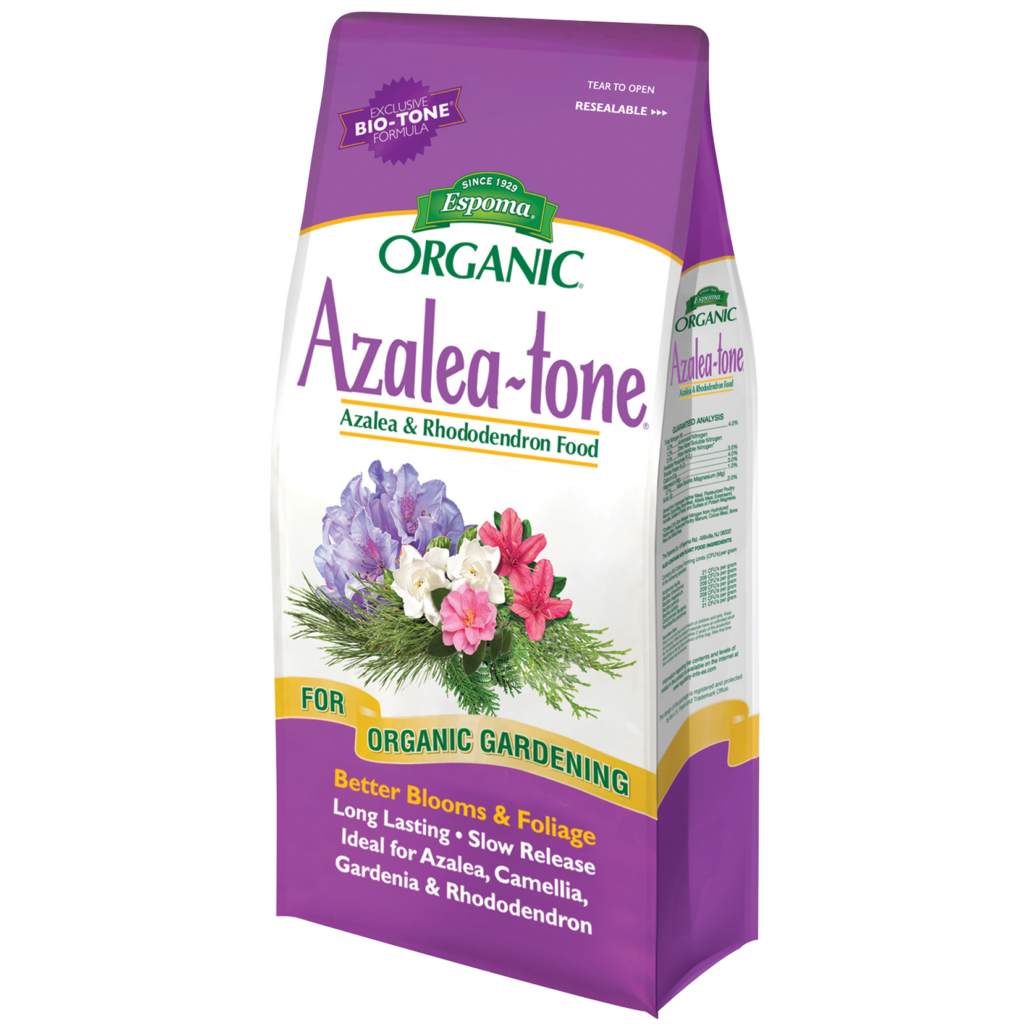
Espoma Organic Azalea-Tone is a natural and organic fertilizer designed for azaleas and flowering evergreen shrubs. Its slow-release formula helps promote deep green color and bigger blooms while elemental sulfur aids in acidifying the soil. Enhanced with humates and beneficial microbes, it delivers consistent, quality feeding with no sludges or fillers.
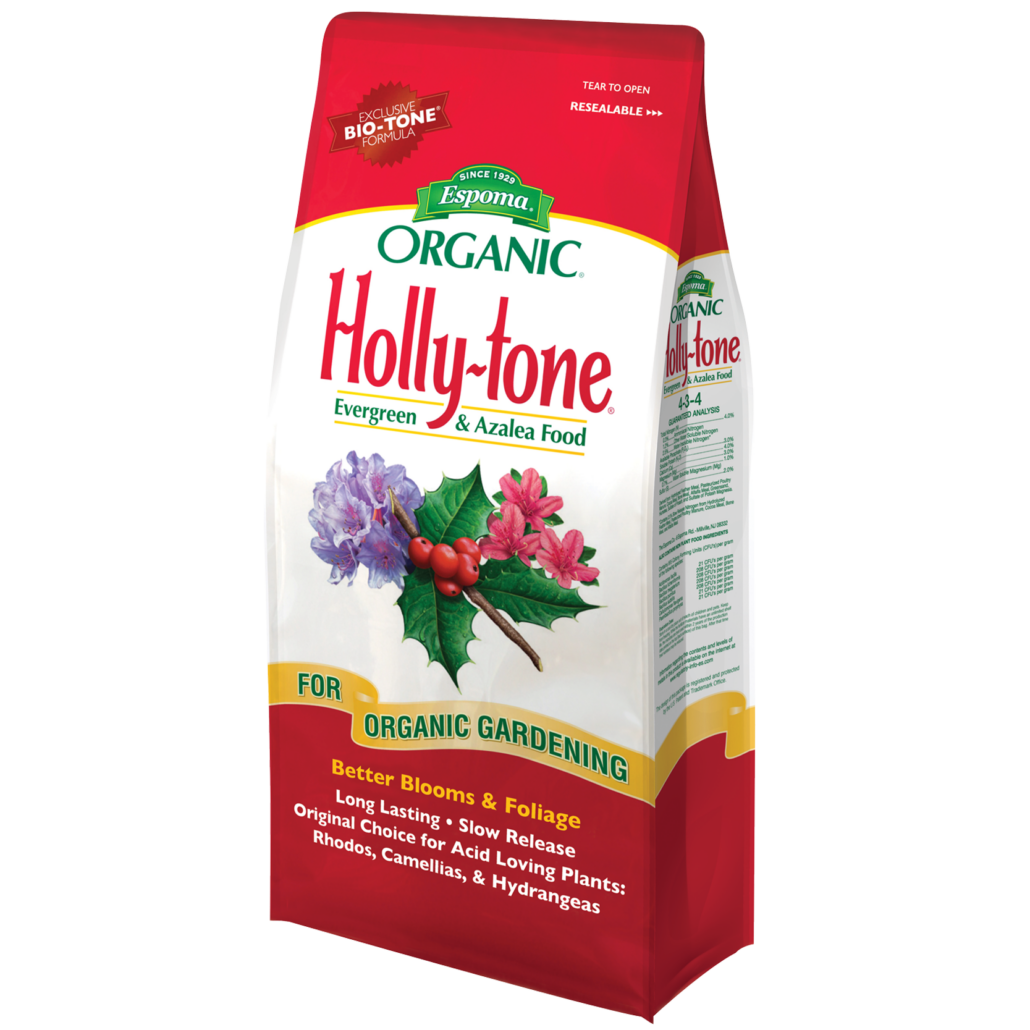
Espoma Organic Holly-Tone is the original plant food for all acid-loving plants, delivering deep green color and bigger blooms. This natural and organic, long-lasting slow-release formula helps acidify soil with elemental sulfur and supports healthy growth with humates and beneficial microbes. It’s made without sludges or fillers and is safe for people, pets, and the planet.
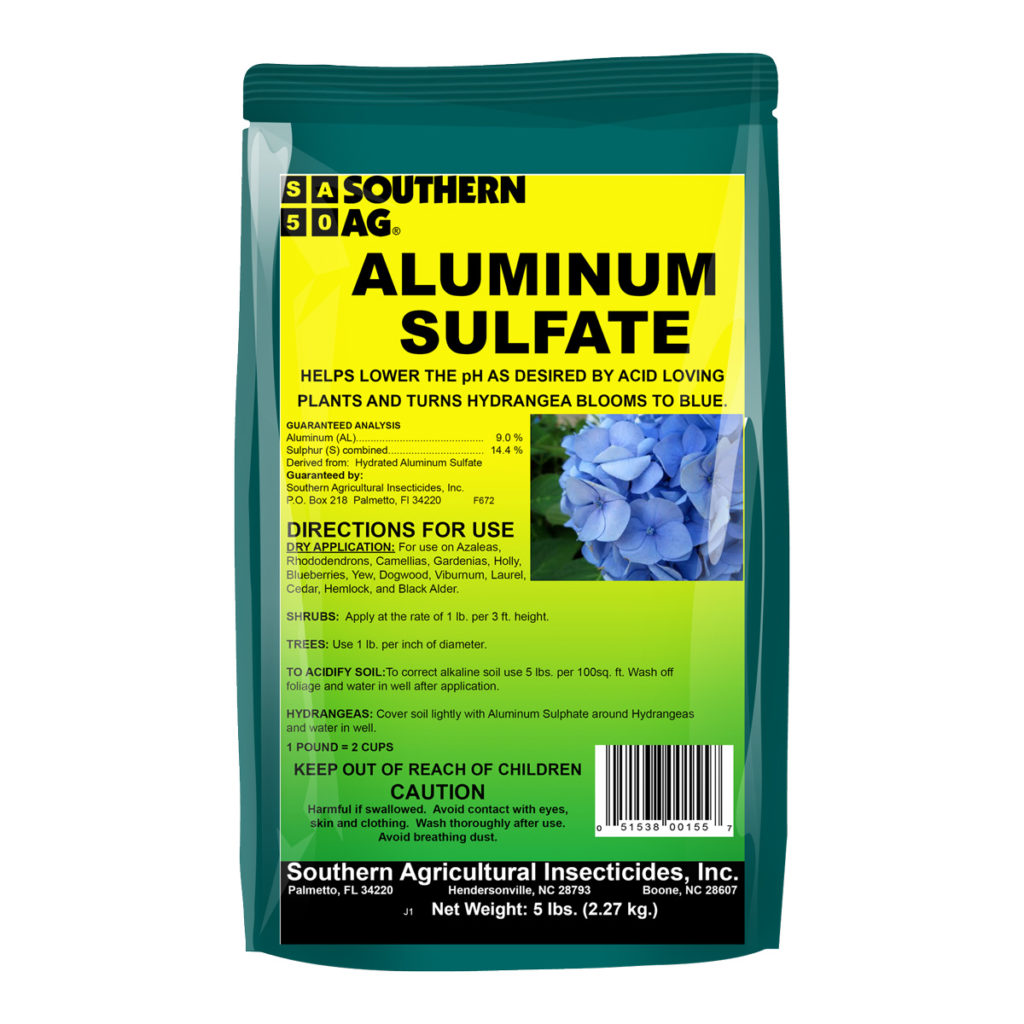
Southern Ag Aluminum Sulfate is a soil acidifier that helps lower pH and corrects high alkalinity, making it ideal for acid-loving plants. It’s great for hydrangeas and other shrubs and trees that prefer acidic conditions, including rhododendrons, blueberries, azaleas, and more. Broadcast evenly and wash off foliage, then water after application.
Key Differences Between Rhododendrons and Azaleas
The botanical distinction between rhododendrons and azaleas within the Rhododendron genus involves flower structure, leaf characteristics, and growth habit, but for practical gardening purposes the most relevant differences are:
Deciduous vs evergreen: Most azaleas sold in garden centers are deciduous, dropping their leaves in autumn and regaining them in spring. Most rhododendrons in cultivation are evergreen, holding their leaves year-round. Deciduous azaleas tend to produce a spectacular autumn foliage display before leaf drop.
Flower size and form: Azalea flowers are typically funnel-shaped and more delicate in appearance. Rhododendron flowers form larger, bell-shaped clusters with more individual florets per truss.
Hardiness: Some deciduous azalea species are hardy to USDA zone 4 or even zone 3. Most large-leafed rhododendrons are less cold-hardy, performing best in zones 5 through 9.
The full comparison including visual identification features is covered in the rhododendron vs azalea guide.
Pruning Considerations
Pruning timing matters for both plants. Azaleas and most rhododendrons bloom in spring or early summer on buds set the previous year. Pruning immediately after flowering, before the plant begins setting new buds for the following season, preserves flowering potential. Pruning in late summer or autumn removes the buds already set. Detailed pruning technique by species is covered in the pruning azaleas guide and the pruning rhododendrons guide.
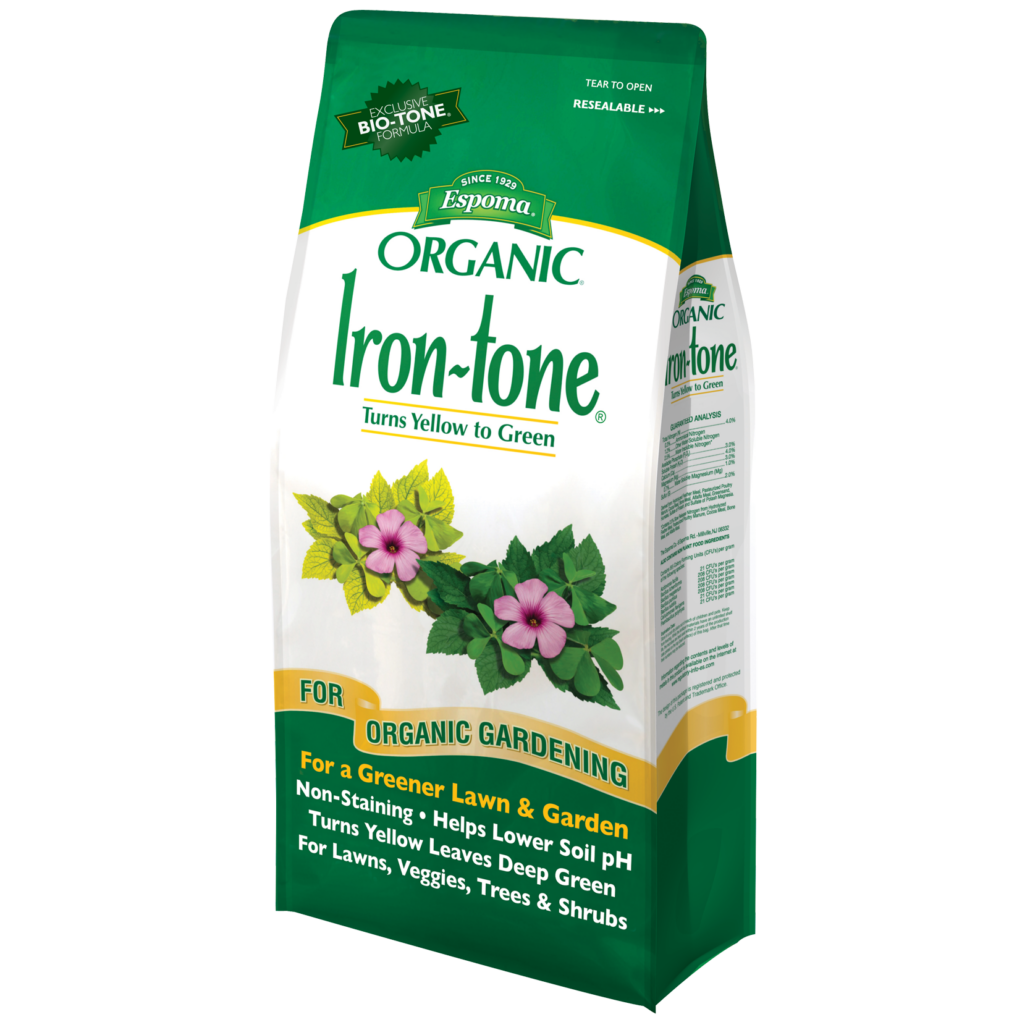
Espoma Organic Iron-Tone is a 3-0-3 organic fertilizer and plant food designed to help correct iron deficiency (chlorosis) by turning yellow leaves back to deep green. It contains 6% iron and 17% sulfur and is ready to use with no mixing. Suitable for lawns, shrubs, trees, and flowers, it is environmentally safe, non-staining on patios and walkways, and approved for organic gardening.
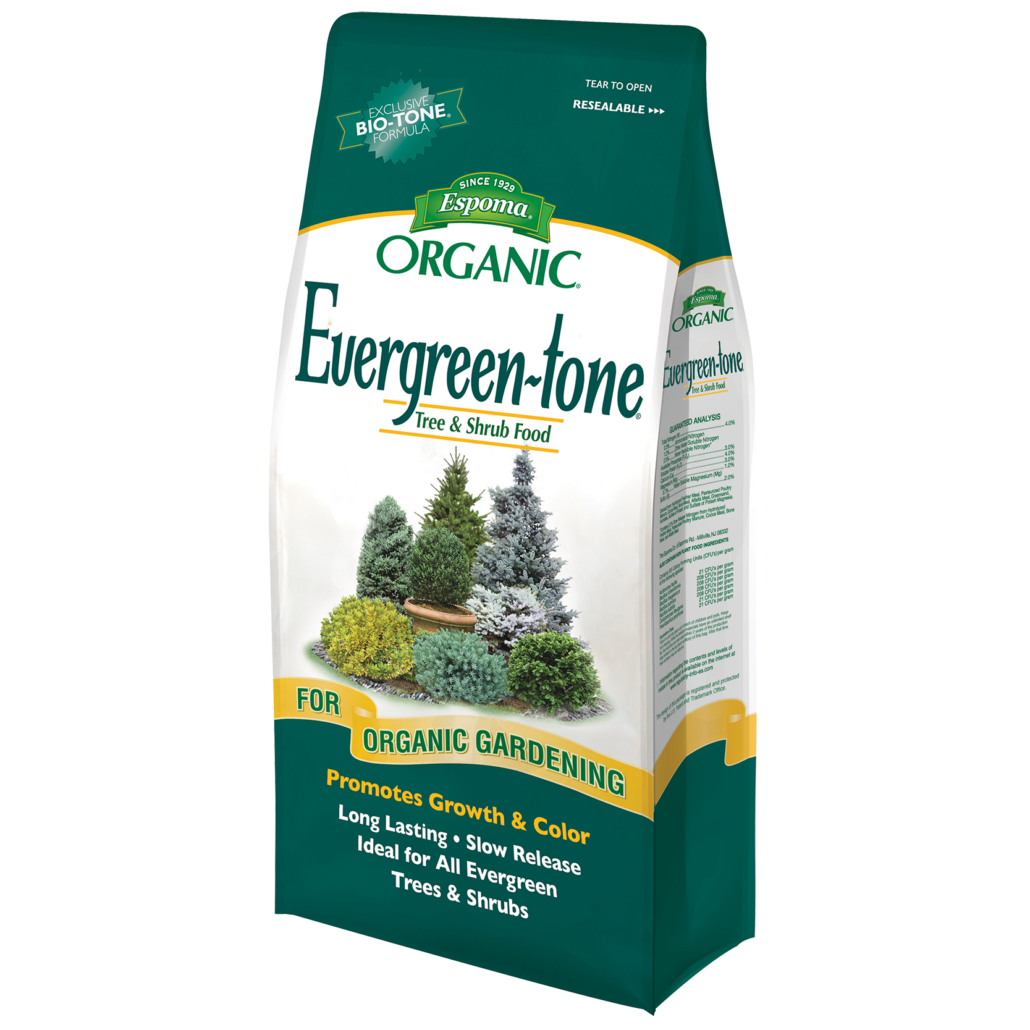
Evergreen-Tone is a rich blend of natural and organic ingredients enhanced with humates and beneficial microbes to support evergreen trees and shrubs. It promotes deep green foliage with long-lasting slow-release feeding, helping acidify the soil with elemental sulfur. Made with no sludges or fillers, it’s designed for consistent, quality results and is safe for people, pets, and the planet.