
Azalea Leaves Turning Brown: Causes and How to Fix It
Brown leaves on an azalea usually have a diagnosable and fixable cause. The key is reading the pattern of browning accurately, because different causes produce different patterns, and matching the symptom to the cause determines the correct response.
Brown Leaf Tips and Margins: Drought Stress or Leaf Scorch
Browning that begins at the leaf tips and margins and progresses inward while the rest of the leaf stays green is typically drought stress or leaf scorch. Azaleas have shallow, fibrous root systems that are sensitive to soil moisture fluctuations. In hot, dry weather or in sandy, fast-draining soil, the roots cannot draw enough water to replace what the leaves lose through transpiration. The outer leaf tissue dies first, producing the brown margin pattern.
Leaf scorch from intense afternoon sun produces the same symptom. Azaleas planted in full sun in hot climates, or in positions where a building reflects heat onto the foliage, frequently show leaf scorch even when soil moisture is adequate.
Fix: Increase watering frequency during hot, dry spells. Apply a generous layer of mulch over the root zone to retain soil moisture. If afternoon sun exposure is the problem, consider moving the plant in autumn to a more sheltered position, or install shade cloth temporarily for the hottest part of summer. Correcting the moisture situation is the first step; the scorched leaves will not recover but healthy new growth should replace them.
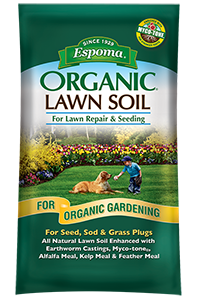
Espoma Organic Lawn Soil is an all-natural organic soil mix designed to promote seed germination and help new sod establish. It contains earthworm castings, alfalfa meal, kelp meal, and feather meal, enhanced with Espoma MYCO-TONE, a blend of endo and ecto mycorrhizae fungi. Use it anytime you sow new grass seed or install sod for organic gardening results with no synthetic plant foods or chemicals.
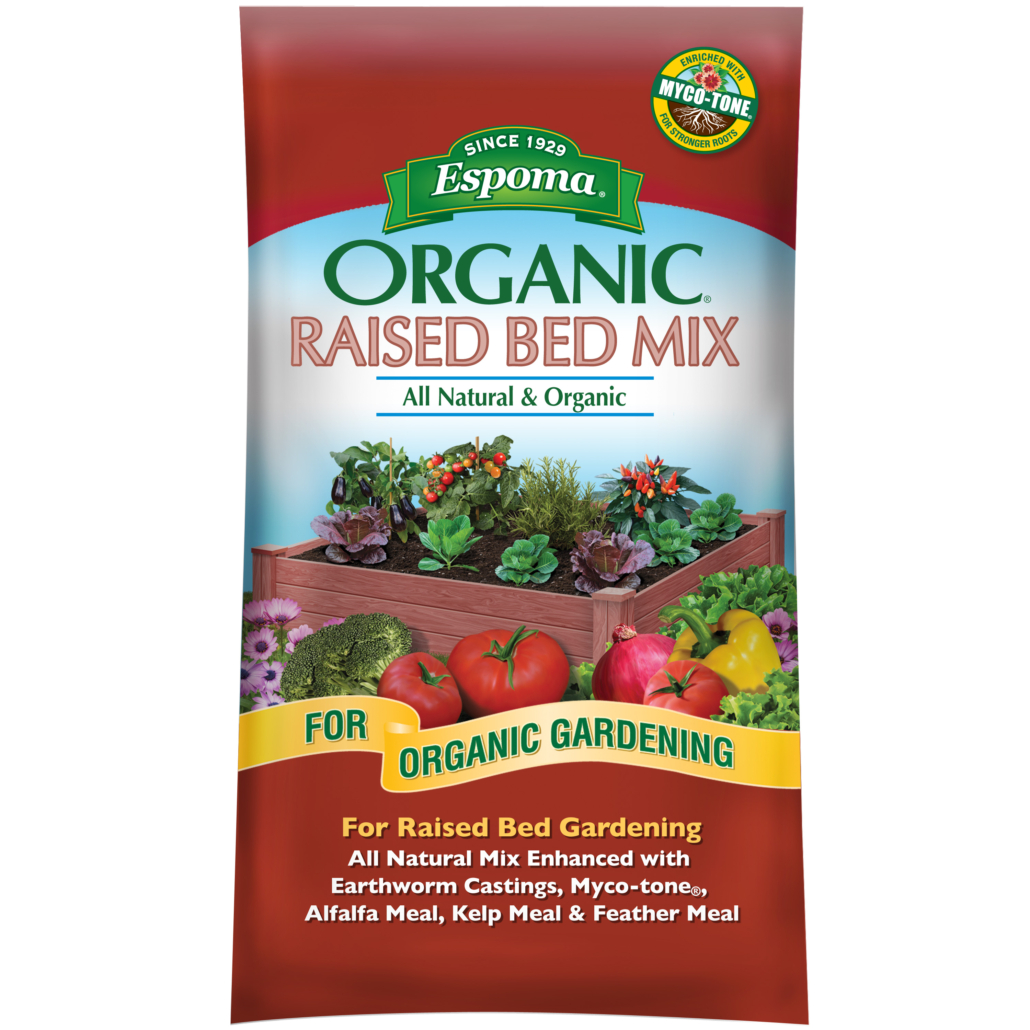
Espoma Organic Raised Bed Mix is an all-natural potting soil blend designed for raised garden beds and outdoor containers. It’s enriched with earthworm castings and organic meals for strong, healthy plant growth, plus MYCO-TONE with endo and ecto mycorrhizae. This ready-to-use mix contains no synthetic plant foods or chemicals, making it ideal for organic gardening.
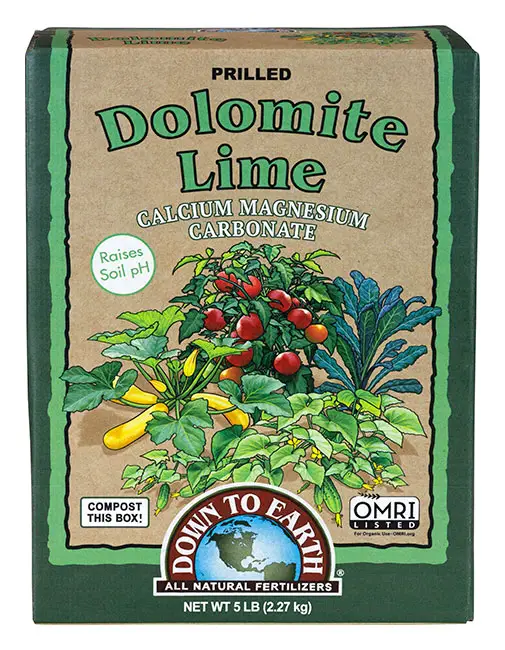
Down To Earth Organic Prilled Dolomite Lime helps raise acidic soil pH for better nutrient uptake and healthier vegetable gardens. Its rich calcium and magnesium support strong cell walls, root growth, and overall plant performance. OMRI listed for organic use, the prilled granules spread easily and act quickly while improving soil structure and microbial activity.
Overall Leaf Browning and Wilting: Root Rot
An azalea where the entire plant collapses into brown, wilted foliage, particularly if this happens rapidly and the soil feels wet, is showing classic root rot symptoms. Phytophthora root rot is the most common fungal cause in azaleas and progresses quickly once established in waterlogged conditions.
Check the roots by digging carefully at the root ball edge. Healthy azalea roots are white or cream and firm. Rotted roots are dark brown to black and feel soft or slimy.
Fix: Improve drainage as the priority response. If the plant is in a container, repot immediately into fresh, fast-draining ericaceous mix and check that drainage holes are clear. In garden beds, correcting a drainage problem may require lifting the plant, adding coarse grit and organic matter to the soil, and replanting on a mound. The root rot treatment process from the plant side is covered in the root rot guide.
Yellow-Green Leaves with Brown Spots: Iron Chlorosis with Secondary Infection
When alkaline soil produces iron chlorosis (yellow leaves with green veins), the weakened foliage is more susceptible to secondary fungal infection. Brown spots on chlorotic leaves often indicate a fungal pathogen taking advantage of plant stress rather than the primary cause.
Fix: Address the soil pH first. Apply aluminum sulfate or acidifying fertilizer to lower pH toward 4.5 to 6.0. Spray infected leaves with a copper-based fungicide if the spotting is widespread. As soil pH corrects over a season or two, the plant regains vigor and resistance to secondary infection.
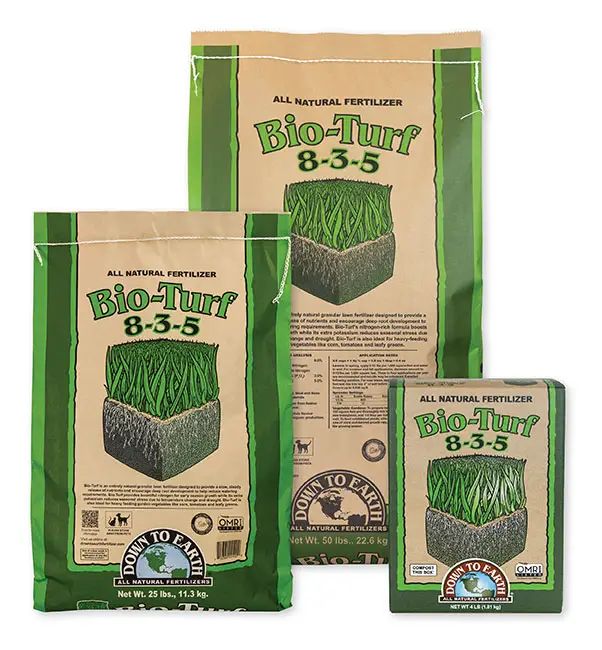
Down to Earth Bio-Turf is an all-natural 8-3-5 organic fertilizer, OMRI listed for use in organic production. It helps encourage deep root development to support greener, stronger growth while reducing watering needs and stress from heat or drought. Ideal for lawns, landscape ornamentals, and heavy-feeding garden vegetables and flowerbeds.
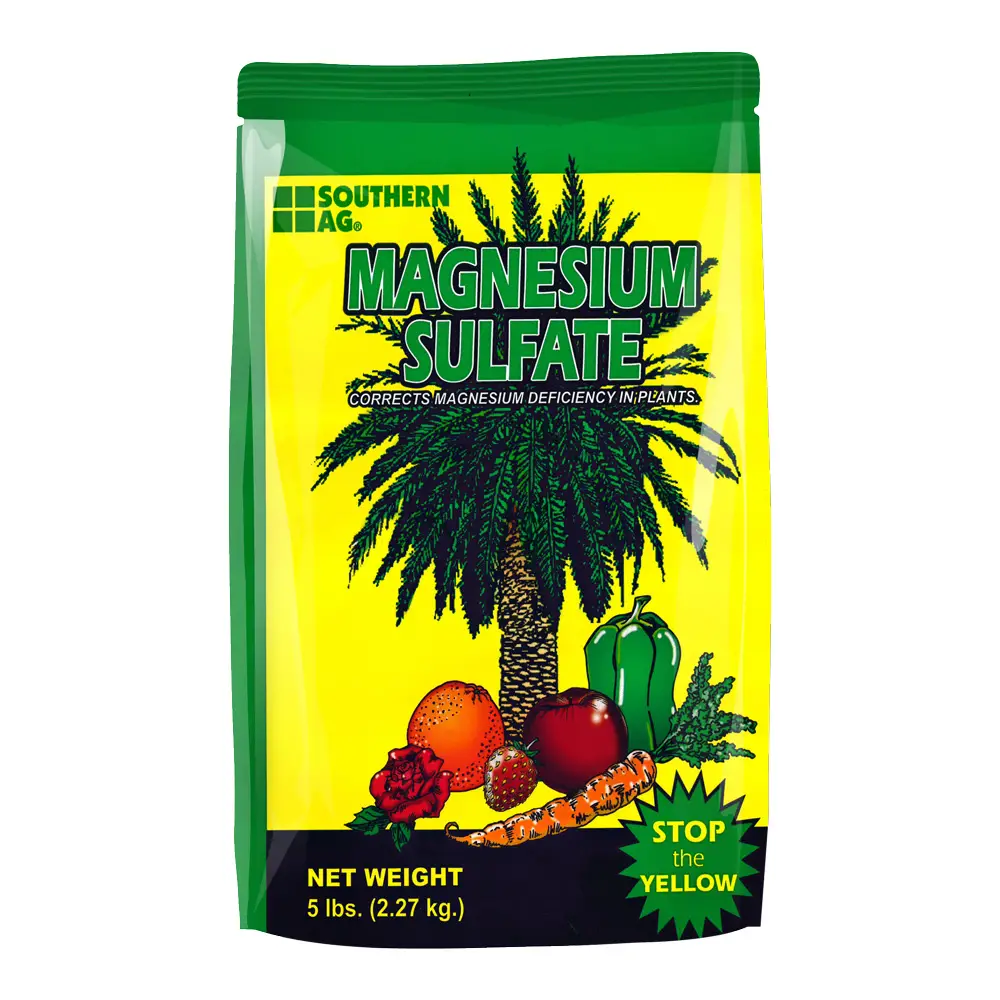
Root 98 Warehouse Southern Ag Magnesium Sulfate is a dry, water-soluble fertilizer for correcting magnesium deficiency in shrubs and trees. It helps acidify soils with less risk of staining and is designed for use on citrus, palms, trees, shrubs, annuals, and turf. Apply by spreading over the treatment area and watering in; do not mix or spray.
Brown Stippling on Leaf Surface: Azalea Lace Bug
If you turn an affected leaf over and see small dark specks on the underside combined with a bleached, stippled appearance on the upper surface, lace bugs (Stephanitis pyrioides) are the likely cause. These tiny sap-sucking insects feed on the underside of leaves and are particularly damaging to azaleas grown in sunny, dry positions.
Fix: Treat with neem oil, insecticidal soap, or a systemic insecticide applied to the leaf undersides where the insects feed. Repeat applications are necessary as lace bug populations cycle through multiple generations per season. Azaleas in partial shade suffer less lace bug damage than those in full sun.