
Vireya Rhododendrons: Care, Climate, and Growing Guide
Vireya rhododendrons are a distinct group within the genus Rhododendron, native to the tropical mountains of Southeast Asia, Papua New Guinea, and the Pacific Islands rather than the temperate forests where most familiar rhododendrons originate. Their tropical mountain heritage gives them extraordinary flower colors and a non-seasonal bloom habit, but it also means their care requirements differ fundamentally from the hardy rhododendrons of temperate gardens.
What Makes Vireyas Different
Vireya rhododendrons grow at high elevation in equatorial regions where temperature is relatively stable year-round, day length does not vary significantly with season, and rainfall is frequent. They have no experience of frost or dormancy-inducing cold. In cultivation, these characteristics translate to a plant that can bloom at any time of year without a cold-period trigger, that cannot tolerate freezing temperatures, and that grows best in environments mimicking mild, humid mountain air.
Flower colors in vireyas include vivid oranges, reds, yellows, and bicolors that are rare or absent in temperate rhododendrons. The flowers are often tubular or funnel-shaped, fragrant, and produced in flushes triggered by moisture cycles rather than seasonal cues.
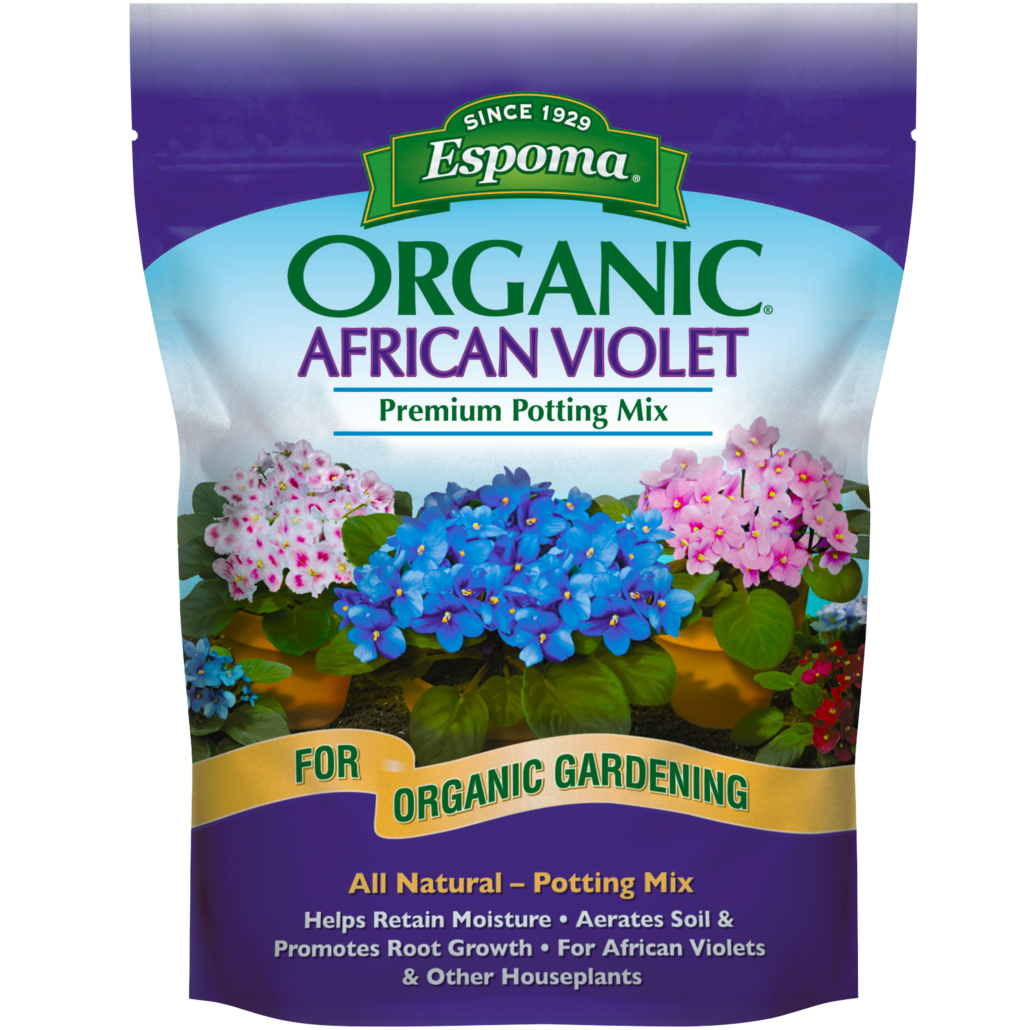
This Espoma organic potting soil mix is designed for African violets and indoor flowering houseplants, helping support healthy growth and flowering. It contains a rich blend of sphagnum peat moss, humus, perlite, and yucca extract, with no synthetic plant foods or chemicals. Use it anytime you’re planting, starting new violets, or transplanting into a larger container.
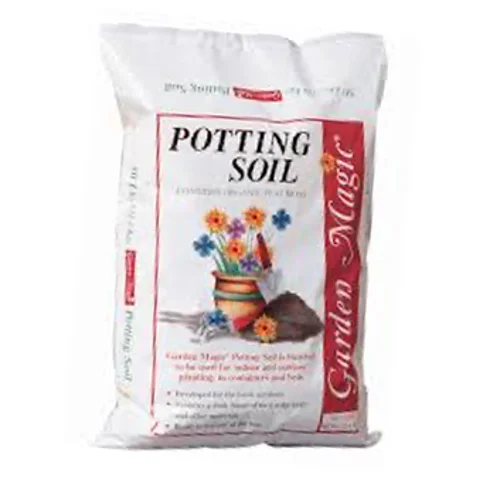
Grow healthy plants with this general-purpose potting soil featuring a blended formula for indoor and outdoor use. Its moisture-retaining design helps sustain active growth during moderate dry spells. The dark blend of reed sedge peat, organic peat moss, and other materials supports strong rooting for a reliable, ready-to-use planting mix.
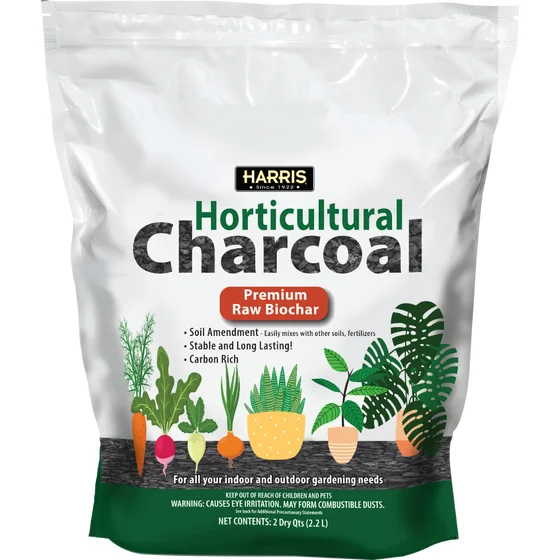
Harris Horticultural Charcoal premium biochar is a naturally derived soil amendment designed to increase soil carbon, nutrient content, and water retention. It helps support water-soluble nutrients and promotes beneficial microbial life for healthier plants. Ideal for indoor and outdoor use in gardens, ornamentals, terrariums, and small houseplants like orchids and bonsai.
Climate Requirements
Vireyas are suitable for outdoor cultivation year-round in USDA zones 10 and 11, where frost does not occur. In zones 8 and 9, they can be grown outdoors in sheltered positions but require frost protection in cold snaps. In zones 7 and below, they are best treated as container plants that spend summer outdoors and winter in a frost-free greenhouse, sunroom, or cool indoor space.
The minimum temperature vireyas tolerate varies by variety, but most are damaged at temperatures below 0 to 2 degrees Celsius and killed by sustained freezing. Even a brief temperature dip to minus 3 degrees Celsius can cause severe damage.
Soil and Potting Mix
Vireyas require exceptional drainage combined with moisture retention, mimicking the epiphytic and cliff-face growing conditions of their native habitat. A standard potting mix is far too moisture-retentive. Use a mix formulated specifically for vireyas or blend your own: one-third fine orchid bark, one-third perlite, and one-third quality potting mix with low peat content. The mix should be open and free-draining while still holding enough moisture to prevent rapid drying between waterings.
pH requirements are the same as for temperate rhododendrons: 4.5 to 6.0. Use an acidifying fertilizer and avoid tap water high in dissolved calcium, which drifts pH upward over time.
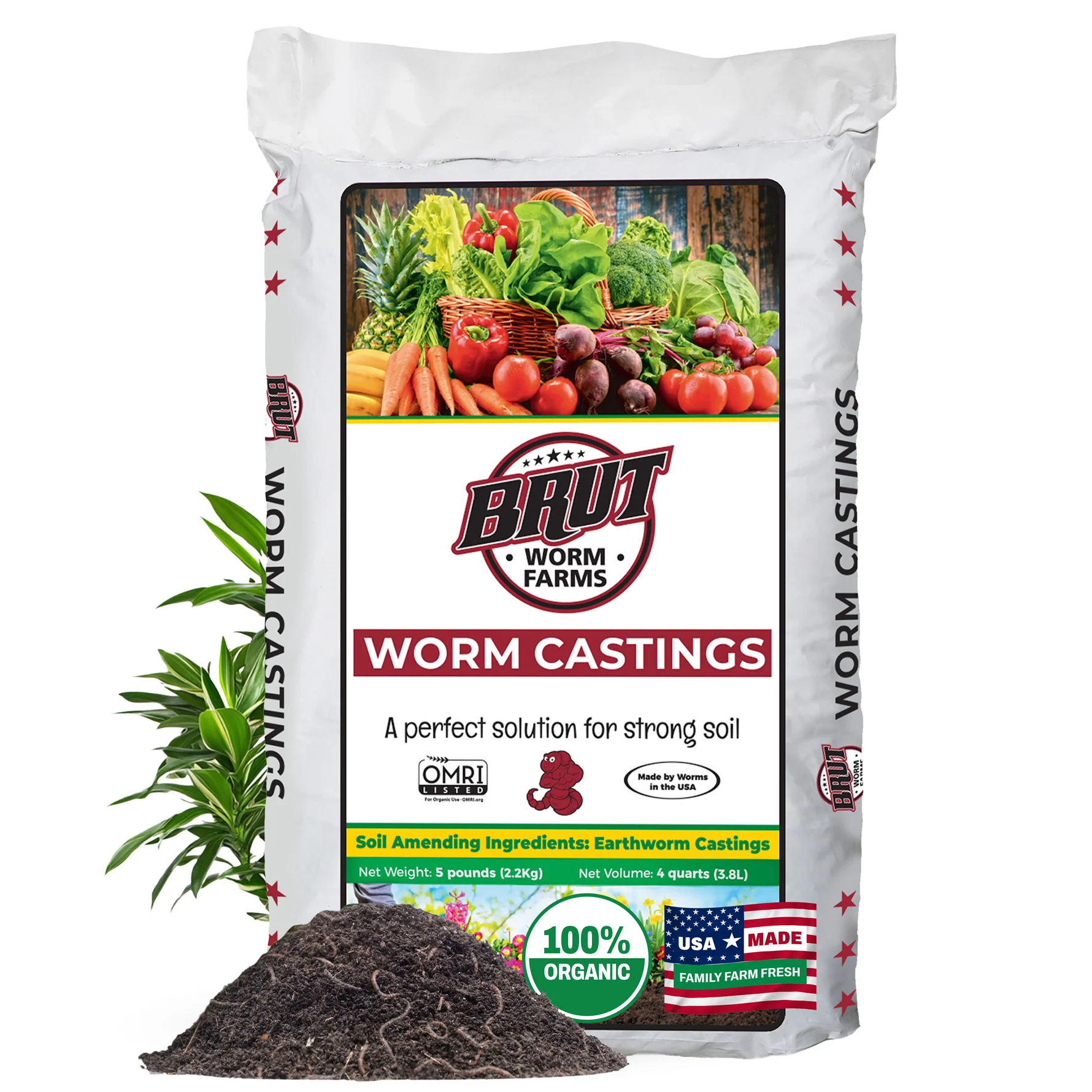
Brut organic worm castings provide mineral-rich, certified organic nutrition to supercharge indoor and outdoor plants. Raised indoors in containers for purity, these castings support lush greenery, vibrant blooms, and bountiful harvests. OMRI and CDFA listed formula helps deliver nature’s nutrients directly to plant roots for healthy growth from root to leaf.
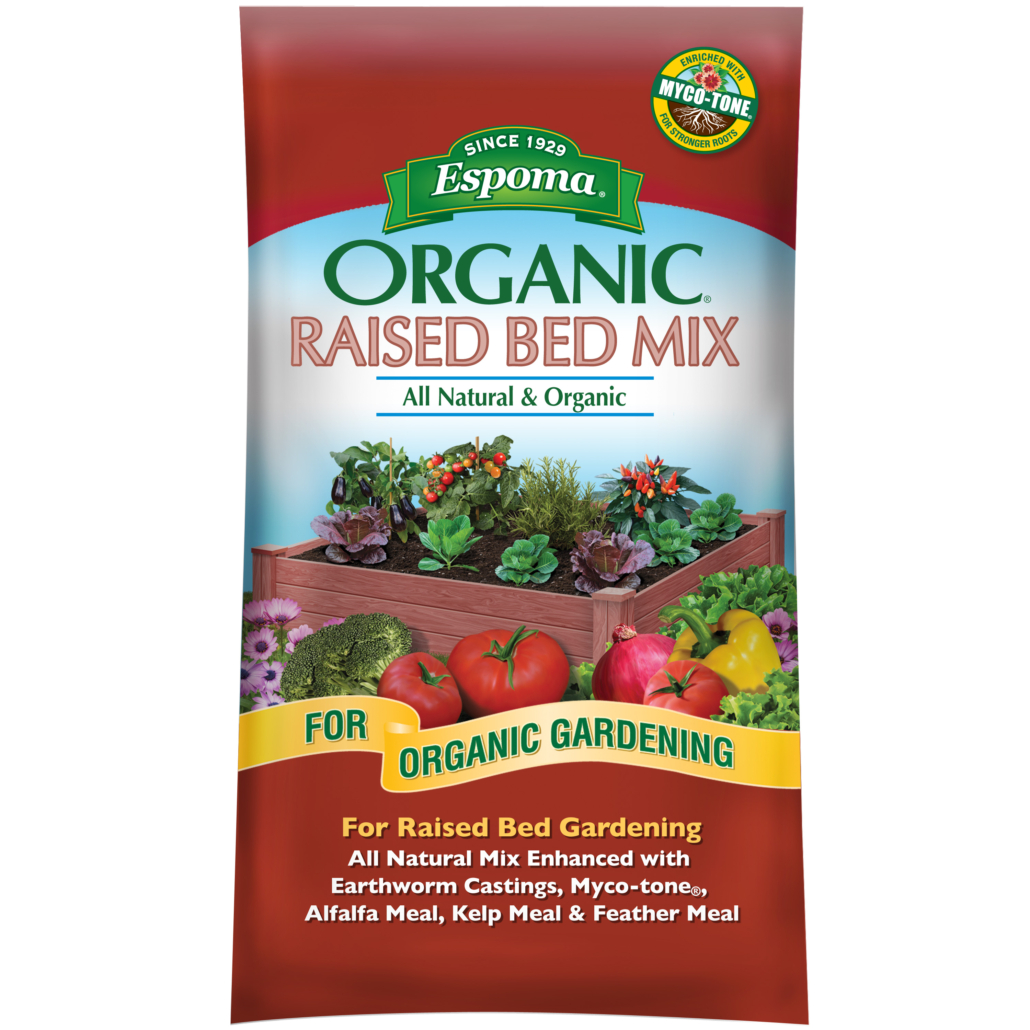
Espoma Organic Raised Bed Mix is an all-natural potting soil blend designed for raised garden beds and outdoor containers. It’s enriched with earthworm castings and organic meals for strong, healthy plant growth, plus MYCO-TONE with endo and ecto mycorrhizae. This ready-to-use mix contains no synthetic plant foods or chemicals, making it ideal for organic gardening.
Watering and Feeding
Vireyas cycle between active growth and rest without the dormancy of temperate species. Water when the top layer of potting mix approaches dryness, then water thoroughly and allow excess to drain. Do not allow pots to sit in standing water. In winter, reduce watering frequency but do not allow the root ball to dry out completely.
Feed with a diluted liquid fertilizer formulated for acid-loving plants every two to three weeks during active growth phases. Reduce feeding when growth slows. Vireyas respond well to feeding with products containing chelated iron, which remains available at the lower pH the plants require.
Overwintering Container Vireyas
Move container vireyas indoors before the first risk of frost in autumn. They need bright light through winter, which typically means a sunroom or a spot under grow lights rather than a dim interior space. Maintain temperatures above 5 degrees Celsius at minimum, with 10 to 15 degrees being the comfortable range for winter holding. Resume outdoor placement after all frost risk has passed in spring, hardening off gradually over one to two weeks.