
Azalea Care in Pots: Watering, Feeding, and Overwintering
Container azaleas give gardeners in alkaline-soil areas access to one of the most spectacular spring-flowering shrubs without the need to amend an entire garden bed. Pot culture also allows for moving azaleas to sheltered positions in winter, producing dramatic patio displays in spring, and growing tender varieties that would not survive unprotected outdoors in cold climates. The keys to success are consistent watering, appropriate acidic soil, and understanding how the plant’s seasonal cycle should guide your care decisions.
Potting Mix and Container Choice
Ericaceous potting mix is essential for container azaleas. Standard potting mixes are formulated for a near-neutral pH and will gradually stress an azalea as the soil acidic buffering capacity is used up. Ericaceous mixes maintain the pH 4.5 to 6.0 range that azaleas require and support the soil biology that makes nutrients available to the fibrous root system.
Choose a container that is only slightly larger than the current root ball. Azaleas, like African violets and many ericaceous plants, perform best when slightly root-bound. A pot that is too large holds excess moisture in the rooting zone between waterings, increasing the risk of root rot. Add drainage holes if the pot does not have them: standing water at the bottom of the pot will kill a container azalea reliably.
Repot every two to three years in spring after flowering, or when roots are visibly circling the base of the pot. Move up one pot size only. Refresh the top layer of potting mix annually even if the plant does not need full repotting.
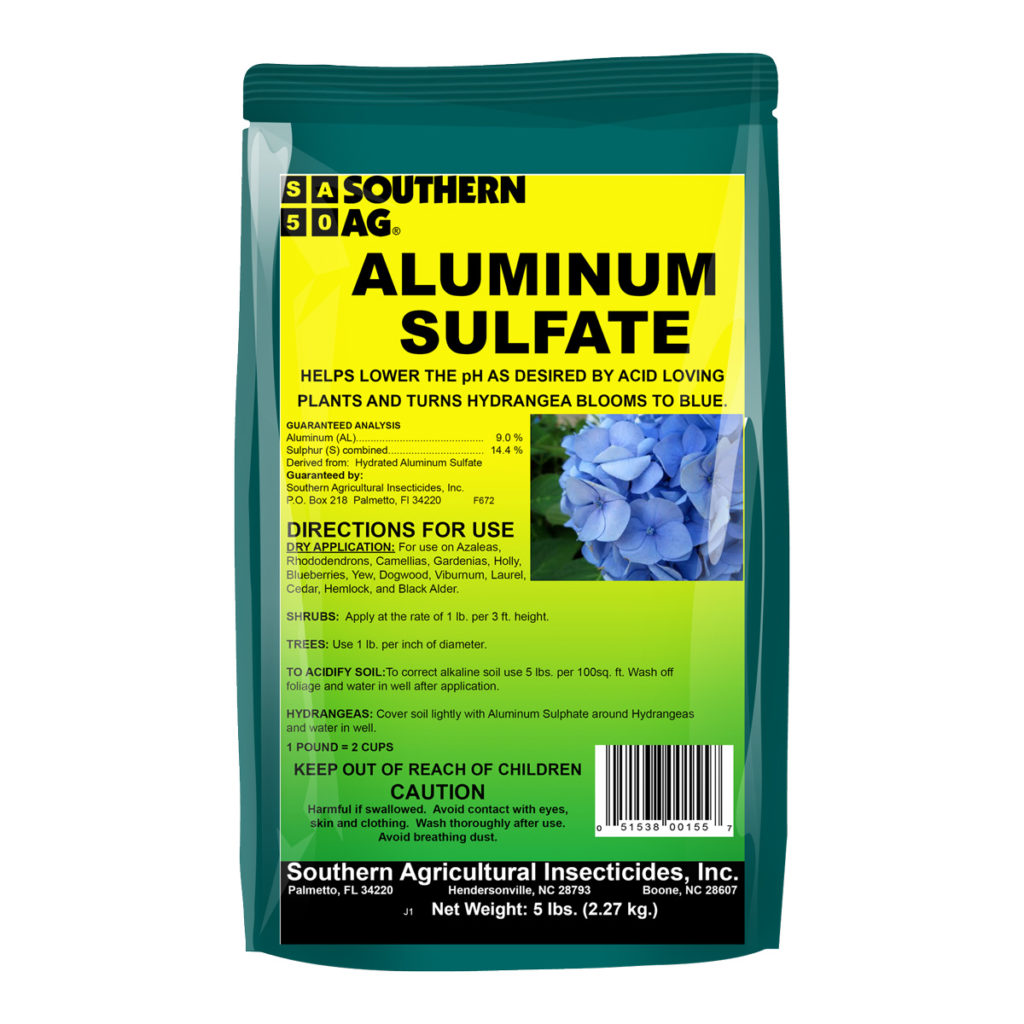
Southern Ag Aluminum Sulfate is a soil acidifier that helps lower pH and corrects high alkalinity, making it ideal for acid-loving plants. It’s great for hydrangeas and other shrubs and trees that prefer acidic conditions, including rhododendrons, blueberries, azaleas, and more. Broadcast evenly and wash off foliage, then water after application.
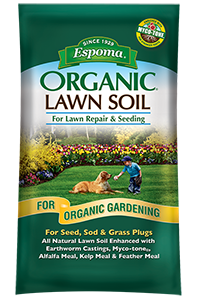
Espoma Organic Lawn Soil is an all-natural organic soil mix designed to promote seed germination and help new sod establish. It contains earthworm castings, alfalfa meal, kelp meal, and feather meal, enhanced with Espoma MYCO-TONE, a blend of endo and ecto mycorrhizae fungi. Use it anytime you sow new grass seed or install sod for organic gardening results with no synthetic plant foods or chemicals.
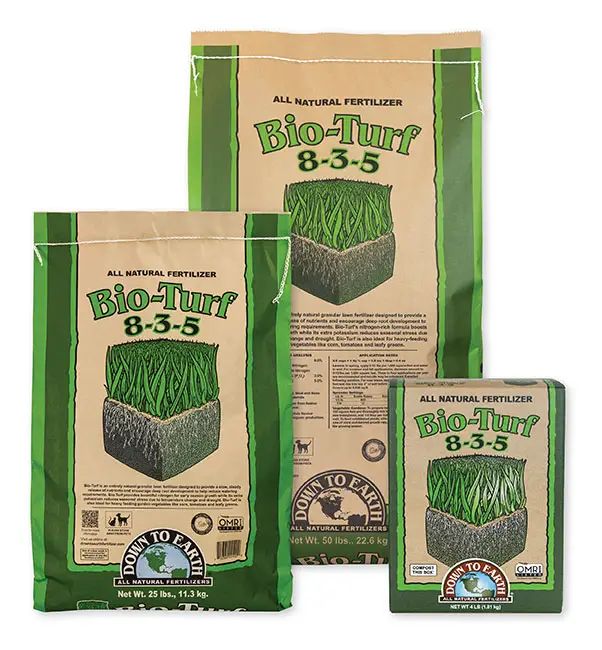
Down to Earth Bio-Turf is an all-natural 8-3-5 organic fertilizer, OMRI listed for use in organic production. It helps encourage deep root development to support greener, stronger growth while reducing watering needs and stress from heat or drought. Ideal for lawns, landscape ornamentals, and heavy-feeding garden vegetables and flowerbeds.
Watering Container Azaleas
Watering rhythm is the most important ongoing care task for container azaleas. The plants need consistent moisture but are severely damaged by waterlogging. Water when the top 2 to 3 centimeters of potting mix feel dry to the touch, then water thoroughly until water drains from the bottom of the pot.
Use rainwater where available, as tap water in many areas contains calcium and other dissolved minerals that raise pot soil pH over time, counteracting the acidic conditions the plant needs. If only tap water is available, compensate with more frequent applications of acidifying fertilizer and annual repotting with fresh ericaceous mix.
Feeding
Feed container azaleas with a liquid fertilizer formulated for acid-loving plants every two weeks from when growth begins in spring through six weeks after flowering. After this point, the plant is setting buds for the following year and does not benefit from additional nitrogen stimulation. Resume feeding the following spring when growth begins again.
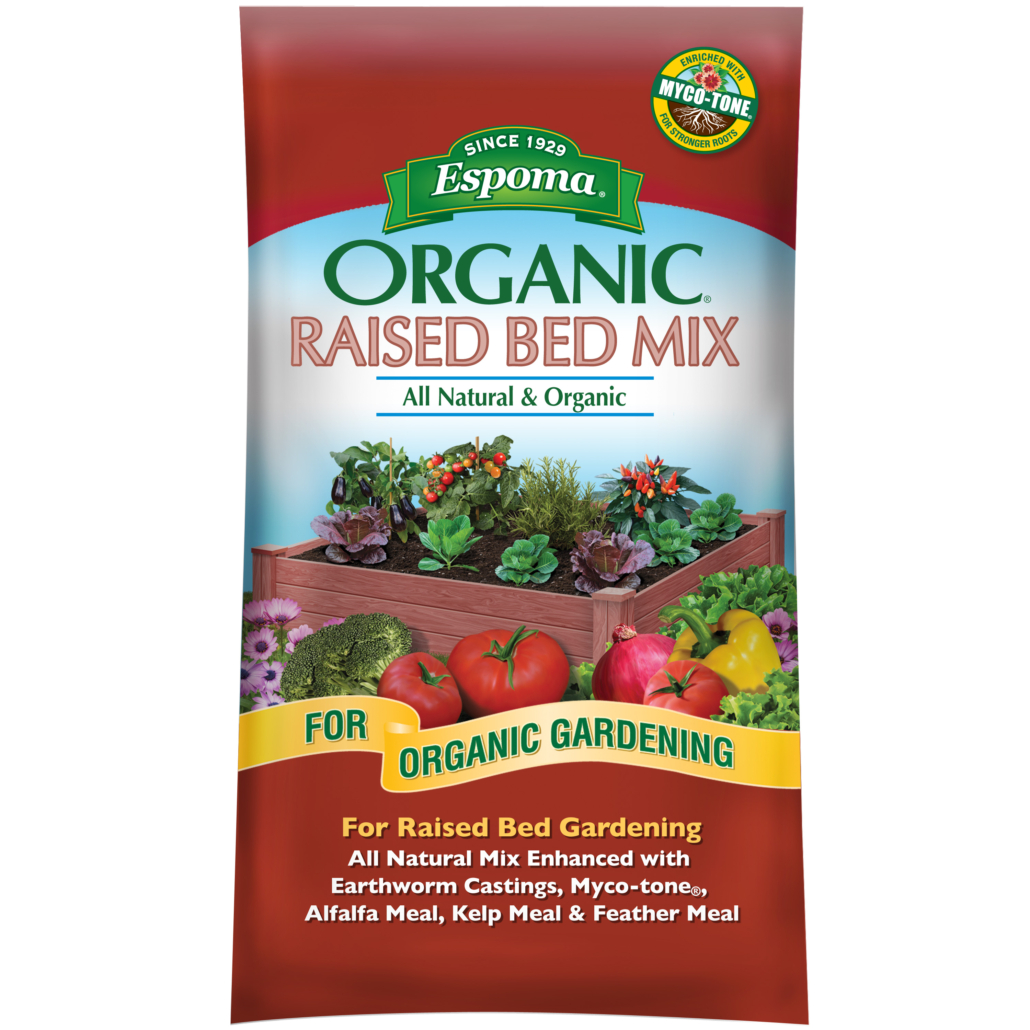
Espoma Organic Raised Bed Mix is an all-natural potting soil blend designed for raised garden beds and outdoor containers. It’s enriched with earthworm castings and organic meals for strong, healthy plant growth, plus MYCO-TONE with endo and ecto mycorrhizae. This ready-to-use mix contains no synthetic plant foods or chemicals, making it ideal for organic gardening.
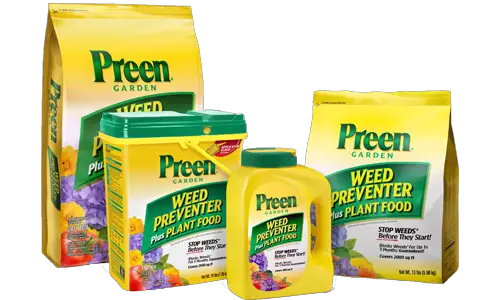
Preen Garden Weed Preventer Plus Plant Food helps prevent weeds while feeding your plants in one simple application. Safe for use in established flower and vegetable garden beds around trees, shrubs, and ground covers, it supports strong root development and abundant blooms. Use during spring, summer, or fall for best results and water it into the soil after sprinkling.
Overwintering
Hardy evergreen azaleas in containers survive outdoors in USDA zones 6 through 9 without protection. In zone 5, move the container to a sheltered wall in autumn and wrap the pot in insulation to protect the root ball from freezing solid. In zone 4 and below, bring container azaleas into an unheated but frost-free space, such as a garage or cold greenhouse, for winter.
Indoor gift azaleas sold at supermarkets and florists in winter are typically forced greenhouse varieties not intended for outdoor planting. They can be grown on as houseplants in a cool, bright room and brought outdoors in summer, but they are less hardy than garden-type varieties. Water them consistently and avoid warm, dry indoor environments that cause bud drop. After flowering, allow the plant to rest, then begin the spring growth cycle with fresh ericaceous mix and regular feeding.