
Best Fertilizer for Rhododendrons and Azaleas
Rhododendrons and azaleas are not heavy feeders, and over-fertilizing them, particularly with high-nitrogen products, is a common mistake that pushes vegetative growth at the expense of flowering and reduces winter hardiness. The right fertilizer for these plants contributes to both nutrition and the acidic soil conditions they require.
What the NPK Ratio Should Look Like
Rhododendrons and azaleas perform best with a fertilizer that is balanced to slightly lower in nitrogen compared to phosphorus and potassium. A typical analysis for a rhododendron and azalea fertilizer is around 10-8-6 or 12-4-8: adequate nitrogen for healthy foliage growth without the excess that delays flowering, sufficient phosphorus for root development, and potassium for disease resistance and cold hardiness.
Avoid high-nitrogen fertilizers such as lawn fertilizers (which can have nitrogen percentages of 30 percent or more) applied near acid-loving shrubs. Runoff or accidental application of lawn fertilizer into azalea beds causes rapid, soft growth that is more susceptible to disease, cold damage, and aphid infestation.
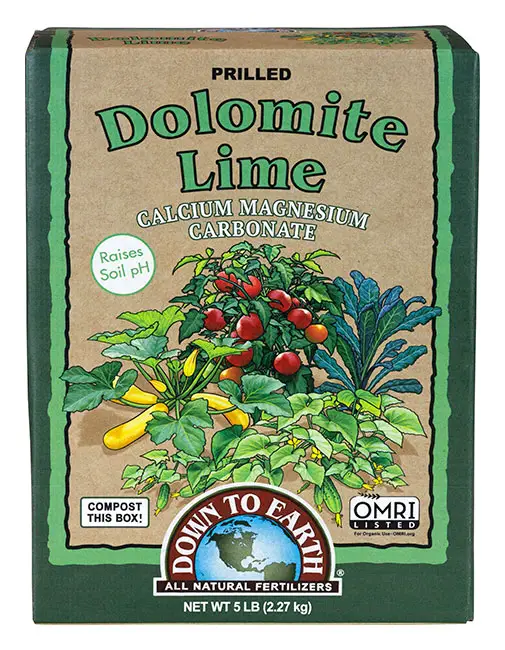
Down To Earth Organic Prilled Dolomite Lime helps raise acidic soil pH for better nutrient uptake and healthier vegetable gardens. Its rich calcium and magnesium support strong cell walls, root growth, and overall plant performance. OMRI listed for organic use, the prilled granules spread easily and act quickly while improving soil structure and microbial activity.
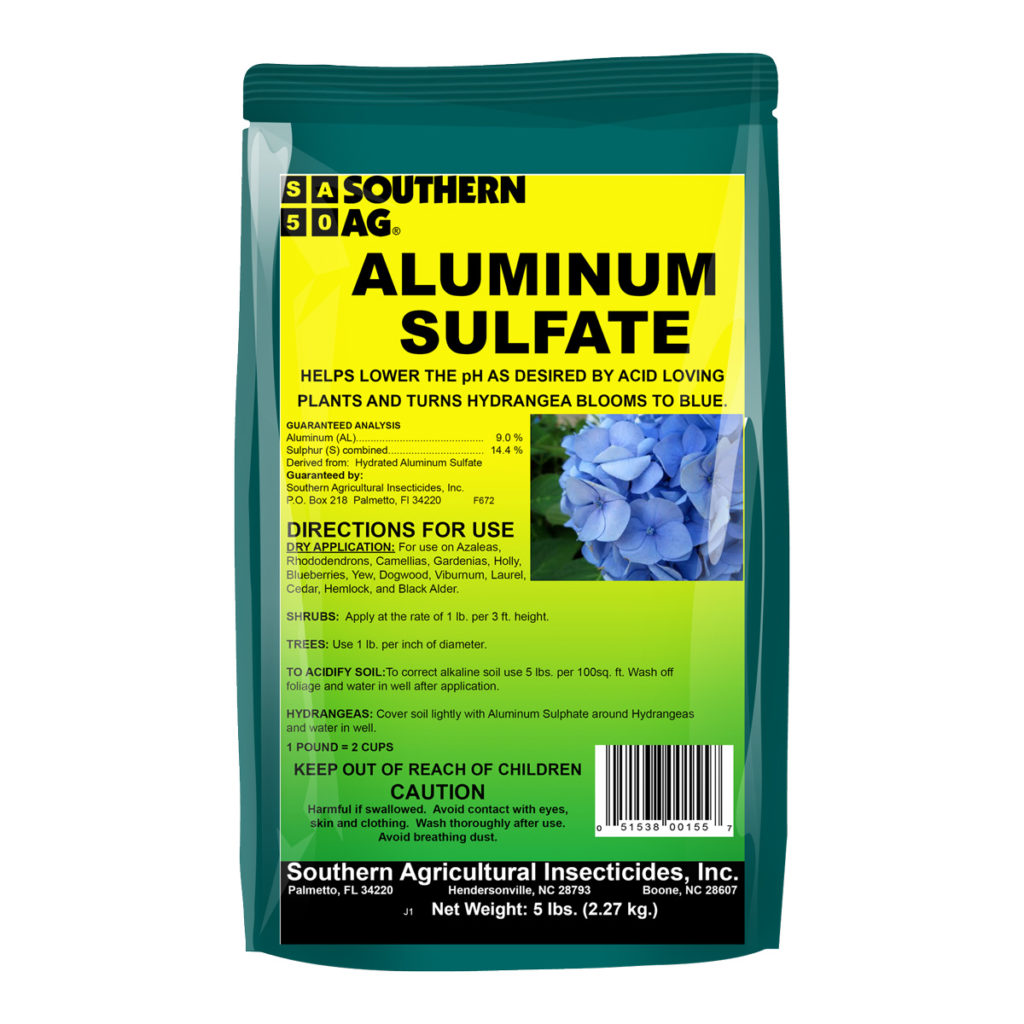
Southern Ag Aluminum Sulfate is a soil acidifier that helps lower pH and corrects high alkalinity, making it ideal for acid-loving plants. It’s great for hydrangeas and other shrubs and trees that prefer acidic conditions, including rhododendrons, blueberries, azaleas, and more. Broadcast evenly and wash off foliage, then water after application.
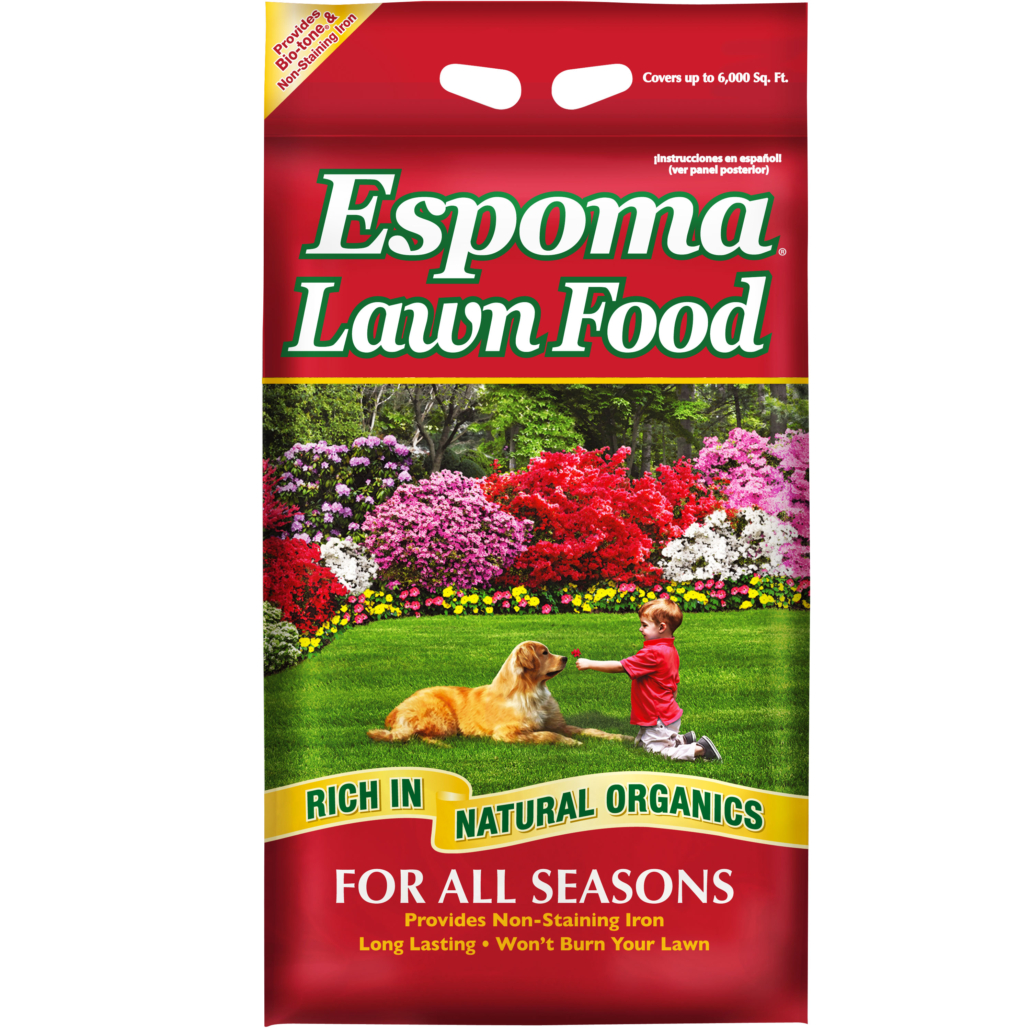
Espoma Lawn Food for All Seasons 15-0-5 provides slow-release, long-lasting nitrogen to help support a greener lawn year-round. Enhanced with iron for deep green color, it helps turn yellow lawns back to green and won’t stain concrete, sidewalks, or driveways. Safe for cool and warm season grasses, it applies in spring, summer, and fall with a drop or broadcast spreader.
Acidifying Fertilizer as a Two-in-One Tool
The most practical fertilizer choice for rhododendrons and azaleas is a product specifically formulated for acid-loving plants. These fertilizers combine balanced nutrition with a sulfur or ammonium sulfate component that gradually acidifies the soil with each application. Over a season of regular feeding, they contribute to maintaining the soil pH in the 4.5 to 6.0 target range, reducing the need for separate pH amendment applications.
Granular slow-release formulations are the most convenient option for established in-ground shrubs. A single application scratched into the soil surface around the drip line in early spring releases nutrients gradually through the growing season. For container-grown plants, liquid fertilizer applied every two to three weeks through the growing season is more practical, as container soil leaches nutrients with each watering.
When to Fertilize
Apply fertilizer in early spring when new growth begins, before the flower buds open. A second application in early summer, after flowering, supports bud development for the following season.
Stop fertilizing by late summer. Late-season fertilizer application, particularly nitrogen-forward products, pushes soft new growth into the period when the plant should be hardening its tissues against cold. This soft growth is vulnerable to early frosts and is where winter die-back often begins. Container azaleas and rhododendrons are particularly sensitive to late feeding. For container-specific guidance, the azalea care in pots guide covers the complete feeding and watering schedule for potted plants.
Espoma Organic Lawn Soil is an all-natural organic soil mix designed to promote seed germination and help new sod establish. It contains earthworm castings, alfalfa meal, kelp meal, and feather meal, enhanced with Espoma MYCO-TONE, a blend of endo and ecto mycorrhizae fungi. Use it anytime you sow new grass seed or install sod for organic gardening results with no synthetic plant foods or chemicals.
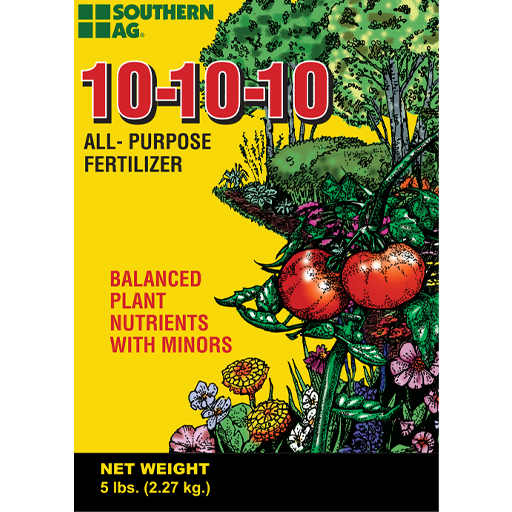
Southern Ag All Purpose Granular Fertilizer 10-10-10 helps nourish lawns, flower beds, vegetables, and trees with a balanced blend of essential nutrients. The granular formula is designed for easy application and supports healthy growth across a wide range of plants and seasons. Follow label directions to sweep off any granules from hard surfaces and water plants well after applying.
Chelated Iron as a Supplement
Plants showing iron chlorosis (yellow leaves with green veins) in soil that tests at the correct pH may be experiencing iron availability problems for reasons other than pH alone. Applying chelated iron as a foliar spray or soil drench delivers iron directly in a plant-available form regardless of soil chemistry. Chelated iron products are widely available and provide fast visible improvement in leaf color. They do not replace the need for pH management but provide rapid symptom relief while longer-term pH adjustment takes effect.