
How to Grow Rhododendrons: Soil, Planting, and Care
Rhododendrons are woodland shrubs at heart, and the conditions that allow them to thrive in gardens reflect their forest-edge origins: dappled shade, acidic humus-rich soil with good drainage and consistent moisture, and shelter from harsh afternoon sun and drying winds. The largest-leafed varieties are architectural plants capable of reaching tree-like proportions over decades. Compact dwarf varieties suit smaller gardens and container growing. The fundamental care approach is the same for all.
Choosing the Right Variety
Variety selection matters enormously for rhododendron success. The main variables to match to your garden are cold hardiness, mature size, and bloom time.
Large-leafed species and hybrids, including the popular Cunningham’s White, PJM, and Catawbiense groups, produce the classic large flower trusses most people associate with rhododendrons. They are generally hardy to USDA zones 5 to 9 with appropriate selection. Dwarf and compact varieties such as Ramapo and Wren are hardy to zone 4 or below and suit smaller gardens or container culture.
Bloom time ranges from late winter to early summer depending on variety. If you want a long display, plant two or three varieties with staggered bloom times: early, mid, and late season bloomers each contribute a two to four week window of color.
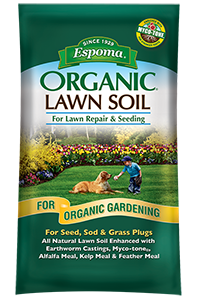
Espoma Organic Lawn Soil is an all-natural organic soil mix designed to promote seed germination and help new sod establish. It contains earthworm castings, alfalfa meal, kelp meal, and feather meal, enhanced with Espoma MYCO-TONE, a blend of endo and ecto mycorrhizae fungi. Use it anytime you sow new grass seed or install sod for organic gardening results with no synthetic plant foods or chemicals.
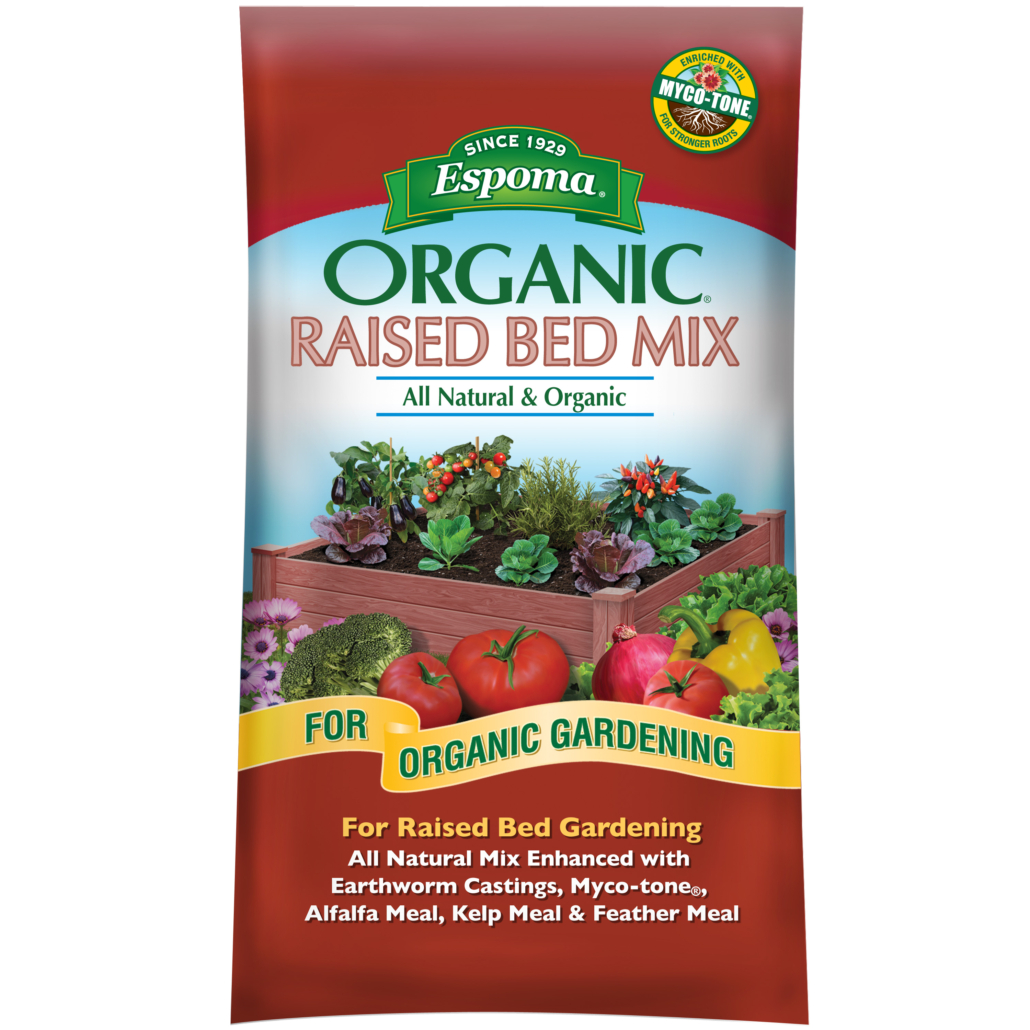
Espoma Organic Raised Bed Mix is an all-natural potting soil blend designed for raised garden beds and outdoor containers. It’s enriched with earthworm castings and organic meals for strong, healthy plant growth, plus MYCO-TONE with endo and ecto mycorrhizae. This ready-to-use mix contains no synthetic plant foods or chemicals, making it ideal for organic gardening.
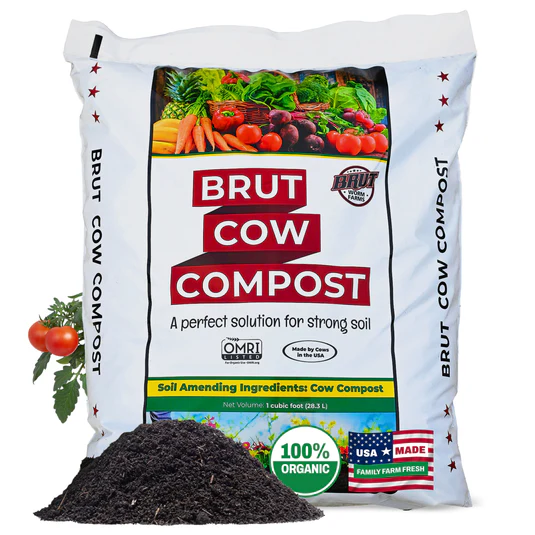
Brut Cow Compost is a nutrient-rich organic soil amendment made from 100% pure, thoroughly composted cow manure. It enriches soil with nitrogen, calcium, and iron, supports beneficial microbial life, and helps plants produce stronger growth. Odor-free and gentle on roots, it can be used for vegetables, flowers, lawns, shrubs, and indoor plants as a top dressing or mixed into garden and potting soil.
Soil Preparation
The soil requirements for rhododendrons are non-negotiable. pH must be between 4.5 and 6.0 for the plants to access iron and manganese. Drainage must be adequate: standing water at root level after rainfall causes Phytophthora root rot, the most common cause of rhododendron decline. Organic matter content should be high, providing the loose, humus-rich structure that supports the fibrous root system and retains moisture without waterlogging.
If your native soil is outside the acceptable pH range or drains poorly, build a raised bed or mound specifically for your rhododendrons. Fill with a blend of ericaceous potting mix, pine bark, composted leaves, and coarse grit. This approach bypasses the native soil entirely and gives the root system the environment it needs from day one.
Planting
Plant rhododendrons at the same depth they grew in the nursery container. Never plant deeper: rhododendrons planted too deep develop crown rot as the bark above the root flare stays wet. If the planting site is in heavy soil, set the root ball slightly above the existing soil level and mound amended soil around it.
Planting in spring or early autumn gives the root system time to establish before the extremes of summer heat or winter cold. Water thoroughly at planting and maintain consistent moisture through the first full growing season. Mulch generously with pine bark, shredded oak leaves, or composted wood chips to retain moisture and contribute to soil acidification as the mulch decomposes.
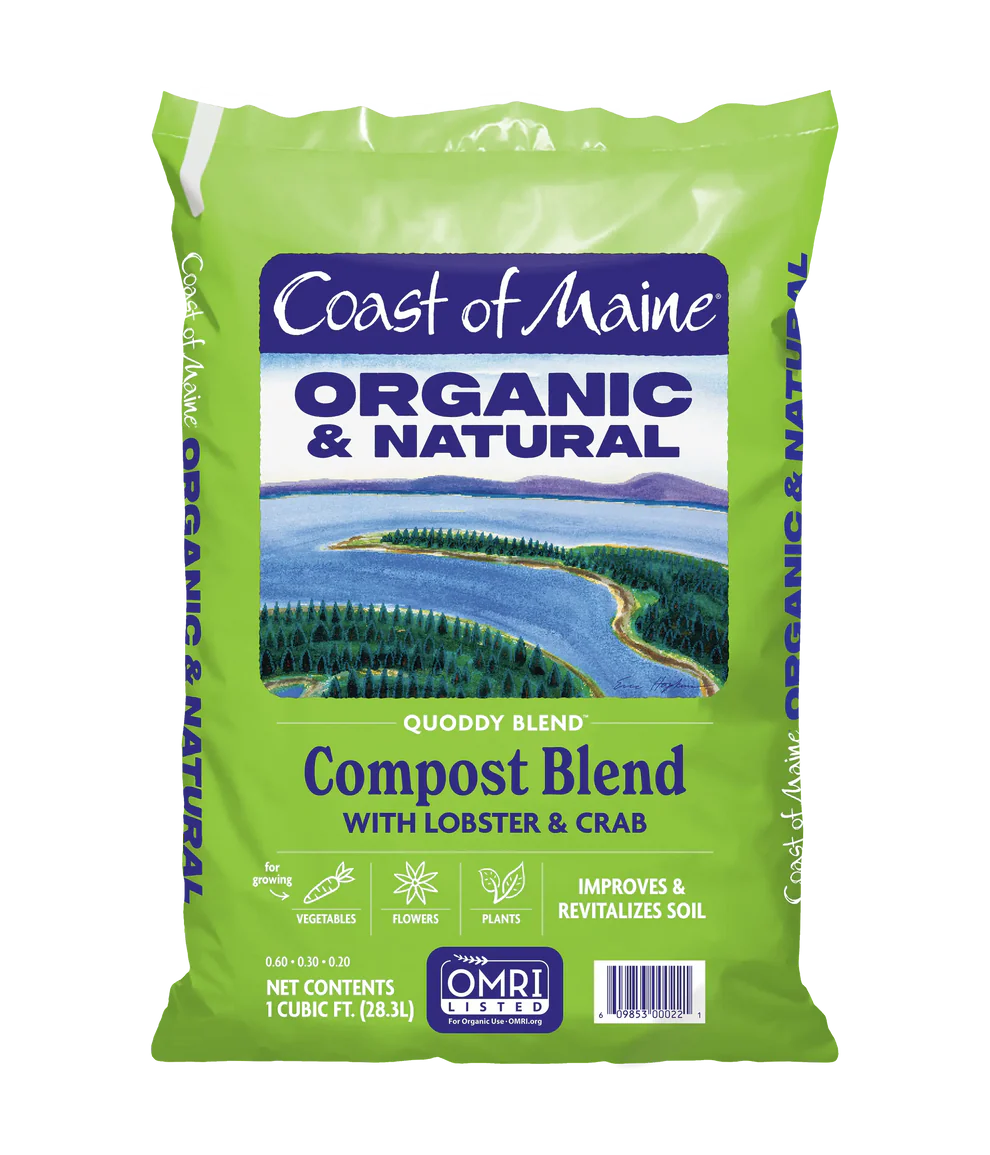
Coast of Maine’s Organic & Natural Quoddy Blend is a premium seafood compost made from lobster and crab shell meal, composted manure, and peat moss to enrich garden soil. It improves soil structure by supporting better drainage, aeration, and water retention for healthier root development. OMRI listed for organic use, it’s a versatile choice for gardens, beds, borders, trees, shrubs, and foliage.
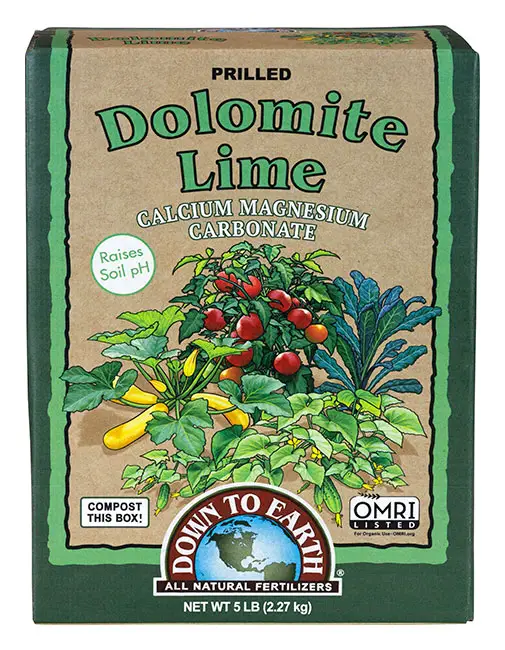
Down To Earth Organic Prilled Dolomite Lime helps raise acidic soil pH for better nutrient uptake and healthier vegetable gardens. Its rich calcium and magnesium support strong cell walls, root growth, and overall plant performance. OMRI listed for organic use, the prilled granules spread easily and act quickly while improving soil structure and microbial activity.
Ongoing Care
Rhododendrons are light feeders that do not need heavy fertilization. A single application of acid-formulated slow-release fertilizer in early spring is sufficient in most established plantings. Deadhead spent flower trusses by snapping them off below the seed pod cluster, which directs energy into vegetative growth and bud development for the following year rather than seed production.
Pruning requirements are minimal in well-sited plants. Remove damaged, crossing, or dead stems in early spring. Rejuvenation pruning of overgrown rhododendrons can be done aggressively on some varieties, which resprout from old wood, but it should be done in late spring after flowering rather than in autumn. The detailed pruning guide is at pruning rhododendrons.