
Why Is My Rhododendron Not Flowering? Causes and Fixes
A rhododendron producing good foliage but few or no flowers is a genuinely common problem, and in almost every case it has a diagnosable cause. Work through these causes systematically and the flowering problem is almost always resolvable within one to two growing seasons.
Cause 1: Pruning at the Wrong Time
Rhododendrons bloom on buds set during the previous summer on stems produced the year before. Pruning in late summer, autumn, or early spring removes those buds before they have a chance to open. Many gardeners prune rhododendrons in autumn when the garden is being tidied, not realizing that the pruning is eliminating the next season’s flowers.
Fix: Prune rhododendrons only immediately after flowering in late spring or early summer. At this point, the spent flower trusses can be removed and light shaping done without affecting the buds set for the following year. Do not prune again until after flowering the next year.
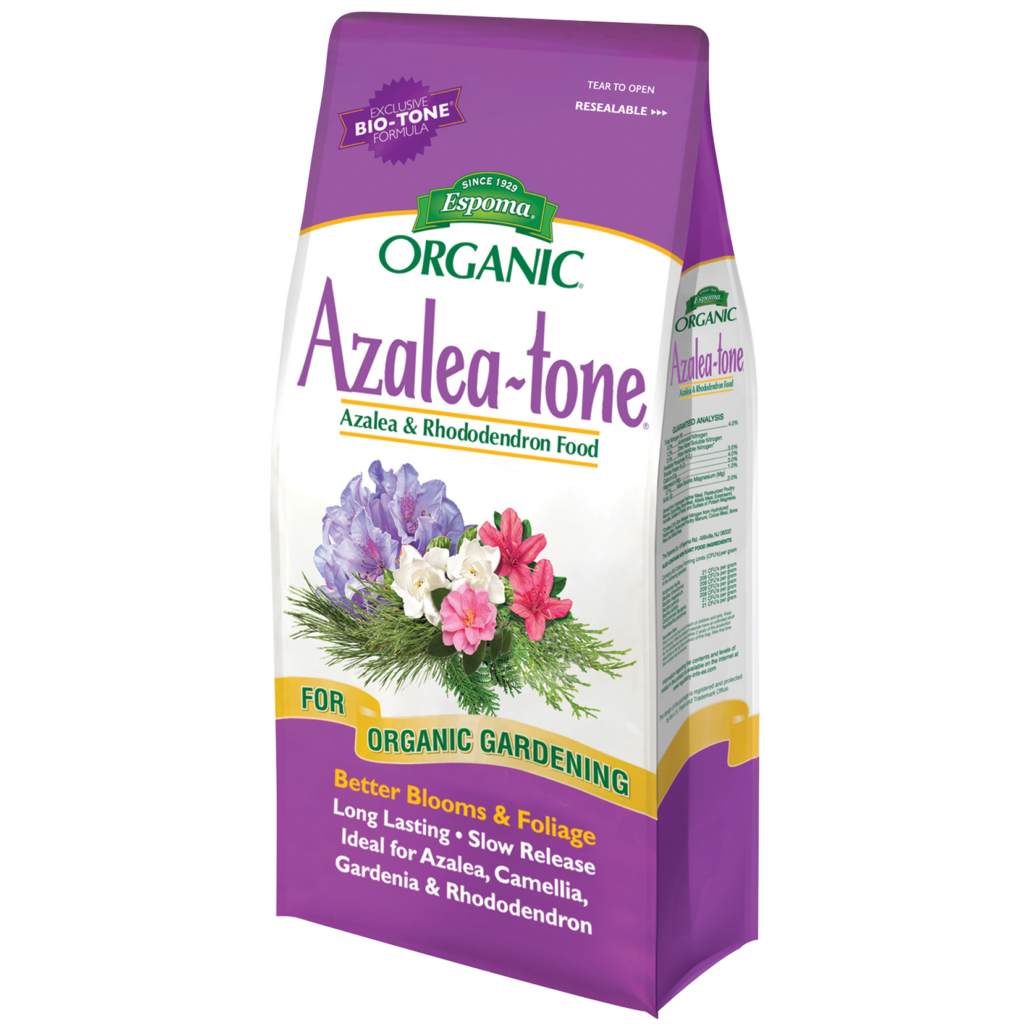
Espoma Organic Azalea-Tone is a natural and organic fertilizer designed for azaleas and flowering evergreen shrubs. Its slow-release formula helps promote deep green color and bigger blooms while elemental sulfur aids in acidifying the soil. Enhanced with humates and beneficial microbes, it delivers consistent, quality feeding with no sludges or fillers.
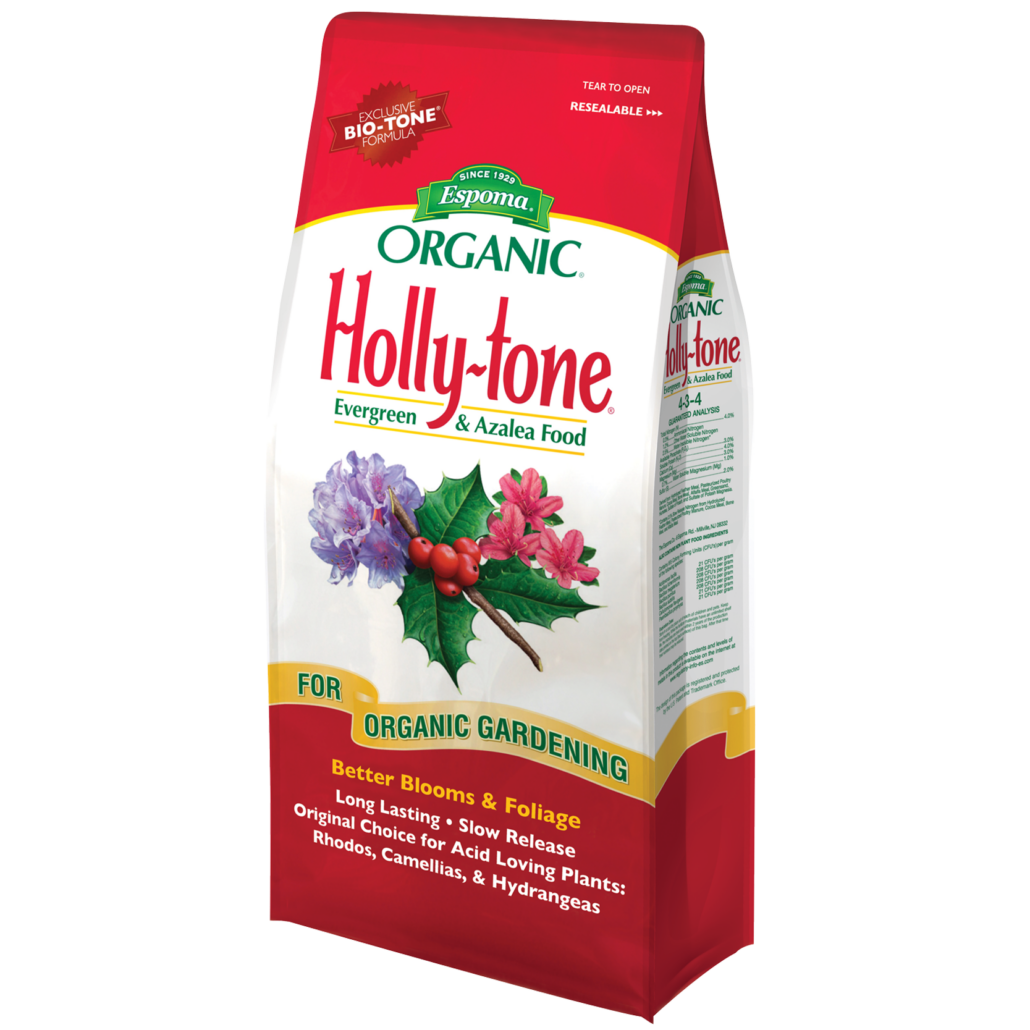
Espoma Organic Holly-Tone is the original plant food for all acid-loving plants, delivering deep green color and bigger blooms. This natural and organic, long-lasting slow-release formula helps acidify soil with elemental sulfur and supports healthy growth with humates and beneficial microbes. It’s made without sludges or fillers and is safe for people, pets, and the planet.
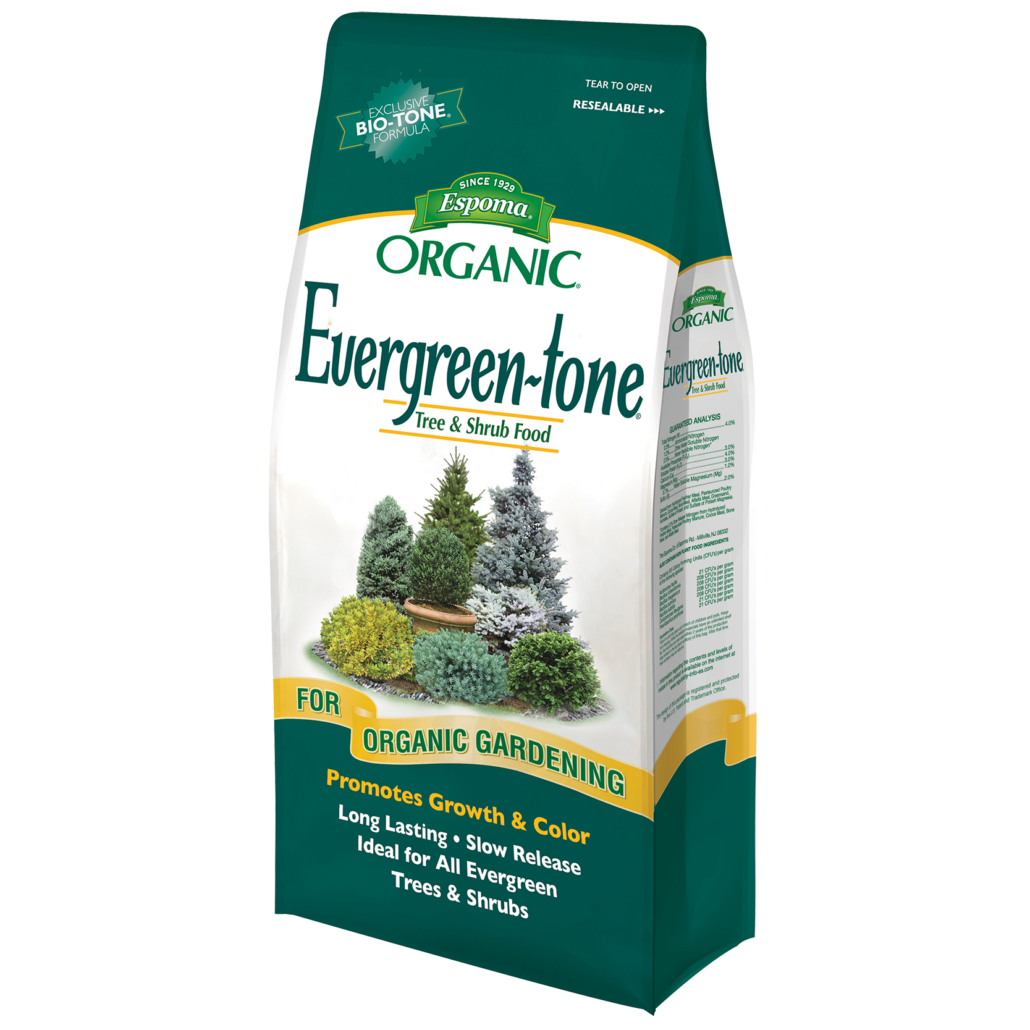
Evergreen-Tone is a rich blend of natural and organic ingredients enhanced with humates and beneficial microbes to support evergreen trees and shrubs. It promotes deep green foliage with long-lasting slow-release feeding, helping acidify the soil with elemental sulfur. Made with no sludges or fillers, it’s designed for consistent, quality results and is safe for people, pets, and the planet.
Cause 2: Winter Bud Damage
Frost damage to flower buds set in the previous summer is the most common cause of poor flowering in years following unusually cold winters. The plant appears healthy, the vegetative buds open normally, but the flower buds, which are slightly more frost-sensitive than leaf buds, were killed. Inspect a bud by carefully opening it in early spring: a viable flower bud contains the developing flower structures. A frost-killed bud is brown throughout.
Fix: In years following cold winters, accept the reduced flowering as a weather event rather than a husbandry problem. Protect plants with burlap or frost cloth during severe frost events in late winter when the buds are swelling. Select frost-hardy varieties for cold-climate gardens. The variety selection guidance is in the how to grow rhododendrons guide.
Cause 3: Insufficient Light
Rhododendrons need adequate light to produce the carbohydrate reserves that fuel flower bud development. A plant in too much shade grows vegetatively but redirects its resources away from reproduction. The typical minimum for reliable flowering is three to four hours of dappled or indirect sunlight per day.
Fix: Assess whether tree canopy or other structures have increased shade coverage since the plant was established. Selective canopy thinning, moving the plant, or choosing a more shade-tolerant variety for the location are the options depending on the situation.
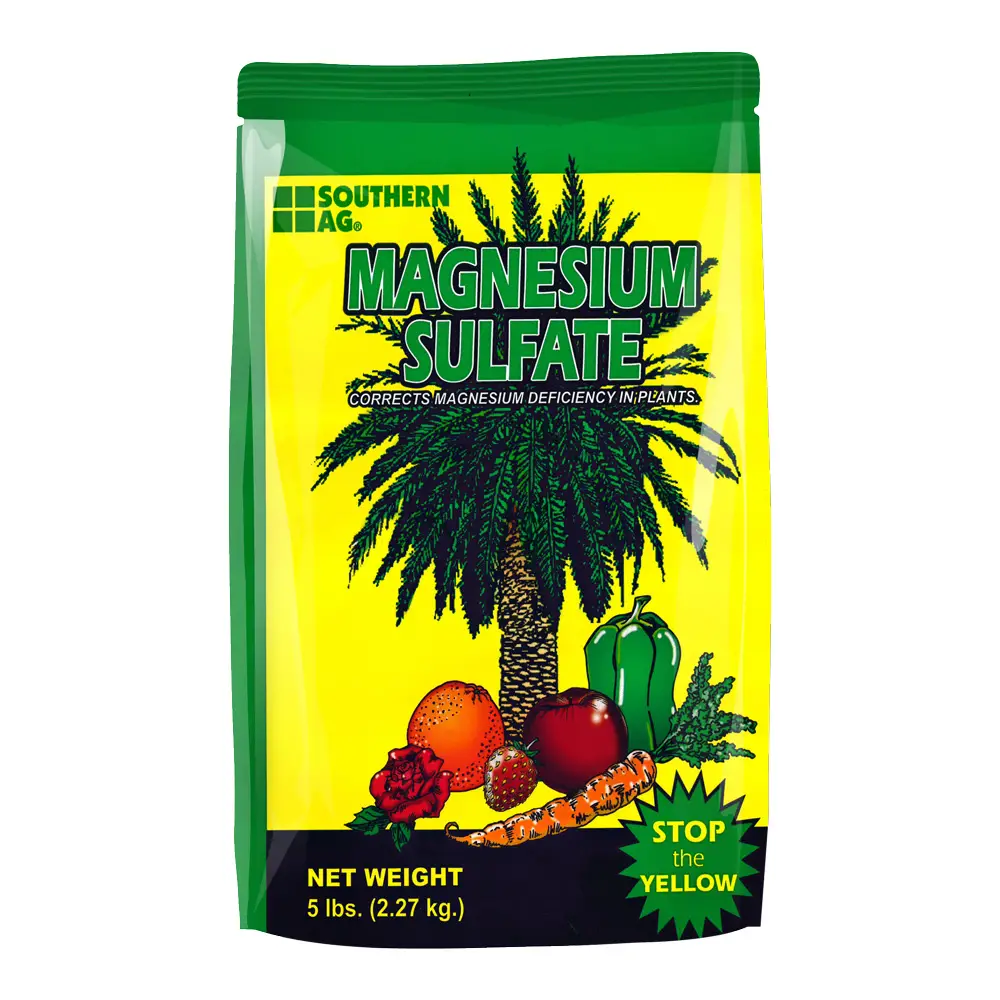
Root 98 Warehouse Southern Ag Magnesium Sulfate is a dry, water-soluble fertilizer for correcting magnesium deficiency in shrubs and trees. It helps acidify soils with less risk of staining and is designed for use on citrus, palms, trees, shrubs, annuals, and turf. Apply by spreading over the treatment area and watering in; do not mix or spray.
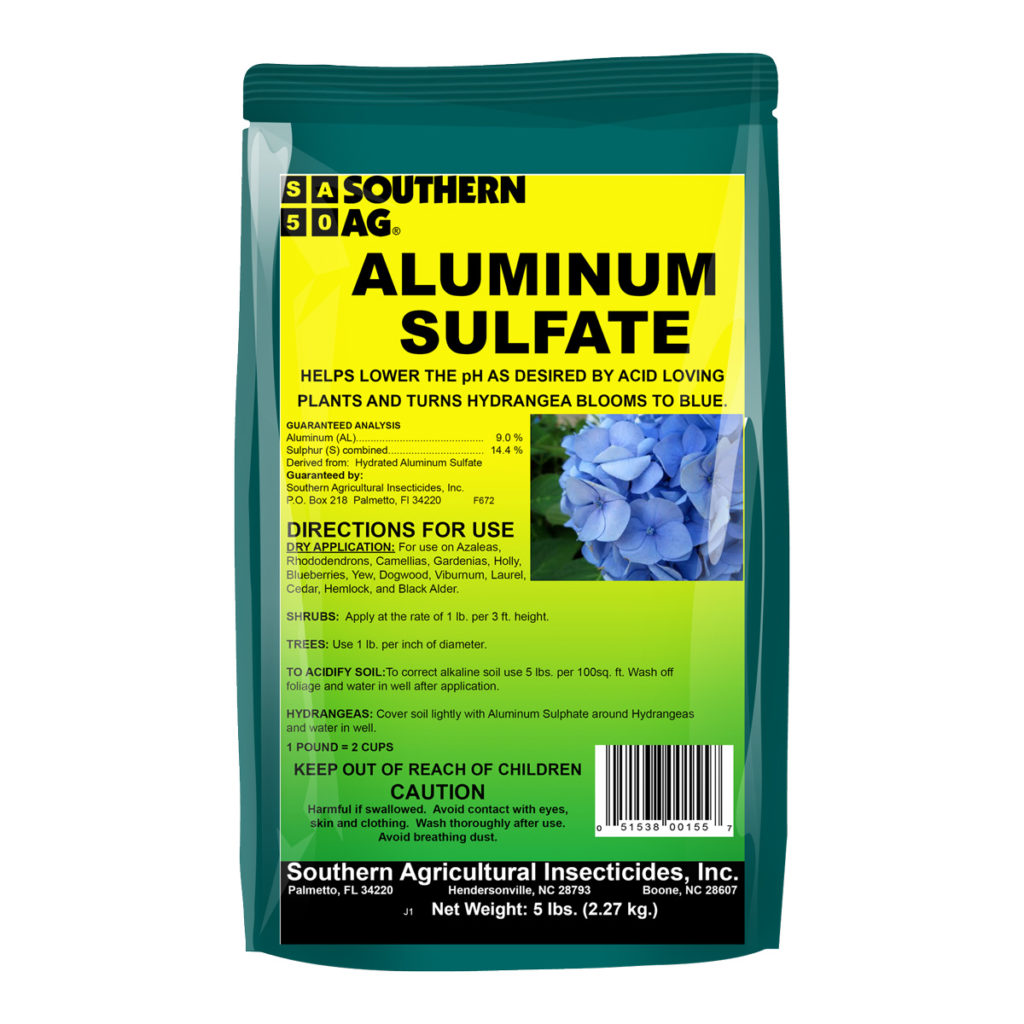
Southern Ag Aluminum Sulfate is a soil acidifier that helps lower pH and corrects high alkalinity, making it ideal for acid-loving plants. It’s great for hydrangeas and other shrubs and trees that prefer acidic conditions, including rhododendrons, blueberries, azaleas, and more. Broadcast evenly and wash off foliage, then water after application.
Cause 4: High Soil pH and Nutrient Stress
A rhododendron struggling with alkaline soil conditions directs what resources it has toward survival rather than flowering. Iron chlorosis, the yellowing symptom of high pH, reduces photosynthetic capacity and the plant simply does not accumulate the carbohydrate reserves needed for a good flowering year.
Fix: Test soil pH and bring it to 4.5 to 6.0 using the methods in the soil acidification guide. Apply chelated iron as a foliar spray for immediate improvement in leaf color while the pH correction takes effect. Fertilize with an acid-forming fertilizer as described in the best fertilizer for rhododendrons and azaleas guide.
Cause 5: Young Plant Not Yet of Blooming Age
A newly planted rhododendron from a small nursery pot may simply not yet be old enough or large enough to flower reliably. Most rhododendrons begin flowering in earnest once the root system is well established, typically two to three years after planting in good conditions.
Fix: Be patient with young plants. Ensure soil pH, drainage, moisture, and light are correct, and expect flowering to improve each year as the plant matures.