
Rhododendron vs Azalea: What Is the Difference?
Rhododendrons and azaleas are not two separate genera: azaleas are rhododendrons, a subset of the Rhododendron genus grouped by certain characteristics that historically placed them in a separate category before botanical classification was standardized. Today all azaleas are classified within Rhododendron, but the common names persist because they describe distinct plants with genuinely different characteristics, landscape uses, and cultural needs.
Leaf Characteristics
The most reliable visual way to tell the two apart is the leaves. Rhododendrons have large, leathery, evergreen leaves that persist year-round. The leaves are typically 10 to 20 centimeters long, oval to oblong in shape, and have a smooth upper surface with a slightly rolled margin. Many large-leafed rhododendrons have a distinctive rust-colored or tan coating of hairs called indumentum on the leaf underside.
Azaleas have smaller, softer leaves. Deciduous azalea varieties shed their leaves in autumn and produce some of the most impressive autumn foliage color of any shrub. Evergreen azaleas (the compact, mounding varieties common in foundation plantings) hold their leaves but have much smaller, finer foliage than rhododendrons. Both types of azalea have leaves covered in fine hairs when inspected closely.
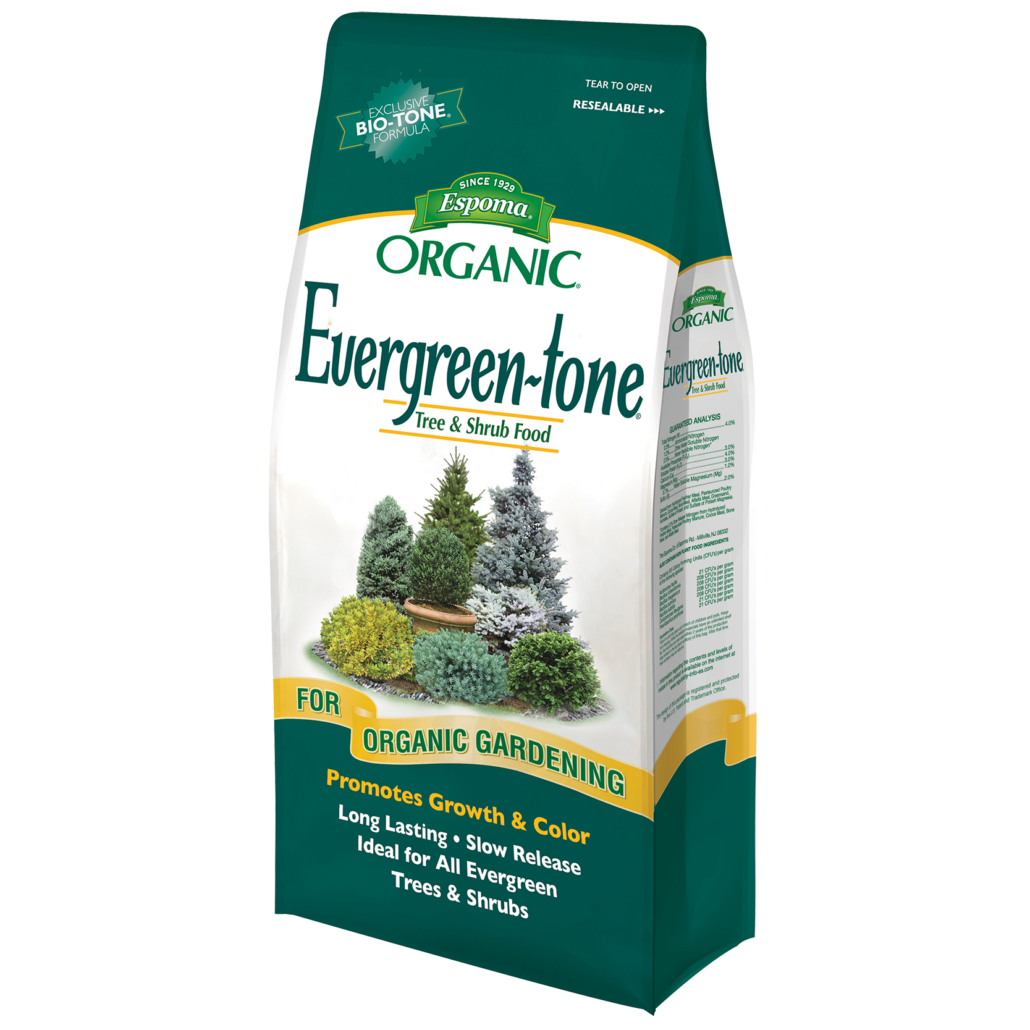
Evergreen-Tone is a rich blend of natural and organic ingredients enhanced with humates and beneficial microbes to support evergreen trees and shrubs. It promotes deep green foliage with long-lasting slow-release feeding, helping acidify the soil with elemental sulfur. Made with no sludges or fillers, it’s designed for consistent, quality results and is safe for people, pets, and the planet.
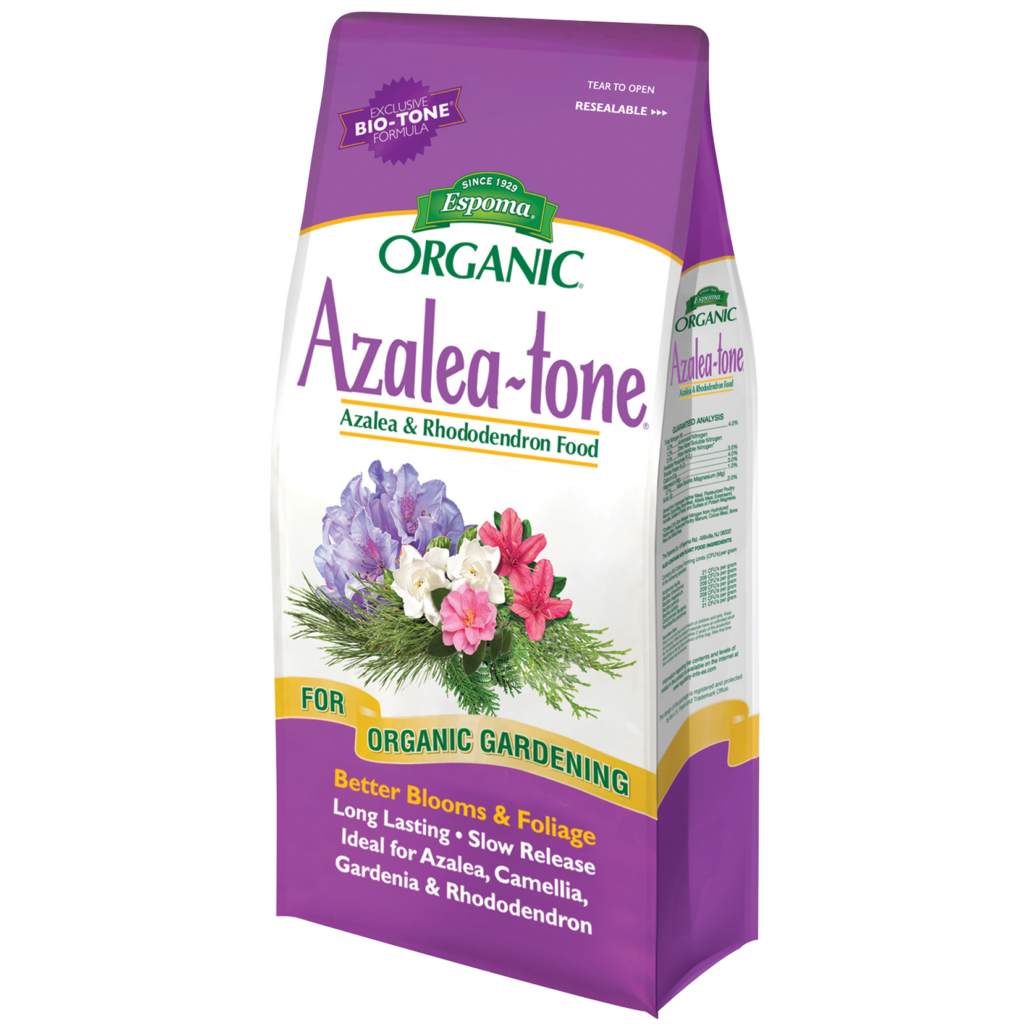
Espoma Organic Azalea-Tone is a natural and organic fertilizer designed for azaleas and flowering evergreen shrubs. Its slow-release formula helps promote deep green color and bigger blooms while elemental sulfur aids in acidifying the soil. Enhanced with humates and beneficial microbes, it delivers consistent, quality feeding with no sludges or fillers.
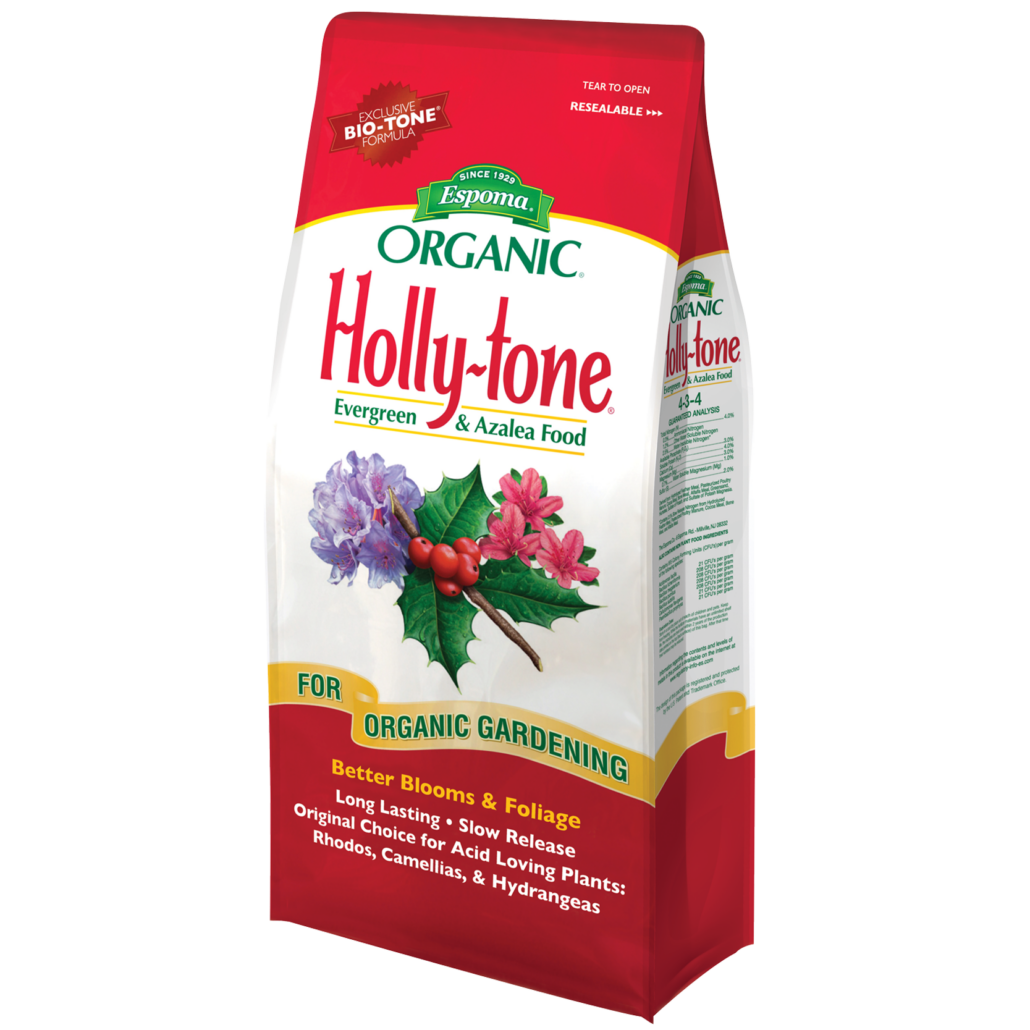
Espoma Organic Holly-Tone is the original plant food for all acid-loving plants, delivering deep green color and bigger blooms. This natural and organic, long-lasting slow-release formula helps acidify soil with elemental sulfur and supports healthy growth with humates and beneficial microbes. It’s made without sludges or fillers and is safe for people, pets, and the planet.
Flower Structure
Rhododendron flowers form large, spherical or dome-shaped clusters called trusses, with each truss containing multiple bell-shaped flowers. Individual flowers typically have 10 or more stamens. The blooms are often waxy and substantial in texture, and trusses can be the size of a grapefruit in large-leafed species.
Azalea flowers are funnel-shaped and more delicate in form. Most azalea flowers have 5 stamens (deciduous species) or 5 to 10 (evergreen species). They tend to appear in smaller clusters or singly along the stem and produce a dense coverage of blooms that can obscure the foliage entirely in a good flowering year.
Deciduous vs Evergreen Habit
Most rhododendrons sold in garden centers are evergreen, providing year-round structure in the garden. Most azaleas sold as garden shrubs in North America are also evergreen (particularly the Kurume, Encore, and Glenn Dale hybrids common in foundation planting). However, native and species deciduous azaleas including flame azalea (R. calendulaceum), pinkshell azalea (R. vaseyi), and the numerous Exbury and Knap Hill hybrid groups are deciduous and produce spectacular spring blooms before leafing out.
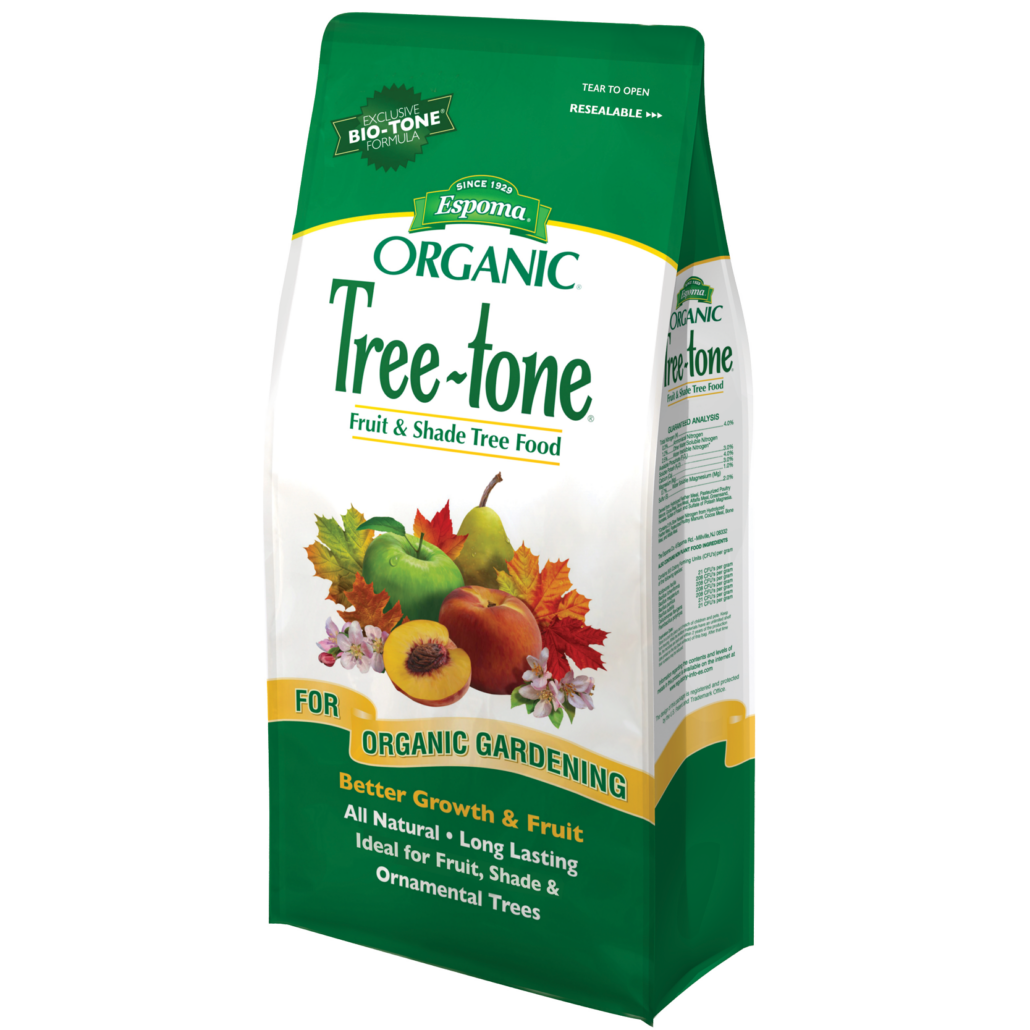
Espoma Organic Tree-Tone is an all-natural and organic fertilizer for shade, fruit, and ornamental trees, supporting healthy growth for favorites like peach and apple. The 6-3-2 formulation includes 5% calcium and is enhanced with Espoma’s Bio-tone formula. Best used in spring and fall, it is ready to use with no mixing required and is approved for organic gardening.
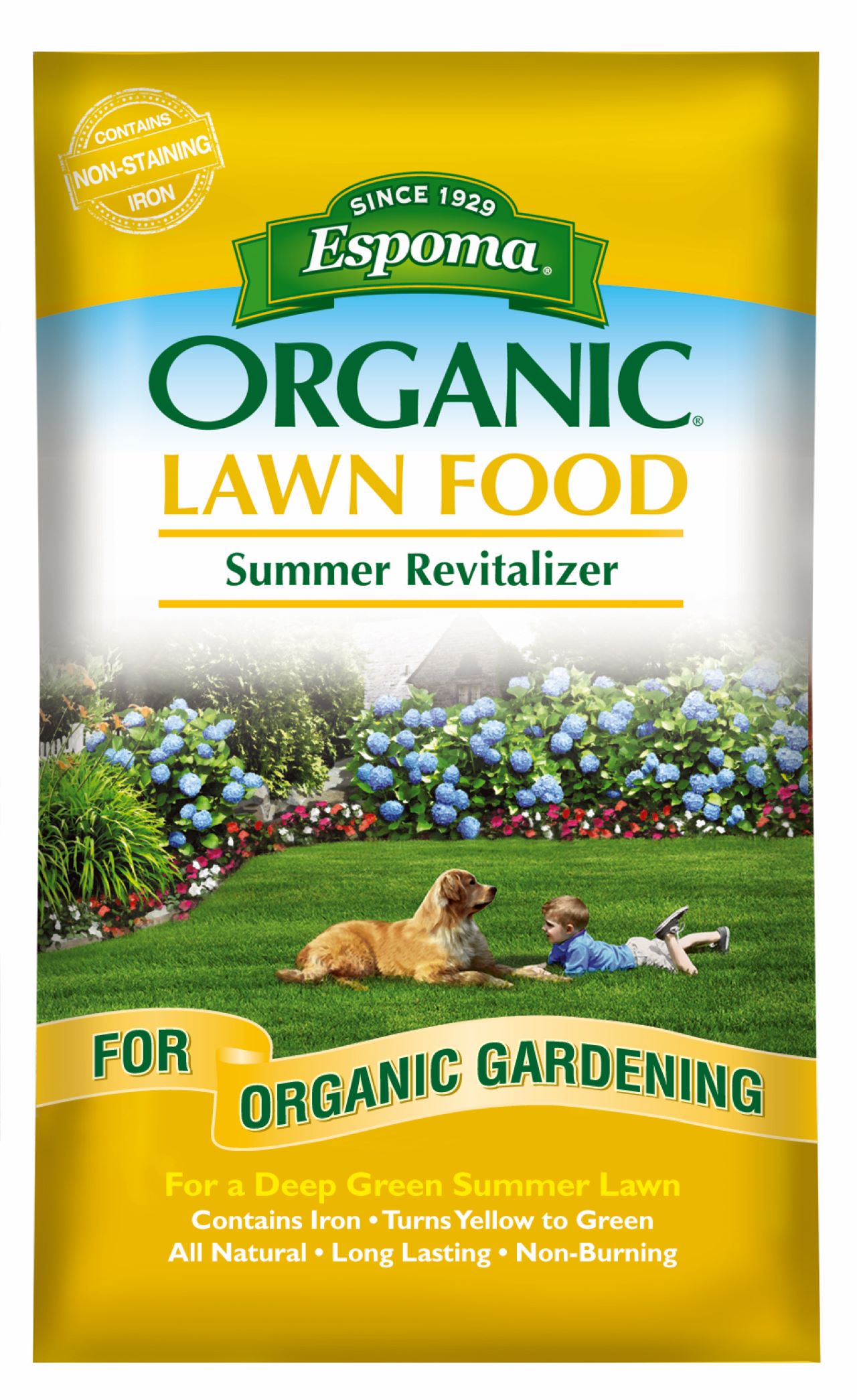
Espoma Organic Lawn Food Summer Revitalizer 8-0-0 delivers long-lasting organic nitrogen to help invigorate lawns during hot weather while adding iron for deep, greener color. Designed for all lawn types and cool- or warm-season grasses, it helps turn yellow lawns back to green without burning or leaching out of soil. Environmentally safe with no sludges or toxic ingredients, it won’t stain concrete, sidewalks, or driveways and is approved as a registered organic input material.
Cold Hardiness
Deciduous azaleas are generally the most cold-tolerant members of the Rhododendron genus, with some species hardy to USDA zone 4 and selections of native species surviving zone 3 winters. Evergreen azaleas are typically hardy to zones 5 through 9 depending on variety. Large-leafed rhododendrons vary: some dwarf species are reliably cold-hardy to zone 4, while large-flowered hybrid rhododendrons perform best in zones 6 through 9 and suffer significant leaf and bud damage in colder climates. In cold climates, the winter care guidance for protecting buds applies as much to rhododendrons as it does to bigleaf hydrangeas.
Shared Requirements
Despite their differences, both rhododendrons and azaleas share the need for acidic soil between pH 4.5 and 6.0, consistent moisture, good drainage, and partial shade. The practical approach to soil preparation before planting either is covered in the growing guides: how to grow azaleas and how to grow rhododendrons.