
Tools and Equipment for Lawn and Garden
Choosing the right outdoor power tool or garden implement is a purchasing decision that affects every session of yard work for years. This section of Bovees covers the full range of tools homeowners use to mow, trim, blow, spread, cultivate, and maintain a residential property: buying guides built around practical use cases, side-by-side comparisons of competing products and fuel types, and maintenance references that extend the working life of what you already own.
What This Section Covers
The tools and equipment guides here are organized by product category rather than brand. Each hub page establishes the primary selection framework for that category before branching into specific product comparisons, model reviews, and maintenance how-tos. The seven categories covered are lawn mowers, string trimmers and weed eaters, backpack and leaf blowers, spreaders, garden power tools, engine maintenance and fuel, and hand tools and garden implements.
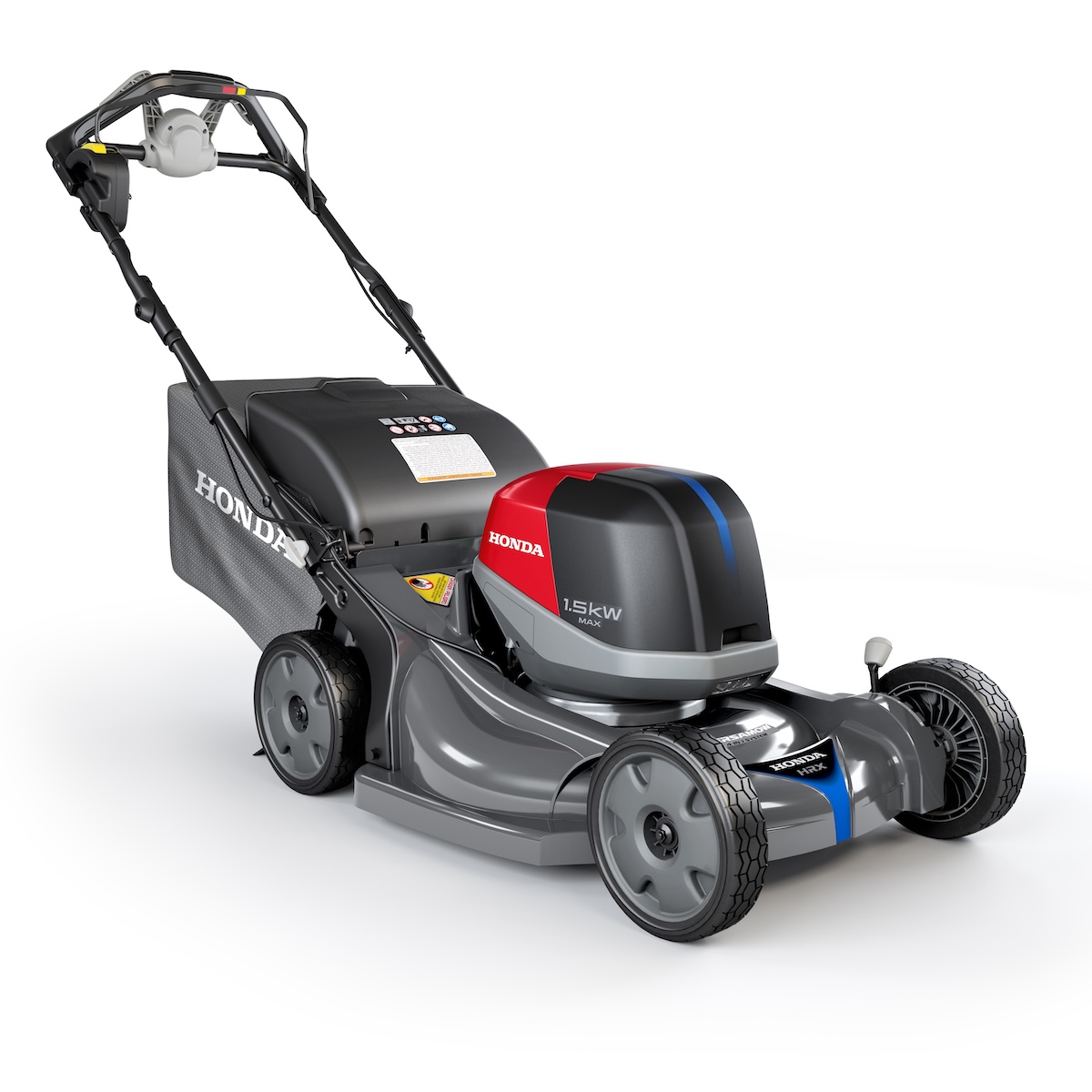
The Honda HRX-BV battery powered lawn mower delivers high torque performance for clean cutting in thick and tall grass. It features 4-in-1 Versamow with Clip Director for mulching, bagging, discharge, and leaf shredding without attachments. Enjoy variable speed self propulsion, adjustable cutting height, and up to 30 minutes of run time per charge for about 1/4 acre.
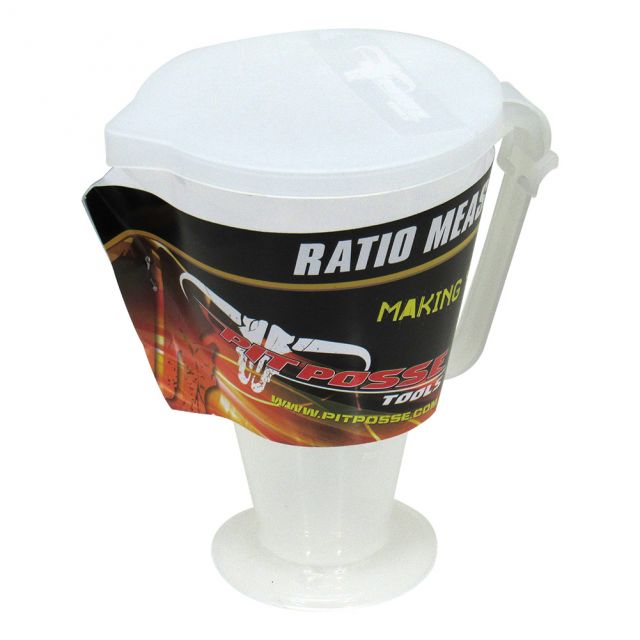
Pit Posse PP3318 is a racing utility measuring cup designed to mix 2-stroke oil and other engine fluids to accurate ratios. It features readable CC and ounce marks plus a 16:1 to 70:1 premix scale to remove guesswork and help you add the right amount quickly. A durable polyurethane jug with a debris-preventing cap and spill-resistant lid helps keep mixtures clean and easier to stir or shake for an even blend.

Sea Dog Accu-Mix helps you accurately measure the correct oil-to-gas mixture for 2-cycle engines. The see-through bottle shows multiple mix ratios, including 24:1, 33:1, 40:1, 50:1, and 100:1, so you can measure in both liters and gallons. This reduces guesswork and helps ensure your crew mixes fuel correctly every time.
Lawn Mowers
Walk-behind mowers, self-propelled mowers, and riding mowers each suit different combinations of yard size, terrain, and physical demand. The lawn mowers hub works through the yard-size thresholds and terrain types that determine which configuration makes practical sense, then addresses the gas, battery, and corded-electric power source decision that follows. Individual guides cover the best self-propelled lawn mowers for typical suburban lots, the best battery-powered options for buyers stepping away from gas, and a gas vs electric mower comparison that works through the full cost and convenience trade-off for buyers who are undecided on power source.
String Trimmers and Weed Eaters
String trimmers handle the edge work that mowers cannot reach: fence lines, garden bed borders, tight corners, and areas around trees and posts. The string trimmers and weed eaters hub covers the gas vs battery vs corded-electric decision, straight vs curved shaft configurations, trimmer line diameter and shape selection, and the growing category of cordless trimmer and blower combination kits that share a battery platform across both implements. Readers managing two-stroke trimmer engines will also find the relevant fuel mix guidance in the engine maintenance hub.
The NO-SPILL 2-1/2 gal Gas Can makes fueling cleaner and more controlled with a thumb button that starts and stops flow instantly. A 7/8-inch funnel spout with an attached dust cover helps fill small equipment while keeping the spout clean. The integrated 20 mesh stainless steel screen and auto-stop feature cut off fuel before overflow to reduce mess and accidental spills.
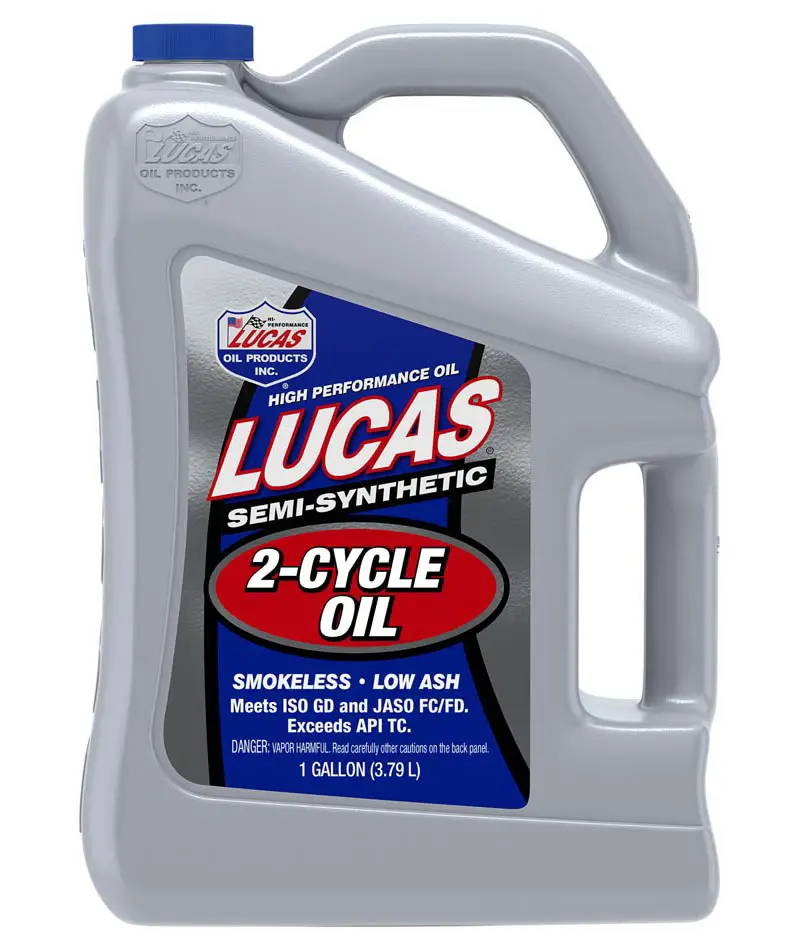
Lucas Oil High Performance semi-synthetic 2-cycle motor oil is specially formulated for oil injection systems or premix ratios up to 50:1. Its advanced smokeless formula with low-ash additives helps deliver cleaner burning, reducing emissions and improving power. An ashless detergent inhibitor package helps minimize spark plug fouling and combustion deposits for cleaner exhaust ports and long trouble-free engine life.
Backpack and Leaf Blowers
Leaf blowers vary considerably in performance and form factor, and matching the right type to the property size and leaf volume matters more than most buyers expect before using them. The backpack and leaf blowers hub explains the CFM vs MPH distinction that determines real-world clearing ability, covers the Husqvarna backpack blower line in depth across individual model reviews, and includes a battery leaf blower buying guide for buyers who want to eliminate gas from their outdoor tool setup entirely.
Spreaders
Spreaders distribute granular fertilizer, grass seed, and ice melt evenly across a lawn surface, and the format of the spreader determines how precisely and how widely the material lands. The spreaders hub covers the broadcast vs drop distinction that is the primary format decision, addresses calibration so the material lands at the rate the product label specifies, and includes guides to handheld models for small lawns and tow-behind models for large properties. Readers choosing a broadcast spreader will find that the lawn fertilizer guides in the lawn care section cover the product side of the application equation.
Garden Power Tools
Tillers, cultivators, aerators, and power rakes handle the mechanical soil work that prepares new beds, maintains existing garden areas, and renovates compacted or thatch-heavy lawns. The garden power tools hub opens with the tiller vs cultivator distinction that buyers most often misread before purchase, then covers electric and battery-powered options that have become practical alternatives to gas for most home-scale tilling and cultivation work.
Engine Maintenance and Fuel
Gas-powered outdoor tools share a set of maintenance requirements that apply across mowers, trimmers, blowers, and tillers: correct fuel grade, proper oil viscosity, calibrated two-stroke fuel mix ratios for engines that need them, and a fuel stabilization and storage routine before long off-season periods. The engine maintenance and fuel hub covers all of these, starting with the two-stroke vs four-stroke distinction that determines whether the tool needs mixed fuel or straight gasoline with separate oil. Winterization, carburetor cleaning, and spark plug replacement guides sit alongside the fuel selection references for readers maintaining a full tool shed.
Hand Tools and Garden Implements
Spades, forks, hoes, rakes, and trowels are the tools reached for most consistently in any garden, and construction quality determines how long they stay sharp and how well they hold up through heavy use. The hand tools and garden implements hub covers material and handle quality across all five tool categories, distinguishes between soil-working implements and cleanup tools, and includes sharpening and seasonal storage guides that apply across the whole kit.
Pruning Tools and Chainsaws
Pruning-specific hand tools and chainsaws are covered in a separate silo dedicated to tree and shrub care. Loppers, bypass pruners, and pole saw guides are in the pruning tools hub. Chainsaw selection, operation, and maintenance guides are in the chainsaw and cutting tools hub. Readers who arrive here from a chainsaw query and need fuel mix information will find the 40:1 vs 50:1 fuel mix guide in the engine maintenance hub, since the same two-stroke pre-mix ratios apply to chainsaws, trimmers, and blowers alike.
Connecting Equipment to Lawn Care Practice
Equipment selection and lawn care technique reinforce each other. The mower type, trimmer format, and spreader calibration all depend on how the lawn is managed across the growing season. Readers focused on the scheduling, product application, and technique side of residential lawn maintenance will find that context in the lawn care section, which covers mowing, fertilizing, watering, and seasonal care from a practice rather than an equipment perspective.