
String Trimmers and Weed Eaters: Buying Guides and Reviews
A string trimmer handles the edge and border maintenance that a mower cannot reach cleanly: fence lines, garden bed margins, areas around trees and fence posts, steps, and any corner where a rotating blade is too wide or too dangerous to maneuver. Known interchangeably as weed eaters, weed whackers, and line trimmers, string trimmers share the same basic cutting mechanism: a length of monofilament line spins at high speed and cuts through grass and soft-stemmed vegetation by impact. This hub covers the full selection framework for residential buyers, from power source to line type, and links to the specific product guides and how-tos that follow.
Power Source: Gas vs Battery vs Corded Electric
The power source decision is the most consequential choice when selecting a string trimmer, and it determines weight, runtime, maintenance requirements, and long-term operating cost. Gas trimmers deliver the highest output and unlimited runtime limited only by the fuel tank, but require two-stroke pre-mixed fuel, a cold-start procedure, and regular carburetor and spark plug maintenance. Battery-powered trimmers have become the dominant choice for most residential buyers, offering tool-free starting, no fuel mixing, and quiet operation at output levels that handle typical lot sizes with ease on a single charge. Corded electric trimmers are the lightest and least expensive option but limit working radius to the cord length and are best suited to small, open lots without complex border layouts.
The cordless vs electric vs gas weed eater comparison covers all three power sources in detail, including the five-year total ownership cost comparison that typically favors battery over gas for homeowners trimming once a week through a six-month season.
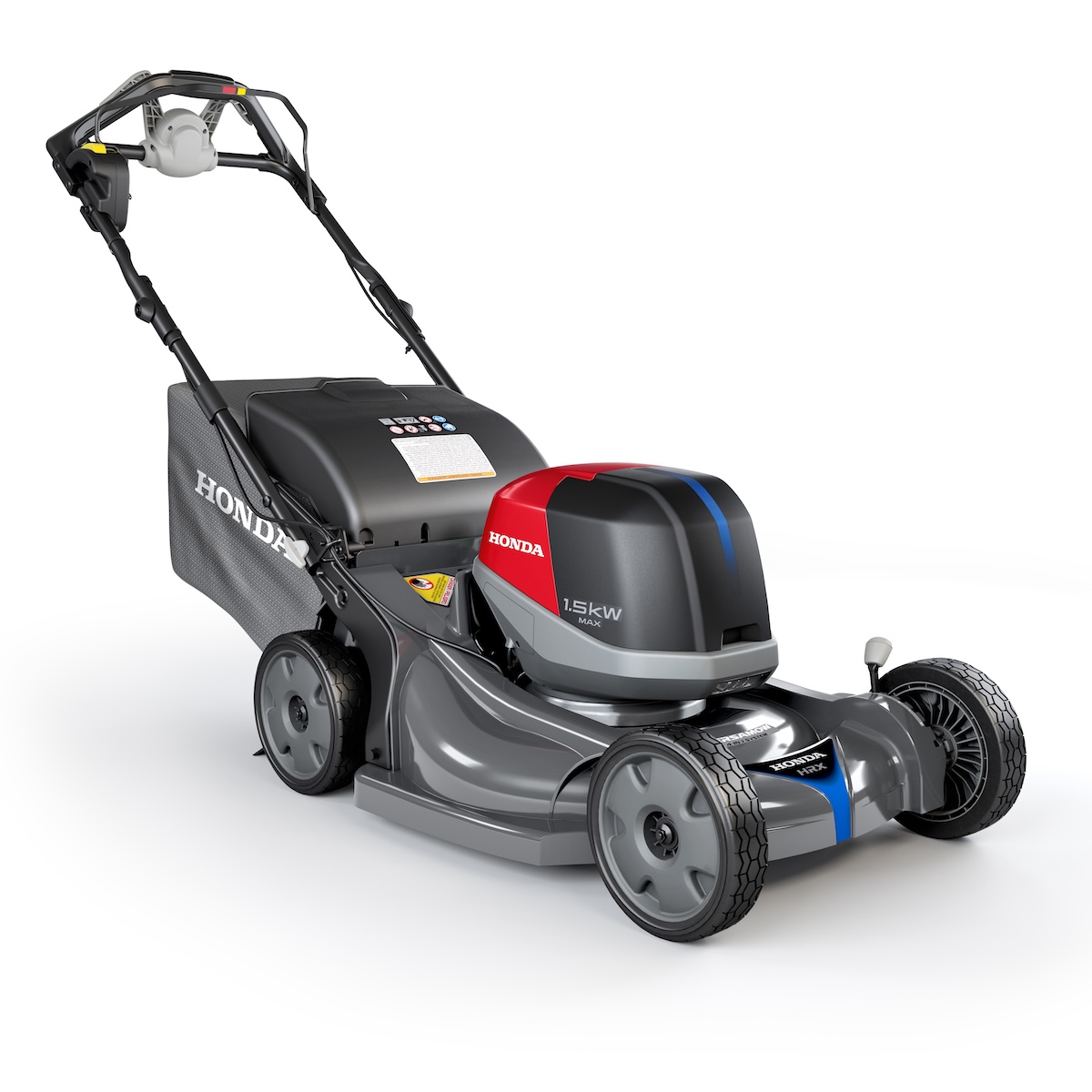
The Honda HRX-BV battery powered lawn mower delivers high torque performance for clean cutting in thick and tall grass. It features 4-in-1 Versamow with Clip Director for mulching, bagging, discharge, and leaf shredding without attachments. Enjoy variable speed self propulsion, adjustable cutting height, and up to 30 minutes of run time per charge for about 1/4 acre.
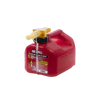
The NO-SPILL 2-1/2 gal Gas Can makes fueling cleaner and more controlled with a thumb button that starts and stops flow instantly. A 7/8-inch funnel spout with an attached dust cover helps fill small equipment while keeping the spout clean. The integrated 20 mesh stainless steel screen and auto-stop feature cut off fuel before overflow to reduce mess and accidental spills.
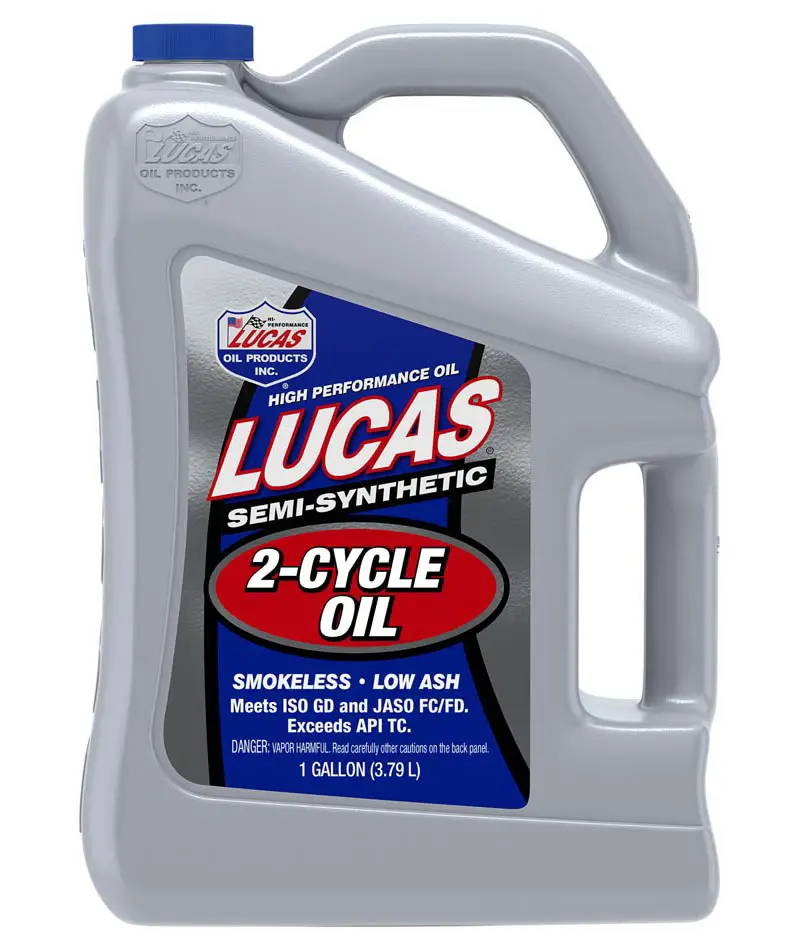
Lucas Oil High Performance semi-synthetic 2-cycle motor oil is specially formulated for oil injection systems or premix ratios up to 50:1. Its advanced smokeless formula with low-ash additives helps deliver cleaner burning, reducing emissions and improving power. An ashless detergent inhibitor package helps minimize spark plug fouling and combustion deposits for cleaner exhaust ports and long trouble-free engine life.
Straight Shaft vs Curved Shaft
Shaft configuration affects reach, balance, and the range of attachments the trimmer can accept. Straight-shaft trimmers place the engine or motor at one end and the cutting head at the other with no curve in the shaft. They reach further under shrubs and into tight border areas, accept a wider range of attachment heads including brush cutter blades and edger attachments, and are the better choice for taller users. Curved-shaft trimmers are lighter, better balanced for shorter users, and more maneuverable in confined spaces, but cannot accept most power head attachments. The straight vs curved shaft trimmer comparison covers the trade-offs in detail with clear guidance for different user heights and yard layouts.
Trimmer Line
Trimmer line wears through use and needs to be refilled periodically. Line diameter, shape, and material all affect cutting performance, noise level, and how quickly the line wears. Round line in 0.065 to 0.080 inch diameter suits most residential grass cutting. Heavier diameters from 0.095 to 0.105 inch handle tougher vegetation and thicker weed stems. Twisted, star-shaped, and serrated cross-section lines cut more aggressively than round line of the same diameter, with the trade-off of slightly faster wear. The best trimmer line guide covers the full range of diameters, shapes, and materials with recommendations by use case and trimmer type.

Husqvarna XP+ 2-stroke oil is engineered to maximize performance in all Husqvarna 2-stroke engines. It’s JASO-FD certified with a low-smoke, low operating temperature formulation to help maintain engine protection. The semi-synthetic blend includes fuel stabilizer for improved consistency during use and storage.
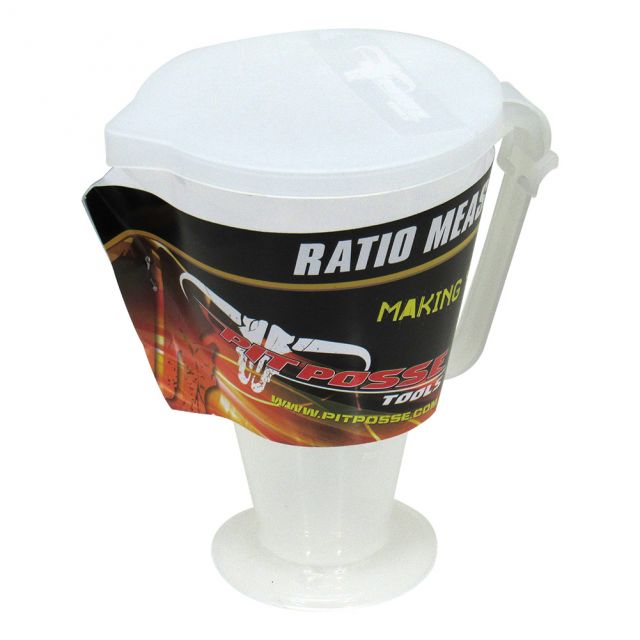
Pit Posse PP3318 is a racing utility measuring cup designed to mix 2-stroke oil and other engine fluids to accurate ratios. It features readable CC and ounce marks plus a 16:1 to 70:1 premix scale to remove guesswork and help you add the right amount quickly. A durable polyurethane jug with a debris-preventing cap and spill-resistant lid helps keep mixtures clean and easier to stir or shake for an even blend.
Best Trimmers by Category
Buyers choosing a trimmer for a specific use case will find targeted guidance in the category guides listed below.
The best lightweight weed eater guide covers the lightest battery and corded models suited to small lots, users with limited upper body strength, and buyers who want a trimmer that stores easily in a tight space.
The best battery-powered weed eater guide covers the top performers across the main battery platforms, with a primary sort on cutting width, battery runtime per charge, and the weight and balance of the trimmer at working height.
The best gas weed eater guide covers the strongest-performing gas trimmers for buyers managing large lots with dense weed growth, heavy border vegetation, or properties where battery runtime is a practical constraint.
How to Restring a Weed Eater
Line runs out during a trimming session and refilling the spool is a routine maintenance task that every trimmer owner encounters. The procedure varies between bump-feed heads, which advance line automatically with each ground tap, and manual or fixed-line heads, which require a different loading technique. The how to restring a weed eater guide covers both head types with clear step-by-step instructions, including the common winding errors that cause the line to jam or tangle inside the head.
Trimmer and Blower Combination Kits
Several battery tool manufacturers offer trimmer and blower kits that share a single battery platform. These combination kits reduce the total investment cost when a buyer needs both tools and provide the convenience of a single charger and interchangeable battery packs. The best cordless trimmer and blower combo guide covers the top kits available, with guidance on which platform offers the best expansion path for buyers who will add additional tools from the same ecosystem. Readers evaluating standalone blowers alongside the combination options will find the full blower category covered in the backpack and leaf blowers hub.
Fuel and Maintenance for Gas Trimmers
Gas string trimmers run two-stroke engines that require pre-mixed fuel at a ratio of 40:1 or 50:1 depending on the manufacturer specification. Using the wrong ratio is the most common cause of preventable two-stroke engine wear. The engine maintenance and fuel hub covers fuel grade selection, the correct mix ratio for common trimmer engines, fuel stabilization for off-season storage, and the spark plug and air filter service intervals that keep two-stroke engines running cleanly. Readers who also mow with a gas mower will find that much of the fuel guidance overlaps across both tool types.
Trimming Technique
Equipment selection and trimming technique work together. A straight-shaft trimmer set at the correct cutting height with the right line diameter covers ground faster and with less fatigue than the same session with mismatched equipment. The technique and scheduling side of trimming, including when to trim relative to mowing, how to edge cleanly along hard borders, and how to trim around trees without scalping the bark, is covered in the lawn care mowing and trimming guides.