
Best Trimmer Line for Home and Heavy Use
Trimmer line selection affects cutting performance, noise level, line wear rate, and compatibility with the bump-feed head on the trimmer. The line diameter must match the head’s rated capacity; the cross-sectional shape determines how aggressively the line cuts and how quickly it wears; and the material determines brittleness, flexibility in cold weather, and suitability for different vegetation types. For most residential use, a mid-diameter round or twisted line is the correct starting point, and the specific pick within that range depends on the trimmer type and the vegetation being cut.
Line Diameter
Line diameter is measured in inches and determines both the cutting capability and the compatibility with the trimmer head. Using a diameter heavier than the head’s rating causes the line to jam inside the spool cavity and prevents the bump-feed from working. Using a lighter diameter than the vegetation requires causes the line to break on contact with thick stems.
Round line in 0.065 inch diameter suits corded electric trimmers and light battery trimmers for soft grass on maintained borders. The 0.080 inch diameter is the most widely used residential size and handles typical lawn grass and moderate weed growth on gas and mid-range battery trimmers. The 0.095 inch diameter suits heavy gas trimmers for tougher weed stems, overgrown borders, and vegetation with woody base growth. The 0.105 and 0.130 inch diameters are professional-class and suit commercial trimmers with the torque to drive them without stalling.
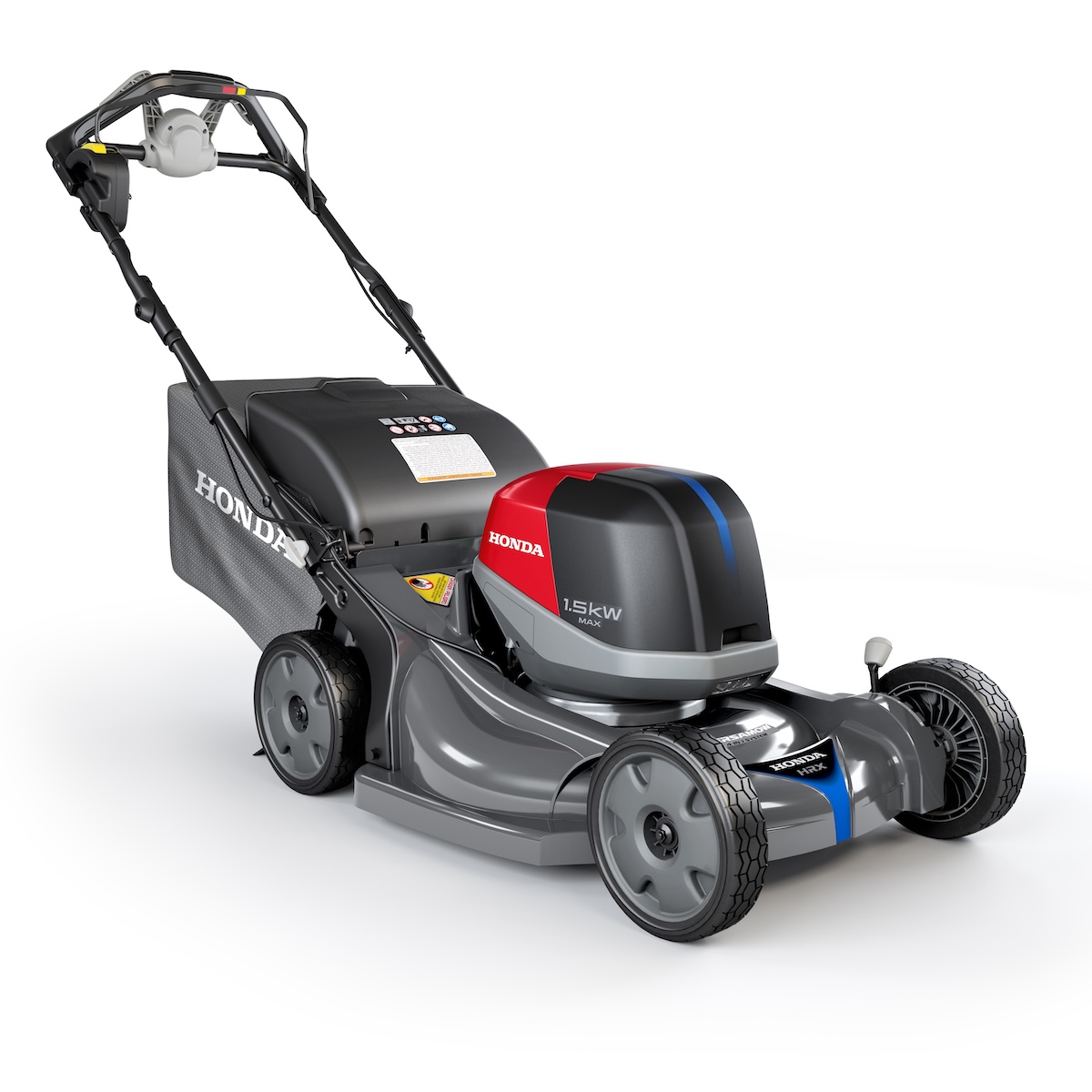
The Honda HRX-BV battery powered lawn mower delivers high torque performance for clean cutting in thick and tall grass. It features 4-in-1 Versamow with Clip Director for...
Cross-Sectional Shape
Round line is the standard residential choice. It cuts by impact, is the quietest shape in operation, feeds reliably through bump-feed heads, and is available in the widest range of diameters and materials. It wears evenly on all sides.
Twisted line, also called serrated or spiral line, uses a helical twist along the length that produces a slight cutting action beyond pure impact. It cuts through soft vegetation more efficiently than round line of the same diameter and produces a quieter whirring sound in operation compared with multi-sided shapes. Twisted line suits buyers who want improved cutting efficiency over standard round line without the noise of aggressive multi-sided designs.
Star, square, and multi-sided line profiles cut more aggressively than round or twisted line because the sharp corners produce a slicing action against vegetation stems in addition to the impact force. They are louder in operation and wear faster than round line of the same diameter, but they handle thick-stemmed weeds and tall overgrown growth with noticeably less resistance. Multi-sided line suits heavy gas trimmers and buyers dealing with consistently tough vegetation.
Material
Standard nylon trimmer line is the most widely available material and suits normal residential use at normal operating temperatures. It becomes brittle in very cold conditions (below 40 degrees Fahrenheit) and is more prone to snapping when stored in cold environments or used in early spring before temperatures rise.
Copolymer and polymer-blend lines add flexibility agents to the nylon base to reduce cold-weather brittleness and increase flexibility for longer cut life. They cost more per foot than standard nylon but last longer in real-world use, making the cost difference less significant on a per-hour-of-trimming basis.
Top Trimmer Line Picks
Best for most residential use: Oregon 21-395 0.080-inch round copolymer
Oregon’s 0.080-inch copolymer line is the most consistently recommended general-purpose residential trimmer line. It feeds reliably through bump-feed heads, holds up in moderate temperatures, and handles typical lawn border grass and light weed growth cleanly. Available in 50-foot and 100-foot rolls.
Best for heavy vegetation: Husqvarna Titanium Force 0.095-inch
Husqvarna’s Titanium Force line in 0.095-inch diameter uses a polymer blend that provides above-average abrasion resistance for use against fence posts, concrete borders, and thick weed stems. It suits heavy gas trimmers and buyers who regularly encounter tougher vegetation.
Best twisted line: Arnold Maxi-Edge 0.080-inch twisted
The Arnold Maxi-Edge twisted profile delivers better cutting efficiency through soft grass than round line of the same diameter and is quieter in operation than square or star profiles. It suits battery and light gas trimmers where cutting efficiency matters but the trimmer motor cannot sustain the load of a heavy multi-sided line.
Loading New Line
The how to restring a weed eater guide covers the full spool winding procedure, including the winding direction step that most commonly causes jams when done incorrectly.