
Straight vs Curved Shaft Trimmer: What Is the Difference?
The shaft of a string trimmer is the tube that runs from the motor or engine at one end to the cutting head at the other. In a straight-shaft trimmer, this tube runs in an unbroken straight line. In a curved-shaft trimmer, the tube curves downward near the cutting head end, positioning the cutting head closer to the operator’s body and at a different angle relative to the ground. That geometric difference produces a set of practical trade-offs in reach, balance, maneuverability, and the range of cutting head attachments the tool can accept. Neither shaft type is categorically better: each suits a different combination of yard type, user height, and intended use.
How Straight-Shaft Trimmers Work
A straight-shaft trimmer connects the engine or motor to the cutting head through an unbroken straight driveshaft inside the tube. Because the shaft is straight, the cutting head extends further from the operator’s body, providing more reach under shrubs, overhanging plants, and tight spaces. The straight geometry also allows power to be transmitted from the engine to the head through a direct, uninterrupted driveshaft, which is the mechanical reason straight-shaft models tend to be more durable under sustained high-power use than curved-shaft models at the same engine class.
Straight-shaft trimmers typically accept a broader range of attachment heads, including brush cutter blades, edger disk attachments, and cultivator heads, because the straight driveshaft can be coupled to the attachment through a standard fitting. Professional and commercial trimmer lines are exclusively straight-shaft for this reason.
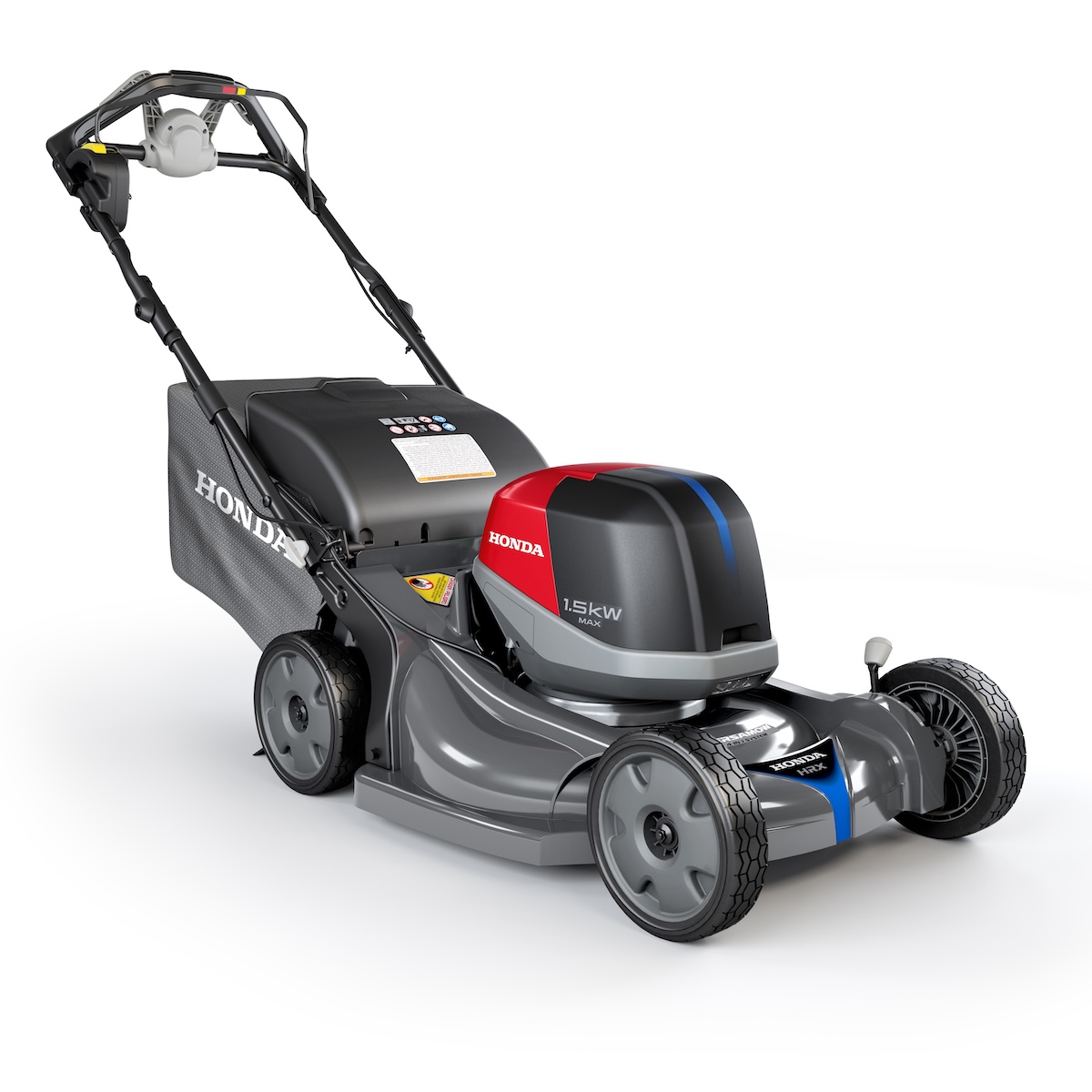
The Honda HRX-BV battery powered lawn mower delivers high torque performance for clean cutting in thick and tall grass. It features 4-in-1 Versamow with Clip Director for...
How Curved-Shaft Trimmers Work
A curved-shaft trimmer uses a flexible cable inside the curved tube section to transmit rotation from the engine to the cutting head. The curve brings the cutting head closer to the operator’s body and lowers its angle relative to the ground, which many users find more ergonomic at lower body heights. Curved-shaft trimmers are typically lighter than straight-shaft models at the same engine displacement because the design allows for a shorter overall shaft length and a less robust driveshaft inside the curve.
The flexible cable inside the curve is the component most subject to wear in curved-shaft designs. High-torque use with thick line or brush cutter attachments stresses the cable at the bend point. This is why curved-shaft models are generally not recommended for brush cutter blade use and are not the first choice for sustained heavy-load trimming sessions.
Reach and Clearance
Straight-shaft trimmers reach further under obstacles because the head extends further from the operator’s hands at a lower angle. Clearing under low-hanging shrubs, around fence posts with narrow clearance, and in corners where the operator cannot stand directly over the area benefits from the extended reach of a straight shaft. Curved-shaft trimmers are more maneuverable in open areas and produce less fatigue through shorter trimming sessions, but their reach under obstacles is limited by the angle the curve imposes.
Balance and User Height
Balance is the variable that most consistently separates user preference between straight and curved shaft. For taller users above 5 feet 8 inches, a curved-shaft trimmer places the cutting head at a steeper ground angle, requiring the user to bend forward or tilt the handle uncomfortably to keep the cutting head flat and parallel to the ground. A straight-shaft trimmer, held at the natural arm angle for a taller user, keeps the head parallel to the ground more naturally. For shorter users below 5 feet 4 inches, the reverse is often true: the curve of a curved-shaft trimmer brings the head to the ground at a more natural arm angle without stooping or awkward handle tilt.
User height is the single most useful guide for the straight vs curved decision when all other factors are equal.
Attachment Compatibility
Straight-shaft trimmers with a universal attachment fitting accept brush cutter blades, cultivator tines, edger disks, and other powered head attachments that require the transmission of significant torque through the shaft. Curved-shaft trimmers are not compatible with brush cutter blades and most heavy-duty power head attachments. If the buyer plans to use the trimmer as a multi-tool platform with interchangeable heads for different tasks, a straight-shaft model with a compatible attachment system is the correct starting point. The trimmer hub’s string trimmers and weed eaters hub covers attachment-compatible multi-tool trimmer options.
Summary
Straight-shaft trimmers suit taller users, lots with obstacles requiring reach under shrubs and fences, buyers who want attachment compatibility for multi-tool use, and buyers who regularly trim heavy vegetation that benefits from a direct driveshaft under sustained load. Curved-shaft trimmers suit shorter users, smaller open lots where maneuverability and light weight matter more than reach, and buyers who trim infrequently and do not need attachment compatibility. The best lightweight weed eater guide covers the lightest options in both shaft configurations for buyers where tool weight is the primary concern.