
Cordless vs Electric vs Gas Weed Eaters: Which Should You Buy?
Three power sources are available for residential string trimmers: corded electric, cordless battery, and gas. All three cut grass and soft vegetation through the same spinning monofilament line mechanism. The differences are in sustained power output, runtime, startup method, maintenance requirements, and long-term cost. Choosing the wrong type for the lot size or use pattern creates frustration; choosing the right one makes routine trimming a short, straightforward task.
Corded Electric
Corded electric trimmers plug into a standard outdoor outlet and draw continuous power, which means they never run out of charge during a session. They are the lightest option and require no maintenance beyond line replacement and blade guard checks. The constraint is the cord: the working radius is limited to the cord length plus an extension cord, and managing the cord around obstacles, along fence lines, and through tight corners requires attention to avoid running over it. Corded trimmers suit lots with a manageable outlet position and simple perimeter layouts.
Power output from a corded trimmer is consistent but lower than gas or high-voltage battery alternatives. A 6 to 7.5-amp corded trimmer handles typical residential grass at normal mowing height cleanly. Heavy overgrown borders, thick weed stems, and dense vegetation near fence posts challenge the lighter corded models.
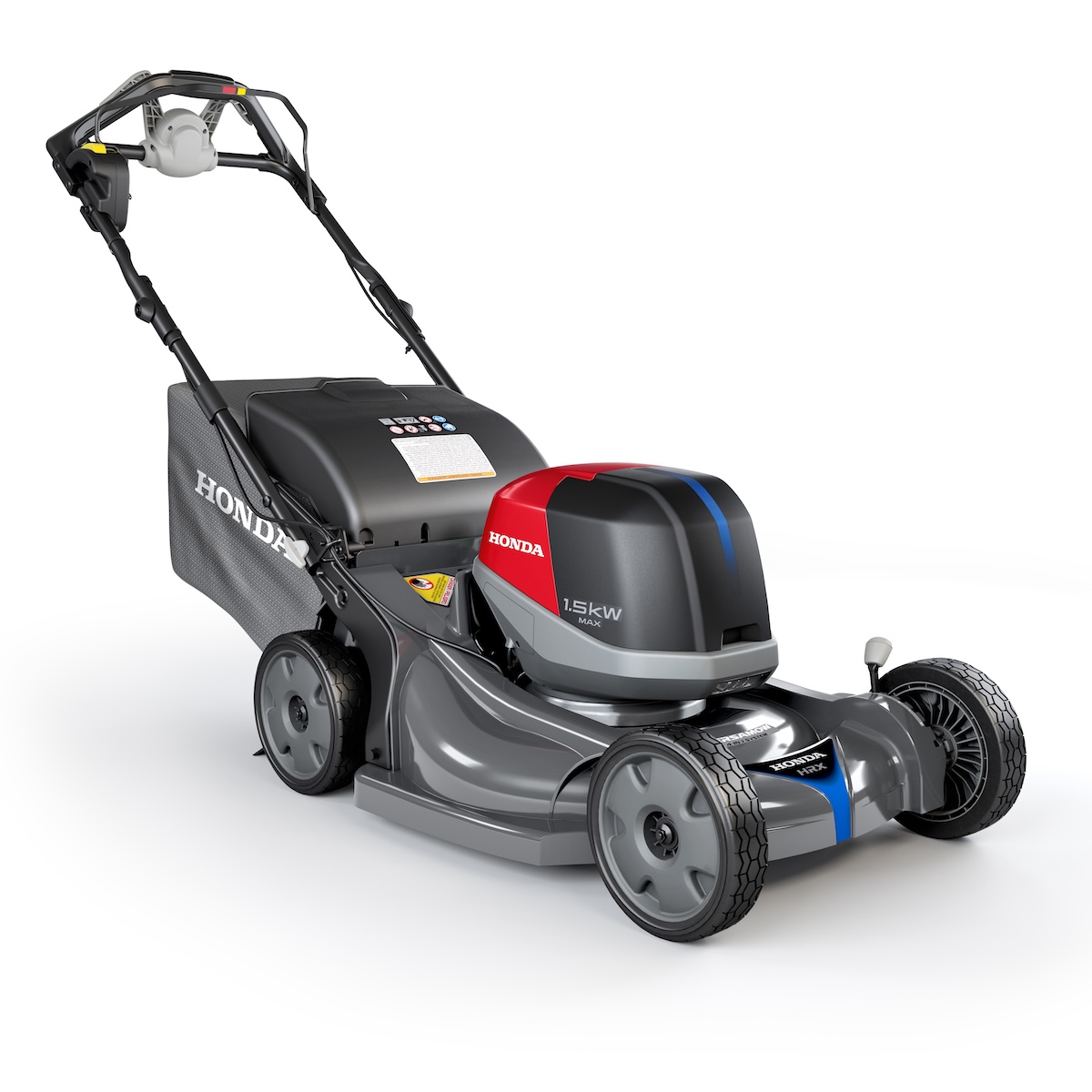
The Honda HRX-BV battery powered lawn mower delivers high torque performance for clean cutting in thick and tall grass. It features 4-in-1 Versamow with Clip Director for mulching, bagging, discharge, and leaf shredding without attachments. Enjoy variable speed self propulsion, adjustable cutting height, and up to 30 minutes of run time per charge for about 1/4 acre.
The NO-SPILL 2-1/2 gal Gas Can makes fueling cleaner and more controlled with a thumb button that starts and stops flow instantly. A 7/8-inch funnel spout with an attached dust cover helps fill small equipment while keeping the spout clean. The integrated 20 mesh stainless steel screen and auto-stop feature cut off fuel before overflow to reduce mess and accidental spills.
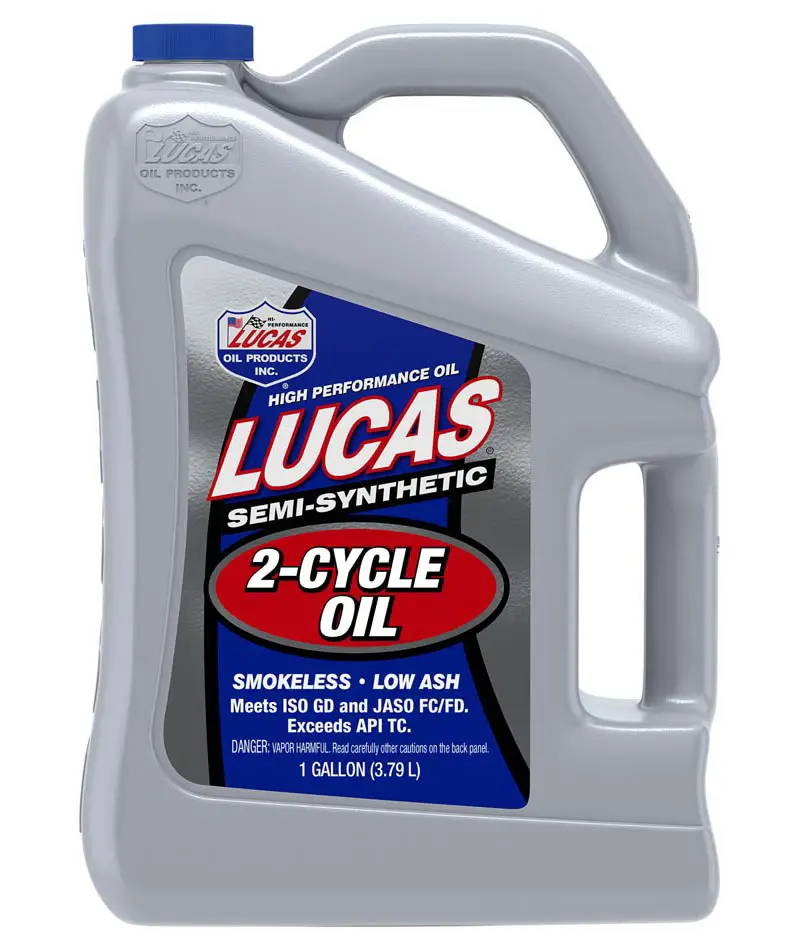
Lucas Oil High Performance semi-synthetic 2-cycle motor oil is specially formulated for oil injection systems or premix ratios up to 50:1. Its advanced smokeless formula with low-ash additives helps deliver cleaner burning, reducing emissions and improving power. An ashless detergent inhibitor package helps minimize spark plug fouling and combustion deposits for cleaner exhaust ports and long trouble-free engine life.
Cordless Battery
Cordless battery trimmers have become the dominant choice for new buyers in the residential category. They offer tool-free starting, no cord management, and power output at the 40V and above tiers that handles routine residential trimming without lagging. Runtime per charge on a 40V trimmer with a 2.5Ah battery is approximately 20 to 30 minutes. A 56V trimmer with a 4.0Ah battery runs 35 to 50 minutes. For a lot where the perimeter trimming session runs 15 to 25 minutes, a single battery charge covers the task without interruption. For larger perimeters or less frequent trimming sessions involving taller grass, a higher-capacity battery or a backup battery avoids a mid-session wait.
The ongoing cost of battery trimming is low: no fuel, no oil, no carburetor maintenance. The upfront battery and charger cost is the primary investment, and it is shared across other tools in the same platform.
Gas
Gas trimmers provide the highest power output and unlimited runtime limited only by the fuel tank. They are the right choice for large lots with extended border runs, heavy weed growth, or applications where battery runtime is a genuine constraint. The trade-off is startup complexity (pull cord, choke, primer bulb), fuel mixing for two-stroke engines at the correct ratio, and seasonal maintenance of the air filter, spark plug, and carburetor.
Gas trimmers are heavier than battery or corded alternatives at the same power level, and they produce exhaust and noise. For a homeowner trimming a large lot’s perimeter once a week for 30 to 45 minutes, these are acceptable trade-offs. For a homeowner with a smaller lot who trims for 15 to 20 minutes and wants to be done quickly, gas adds complexity that battery now handles without.
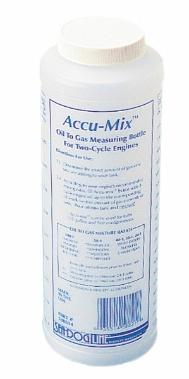
Sea Dog Accu-Mix helps you accurately measure the correct oil-to-gas mixture for 2-cycle engines. The see-through bottle shows multiple mix ratios, including 24:1, 33:1, 40:1, 50:1, and 100:1, so you can measure in both liters and gallons. This reduces guesswork and helps ensure your crew mixes fuel correctly every time.
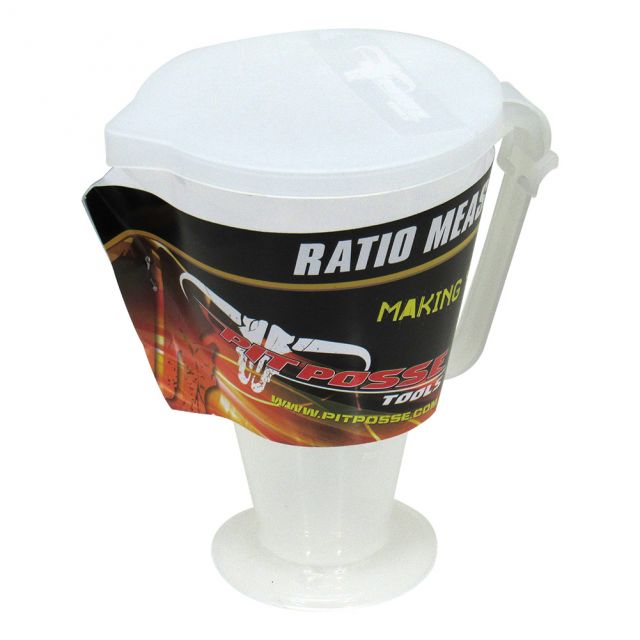
Pit Posse PP3318 is a racing utility measuring cup designed to mix 2-stroke oil and other engine fluids to accurate ratios. It features readable CC and ounce marks plus a 16:1 to 70:1 premix scale to remove guesswork and help you add the right amount quickly. A durable polyurethane jug with a debris-preventing cap and spill-resistant lid helps keep mixtures clean and easier to stir or shake for an even blend.
The Decision
Corded suits buyers with very small lots, simple perimeter layouts, and a preference for the lowest possible purchase price and zero battery management. Battery suits the large majority of residential buyers with lots up to a third of an acre, a weekly trimming schedule, and any existing cordless tool investment in a compatible platform. Gas suits buyers with large lots, heavy vegetation, or lot sizes where battery runtime is a real constraint, and buyers who already manage gas tools and are comfortable with two-stroke maintenance.
The best battery-powered weed eater guide and the best gas weed eater guide cover the top performers in each category.