
Lawn Mower Troubleshooting: Won’t Start, Starts Then Dies
Most lawn mower starting and running problems fall into a predictable set of causes. Working through the diagnostic sequence below from the simplest checks to the more involved repairs allows you to identify the cause systematically rather than replacing parts at random. The vast majority of starting failures are resolved by the first three checks in this guide.
The Most Common Causes (Resolve These First)
Before anything else, verify these three factors. They account for approximately 80% of lawn mower starting problems.
1. Stale or contaminated fuel
Gasoline begins to degrade within 30 to 60 days if not treated with a stabilizer. After a winter of storage, untreated fuel leaves varnish and gum deposits in the fuel system that clog the carburetor’s tiny jets and passages. The result is a mower that cranks but will not start, or starts briefly and then stalls.
Drain the old fuel completely. Refill with fresh gasoline. If the mower starts on fresh fuel, stale fuel was the cause. For preventing this in future seasons, add a fuel stabilizer at the end of the mowing season before storage.
Gasoline with more than 10% ethanol content can also cause problems in small engines, particularly if it has absorbed water from the environment during storage. Use ethanol-free fuel (labeled E0) if available, or use a fuel conditioner that absorbs moisture in ethanol blends.
2. Fouled or worn spark plug
A spark plug that is black, sooty, or oil-coated cannot fire reliably. Remove the spark plug with a spark plug wrench. Inspect the electrode: if it is black and oily (oil fouling from overfilled crankcase or worn piston rings), or white and pitted (lean-running or overheating), replace it. If it looks reasonably clean with a tan electrode, clean it with a wire brush and reinstall.
New spark plugs cost $3 to $6 and should be replaced at the start of each season regardless of condition.
3. Dirty or clogged air filter
A severely clogged air filter restricts air intake and creates an overly rich mixture that prevents starting. Remove the air filter cover and inspect the filter element. A paper filter that is dark gray or black with debris should be replaced. A foam pre-filter that is coated in grass and dirt can be washed with mild soap, dried thoroughly, and lightly oiled with 2 to 3 drops of clean motor oil before reinstalling.
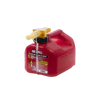
The NO-SPILL 2-1/2 gal Gas Can makes fueling cleaner and more controlled with a thumb button that starts and stops flow instantly. A 7/8-inch funnel spout with an attached dust cover helps fill small equipment while keeping the spout clean. The integrated 20 mesh stainless steel screen and auto-stop feature cut off fuel before overflow to reduce mess and accidental spills.
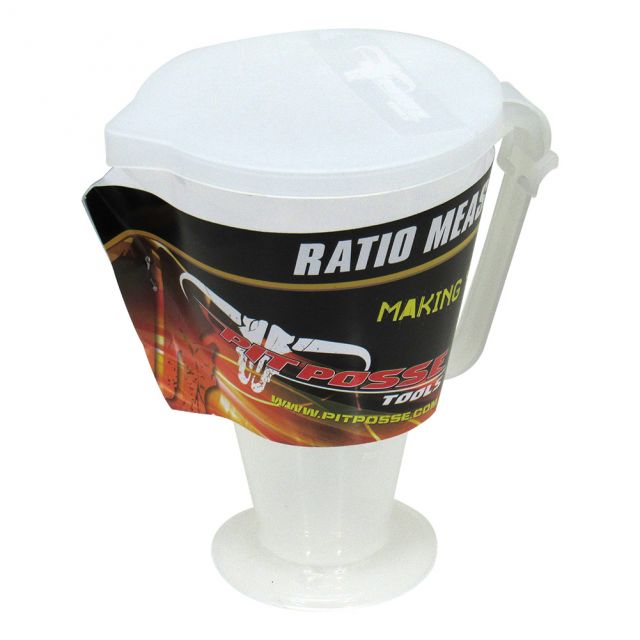
Pit Posse PP3318 is a racing utility measuring cup designed to mix 2-stroke oil and other engine fluids to accurate ratios. It features readable CC and ounce marks plus a 16:1 to 70:1 premix scale to remove guesswork and help you add the right amount quickly. A durable polyurethane jug with a debris-preventing cap and spill-resistant lid helps keep mixtures clean and easier to stir or shake for an even blend.
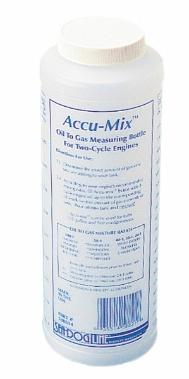
Sea Dog Accu-Mix helps you accurately measure the correct oil-to-gas mixture for 2-cycle engines. The see-through bottle shows multiple mix ratios, including 24:1, 33:1, 40:1, 50:1, and 100:1, so you can measure in both liters and gallons. This reduces guesswork and helps ensure your crew mixes fuel correctly every time.
If the Mower Cranks But Won’t Fire
After verifying fresh fuel, a good spark plug, and a clean air filter, work through these checks if the mower still will not start.
Check the safety interlocks. Modern lawn mowers have multiple safety switches that prevent starting unless specific conditions are met. For walk-behind mowers: the blade control bail (the handle lever that must be held down to operate the blade) must be engaged. For riding mowers: the operator presence switch (seat sensor) must detect the operator, the parking brake must be engaged, and the cutting deck must be disengaged before starting. A faulty safety switch can prevent any ignition. Bypass testing of safety switches should only be done temporarily for diagnosis and with extreme caution.
Check oil level. Some small engine models have a low-oil shutdown feature that prevents starting if the oil level is below the minimum mark. Check the oil level with the dipstick and top up if needed.
Check the choke setting. For a cold engine: choke should be fully closed (on) for starting. Once the engine fires, open the choke gradually. Running with the choke closed on a warm engine floods the engine and prevents starting. For a warm engine: choke should be fully open.
If the Mower Starts Then Dies
A mower that starts briefly, runs for a few seconds, and then stalls typically has a carburetor issue. The engine runs on the primed fuel in the fuel bowl immediately after starting, then stalls when it tries to draw fuel through the clogged main jet.
Carburetor cleaning. Remove the carburetor from the engine (consult the owner’s manual for the specific removal procedure). Disassemble and spray all internal passages with carburetor cleaner, clearing any blockages in the main jet, pilot jet, and needle seat. Many homeowners find that a can of carburetor cleaner sprayed directly into the air intake while the engine is running briefly will partially clean light deposits, allowing the engine to continue running long enough to clear itself. For heavily gummed carburetors, complete disassembly and cleaning or replacement with a new carburetor (often $15 to $40 for common small engines) is the most reliable fix.
Fuel cap vent. A clogged fuel cap vent creates a vacuum in the fuel tank as fuel is consumed, eventually starving the engine of fuel. Test by loosening the fuel cap slightly and attempting to run the mower. If the engine runs normally with the cap loose, the vent is clogged. A new fuel cap resolves this.
Water in fuel. Water contamination in the fuel causes the engine to run briefly on the top layer of fuel, then die when it reaches the water layer. Drain the fuel tank completely, dry the tank, and refill with fresh fuel.
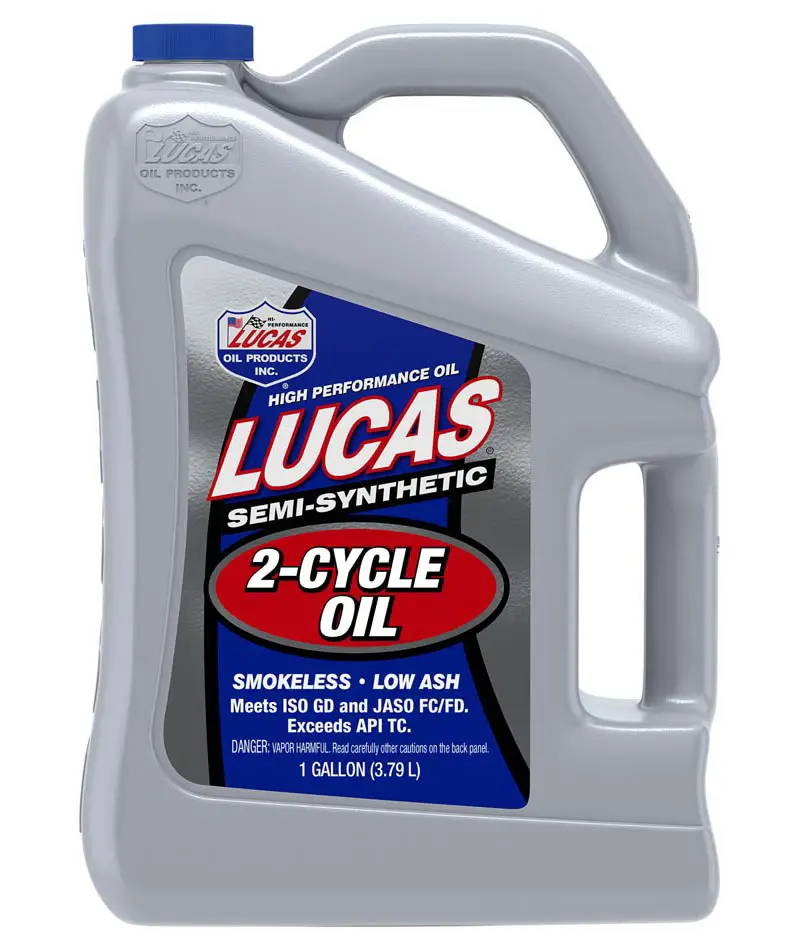
Lucas Oil High Performance semi-synthetic 2-cycle motor oil is specially formulated for oil injection systems or premix ratios up to 50:1. Its advanced smokeless formula with low-ash additives helps deliver cleaner burning, reducing emissions and improving power. An ashless detergent inhibitor package helps minimize spark plug fouling and combustion deposits for cleaner exhaust ports and long trouble-free engine life.
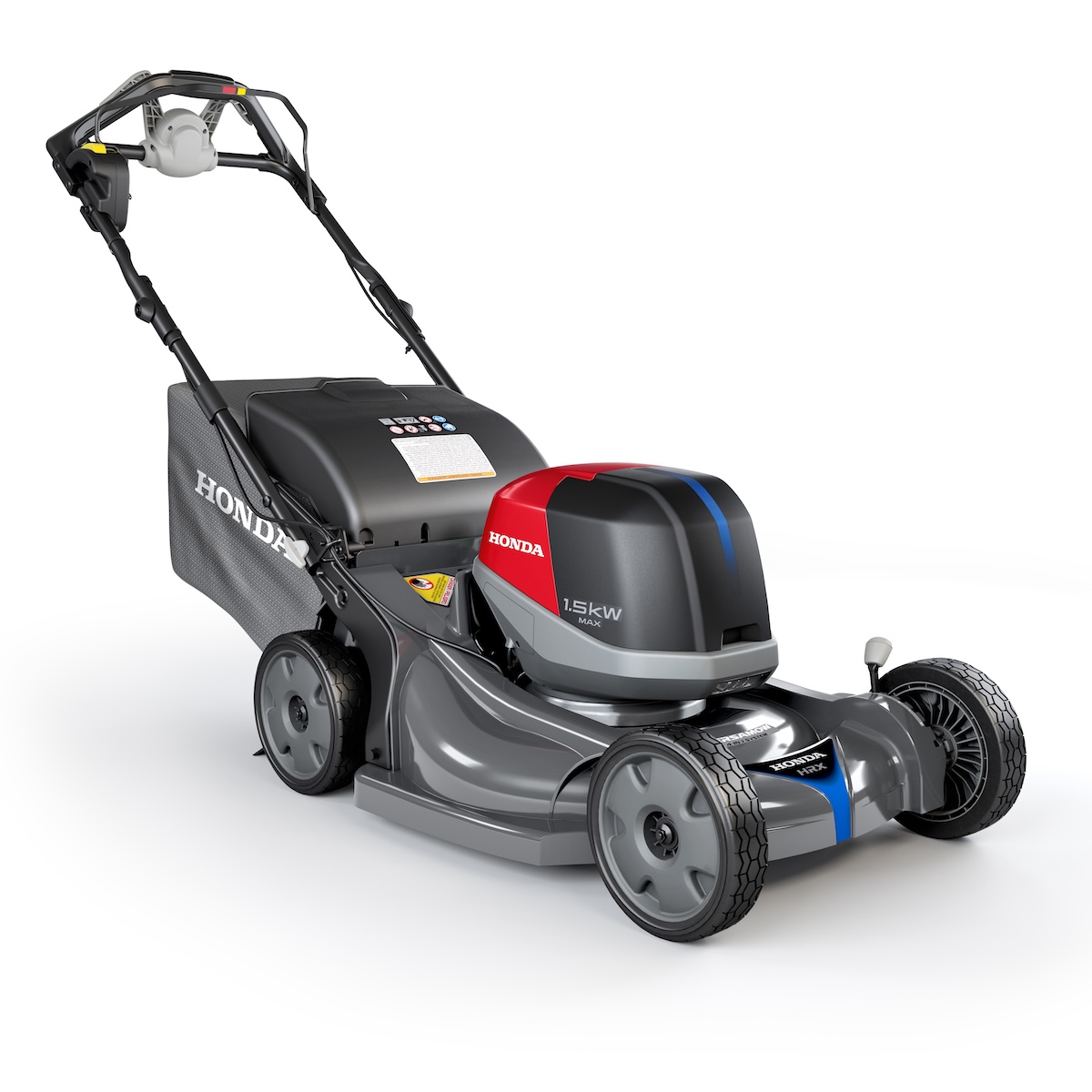
The Honda HRX-BV battery powered lawn mower delivers high torque performance for clean cutting in thick and tall grass. It features 4-in-1 Versamow with Clip Director for mulching, bagging, discharge, and leaf shredding without attachments. Enjoy variable speed self propulsion, adjustable cutting height, and up to 30 minutes of run time per charge for about 1/4 acre.
Riding Mower Specific Problems
Battery not holding charge. A riding mower that cranks slowly or not at all typically has a weak or failed battery. Test battery voltage with a multimeter: 12.6V or higher indicates a good charge; below 12V indicates a discharged or failing battery. A battery that charges to 12.6V but drops to below 10V under starter load is failing internally and should be replaced.
Deck not engaging (PTO problems). If the engine runs but the cutting deck does not spin when the deck engagement lever is activated, the PTO clutch, deck belt, or deck engagement cable may have failed. Check the deck belt first: look under the deck for a broken or disconnected belt before investigating the PTO clutch.
Excessive vibration. Unusual vibration during operation typically indicates a bent or unbalanced mower blade, a loose blade bolt, or debris wrapped around the blade spindle. Disengage the deck and inspect the blade after the engine is fully off.
When to Take It to a Shop
If the carburetor has been cleaned, fresh fuel and a new spark plug have been installed, and the mower still will not run reliably, the issue is likely internal to the engine (compression loss from worn rings or valves, damaged crankshaft seal) or a failed carburetor that requires replacement rather than cleaning. At this point, the cost-benefit of professional repair versus replacement of an older mower is worth considering.
For a well-maintained mower that has developed a persistent issue after several seasons of reliable use, a small engine repair shop can diagnose and repair engine-level problems cost-effectively. For a budget push mower that is 8 to 10 years old, replacement may be more economical than a carburetor rebuild plus engine inspection.