
Hydrangea Growing Guide: Care, Color, and Varieties
Hydrangeas are among the most spectacular flowering shrubs available to North American home gardeners, delivering large blooms in shades of blue, pink, white, and deep purple from midsummer through early fall. The genus Hydrangea, in the family Hydrangeaceae, encompasses several species with distinctly different growing requirements, pruning rules, and bloom behaviors. Getting these right makes the difference between a plant that blooms reliably every year and one that produces nothing but foliage.
This hub covers every practical aspect of hydrangea growing: choosing between species, controlling bloom color, fertilizing for maximum flowering, caring for cut hydrangeas, growing in containers, transplanting established plants, and protecting plants through winter.
Understanding Hydrangea Species
Hydrangea is not a single plant in terms of care requirements. The four most common species in North American home gardens behave quite differently, particularly around bloom timing, pruning sensitivity, and cold hardiness. Identifying which species you have before doing anything else determines every subsequent care decision.
Bigleaf hydrangea (Hydrangea macrophylla) is the species most people picture: large mophead or lacecap blooms in pink or blue, with color determined by soil pH and aluminum availability. Traditional bigleaf varieties bloom on old wood, meaning buds set the previous summer must survive winter intact to flower. Modern reblooming varieties also produce flowers on new wood. Bigleaf hydrangeas are cold-sensitive and perform best in USDA zones 6 through 9.
Panicle hydrangea (Hydrangea paniculata) produces elongated cone-shaped flower clusters on new wood, allowing hard pruning in late winter without loss of flowering. This is the most cold-hardy species, growing reliably in USDA zones 3 through 8. Bloom color does not respond to pH: flowers open white or cream and age to pink through the season.
Smooth hydrangea (Hydrangea arborescens) is native to eastern North America and produces white or pink globular blooms on new wood. Like panicle hydrangeas, it blooms reliably after late-winter pruning. Cold hardiness typically extends to USDA zone 3.
Oakleaf hydrangea (Hydrangea quercifolia) has distinctive lobed leaves and conical white flower clusters that age to parchment pink. It blooms on old wood and offers exceptional fall foliage color. It tolerates more shade than other species and is native to the American Southeast.
A full side-by-side comparison of these species, including how to identify which type you have before pruning, is in the hydrangea types and species guide.
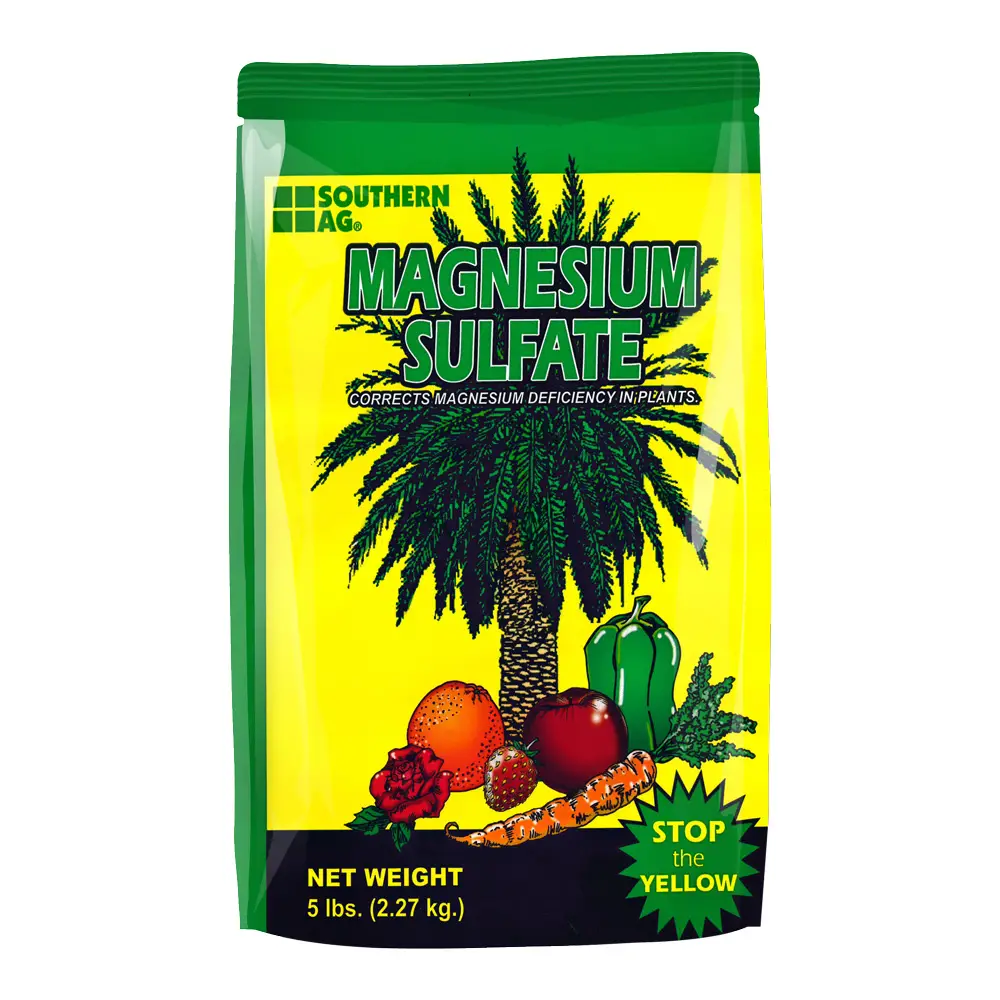
Root 98 Warehouse Southern Ag Magnesium Sulfate is a dry, water-soluble fertilizer for correcting magnesium deficiency in shrubs and trees. It helps acidify soils with less risk of staining and is designed for use on citrus, palms, trees, shrubs, annuals, and turf. Apply by spreading over the treatment area and watering in; do not mix or spray.
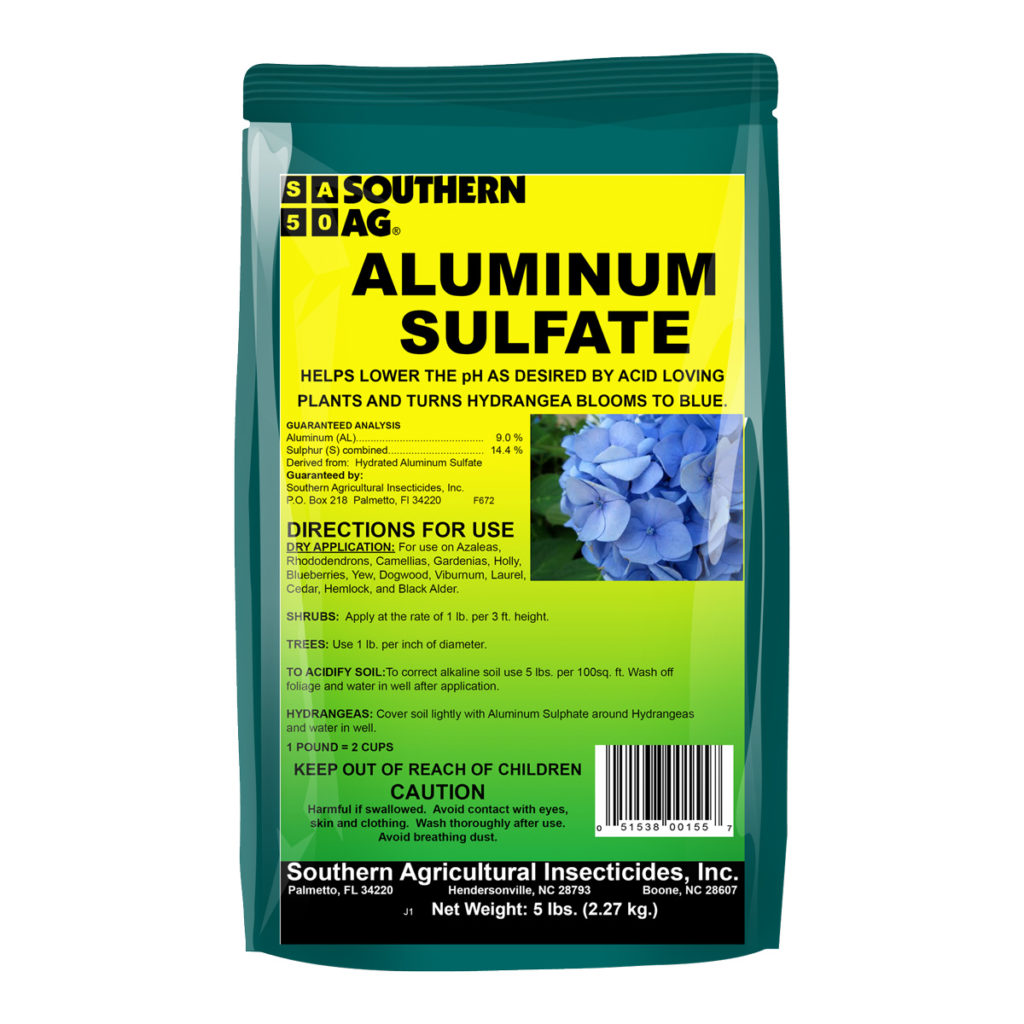
Southern Ag Aluminum Sulfate is a soil acidifier that helps lower pH and corrects high alkalinity, making it ideal for acid-loving plants. It’s great for hydrangeas and other shrubs and trees that prefer acidic conditions, including rhododendrons, blueberries, azaleas, and more. Broadcast evenly and wash off foliage, then water after application.
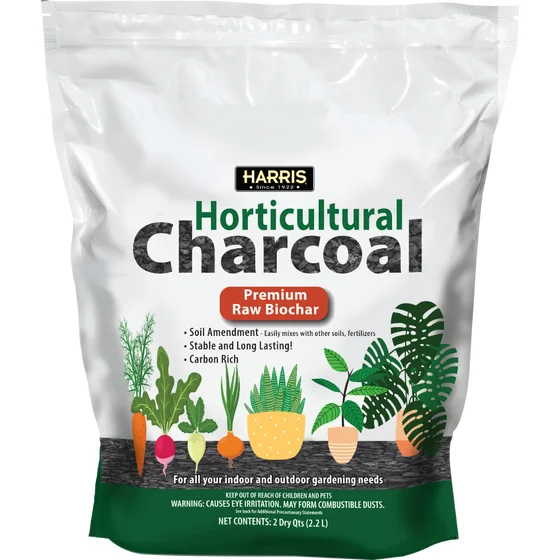
Harris Horticultural Charcoal premium biochar is a naturally derived soil amendment designed to increase soil carbon, nutrient content, and water retention. It helps support water-soluble nutrients and promotes beneficial microbial life for healthier plants. Ideal for indoor and outdoor use in gardens, ornamentals, terrariums, and small houseplants like orchids and bonsai.
Bloom Color: The pH and Aluminum Connection
The blue or pink bloom color of bigleaf hydrangeas is determined by the availability of aluminum ions in the soil, which soil pH controls. In acidic soil below pH 6.0, aluminum is soluble and available to roots, producing blue pigmentation. In alkaline soil above pH 7.0, aluminum is locked in an unavailable form, and flowers are pink. White-flowered varieties cannot change color regardless of soil chemistry.
The steps for adjusting soil pH to produce blue hydrangeas are covered in the how to make hydrangeas blue guide. Soil acidification methods are also covered in the broader soil acidification guide.
Pruning: The Most Common Source of Failure
Pruning is where most hydrangea problems originate. Cutting an old-wood bloomer at the wrong time removes the buds already set for the coming season, resulting in a healthy plant with no flowers. The correct pruning technique and timing for each species is covered in the pruning hydrangeas guide at Bovees.
Espoma Organic Lawn Soil is an all-natural organic soil mix designed to promote seed germination and help new sod establish. It contains earthworm castings, alfalfa meal, kelp meal, and feather meal, enhanced with Espoma MYCO-TONE, a blend of endo and ecto mycorrhizae fungi. Use it anytime you sow new grass seed or install sod for organic gardening results with no synthetic plant foods or chemicals.
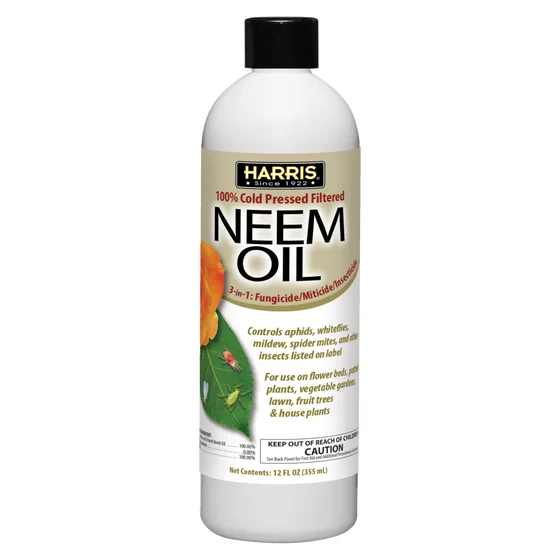
HARRIS Neem Oil Cold Pressed Water Soluble Concentrate is a 3-in-1 insecticide, fungicide, and miticide made from 100% cold pressed neem oil. It is EPA registered to help control aphids, whiteflies, mildew, spider mites, and other label-listed pests and diseases. Safe for indoor and outdoor use, it can be applied to a wide range of flowering and potted plants, vegetable gardens, lawns, ornamentals, fruit trees, and container gardening with foliar or soil treatments.
In This Hub
- Hydrangea Types and Species
- How to Make Hydrangeas Blue
- Best Hydrangea Fertilizer
- Why Is My Hydrangea Not Blooming?
- Hydrangea Care in Pots
- How to Care for Cut Hydrangeas
- How to Transplant Hydrangeas
- Are Hydrangeas Annuals or Perennials?
- Hydrangea Winter Care
- How to Propagate Hydrangeas from Cuttings