
How to Care for Cut Hydrangeas and Make Them Last
Hydrangeas are notoriously prone to wilting when cut, which discourages many gardeners from bringing them indoors even when the garden is full of flowers. The wilting is caused by a specific characteristic of hydrangea stems: they contain a sap that blocks water uptake at the cut end rapidly after cutting. With the right conditioning technique, cut hydrangeas can stay fresh for seven to fourteen days.
The Best Time to Cut Hydrangeas
Timing the cut correctly makes a significant difference in how long the blooms last. Cut hydrangea blooms in the early morning or late evening, when the plant is well-hydrated and temperatures are cooler. Avoid cutting during the heat of the day when both the plant and the cut bloom are under maximum water stress.
For bigleaf and smooth hydrangeas, the best stage for cutting is when the bloom is about two-thirds to fully open and has begun to mature slightly. Flowers cut too early (when the bud is tight) often fail to open fully and wilt more quickly than those cut at the right stage. For panicle hydrangeas, cut when the panicle is fully developed and the florets along most of its length are open.
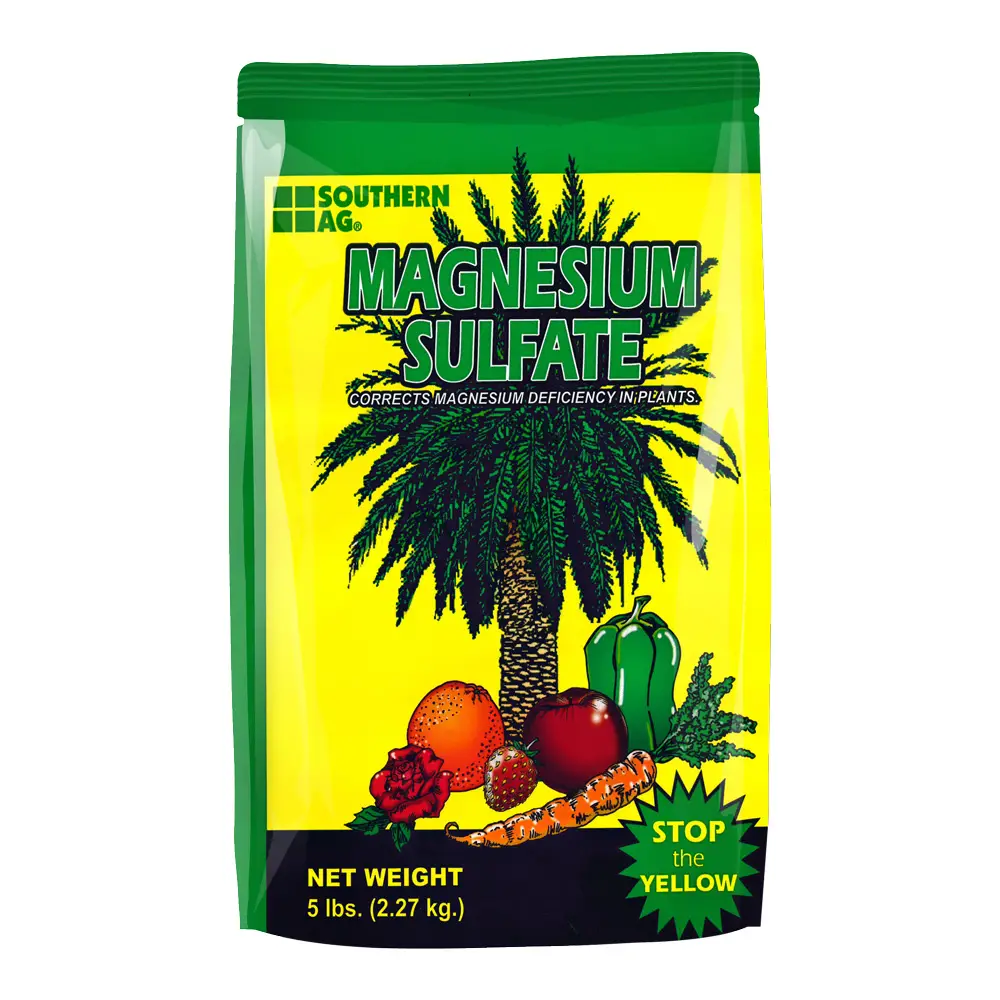
Root 98 Warehouse Southern Ag Magnesium Sulfate is a dry, water-soluble fertilizer for correcting magnesium deficiency in shrubs and trees. It helps acidify soils with less...
Conditioning Hydrangea Stems
The sap that blocks water uptake in hydrangea stems can be interrupted by conditioning the cut end immediately after cutting.
Alum treatment: Dip the freshly cut stem end in powdered alum (potassium aluminum sulfate, sold as a pickling spice) before placing the stem in water. Alum draws water up into the stem more effectively than plain water and is one of the most reliable conditioning methods for hydrangeas.
Boiling water treatment: Pour 2 to 3 centimeters of boiling water into a heat-safe container. Hold the freshly cut stem in the boiling water for 30 seconds, then transfer immediately to deep, cool water for conditioning. The brief heat treatment opens the stem tissue and clears the sap blockage.
Stem scoring or smashing: Use a sharp knife to make two or three shallow vertical scores along the bottom 3 to 4 centimeters of the stem before placing it in water. This increases the surface area for water uptake.
After conditioning, place stems in a clean vase with room-temperature water and allow them to hydrate in a cool, shaded location for several hours before arranging.
Keeping Cut Hydrangeas Fresh
Change the water in the vase every two days. When changing water, recut the stem at an angle to expose fresh tissue. Keep the arrangement away from heat sources, direct sun, and ripening fruit, which releases ethylene gas that accelerates petal drop.
If the blooms wilt even in water, submerge the entire bloom head in cool water for 30 to 45 minutes. This rehydrates the petals through surface absorption and revives wilted hydrangeas reliably in the early stages of wilt. Remove the blooms from the water and allow excess water to drain from the petals before returning them to the vase.
Adding flower food (floral preservative) to the vase water provides sugar that the blooms use for continued development and antibacterial agents that prevent bacteria from clogging the stem. Commercial flower food packets work well, or make a home solution using one teaspoon of sugar and a few drops of bleach per liter of water.
For the broader approach to extending the life of any cut flower, the full technique is covered in the how to make cut flowers last longer guide.