
How to Make Cut Flowers Last Longer in a Vase
Cut flowers begin declining from the moment they are separated from the plant. The rate of decline depends on how well the stems can continue taking up water, how much bacterial activity is developing in the vase water, and the environmental conditions of the display location. Each of these factors is manageable with simple techniques that extend vase life significantly.
Start with a Clean Vase
Bacterial contamination of vase water is the primary cause of premature wilting. Bacteria colonize the stem ends, form a biofilm that blocks water uptake, and proliferate in water that has been standing for more than a day or two. Before filling any vase, wash it thoroughly with hot water and a small amount of bleach or dish soap, rinse completely, and fill with fresh, cool water.
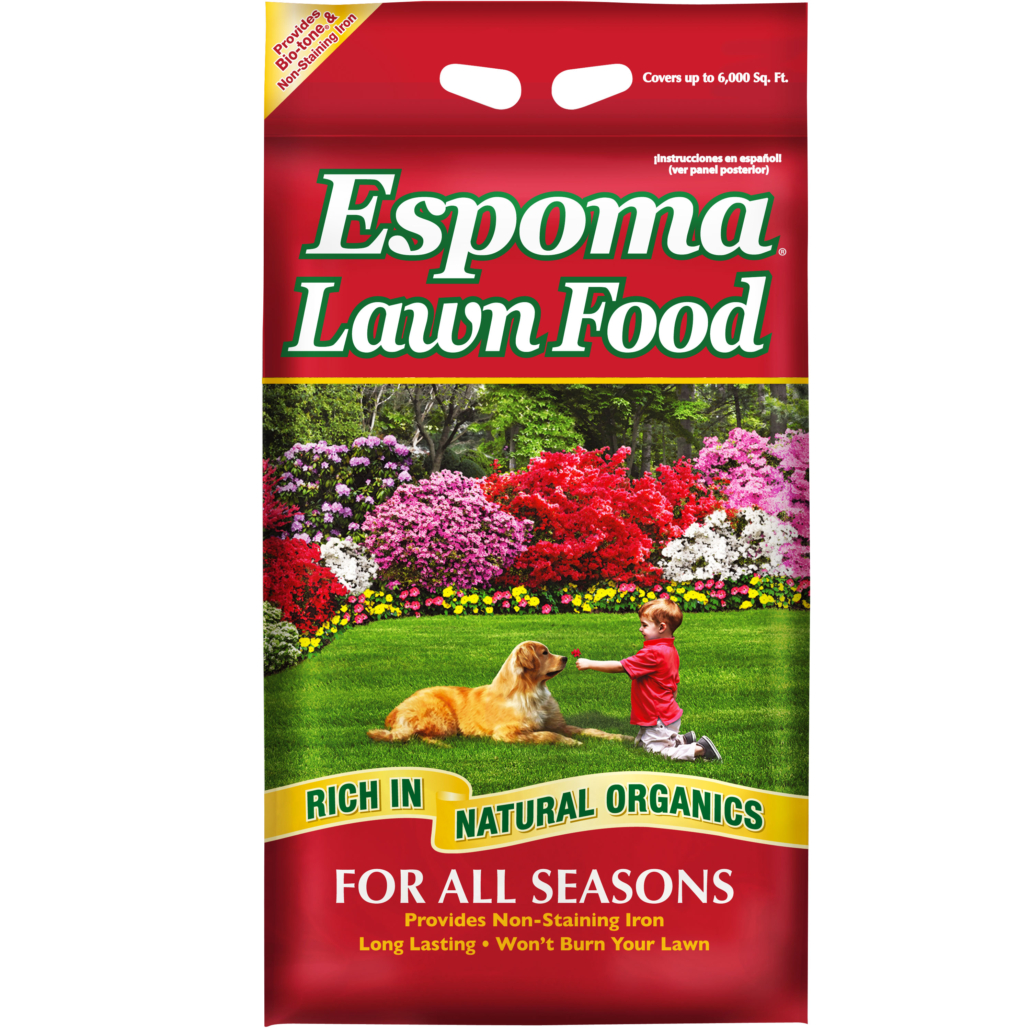
Espoma Lawn Food for All Seasons 15-0-5 provides slow-release, long-lasting nitrogen to help support a greener lawn year-round. Enhanced with iron for deep green color, it helps turn yellow lawns back to green and won’t stain concrete, sidewalks, or driveways. Safe for cool and warm season grasses, it applies in spring, summer, and fall with a drop or broadcast spreader.
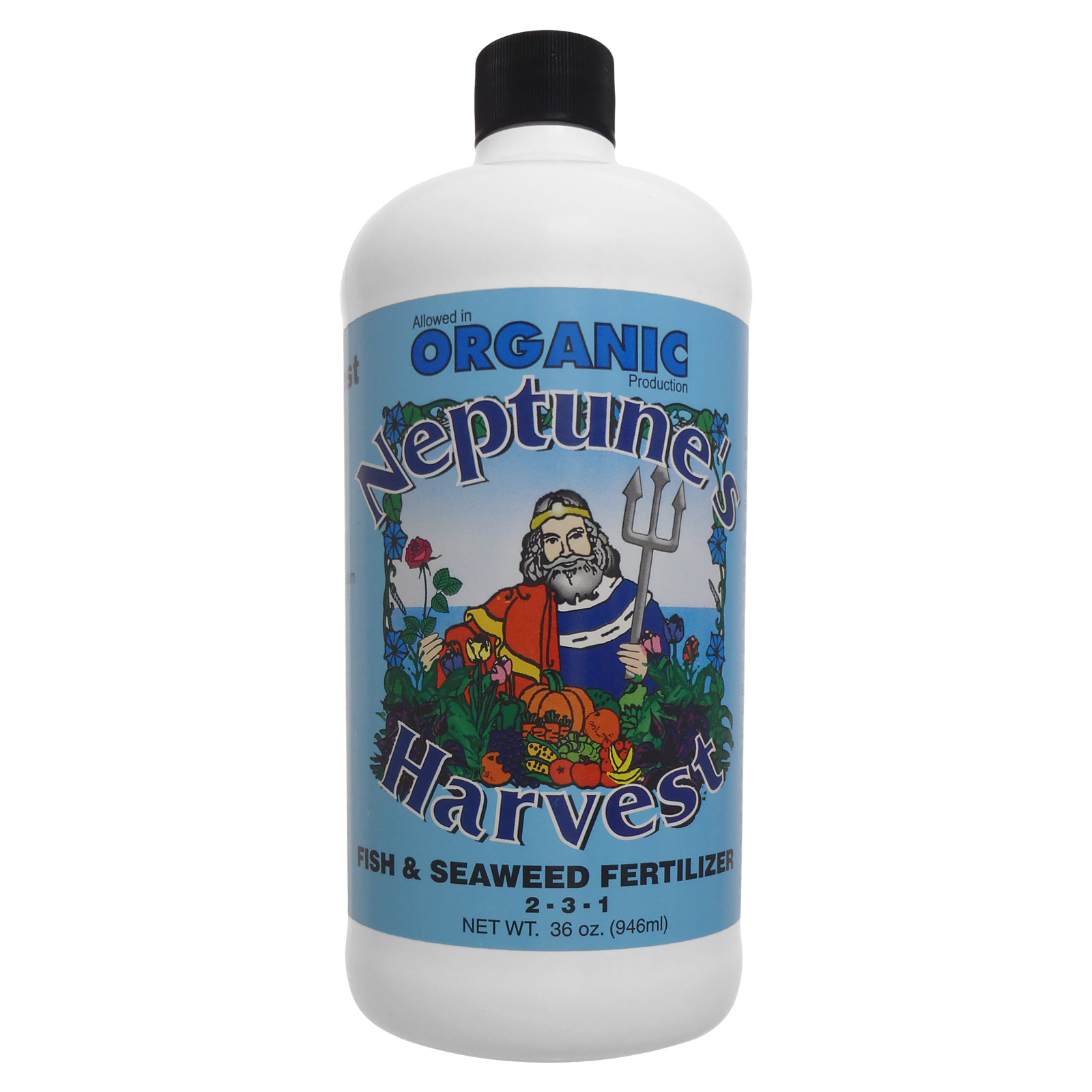
Neptune’s Harvest Fish & Seaweed is an organic all-purpose liquid fertilizer blended with 75% fish and 25% seaweed for consistent feeding. It supports vegetables, flowers, fruit trees, lawns, and indoor plants by providing nutrients in a plant-ready form. The formula helps build organic matter and improve soil structure while promoting strong root development and balanced growth. OMRI Listed, it’s designed for easy mixing and can be used as a soil drench or foliar feed.
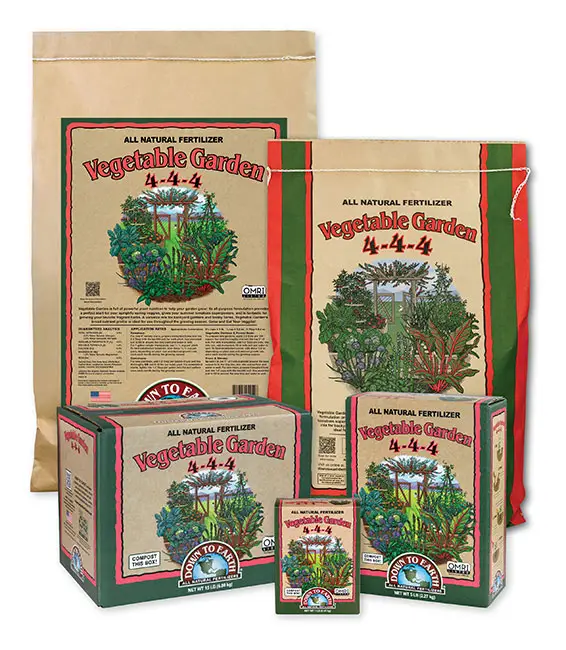
Down to Earth Vegetable Garden is an OMRI-listed, all-natural 4-4-4 fertilizer made to support vigorous foliage growth in greens, herbs, and vegetables while helping improve fruit size and yield for crops like tomatoes. Use it across a wide range of garden needs, including container vegetable gardens, as well as trees and shrubs.
Use Flower Food
Commercial flower food packets provided with bought flowers, and available separately at garden centers, contain three components: a sugar source that flowers use for continued development, an acidifier that lowers water pH and inhibits bacterial growth, and a biocide that directly suppresses bacterial colonization. Using flower food consistently produces measurably longer vase life than plain water. A home substitute of one teaspoon of sugar, a few drops of bleach, and a few drops of lemon juice per liter of water provides the same three components.
Change the Water Every Two Days
Change vase water every two days, re-rinsing the vase at each change. When changing the water, recut the stem at an angle, removing about 1 centimeter of the old stem end. The cut end of any flower stem begins to seal and develop bacterial blockage within 24 to 48 hours of the last cut. Recutting at each water change maintains a clean, unblocked uptake surface.
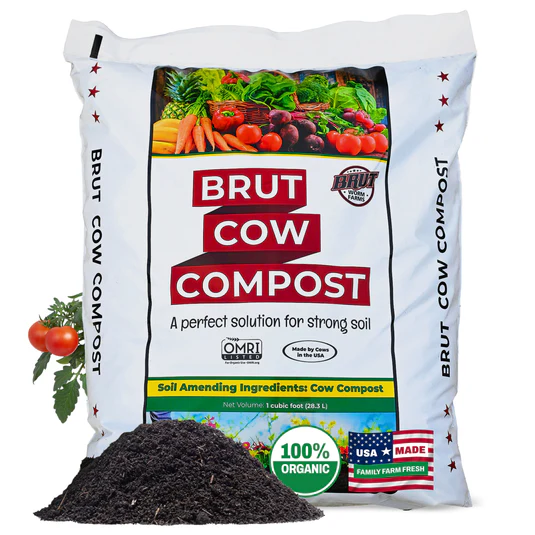
Brut Cow Compost is a nutrient-rich organic soil amendment made from 100% pure, thoroughly composted cow manure. It enriches soil with nitrogen, calcium, and iron, supports beneficial microbial life, and helps plants produce stronger growth. Odor-free and gentle on roots, it can be used for vegetables, flowers, lawns, shrubs, and indoor plants as a top dressing or mixed into garden and potting soil.
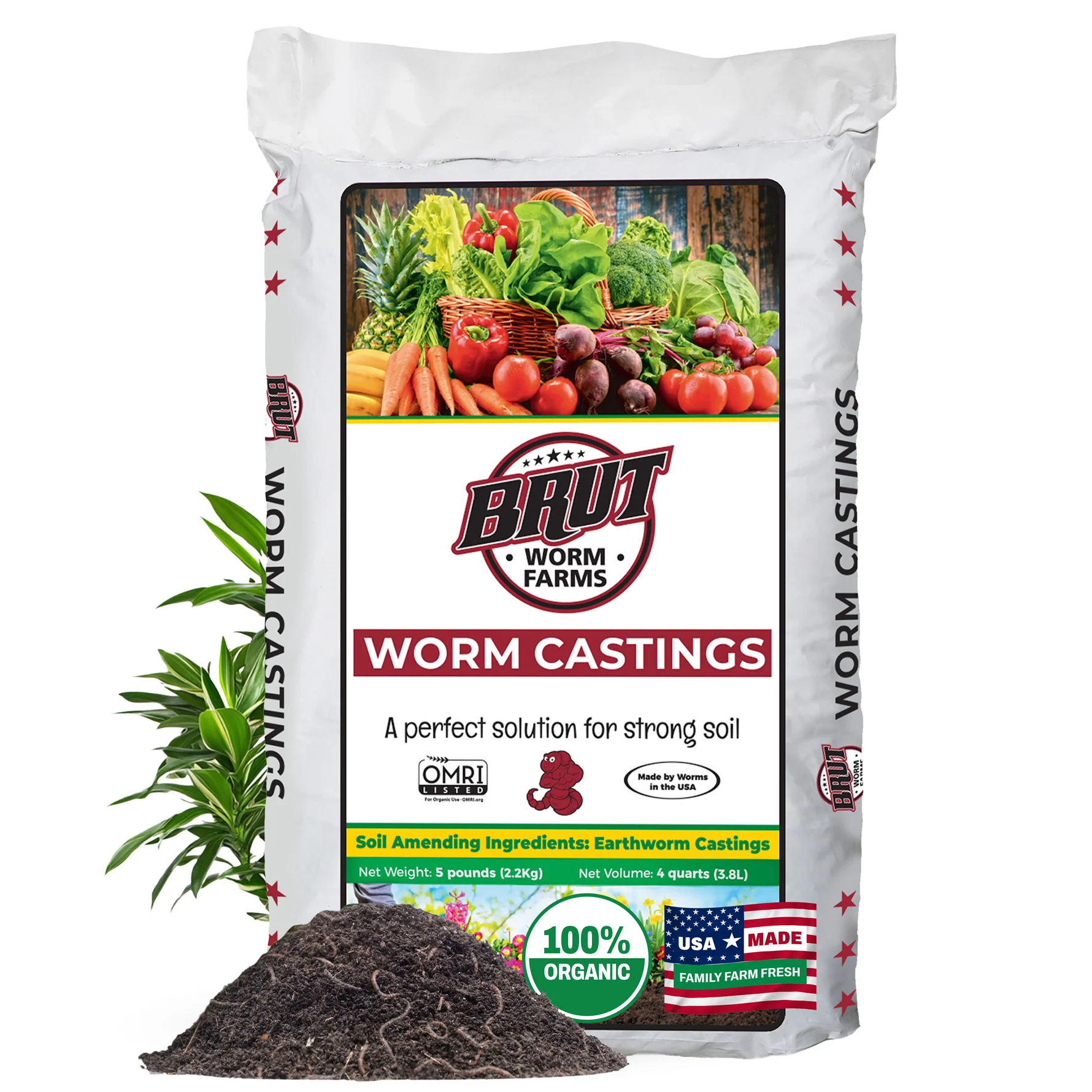
Brut organic worm castings provide mineral-rich, certified organic nutrition to supercharge indoor and outdoor plants. Raised indoors in containers for purity, these castings support lush greenery, vibrant blooms, and bountiful harvests. OMRI and CDFA listed formula helps deliver nature’s nutrients directly to plant roots for healthy growth from root to leaf.
Location Matters
Keep cut flower arrangements away from heat sources, direct sunlight, drafts, and ripening fruit. Each of these factors shortens vase life. Ethylene gas released by ripening fruit is particularly damaging to flowers: it accelerates petal drop and wilting in most species. A cool room with moderate indirect light is the ideal display environment.
Reviving Wilted Flowers
Flowers that wilt prematurely before the petals are damaged can often be revived by submerging the entire stem and bloom head in cool water for 30 to 45 minutes. This rehydrates the petals through surface absorption. Remove, allow excess water to drain, recut the stem, and return to a fresh vase of clean water with flower food. This technique works best in the early stages of wilt before the flowers reach the point of irreversible cell damage.