
Best Hydrangea Fertilizer for Color and Bloom
Fertilizing hydrangeas correctly produces larger blooms, more vibrant color, and healthier foliage without the excessive vegetative growth that delays flowering. The right product depends on the species, your pH goals, and the time of season.
What Hydrangeas Need Nutritionally
Hydrangeas are moderate feeders that respond well to balanced nutrition. Nitrogen supports leaf and stem growth, phosphorus promotes root development and bud formation, and potassium supports overall plant health and disease resistance. The common mistake is over-applying high-nitrogen fertilizer, which pushes lush green growth at the expense of flower bud development.
For most hydrangea species, a balanced fertilizer with an NPK ratio in the 10-10-10 range applied in spring and early summer is the most reliable approach. For bigleaf hydrangeas where you are also managing pH for color control, an acidifying fertilizer formulated for acid-loving plants (azalea, rhododendron, and blueberry fertilizers work well) contributes to pH maintenance in addition to nutrition.
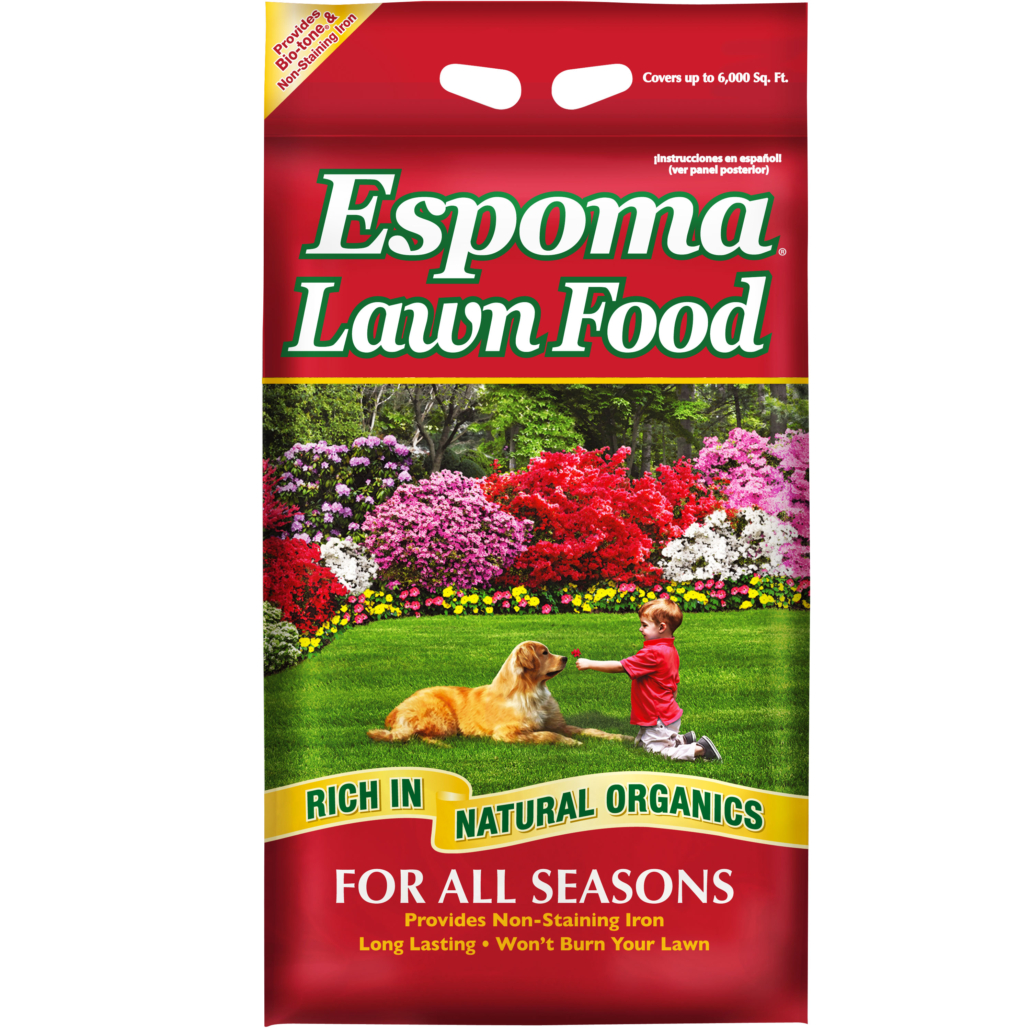
Espoma Lawn Food for All Seasons 15-0-5 provides slow-release, long-lasting nitrogen to help support a greener lawn year-round. Enhanced with iron for deep green color, it helps turn yellow lawns back to green and won’t stain concrete, sidewalks, or driveways. Safe for cool and warm season grasses, it applies in spring, summer, and fall with a drop or broadcast spreader.

Espoma Organic Lawn Food Summer Revitalizer 8-0-0 delivers long-lasting organic nitrogen to help invigorate lawns during hot weather while adding iron for deep, greener color. Designed for all lawn types and cool- or warm-season grasses, it helps turn yellow lawns back to green without burning or leaching out of soil. Environmentally safe with no sludges or toxic ingredients, it won’t stain concrete, sidewalks, or driveways and is approved as a registered organic input material.
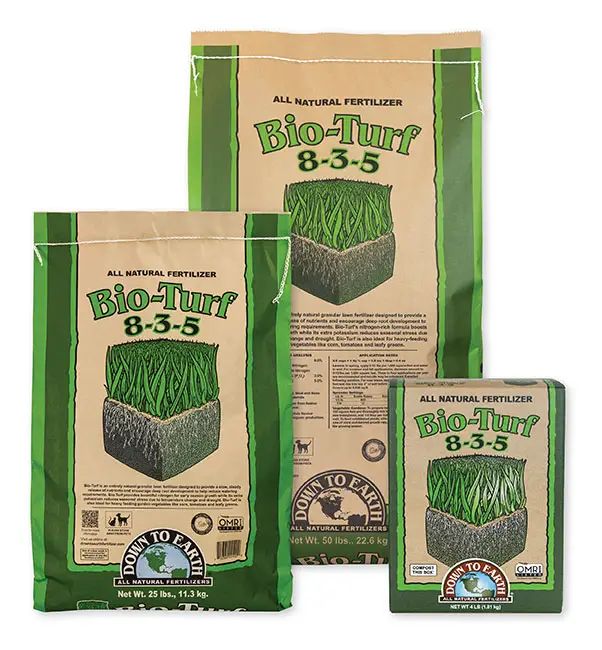
Down to Earth Bio-Turf is an all-natural 8-3-5 organic fertilizer, OMRI listed for use in organic production. It helps encourage deep root development to support greener, stronger growth while reducing watering needs and stress from heat or drought. Ideal for lawns, landscape ornamentals, and heavy-feeding garden vegetables and flowerbeds.
Fertilizer Type by Species
Bigleaf hydrangeas (H. macrophylla): Acidifying fertilizer that supports pH 4.5 to 5.5, applied in early spring when growth emerges and again in June. Avoid feeding after July, which can push soft growth into late summer that is more susceptible to frost damage and may displace next year’s bud development.
Panicle and smooth hydrangeas: These species bloom on new wood and benefit from a balanced fertilizer applied in early spring when growth emerges. Because they are cut back in late winter, the spring application goes entirely toward supporting the new shoots that will carry the summer flowers. A second application in early summer maintains momentum through the bloom period.
Oakleaf hydrangeas: Oakleaf hydrangeas are relatively light feeders and do not require the same feeding intensity as bigleaf varieties. A single application of balanced slow-release fertilizer in early spring is sufficient in most soils. Over-feeding oakleaf hydrangeas pushes excessive vegetative growth and can reduce flowering.
Slow-Release vs Liquid Fertilizer
Slow-release granular fertilizers are the most convenient option for in-ground shrubs. A single application in early spring delivers nutrients gradually through the growing season, reducing the risk of over-fertilization and the labor of multiple applications. Scratch granules into the soil surface inside the drip line and water in.
Liquid fertilizers are useful for container-grown hydrangeas, which leach nutrients from their limited soil volume with each watering. Apply a balanced liquid fertilizer every two to three weeks from spring through the end of July. Slow-release granules can supplement liquid feeding in containers but tend to deplete quickly in frequently watered pots.
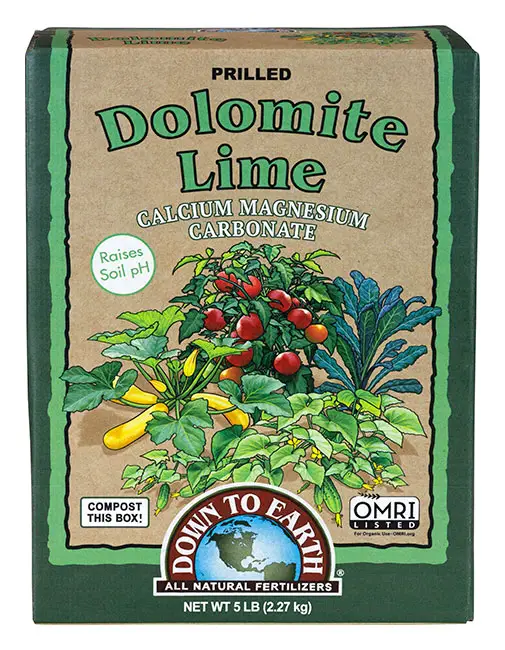
Down To Earth Organic Prilled Dolomite Lime helps raise acidic soil pH for better nutrient uptake and healthier vegetable gardens. Its rich calcium and magnesium support strong cell walls, root growth, and overall plant performance. OMRI listed for organic use, the prilled granules spread easily and act quickly while improving soil structure and microbial activity.
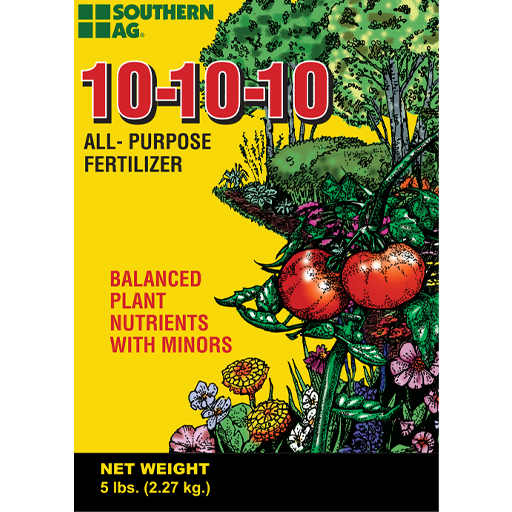
Southern Ag All Purpose Granular Fertilizer 10-10-10 helps nourish lawns, flower beds, vegetables, and trees with a balanced blend of essential nutrients. The granular formula is designed for easy application and supports healthy growth across a wide range of plants and seasons. Follow label directions to sweep off any granules from hard surfaces and water plants well after applying.
What to Avoid
Avoid fertilizing in late summer or autumn. Late feeding pushes soft growth into the period when the plant should be hardening off for winter, increases frost sensitivity, and in old-wood bloomers can interfere with bud set for the following season. The final application should go in no later than late July in most climates.
Avoid high-phosphorus bloom-booster fertilizers with very high middle numbers (such as 5-30-5) applied routinely. While phosphorus supports flowering, excess phosphorus in the soil blocks uptake of iron, zinc, and other micronutrients, which can produce the very deficiency symptoms you are trying to avoid. A balanced formula delivers adequate phosphorus without the blocking effect.