
Why Is My Hydrangea Not Blooming? Causes and Fixes
A hydrangea that produces healthy foliage but no flowers is one of the most common and fixable problems in home gardening. In the majority of cases, the cause is one of four things: incorrect pruning timing, winter dieback that killed the buds, too much shade, or excessive nitrogen feeding. Identifying which cause applies to your plant leads directly to the solution.
Cause 1: Pruning at the Wrong Time
Incorrect pruning is the most common single cause of hydrangea failure to bloom, and it affects old-wood blooming species almost exclusively. Bigleaf hydrangeas (H. macrophylla) and oakleaf hydrangeas (H. quercifolia) set their flower buds on the stems produced in the previous summer. If those stems are cut in autumn, winter, or early spring before growth emerges, the buds are gone and there will be no flowers that season regardless of how good the growing conditions are.
The fix: Stop pruning your bigleaf or oakleaf hydrangea in autumn and spring. Prune only immediately after flowering, removing spent flower heads and any crossing or dead stems. Leave all healthy, upright stems intact through winter. Panicle and smooth hydrangeas bloom on new wood and can be pruned in late winter without any effect on flowering.
Check the hydrangea types and species guide to confirm which species you have before making any pruning decisions. Identifying the species is the first step, as the pruning hydrangeas guide explains in detail.
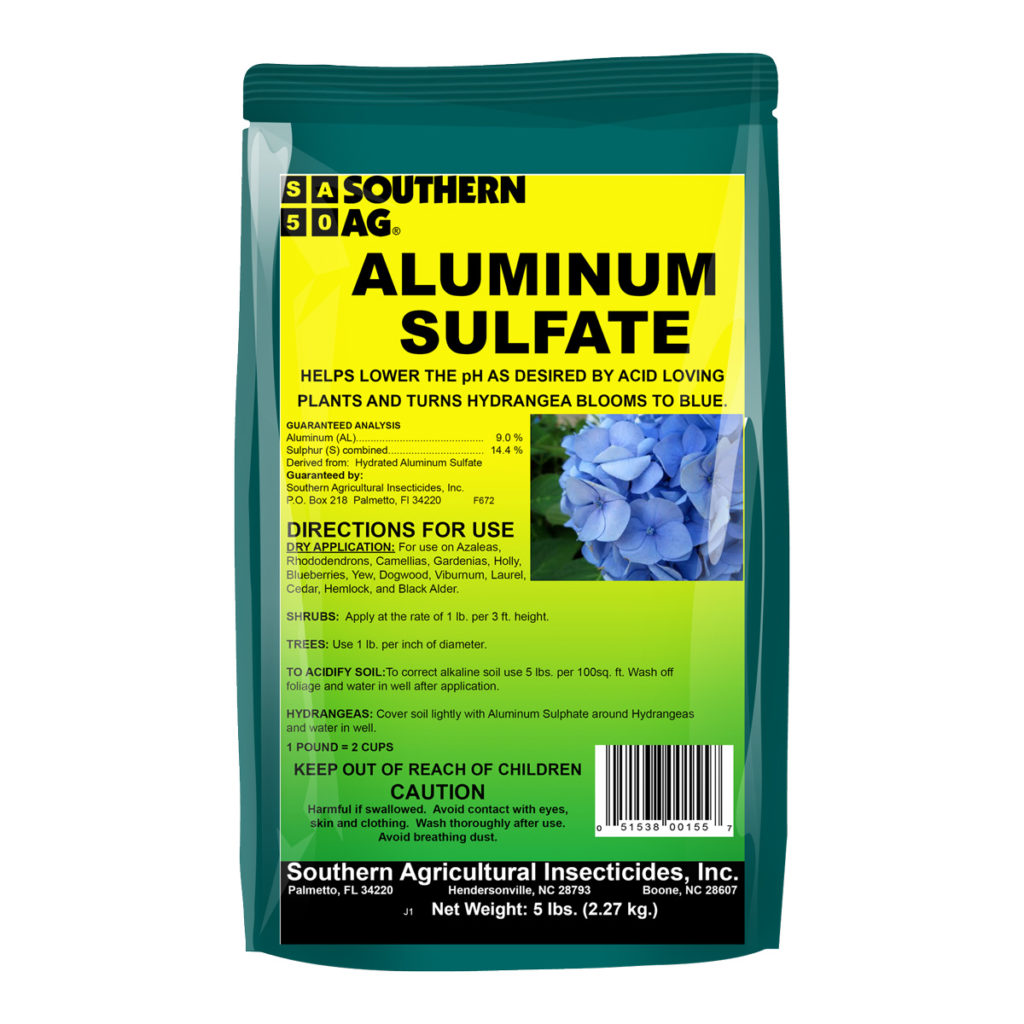
Southern Ag Aluminum Sulfate is a soil acidifier that helps lower pH and corrects high alkalinity, making it ideal for acid-loving plants. It’s great for hydrangeas and other shrubs and trees that prefer acidic conditions, including rhododendrons, blueberries, azaleas, and more. Broadcast evenly and wash off foliage, then water after application.
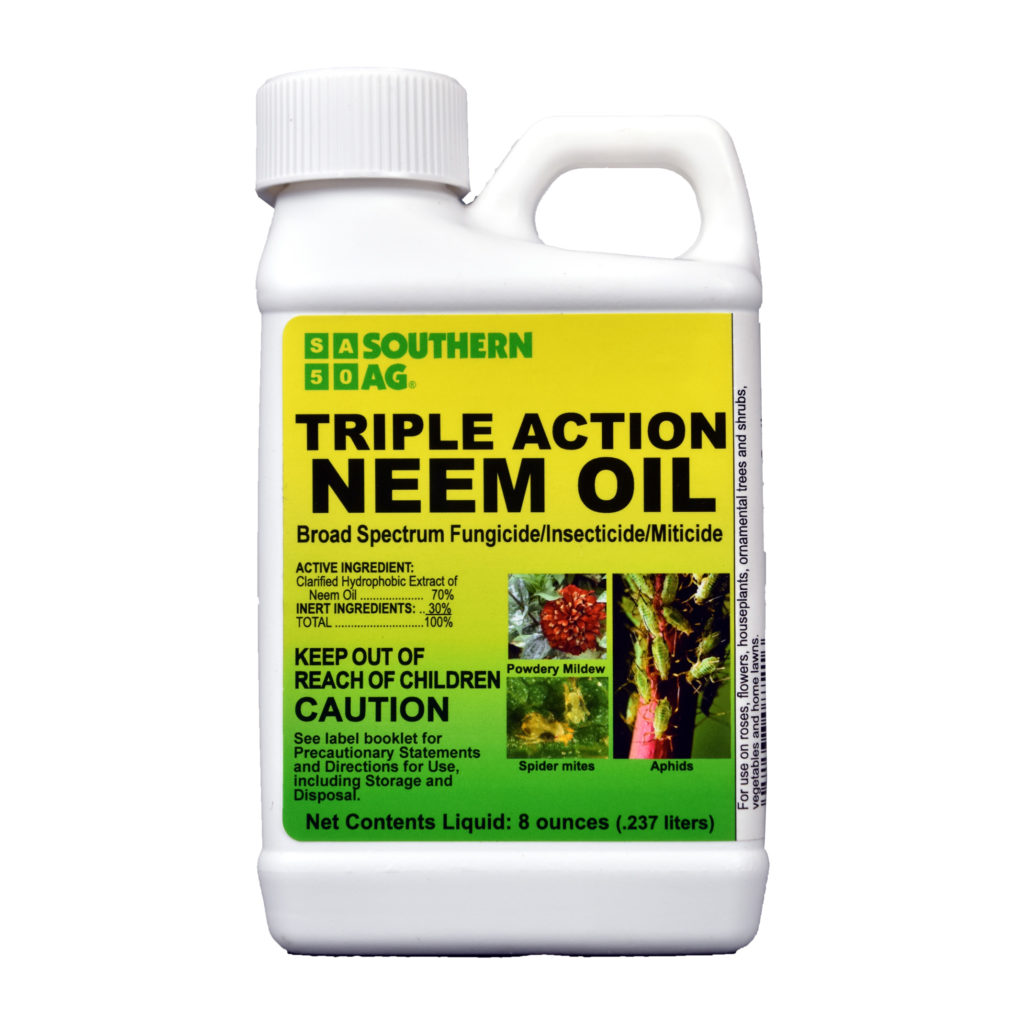
Southern Ag Triple Action Neem Oil Fungicide/Insecticide/Miticide delivers broad-spectrum control to help protect indoor and outdoor ornamental plants. Formulated with 70% clarified hydrophobic extract of neem oil, it targets common fungal diseases like powdery mildew and black spot as well as pests including aphids, spider mites, scale, and whiteflies. Thoroughly spray all plant surfaces for best results, mixing frequently during application.
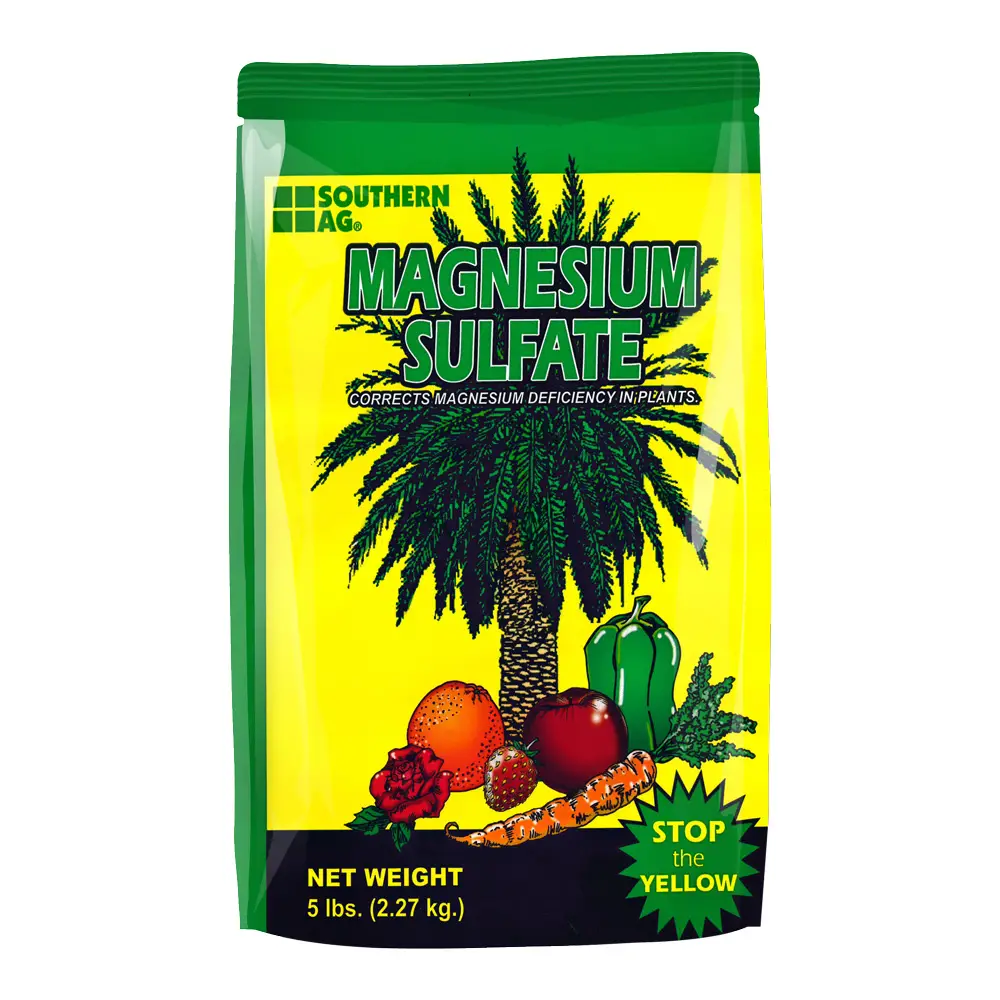
Root 98 Warehouse Southern Ag Magnesium Sulfate is a dry, water-soluble fertilizer for correcting magnesium deficiency in shrubs and trees. It helps acidify soils with less risk of staining and is designed for use on citrus, palms, trees, shrubs, annuals, and turf. Apply by spreading over the treatment area and watering in; do not mix or spray.
Cause 2: Winter Damage to Old Wood Buds
Even without any pruning, the flower buds on bigleaf hydrangea stems can be killed by freezing temperatures in winter. This is particularly common in USDA zones 5 and 6, where the plants survive but the buds do not. A stem that looks intact in early spring may have lost all viable buds to a hard freeze. Scratching the stem with a thumbnail reveals whether live tissue (green or white) is present underneath. Dead buds appear brown and shriveled when you peel away the bracts around them.
The fix: Protect the old wood of bigleaf hydrangeas through winter using burlap wrapping, an insulating cage of wire mesh filled with straw or shredded leaves, or a deep layer of mulch mounded over the base of the plant. The specific protection methods and timing are covered in the hydrangea winter care guide.
Cause 3: Too Much Shade
Hydrangeas are often marketed as shade-tolerant plants, which is true relative to many shrubs, but they still require adequate light to bloom well. A plant receiving fewer than three to four hours of direct sun per day produces vegetative growth at the expense of flower production. This is particularly noticeable when a hydrangea planted in a once-sunny spot is gradually shaded by a growing tree or structure.
The fix: Assess whether light levels have changed since the plant was established. If so, consider moving it to a sunnier location in late autumn when the plant is dormant. Full morning sun with afternoon shade is the ideal exposure for most hydrangeas, providing adequate light for flowering while protecting blooms from the bleaching and wilting that intense afternoon sun can cause.
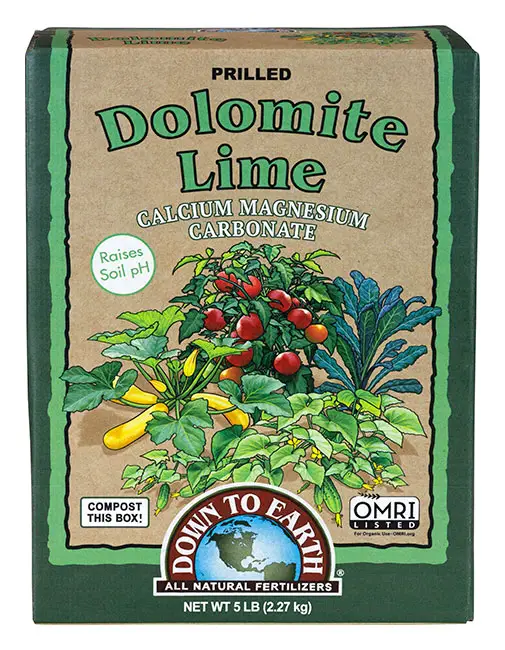
Down To Earth Organic Prilled Dolomite Lime helps raise acidic soil pH for better nutrient uptake and healthier vegetable gardens. Its rich calcium and magnesium support strong cell walls, root growth, and overall plant performance. OMRI listed for organic use, the prilled granules spread easily and act quickly while improving soil structure and microbial activity.
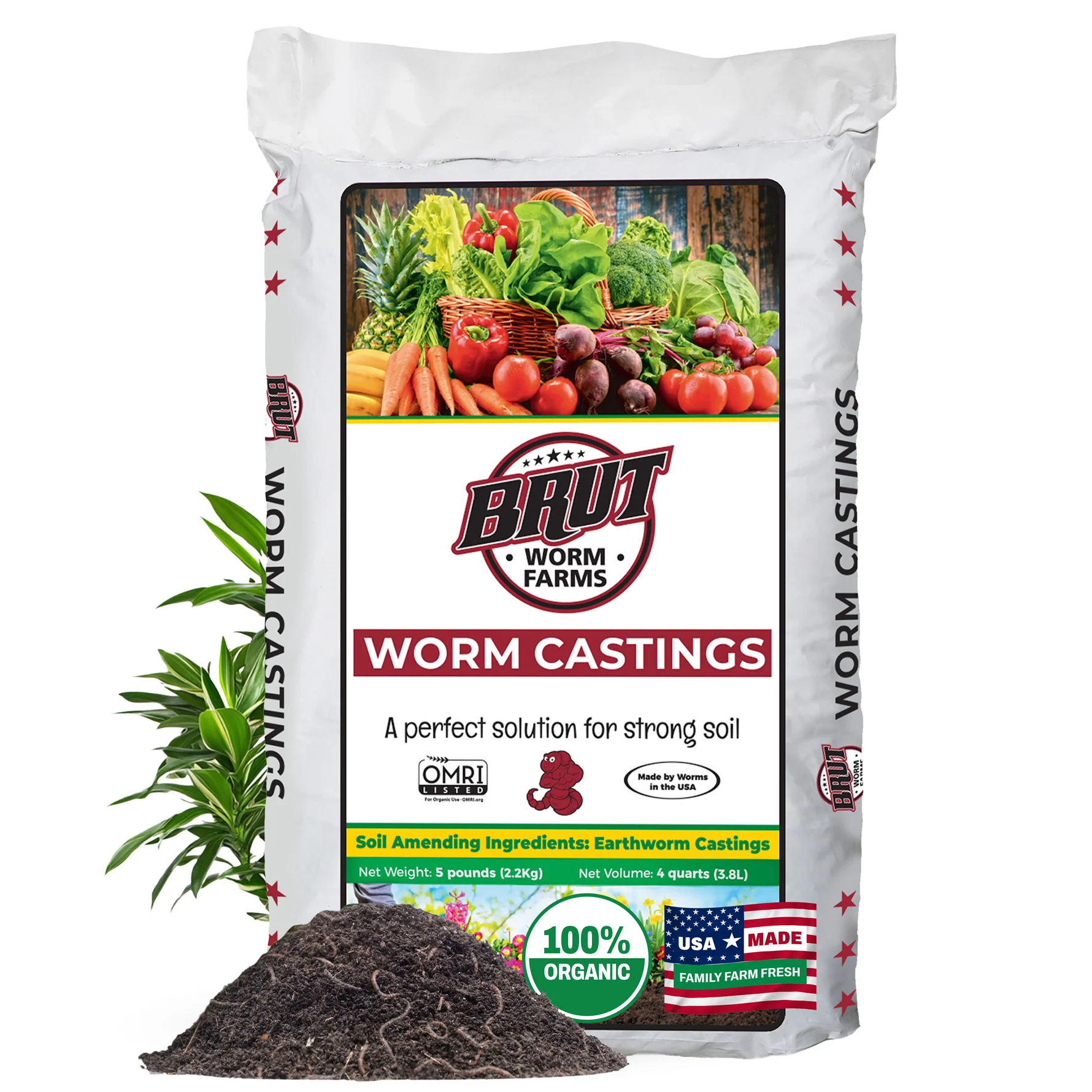
Brut organic worm castings provide mineral-rich, certified organic nutrition to supercharge indoor and outdoor plants. Raised indoors in containers for purity, these castings support lush greenery, vibrant blooms, and bountiful harvests. OMRI and CDFA listed formula helps deliver nature’s nutrients directly to plant roots for healthy growth from root to leaf.
Cause 4: Over-Fertilization with Nitrogen
A hydrangea fed heavily with high-nitrogen fertilizer, particularly lawn fertilizer that has drifted or run off into the adjacent bed, channels its energy into vegetative growth rather than reproductive development. The plant looks impressively healthy and green but produces little to no flower development.
The fix: Stop applying high-nitrogen fertilizer near the plant. Switch to a balanced or slightly phosphorus-forward fertilizer in early spring, and avoid any feeding after late July. Allow one to two seasons for the plant to return to a balanced growth pattern before expecting full bloom recovery.
Cause 5: Late Spring Frost
A late frost after the plant has broken dormancy can kill the new tender growth and any emerging buds in one night. This is distinct from winter damage to dormant buds and tends to happen in late spring during an otherwise mild year. The damaged growth turns brown and collapses quickly.
The fix: Cover plants with frost cloth or old bedsheets when late frost is forecast after growth has emerged. Remove the covering once temperatures recover. Plants often push new growth after frost damage but will not produce flowers from buds that were already damaged.