
Gardening Guides for Homeowners: Where the Growing Begins
A well-tended garden rewards you season after season, but getting there takes more than good intentions. This is the Bovees gardening resource: a practical, plainly written collection of growing guides, soil advice, plant care tutorials, and landscape ideas built specifically for homeowners who want reliable results without professional overhead.
Whether you are troubleshooting a hydrangea that refuses to bloom, planning a raised bed vegetable garden from scratch, or working out what mulch goes where, every guide here is built around the same principle: clear, actionable information grounded in how plants actually work.
What You Will Find in This Section
The gardening section covers nine topic areas. Each hub is a focused cluster of guides written for a specific growing challenge or plant type.
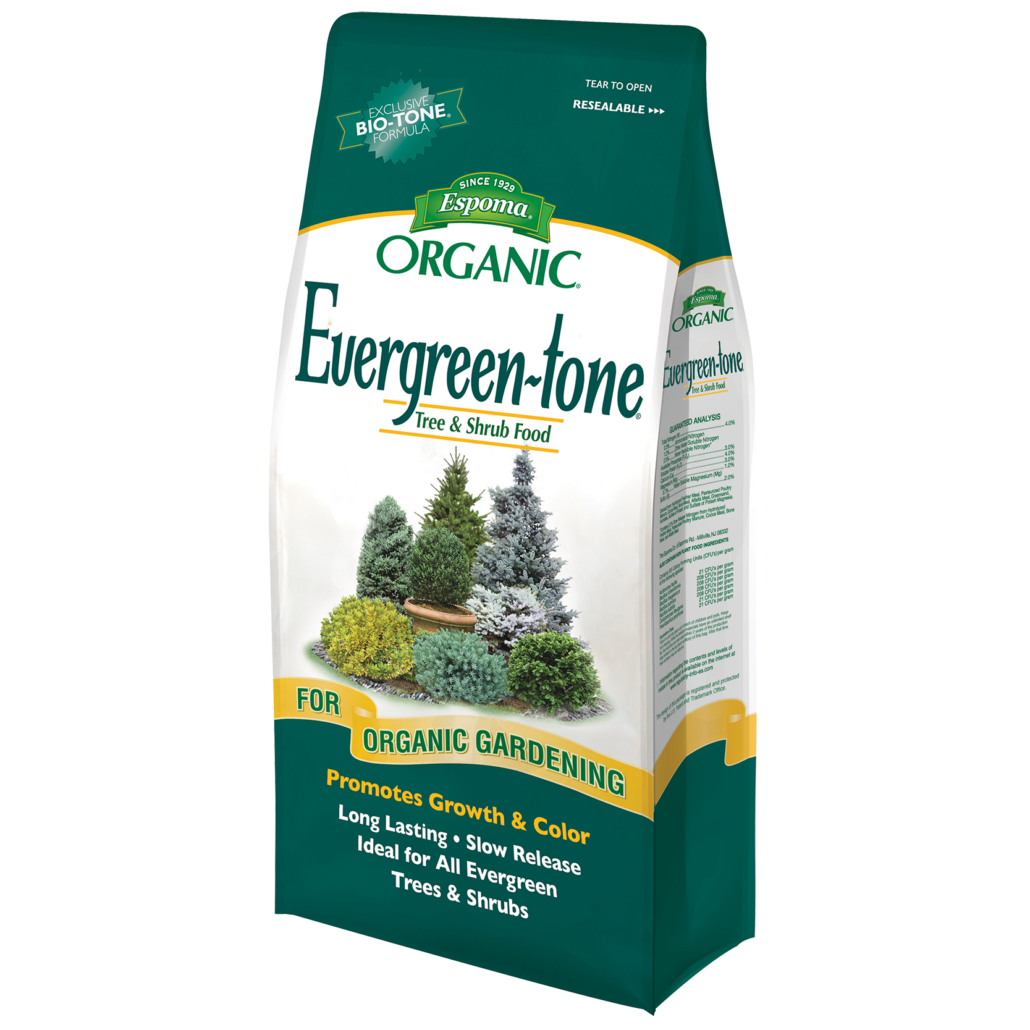
Evergreen-Tone is a rich blend of natural and organic ingredients enhanced with humates and beneficial microbes to support evergreen trees and shrubs. It promotes deep green foliage with long-lasting slow-release feeding, helping acidify the soil with elemental sulfur. Made with no sludges or fillers, it’s designed for consistent, quality results and is safe for people, pets, and the planet.
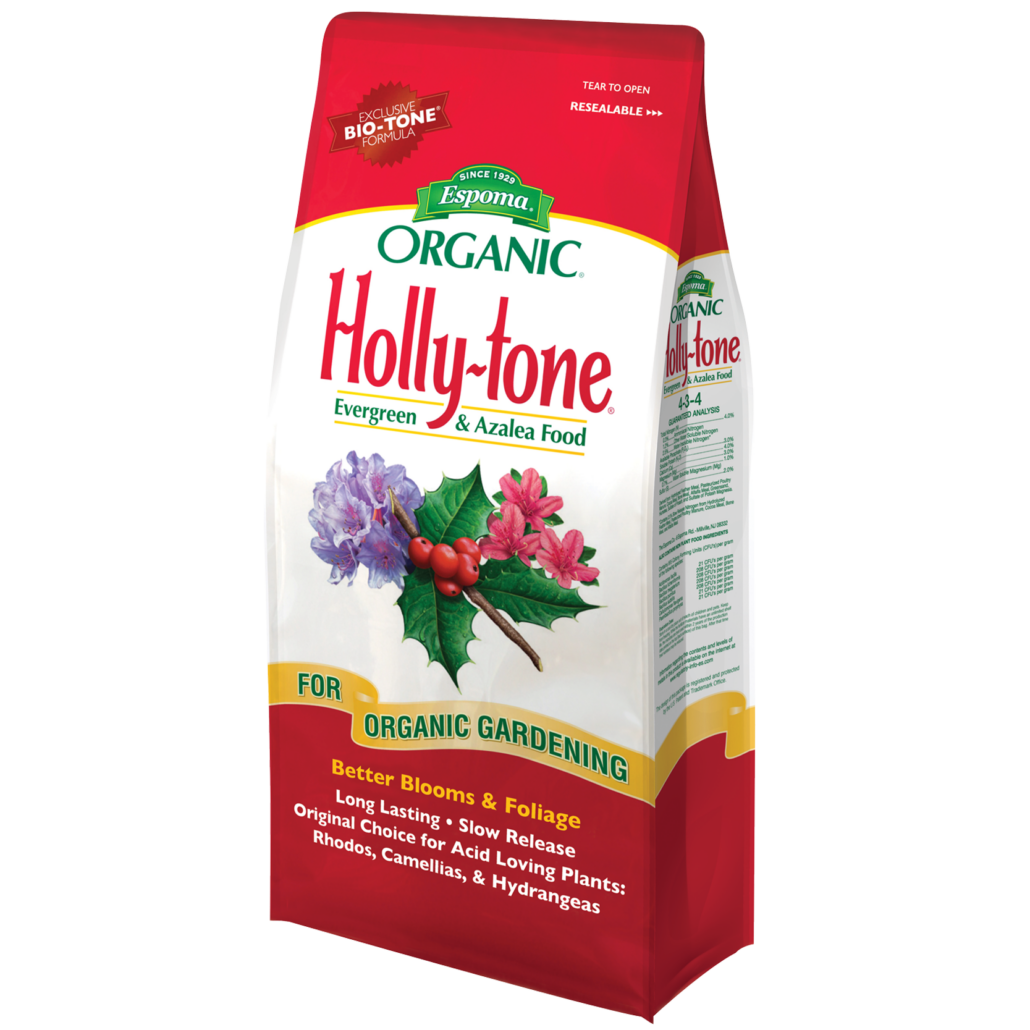
Espoma Organic Holly-Tone is the original plant food for all acid-loving plants, delivering deep green color and bigger blooms. This natural and organic, long-lasting slow-release formula helps acidify soil with elemental sulfur and supports healthy growth with humates and beneficial microbes. It’s made without sludges or fillers and is safe for people, pets, and the planet.
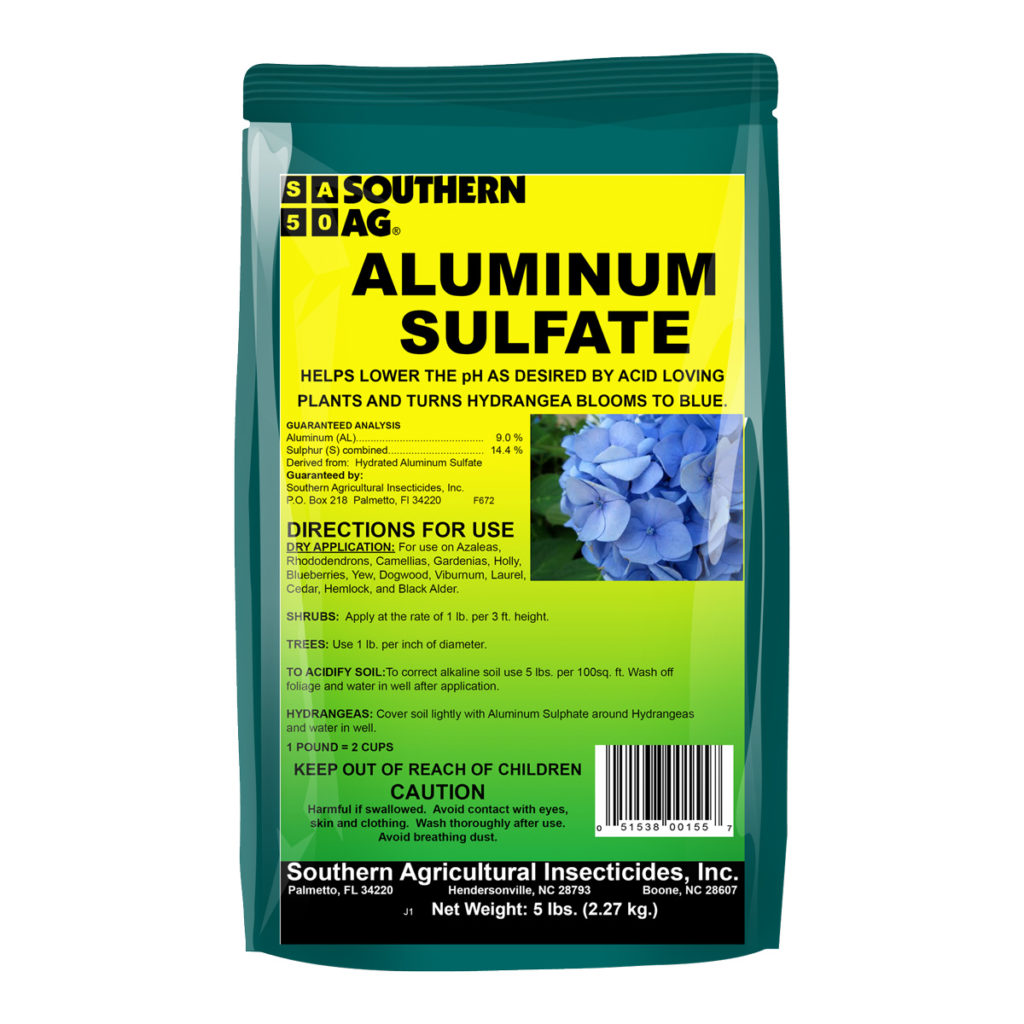
Southern Ag Aluminum Sulfate is a soil acidifier that helps lower pH and corrects high alkalinity, making it ideal for acid-loving plants. It’s great for hydrangeas and other shrubs and trees that prefer acidic conditions, including rhododendrons, blueberries, azaleas, and more. Broadcast evenly and wash off foliage, then water after application.
Hub 1: Hydrangeas
Hydrangeas are among the most popular flowering shrubs in North American home gardens. The guides in the hydrangea hub cover species identification, bloom color adjustment through soil pH, pot culture, transplanting, fertilizing, winter protection, and propagation from cuttings. If you grow bigleaf, panicle, smooth, or oakleaf hydrangeas, or want to choose between them, this is where to start.
Hub 2: Rhododendrons and Azaleas
Rhododendrons and azaleas share genus and cultural requirements, but differ in hardiness, bloom time, and landscape use in ways that matter for plant selection and long-term care. The rhododendron and azalea hub covers soil acidification, ericaceous planting, container azalea care, fertilizing, and diagnosing common problems including brown leaves and failure to flower.
Hub 3: Soil and Growing Media
Soil quality determines whether every other gardening effort succeeds or falls short. The soil and growing media hub is the methodological foundation of this silo, covering soil pH testing and adjustment, soil types and drainage, potting mix selection for containers, and amendments including compost, lime, sulfur, and perlite. Readers working on specific plants will find cross-references here from almost every other hub.
Hub 4: Vegetable Garden
Growing food at home starts with planning and structure and pays off through harvest. The vegetable garden hub covers everything from starting a first garden and setting up raised beds to companion planting, crop rotation, and growing individual crops including asparagus, beans, beets, chard, and green onions. The hub also covers grass removal from vegetable beds, mulching for food crops, and vegetable garden planning.
Hub 5: Garden Design and Landscaping
Good garden design begins before any plants go in the ground. The garden design and landscaping hub covers layout planning, cottage garden design, shade gardening, rock gardens and rockeries, landscaping on slopes, planting around trees, and the best free tools for drawing garden plans. This is the inspiration and planning hub for readers who want a garden that works as a whole, not just as a collection of individual plants.
Hub 6: Herbs and Edible Plants
Herbs are among the most rewarding plants for home gardeners because harvest happens frequently and the results land directly on the plate. The herbs and edible plants hub covers growing basil, rosemary, lavender, and mint, plus indoor herb growing, drying and preserving harvests, and choosing starter kits for beginning herb gardeners.
Hub 7: Mulch and Ground Cover
Mulch is the most underrated tool in a gardener’s kit. Applied correctly, it suppresses weeds, retains moisture, regulates soil temperature, and reduces the maintenance load across every bed on the property. The mulch and ground cover hub covers organic versus inorganic mulch types, application depth and timing, rock mulch for flower beds, mulch calculators, and the best ground cover plants for sun and shade.
Hub 8: Cut Flowers and Flowering Plants
Growing flowers for cutting is a distinct discipline within gardening, requiring attention to harvest timing, stem conditioning, and vase life management. The cut flowers and flowering plants hub covers the best garden-to-vase flowers, how to condition cut stems for maximum longevity, and the cultural and floral traditions behind French and Italian floral styles. Spider lily meaning and symbolism is also covered here.
Hub 9: General Plant Care
Some plant care knowledge applies across all species regardless of hub. The general plant care hub covers foundational techniques including frost protection, how to water garden plants correctly, how to fertilize through a season, diagnosing yellowing leaves, deadheading flowers for extended bloom, and propagating plants by division, cuttings, and layering.
How This Section Connects to the Rest of Bovees
Gardening does not happen in isolation from the rest of outdoor maintenance. Soil health, for example, connects directly to composting: finished compost is the most versatile amendment available for improving both sandy and clay soils, and the application rates and timing by soil type are covered in the compost application to soil guide.
Tree and shrub management overlaps heavily with pruning technique. The pruning and trees section covers timing and method for hydrangeas, rhododendrons, azaleas, and landscape trees, all of which are also represented here with their growing and care context.
Pest identification and control in garden beds is covered in the pest control section, which handles aphids, slugs, caterpillars, and other common garden invaders. Container and indoor plant care, including root rot prevention and grow light management, is handled in the houseplants section.
A Note on How the Guides Are Structured
Every guide in this section starts with the most useful information for the reader’s specific situation and works outward from there. You will not find keyword padding or thin rewrites of generic gardening advice. Each page is built around the real decisions a homeowner faces: what to buy, how to prepare, what to do first, what mistakes to avoid, and how to diagnose problems when they arise.
If you are not sure where to start, the soil and growing media hub is the most broadly useful resource in the section, because soil quality is the variable that most consistently separates thriving gardens from struggling ones.
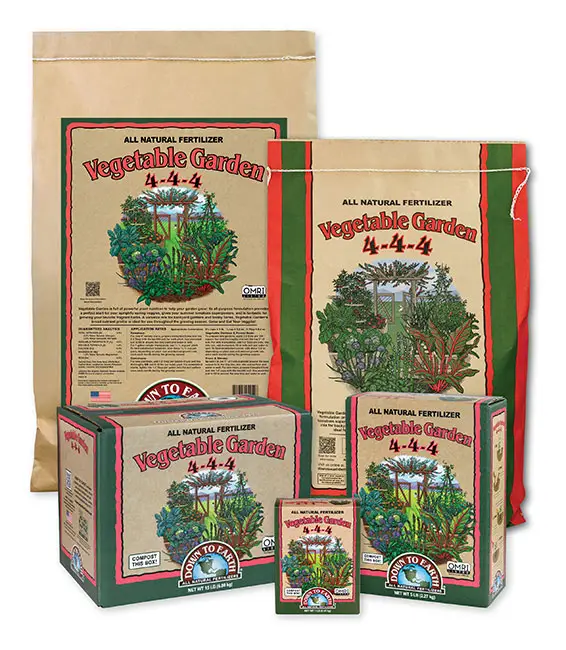
Down to Earth Vegetable Garden is an OMRI-listed, all-natural 4-4-4 fertilizer made to support vigorous foliage growth in greens, herbs, and vegetables while helping improve fruit size and yield for crops like tomatoes. Use it across a wide range of garden needs, including container vegetable gardens, as well as trees and shrubs.
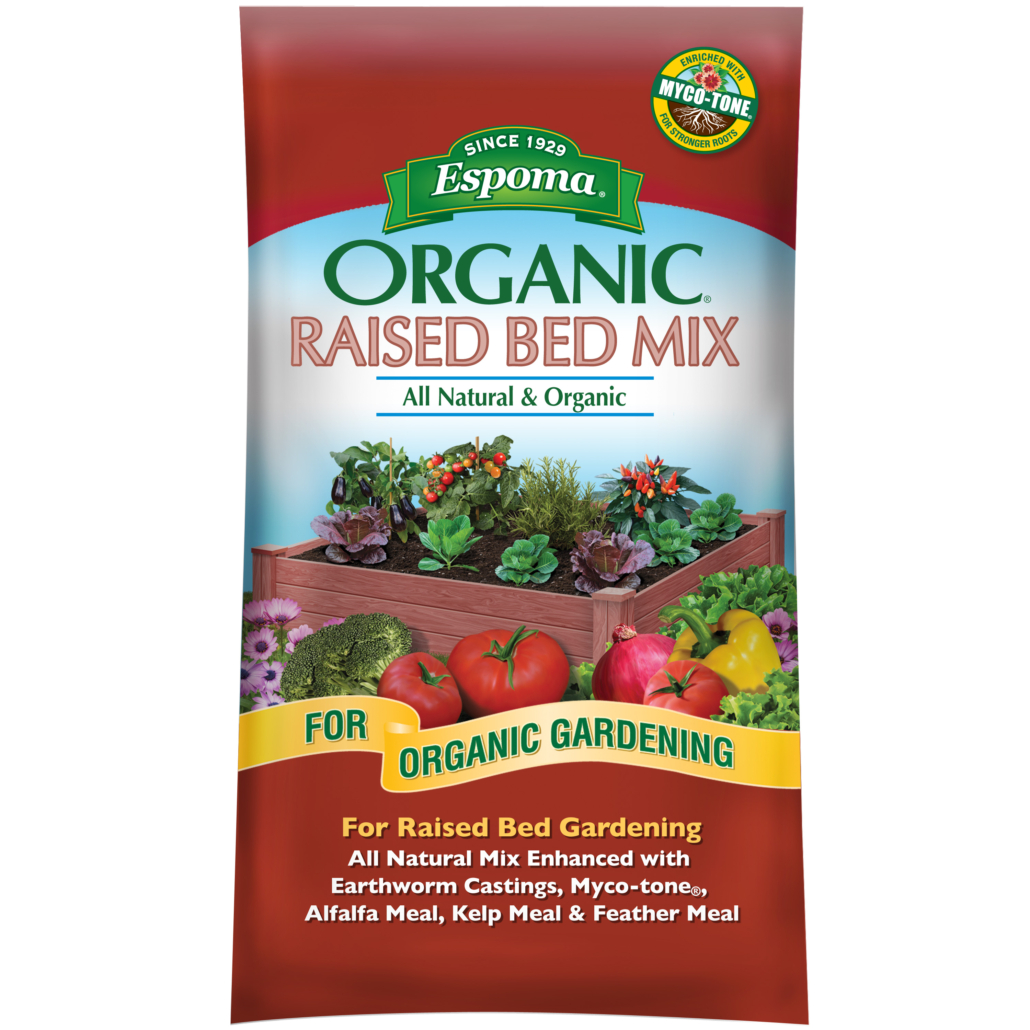
Espoma Organic Raised Bed Mix is an all-natural potting soil blend designed for raised garden beds and outdoor containers. It’s enriched with earthworm castings and organic meals for strong, healthy plant growth, plus MYCO-TONE with endo and ecto mycorrhizae. This ready-to-use mix contains no synthetic plant foods or chemicals, making it ideal for organic gardening.