
General Plant Care Guide: Watering, Feeding, and Problem Solving
The plant care techniques in this hub apply across the gardening silo: the principles of correct watering, fertilizing, frost protection, and propagation are the same whether you are growing hydrangeas, herbs, vegetables, or perennials. This hub provides that cross-cutting knowledge layer, covering the fundamental practices that underpin success with any garden plant regardless of species.
Watering: The Foundation of Plant Health
More garden plants die from incorrect watering than from any other single cause, and the incorrect watering is more often over-watering than under-watering. Correct watering means understanding how each plant type’s water requirements change through the seasons, how soil type affects drainage and water retention, and how to read the signals that plants give when their moisture needs are not being met.
The how to water garden plants guide covers the fundamental watering principles: frequency, method, time of day, and the differences between watering container plants, in-ground plants, and newly planted specimens that have not yet established their root systems.
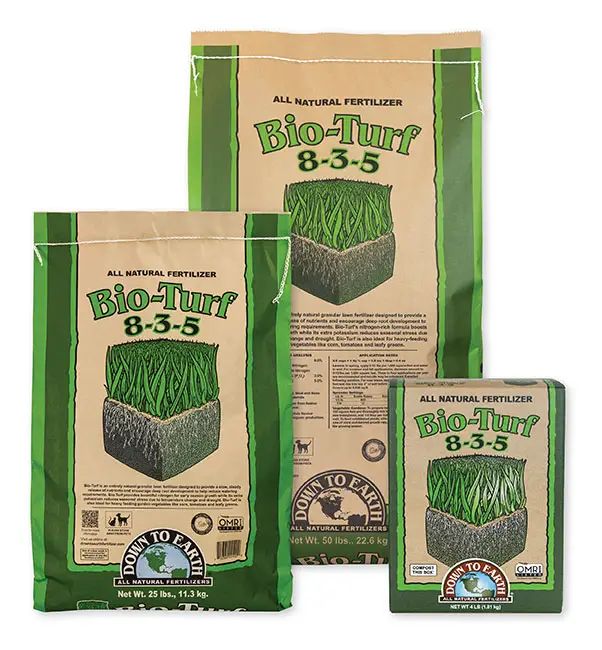
Down to Earth Bio-Turf is an all-natural 8-3-5 organic fertilizer, OMRI listed for use in organic production. It helps encourage deep root development to support greener, stronger growth while reducing watering needs and stress from heat or drought. Ideal for lawns, landscape ornamentals, and heavy-feeding garden vegetables and flowerbeds.
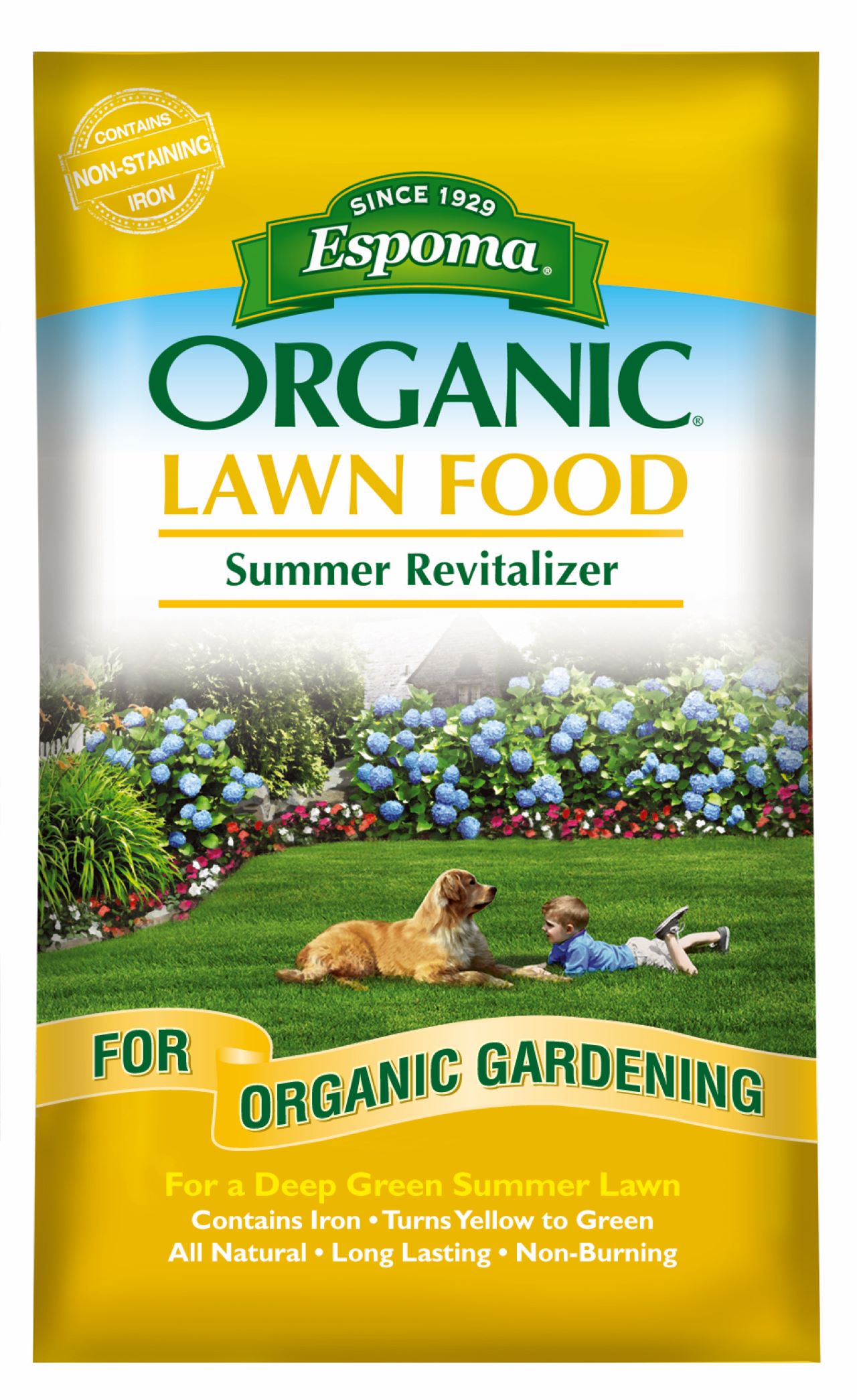
Espoma Organic Lawn Food Summer Revitalizer 8-0-0 delivers long-lasting organic nitrogen to help invigorate lawns during hot weather while adding iron for deep, greener color. Designed for all lawn types and cool- or warm-season grasses, it helps turn yellow lawns back to green without burning or leaching out of soil. Environmentally safe with no sludges or toxic ingredients, it won’t stain concrete, sidewalks, or driveways and is approved as a registered organic input material.
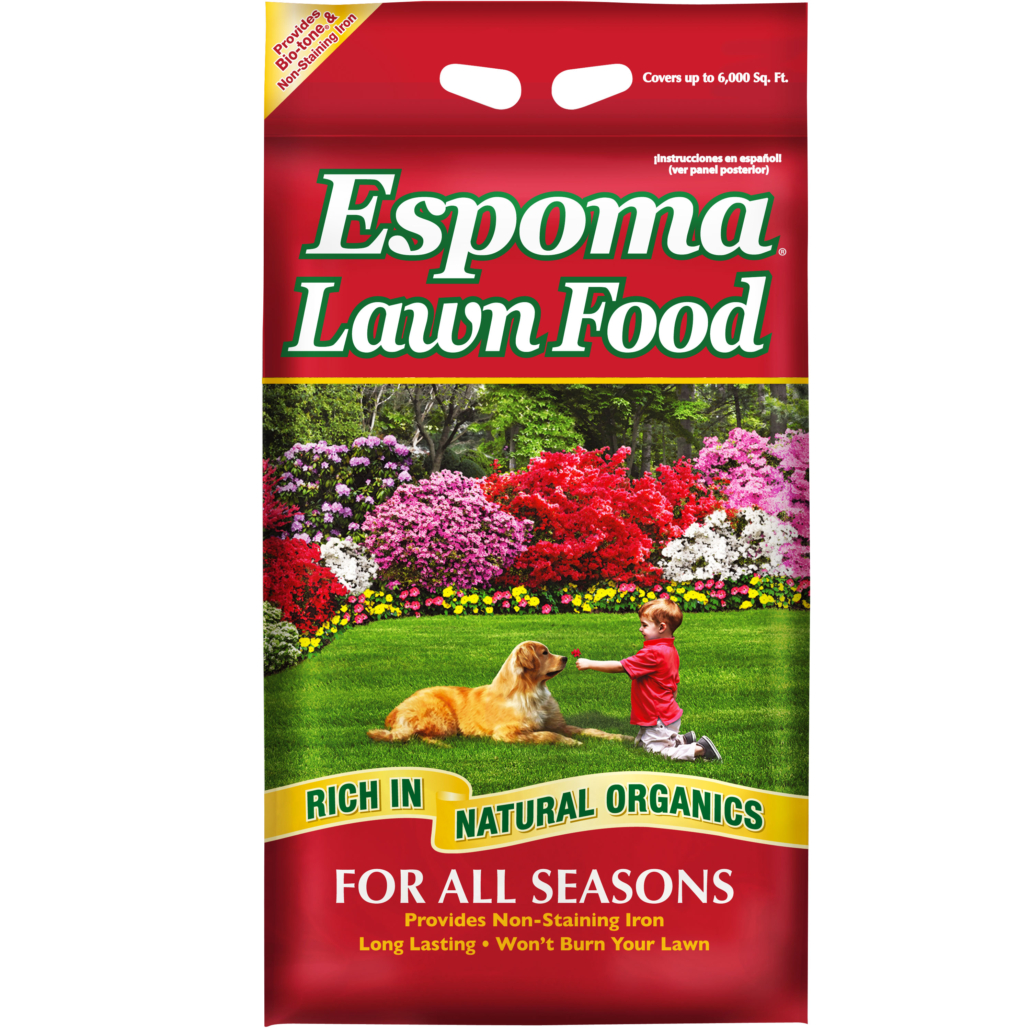
Espoma Lawn Food for All Seasons 15-0-5 provides slow-release, long-lasting nitrogen to help support a greener lawn year-round. Enhanced with iron for deep green color, it helps turn yellow lawns back to green and won’t stain concrete, sidewalks, or driveways. Safe for cool and warm season grasses, it applies in spring, summer, and fall with a drop or broadcast spreader.
Fertilizing: Feeding Without Excess
Fertilizing garden plants correctly produces better growth, more flowers, and healthier disease resistance. Fertilizing incorrectly, which most often means applying too much nitrogen at the wrong time of year, pushes soft, lush growth that is more susceptible to pest damage, fungal disease, and frost injury than the balanced growth that correctly timed moderate feeding produces.
The how to fertilize garden plants guide covers fertilizer types, NPK ratios, slow-release versus liquid feeding, and the timing rules that apply across plant categories. For the specific distinction between fertilizer and plant food, which is often a source of confusion in product marketing, the plant food vs fertilizer guide in Hub 3 provides the clarification.
Diagnosing Problems
Yellow leaves are the most common symptom home gardeners notice and bring to Bovees looking for guidance. The causes range from nutritional deficiency to overwatering to normal seasonal leaf drop, and distinguishing between them requires looking at the pattern of yellowing, the affected leaf age, and the plant’s growing conditions. The why are my plant leaves turning yellow guide is structured as a diagnostic tool that leads through the most common causes systematically.
Espoma Organic Lawn Soil is an all-natural organic soil mix designed to promote seed germination and help new sod establish. It contains earthworm castings, alfalfa meal, kelp meal, and feather meal, enhanced with Espoma MYCO-TONE, a blend of endo and ecto mycorrhizae fungi. Use it anytime you sow new grass seed or install sod for organic gardening results with no synthetic plant foods or chemicals.
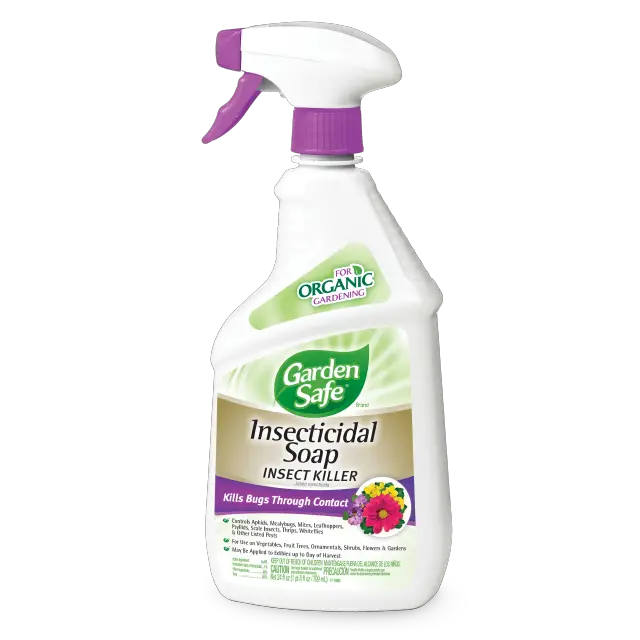
Garden Safe insecticidal soap is a ready-to-use contact spray that kills listed garden pests when sprayed directly on them. It’s formulated for organic gardening and can be used on vegetables, fruit trees, ornamentals, shrubs, flowers, and in indoor, outdoor, and greenhouse applications. For convenience, it may be applied to edibles up to and including the day of harvest.