
How to Fertilize Garden Plants: Timing, Types, and Application
Fertilizing garden plants correctly means matching the right nutrient profile to the right plant at the right time of season. Applied correctly, fertilizer increases plant vigor, flower production, and disease resistance. Applied incorrectly, it produces the soft, lush, pest-attractive growth that makes plants harder to manage, not easier.
Understanding NPK
Every fertilizer label shows three numbers representing the percentage by weight of nitrogen (N), phosphorus (P), and potassium (K) in the product. These are the three macronutrients that plants need in the largest quantities and that are most commonly limited in garden soils.
Nitrogen drives leafy, vegetative growth. Phosphorus supports root development and flower and seed production. Potassium supports overall plant health, disease resistance, water regulation, and cold hardiness. Fertilizers with high first numbers (nitrogen) push leafy growth. Those with high middle numbers (phosphorus) support flowering and root establishment. Those with high third numbers (potassium) support plant hardening and stress tolerance.
For most ornamental and flowering plants, a balanced fertilizer in the 10-10-10 range or similar applied in spring is the practical foundation. For lawns and leafy vegetables, nitrogen-forward products are appropriate. For root vegetables, high-phosphorus or lower-nitrogen products suit the crop’s development priorities.
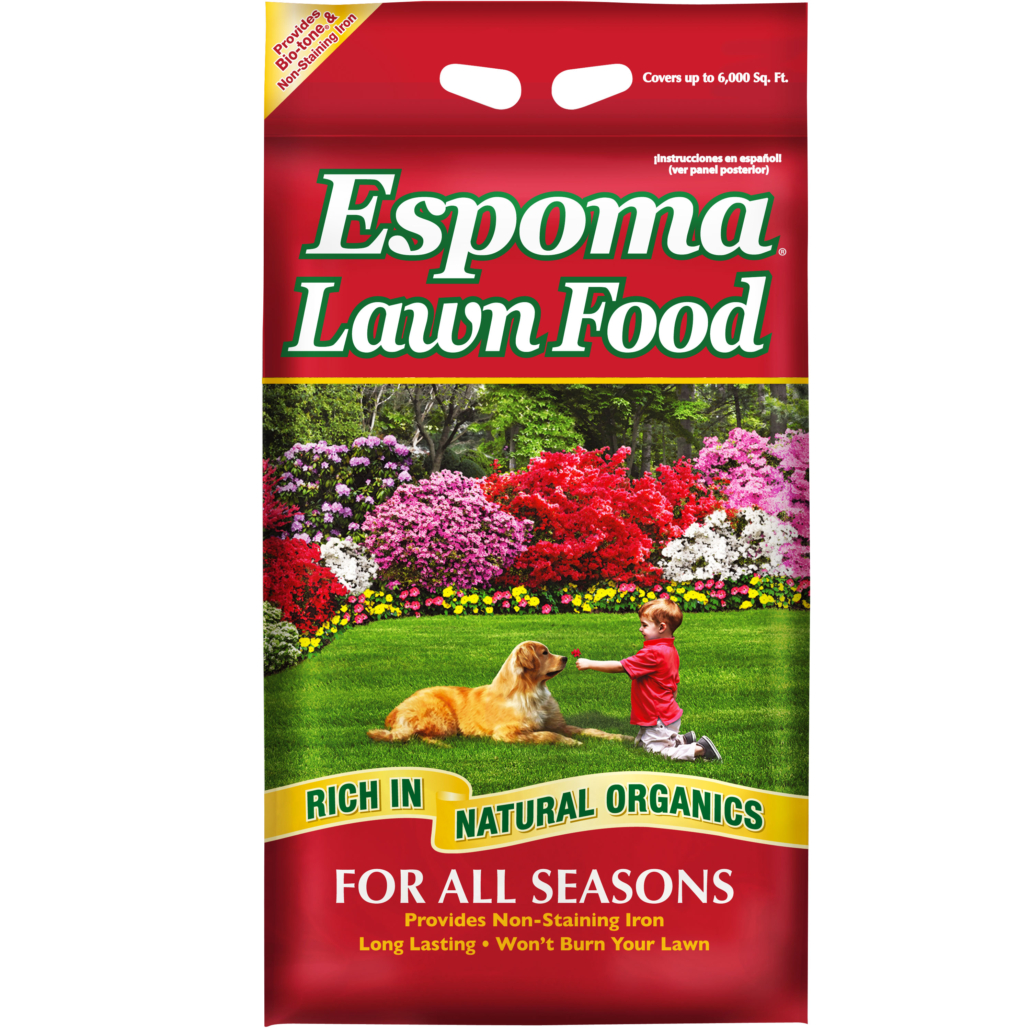
Espoma Lawn Food for All Seasons 15-0-5 provides slow-release, long-lasting nitrogen to help support a greener lawn year-round. Enhanced with iron for deep green color, it helps turn yellow lawns back to green and won’t stain concrete, sidewalks, or driveways. Safe for cool and warm season grasses, it applies in spring, summer, and fall with a drop or broadcast spreader.
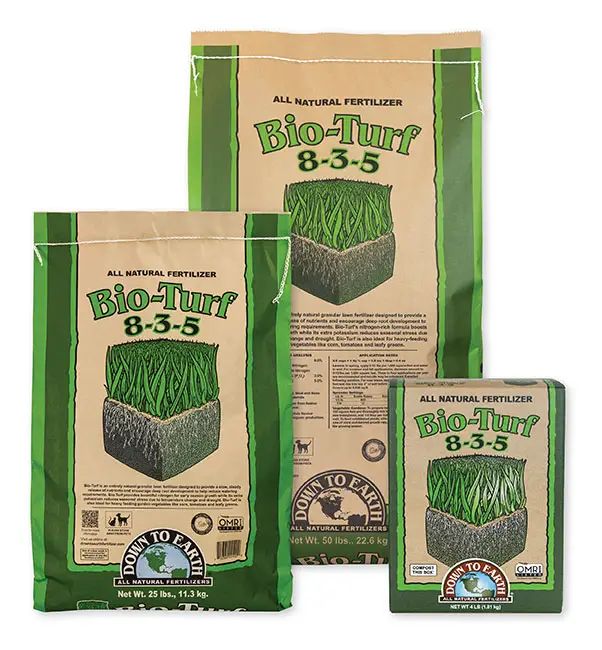
Down to Earth Bio-Turf is an all-natural 8-3-5 organic fertilizer, OMRI listed for use in organic production. It helps encourage deep root development to support greener, stronger growth while reducing watering needs and stress from heat or drought. Ideal for lawns, landscape ornamentals, and heavy-feeding garden vegetables and flowerbeds.
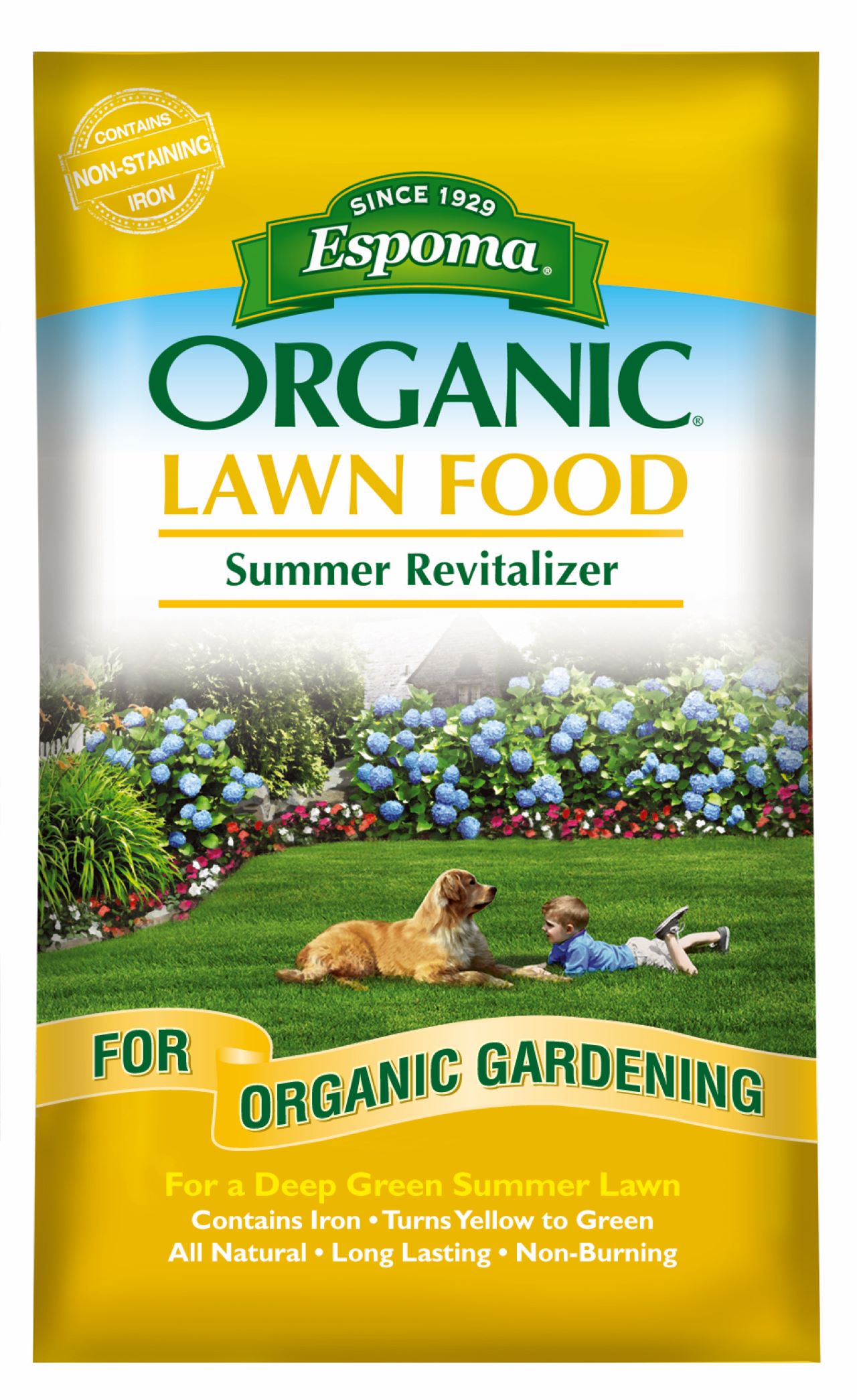
Espoma Organic Lawn Food Summer Revitalizer 8-0-0 delivers long-lasting organic nitrogen to help invigorate lawns during hot weather while adding iron for deep, greener color. Designed for all lawn types and cool- or warm-season grasses, it helps turn yellow lawns back to green without burning or leaching out of soil. Environmentally safe with no sludges or toxic ingredients, it won’t stain concrete, sidewalks, or driveways and is approved as a registered organic input material.
Slow-Release vs Liquid Fertilizer
Slow-release granular fertilizers are the most practical choice for established in-ground plants. A single spring application releases nutrients gradually over three to six months, reducing the labor of repeated applications and the risk of over-fertilizing in any single application. Scratch granules into the soil surface inside the drip line and water in.
Liquid fertilizers are taken up quickly by roots and are the most appropriate choice for container plants, which leach nutrients with each watering, and for plants showing immediate deficiency symptoms that need rapid correction. Apply every two to three weeks through the growing season.
Timing Rules
Apply fertilizer in spring when growth begins and the plant can immediately use the nutrients being supplied. A second application in early summer maintains momentum through the flowering season.
Stop fertilizing in late summer. Late-season nitrogen stimulates soft new growth that does not harden before autumn frosts arrive, increasing winter cold damage. For shrubs, perennials, and trees, the final fertilizer application should go in no later than six to eight weeks before the first expected frost.
Do not fertilize plants that are drought-stressed or recently transplanted. Fertilizer applied to a plant that cannot take up water normally creates a concentration of salts in the root zone that worsens the plant’s condition rather than improving it. Water first, allow the plant to recover, then fertilize once it is actively growing.
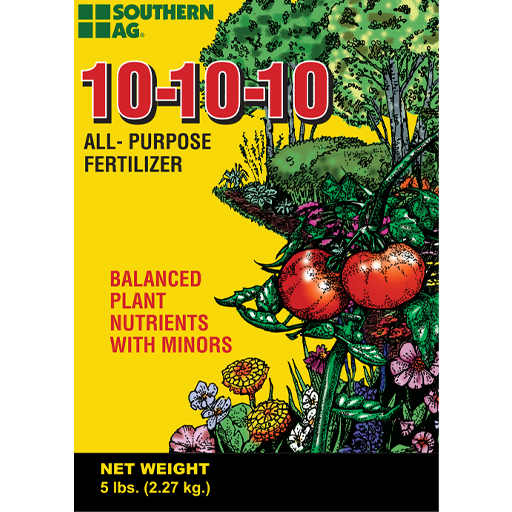
Southern Ag All Purpose Granular Fertilizer 10-10-10 helps nourish lawns, flower beds, vegetables, and trees with a balanced blend of essential nutrients. The granular formula is designed for easy application and supports healthy growth across a wide range of plants and seasons. Follow label directions to sweep off any granules from hard surfaces and water plants well after applying.
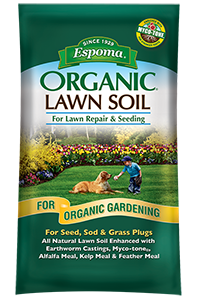
Espoma Organic Lawn Soil is an all-natural organic soil mix designed to promote seed germination and help new sod establish. It contains earthworm castings, alfalfa meal, kelp meal, and feather meal, enhanced with Espoma MYCO-TONE, a blend of endo and ecto mycorrhizae fungi. Use it anytime you sow new grass seed or install sod for organic gardening results with no synthetic plant foods or chemicals.