
How to Propagate Plants: Division, Cuttings, and Layering
Propagating plants from an existing plant, rather than growing from seed, produces a new plant genetically identical to the parent: the same flower color, growth habit, and characteristics that made you want more of it. Most garden plants can be propagated by at least one vegetative method, and in many cases the process is straightforward enough for any home gardener to manage without specialist equipment.
Division
Division is the simplest propagation method for clump-forming perennials. It involves physically dividing an established clump into two or more sections, each with its own roots and shoots, and replanting them separately.
When to divide: Divide spring and summer-flowering perennials in autumn, and autumn-flowering perennials in spring. Both timings give the divided sections a full growing season to re-establish before flowering. Division also benefits overcrowded perennials that have reduced their flowering: the rejuvenated outer sections of the clump typically flower more freely than the congested original center.
How to divide: Dig around the full perimeter of the clump and lift it intact. For small clumps, pull apart by hand or use two garden forks back-to-back to lever the clump into sections. For large, tough clumps (such as ornamental grasses), cut through with a sharp spade. Replant the sections at the same depth they were growing, water thoroughly, and mulch around the new plantings.
Perennials that divide well include hostas, daylilies, echinacea, rudbeckia, asters, ornamental grasses, and most spring-flowering bulbs that form clumps over time.
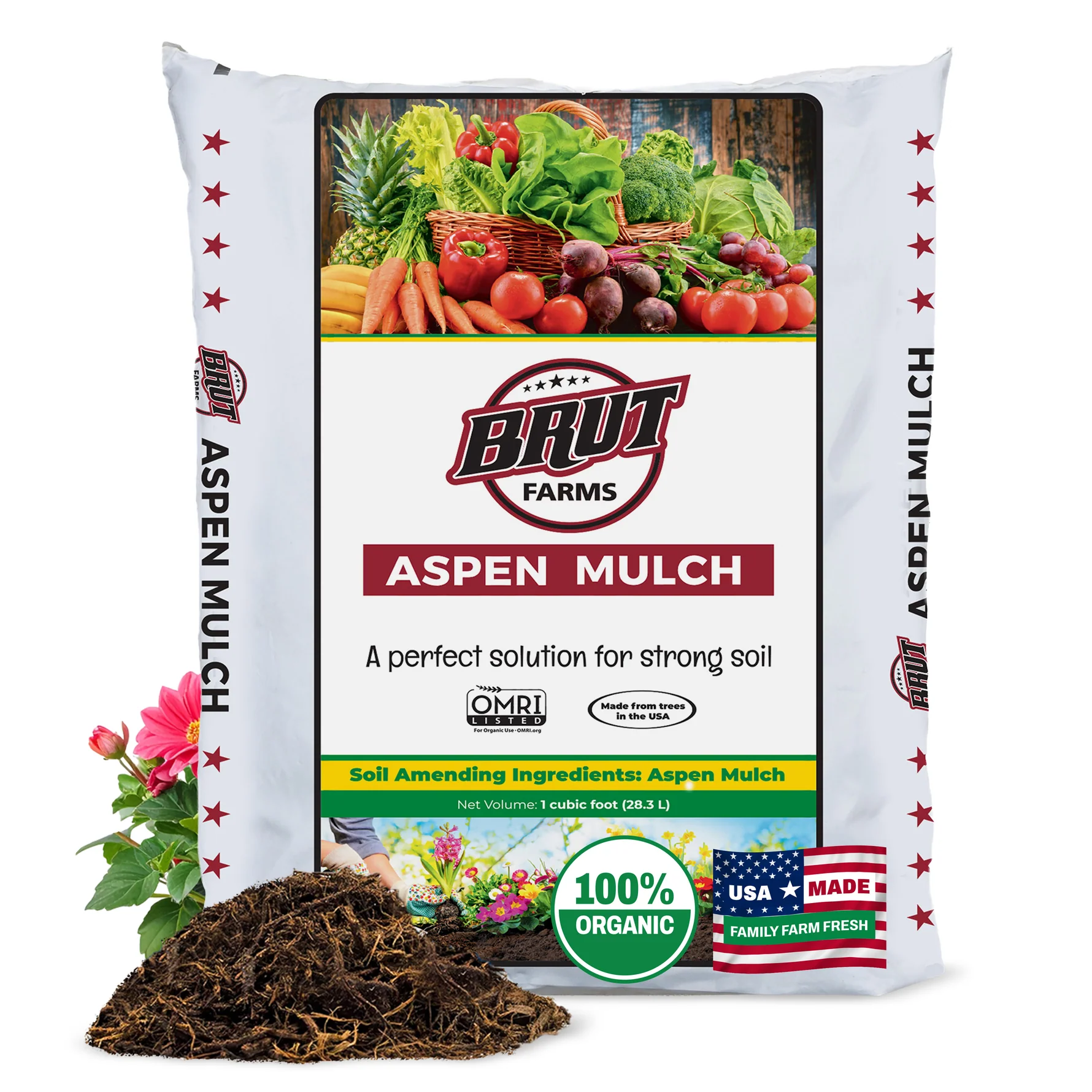
Brut Organic Aspen Mulch creates a clean, polished garden surface while helping minimize weeds naturally. Its high-carbon, odor-free aspen bark supports beneficial soil microbes and improves soil structure for healthier plants. The mulch naturally retains moisture, promoting water-efficient root hydration for garden beds, potted plants, and outdoor planters. OMRI-listed for certified organic gardening.
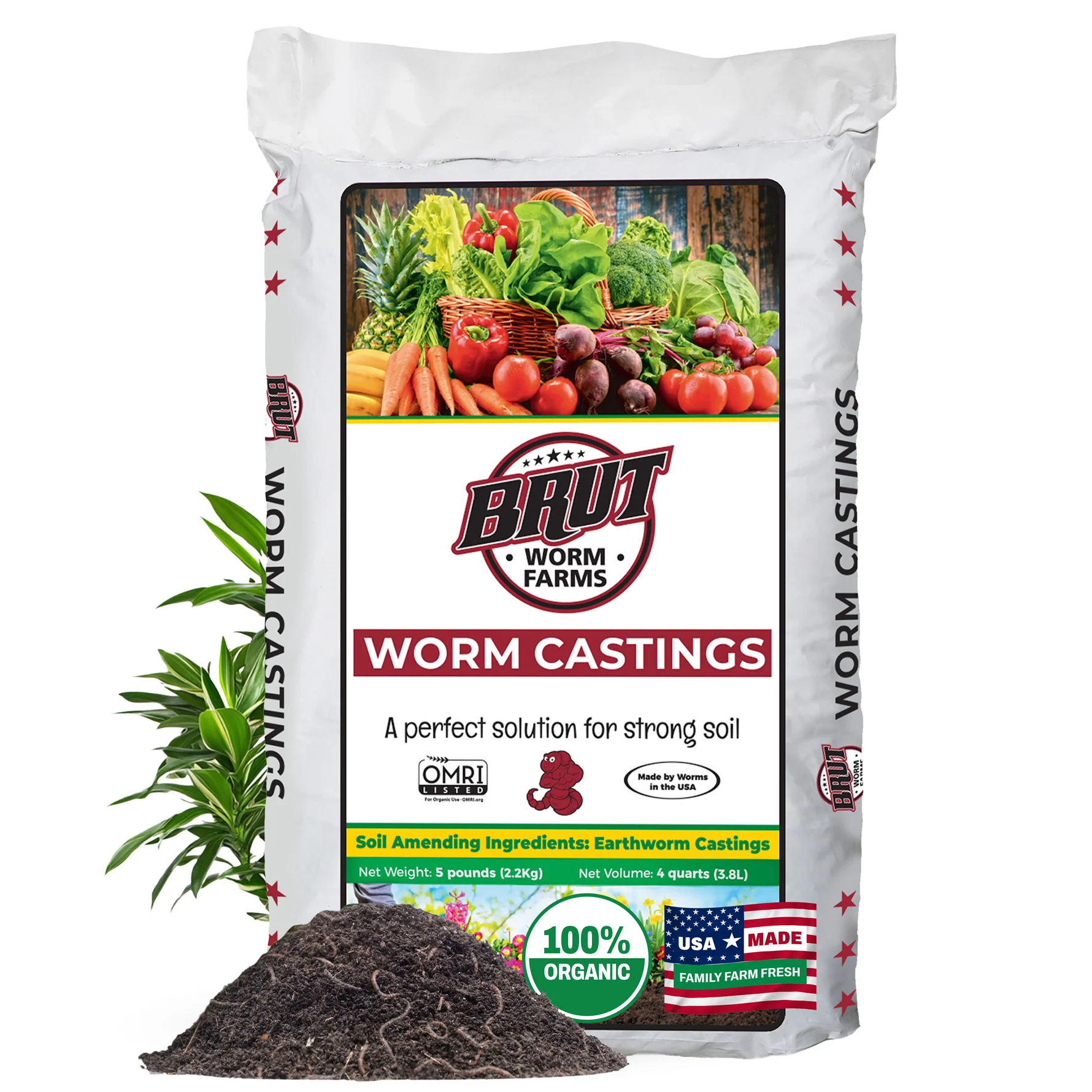
Brut organic worm castings provide mineral-rich, certified organic nutrition to supercharge indoor and outdoor plants. Raised indoors in containers for purity, these castings support lush greenery, vibrant blooms, and bountiful harvests. OMRI and CDFA listed formula helps deliver nature’s nutrients directly to plant roots for healthy growth from root to leaf.
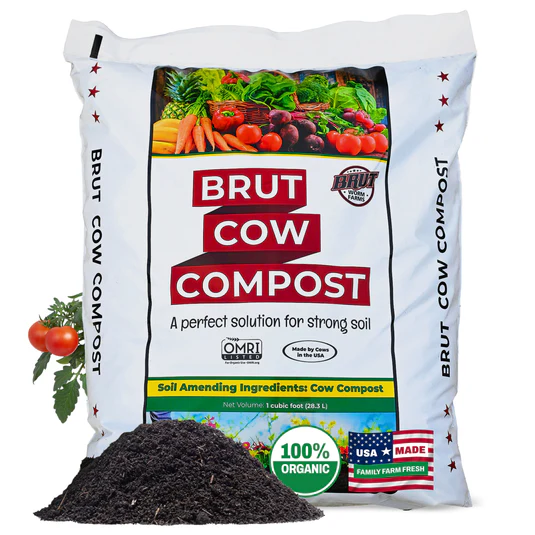
Brut Cow Compost is a nutrient-rich organic soil amendment made from 100% pure, thoroughly composted cow manure. It enriches soil with nitrogen, calcium, and iron, supports beneficial microbial life, and helps plants produce stronger growth. Odor-free and gentle on roots, it can be used for vegetables, flowers, lawns, shrubs, and indoor plants as a top dressing or mixed into garden and potting soil.
Stem Cuttings
Stem cuttings are sections of stem removed from the parent plant and encouraged to produce their own roots. The cutting type (softwood, semi-hardwood, or hardwood) depends on the stage of the stem’s development and determines the timing of the propagation.
Softwood cuttings are taken from the current season’s soft, flexible new growth in late spring to early summer. They root quickly but need humidity management to prevent wilting before roots develop. This method works for hydrangeas, chrysanthemums, pelargoniums, salvias, and many herbs. The specific process for hydrangeas is in the how to propagate hydrangeas guide.
Semi-hardwood cuttings are taken in late summer from the current season’s growth once it has firmed slightly but is not yet fully woody. This method suits shrubs including lavender, rosemary, boxwood, and camellia.
Hardwood cuttings are taken in late autumn or winter from fully ripened, dormant wood. They are the easiest cuttings to manage because the slow winter conditions mean they do not require humidity control. This method suits deciduous shrubs including dogwood, forsythia, willow, and climbing roses. Push cuttings 15 to 20 centimeters long into garden soil or pots of free-draining compost and leave them to root through winter and spring.
Layering
Layering propagates a plant by encouraging a stem that is still attached to the parent to produce roots before it is severed. Because the stem remains connected to the parent plant throughout rooting, the new plant is never under water stress during the process, which makes layering reliable even for plants that are difficult to root from cuttings.
Simple layering works for shrubs and climbers with long, flexible stems. Select a low-growing, healthy stem and make a shallow upward-angled cut halfway through the stem at a point 30 to 40 centimeters from the tip. Dust the cut with rooting hormone, prop the cut open with a toothpick, and bury that portion of the stem 8 to 10 centimeters deep in the soil, holding it in place with a bent wire peg. Leave the stem tip above ground. After roots have developed (typically within one growing season), cut the stem from the parent and treat the new plant as an independent specimen.
Suitable plants for layering include rhododendrons, azaleas, magnolias, climbing roses, wisteria, forsythia, and many other ornamental shrubs.
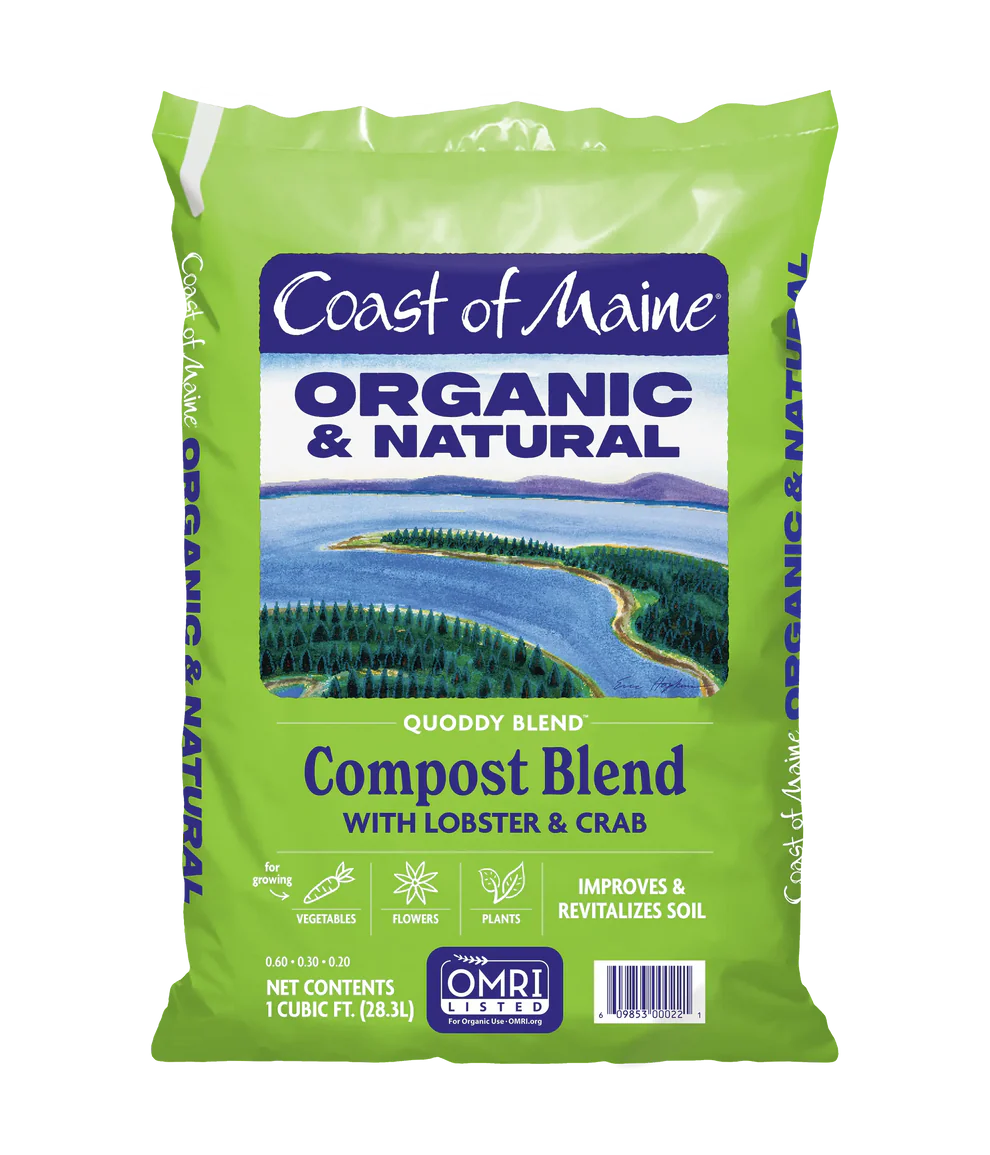
Coast of Maine’s Organic & Natural Quoddy Blend is a premium seafood compost made from lobster and crab shell meal, composted manure, and peat moss to enrich garden soil. It improves soil structure by supporting better drainage, aeration, and water retention for healthier root development. OMRI listed for organic use, it’s a versatile choice for gardens, beds, borders, trees, shrubs, and foliage.
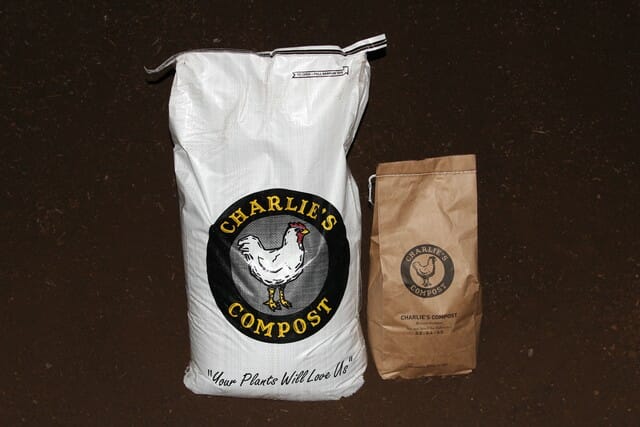
Charlie's Compost is an odor-free organic compost that enriches soil with nutrients and improves soil structure for healthier plant growth. It’s ideal for home gardens, raised beds, containers, and seed starting mixes, and it works as a compost tea ready amendment. The formula supports continuous nutrient release and offers low-odor composting for small-space and indoor-friendly use.