
Why Are My Plant Leaves Turning Yellow? A Diagnosis Guide
Yellow leaves are the most common symptom home gardeners report, and they have a long list of potential causes. The most useful diagnostic approach is to look at the pattern of yellowing: which leaves are affected (old or new), how the yellowing appears (uniform or patterned), and what the growing conditions are. These three factors together usually identify the cause clearly.
Normal Seasonal Yellowing
Before diagnosing a problem, confirm that the yellowing is actually abnormal. Deciduous plants naturally yellow and drop their leaves in autumn. Perennials die back to the ground in late season, and the foliage yellows as part of this process. Many evergreen plants drop their oldest (innermost) leaves in spring as new growth pushes out from the tips. All of these are normal processes that do not require intervention.
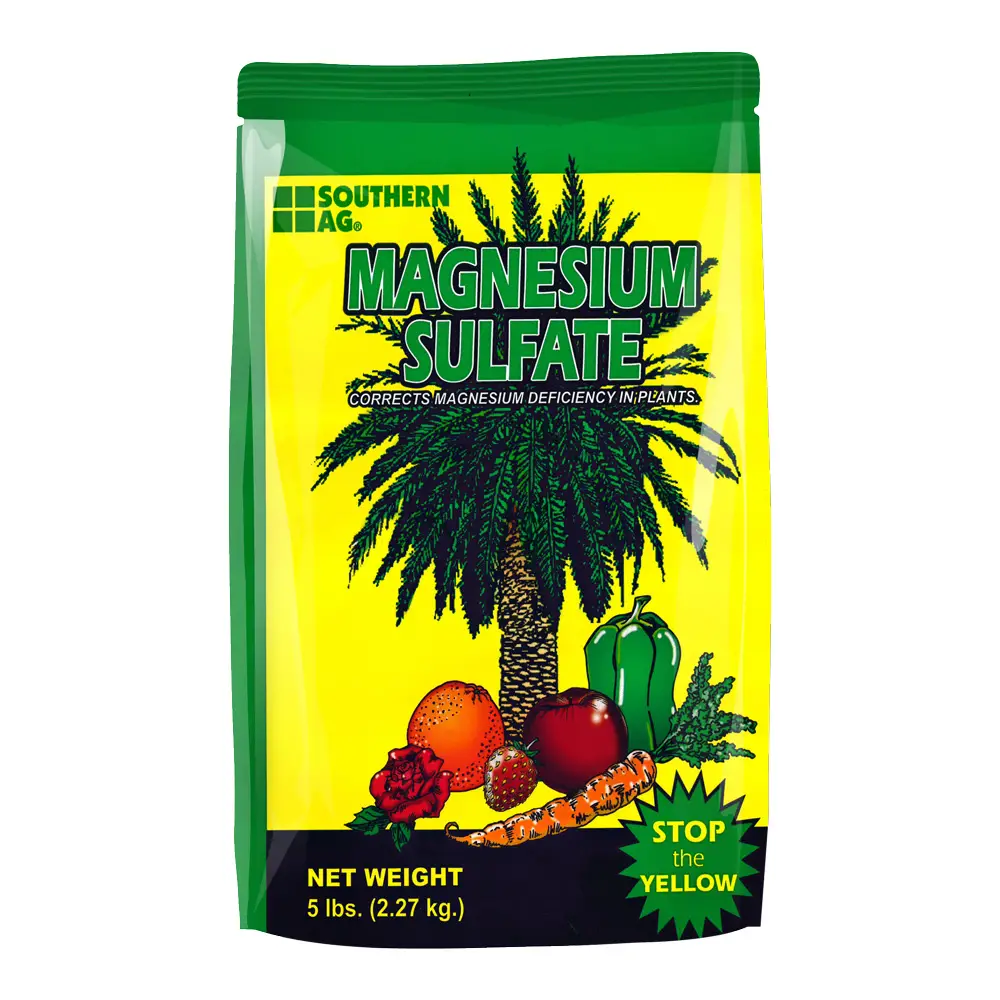
Root 98 Warehouse Southern Ag Magnesium Sulfate is a dry, water-soluble fertilizer for correcting magnesium deficiency in shrubs and trees. It helps acidify soils with less risk of staining and is designed for use on citrus, palms, trees, shrubs, annuals, and turf. Apply by spreading over the treatment area and watering in; do not mix or spray.
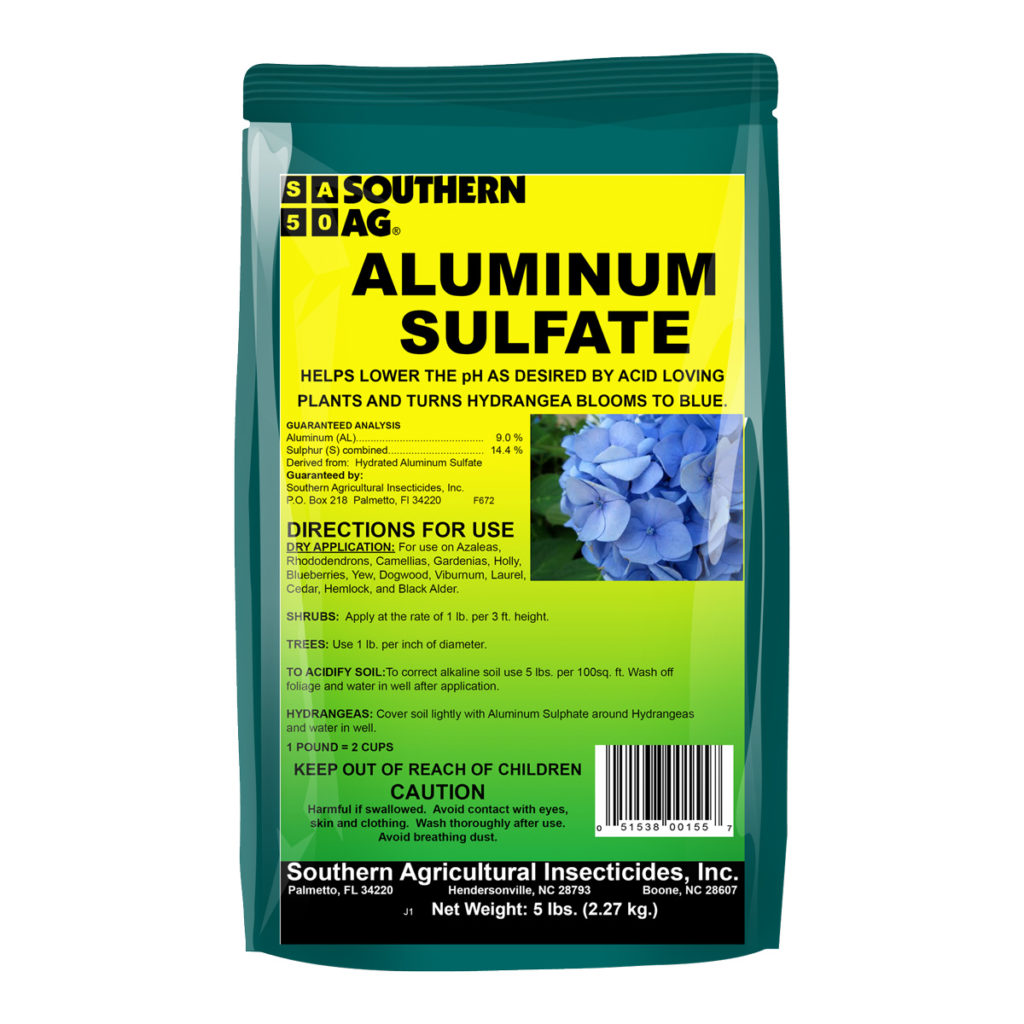
Southern Ag Aluminum Sulfate is a soil acidifier that helps lower pH and corrects high alkalinity, making it ideal for acid-loving plants. It’s great for hydrangeas and other shrubs and trees that prefer acidic conditions, including rhododendrons, blueberries, azaleas, and more. Broadcast evenly and wash off foliage, then water after application.
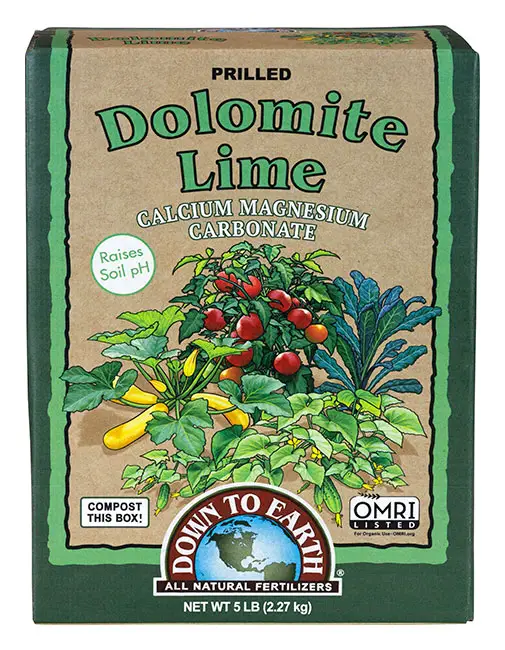
Down To Earth Organic Prilled Dolomite Lime helps raise acidic soil pH for better nutrient uptake and healthier vegetable gardens. Its rich calcium and magnesium support strong cell walls, root growth, and overall plant performance. OMRI listed for organic use, the prilled granules spread easily and act quickly while improving soil structure and microbial activity.
Overwatering and Root Rot
Yellowing of lower leaves, particularly when the soil feels consistently wet, is the most common symptom of overwatering or poor drainage leading to root rot. The roots in saturated soil cannot absorb oxygen, they begin to die, and the plant shows nutrient deficiency symptoms (yellowing) because it can no longer take up nutrients even when they are present in the soil.
Fix: Improve drainage, reduce watering frequency, and for container plants, repot into fresh, well-draining mix after trimming rotted roots. The full root rot treatment process is in the root rot guide.
Iron Chlorosis (High pH)
Yellowing between the leaf veins while the veins themselves remain green, known as interveinal chlorosis, is the characteristic symptom of iron deficiency. In most garden soils with established plants, iron is present but unavailable because the soil pH is too high. At pH above 6.5, iron forms insoluble compounds that roots cannot absorb.
This pattern is particularly common in acid-loving plants including rhododendrons, azaleas, camellias, blueberries, and hydrangeas grown in neutral to alkaline soil.
Fix: Test soil pH and acidify if above 6.0 for ericaceous plants using the methods in the soil acidification guide. Apply chelated iron as a foliar spray for rapid improvement while longer-term pH correction takes effect.
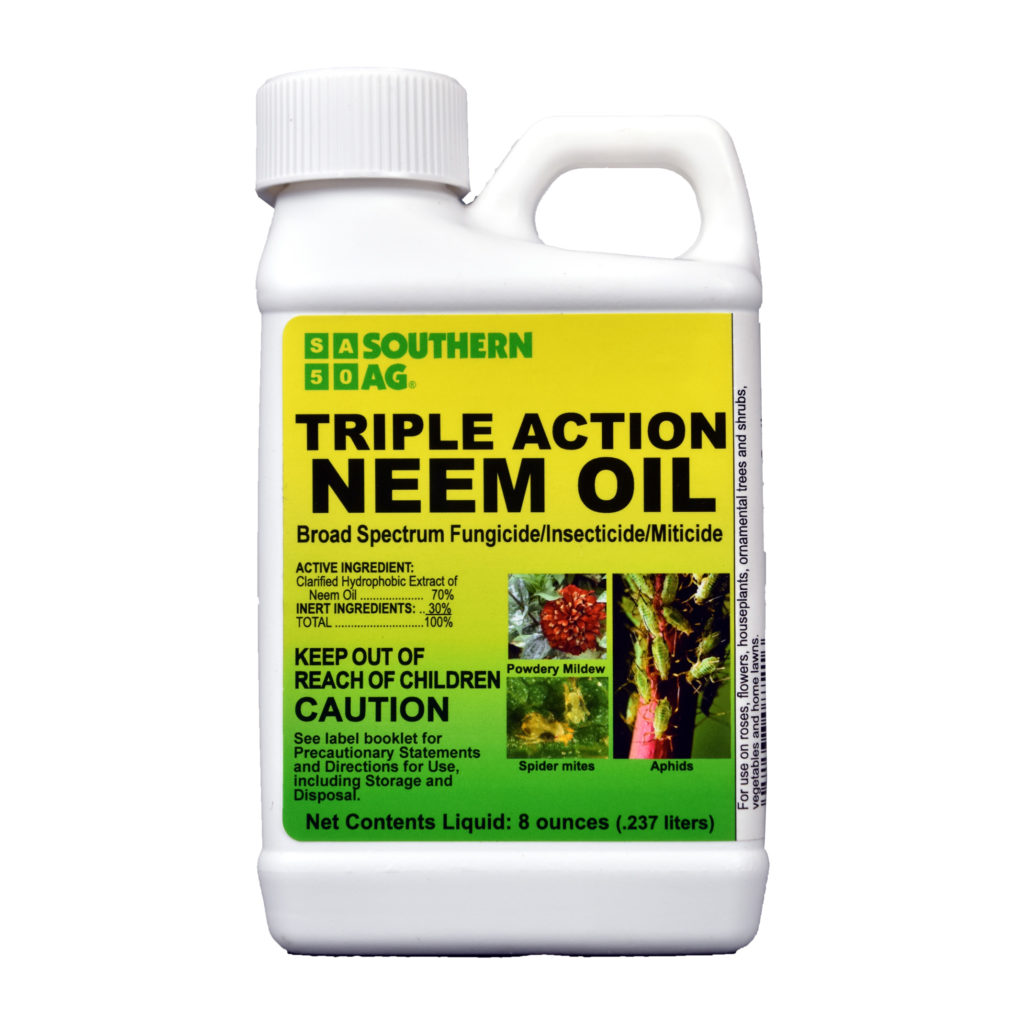
Southern Ag Triple Action Neem Oil Fungicide/Insecticide/Miticide delivers broad-spectrum control to help protect indoor and outdoor ornamental plants. Formulated with 70% clarified hydrophobic extract of neem oil, it targets common fungal diseases like powdery mildew and black spot as well as pests including aphids, spider mites, scale, and whiteflies. Thoroughly spray all plant surfaces for best results, mixing frequently during application.
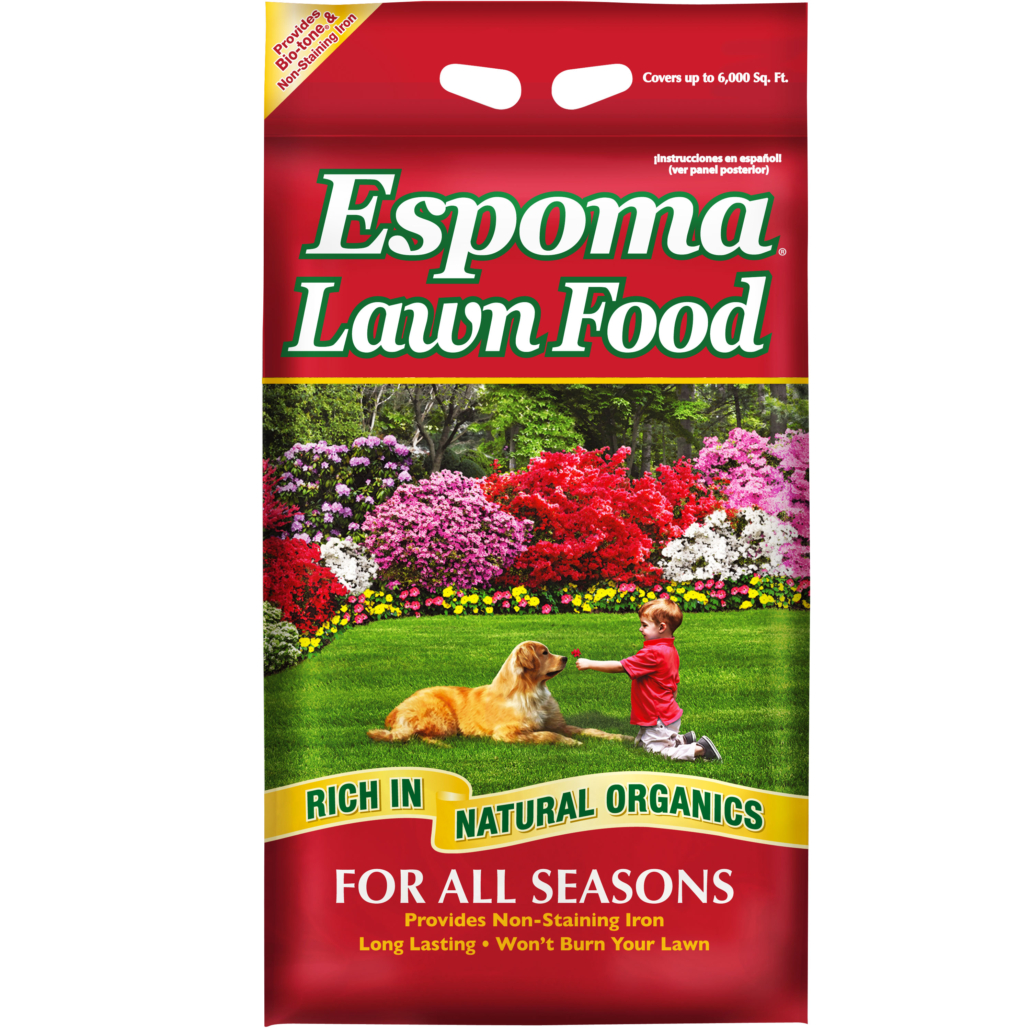
Espoma Lawn Food for All Seasons 15-0-5 provides slow-release, long-lasting nitrogen to help support a greener lawn year-round. Enhanced with iron for deep green color, it helps turn yellow lawns back to green and won’t stain concrete, sidewalks, or driveways. Safe for cool and warm season grasses, it applies in spring, summer, and fall with a drop or broadcast spreader.
Nitrogen Deficiency
Uniform yellowing of the oldest (lowest) leaves, progressing upward over time, indicates nitrogen deficiency. The plant remobilizes nitrogen from older leaves to support new growth, causing the systematic pattern of yellowing from the bottom up.
Fix: Apply a nitrogen-containing fertilizer. A balanced slow-release granular fertilizer in spring prevents nitrogen deficiency from developing in established plants.
Underwatering and Drought Stress
Drought stress causes yellowing and browning of leaf margins and tips before the rest of the leaf is affected. In acute drought, leaves wilt and yellow rapidly across the whole plant.
Fix: Water deeply and allow the plant to recover. Mulch around the root zone to retain moisture between waterings.
Pests
Some pest infestations produce yellowing as a primary symptom. Spider mite damage produces fine stippling across the leaf surface that creates a yellowed or bronzed appearance from a distance. Leaf miner insects create yellowed trails and patches within the leaf tissue. Check the undersides of affected leaves for insects, frass, or eggs before concluding that the problem is cultural rather than pest-related.