
How to Make Plants Grow Faster: Light, Nutrients, and Watering
Plant growth rate is determined by the most limiting factor in the plant’s environment. Adding more fertilizer to a plant that is limited by insufficient light does not make it grow faster. Increasing watering frequency on a plant limited by compacted roots does not help either. Identifying and addressing the actual limiting factor is the practical approach to improving growth rate.
The Limiting Factor Principle
In biology, Liebig’s Law of the Minimum states that plant growth is controlled not by the total amount of resources available but by the scarcest resource. Think of it as the stave in a barrel: the barrel can only hold water up to the height of the shortest stave, regardless of how tall the other staves are. Before adding more of any input, identify which resource is currently most limiting.
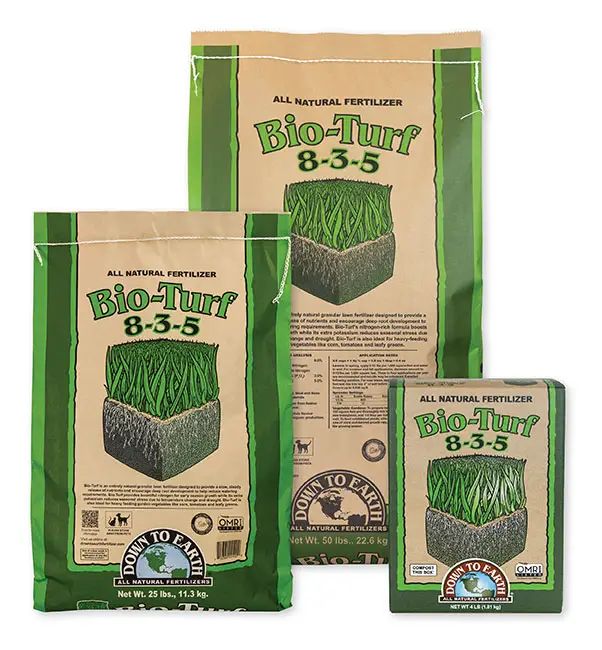
Down to Earth Bio-Turf is an all-natural 8-3-5 organic fertilizer, OMRI listed for use in organic production. It helps encourage deep root development to support greener, stronger growth while reducing watering needs and stress from heat or drought. Ideal for lawns, landscape ornamentals, and heavy-feeding garden vegetables and flowerbeds.
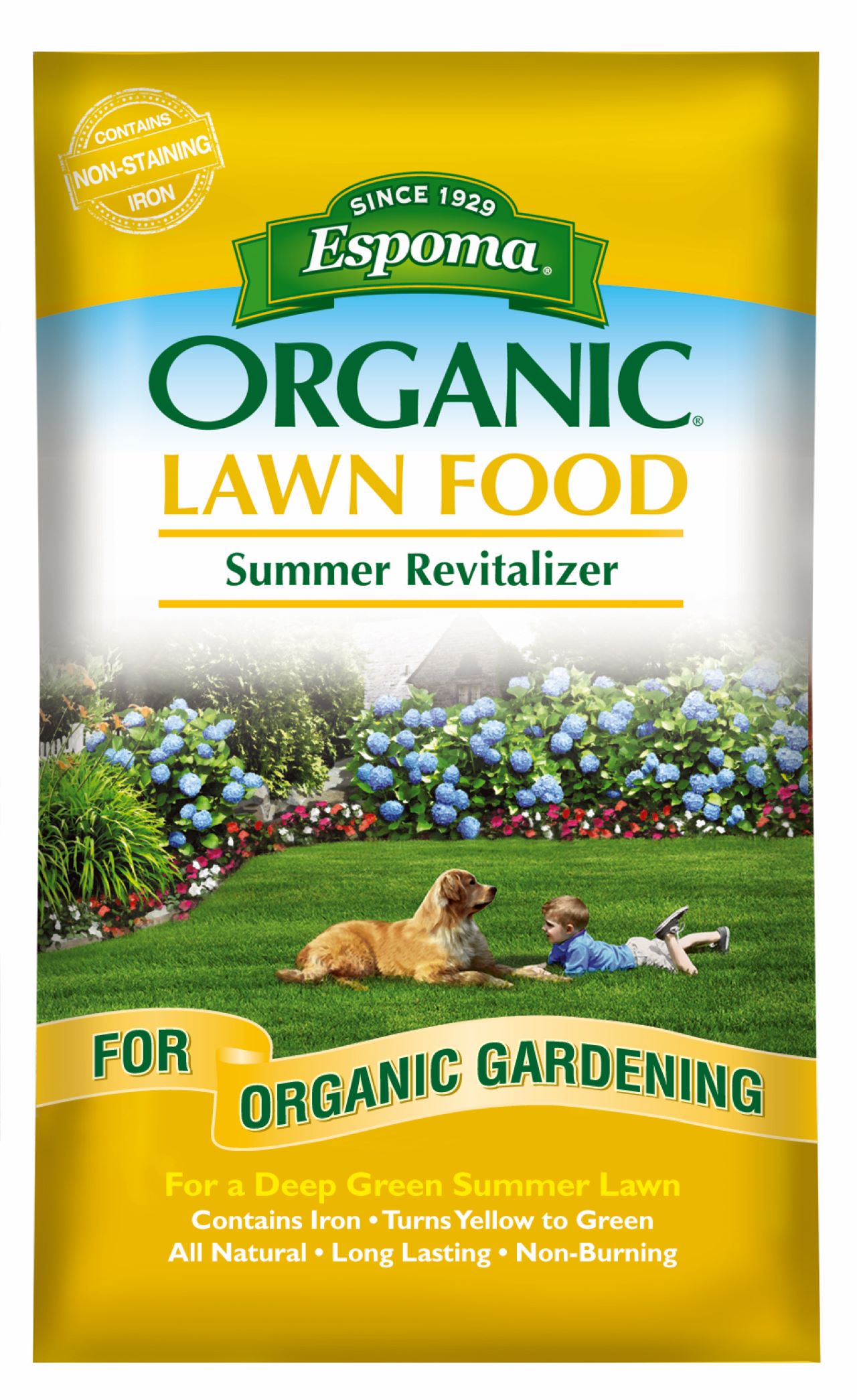
Espoma Organic Lawn Food Summer Revitalizer 8-0-0 delivers long-lasting organic nitrogen to help invigorate lawns during hot weather while adding iron for deep, greener color. Designed for all lawn types and cool- or warm-season grasses, it helps turn yellow lawns back to green without burning or leaching out of soil. Environmentally safe with no sludges or toxic ingredients, it won’t stain concrete, sidewalks, or driveways and is approved as a registered organic input material.
Espoma Organic Lawn Soil is an all-natural organic soil mix designed to promote seed germination and help new sod establish. It contains earthworm castings, alfalfa meal, kelp meal, and feather meal, enhanced with Espoma MYCO-TONE, a blend of endo and ecto mycorrhizae fungi. Use it anytime you sow new grass seed or install sod for organic gardening results with no synthetic plant foods or chemicals.
Light
Light is the most commonly limiting factor for plants growing in domestic environments and the most frequently overlooked. Photosynthesis is the plant’s energy-generating process, and it is directly proportional to light intensity and duration. A plant in too little light grows slowly regardless of how well it is watered and fertilized.
Signs of light limitation: slow, weak growth; long internodes (large gaps between leaves on the stem); pale, yellow-green leaves; plants leaning toward the nearest window or light source.
Fix for outdoor plants: move to a sunnier position, or trim overhanging branches that shade the plant. Fix for indoor plants: move closer to a window, switch to a south-facing position, or add a grow light.
Nutrients
A well-fertilized plant in sufficient light grows noticeably faster than the same plant in the same light but without fertilizer. Nitrogen is the nutrient most directly correlated with vegetative growth rate. However, over-applying nitrogen produces the kind of fast, soft, leggy growth that is structurally weak and more susceptible to disease rather than the healthy, balanced growth that makes a plant genuinely more productive.
Apply a balanced fertilizer in spring and early summer following the guidance in the how to fertilize garden plants guide. For fast-growing crops and container plants that leach nutrients quickly, supplementing with liquid feed every two to three weeks during the active growing season maintains steady growth momentum.
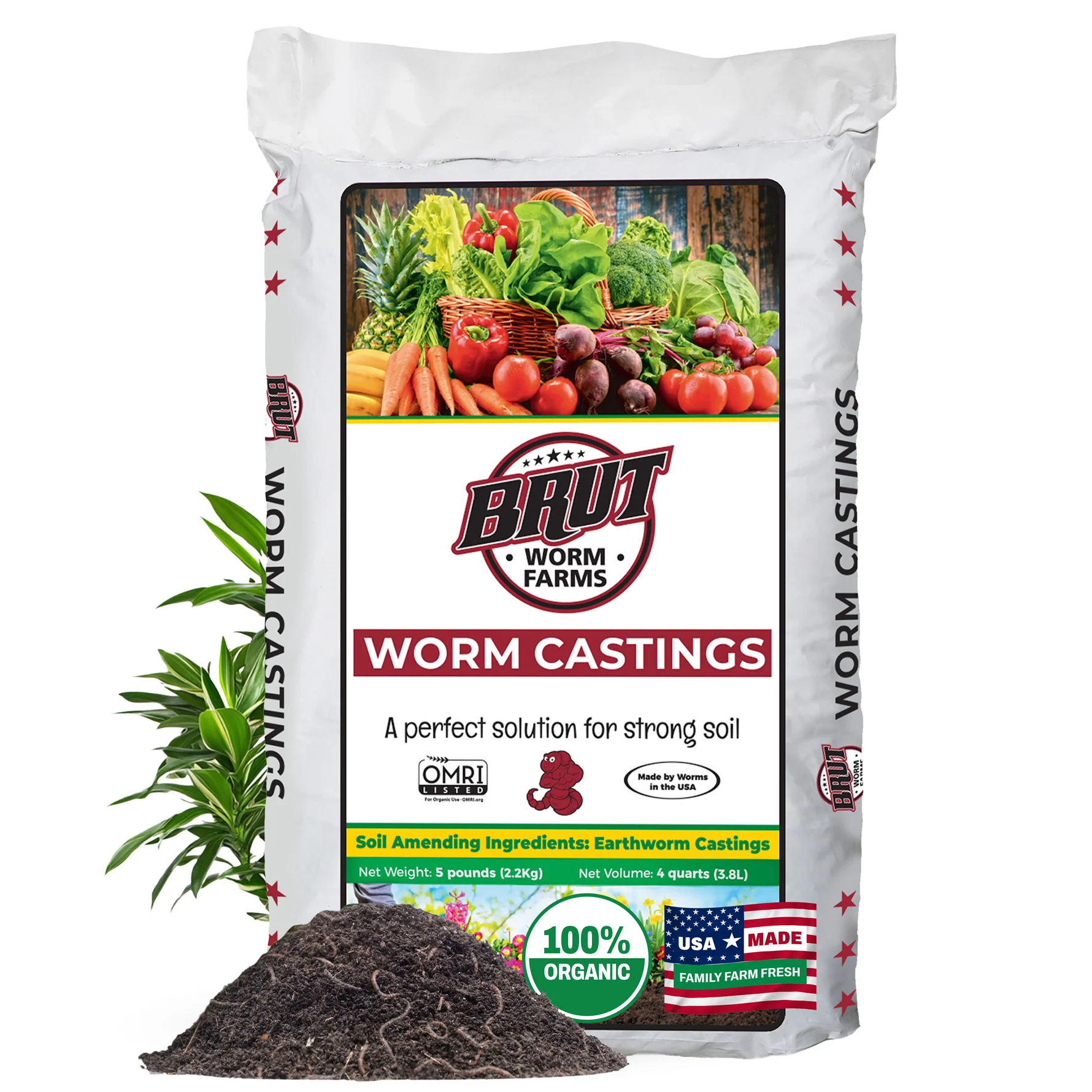
Brut organic worm castings provide mineral-rich, certified organic nutrition to supercharge indoor and outdoor plants. Raised indoors in containers for purity, these castings support lush greenery, vibrant blooms, and bountiful harvests. OMRI and CDFA listed formula helps deliver nature’s nutrients directly to plant roots for healthy growth from root to leaf.
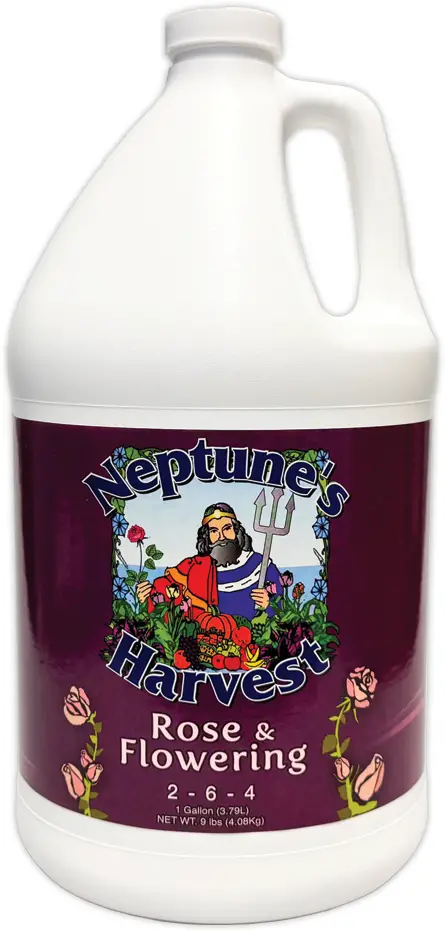
Neptune’s Harvest Rose & Flowering Fertilizer (2-6-4) is an organic liquid rose food that supports strong roots and helps produce vibrant, fuller blooms. It boosts bud density and flower volume while promoting healthy foliage for indoor and outdoor plants. Formulated with natural ingredients, it can be applied to soil or used as a foliar feed to improve flowering performance.
Soil Health and Root Space
Compacted soil reduces root extension and therefore limits the plant’s access to water and nutrients. Roots in compacted soil cannot penetrate to greater depth or spread to new areas, and the plant’s growth rate is limited by the restricted root zone even if surface fertilizer and water appear adequate.
For container plants, root-bound conditions (roots circling the base of the pot with no room to expand) have the same limiting effect. Repotting into a slightly larger container with fresh potting mix in spring removes this limitation and typically produces a visible increase in growth rate within a few weeks.