
Herb Growing Guide: Culinary and Edible Plants for Home Gardens
Growing culinary herbs at home is one of the most immediately rewarding forms of gardening. Herbs require less space than vegetables, produce usable harvests within weeks of planting, and are among the most forgiving plants for beginners learning how growing conditions affect plant health. A windowsill pot of basil, a container of mint on the patio, or a small dedicated herb bed near the kitchen door transforms cooking with fresh aromatics that no supermarket product matches.
Annuals, Perennials, and Woody Herbs
Understanding which herbs are annual, perennial, or woody perennials determines how you plan and maintain your herb garden. Annual herbs including basil, cilantro, and dill complete their life cycle in one season: they germinate, grow, flower, set seed, and die within a single year. They need replanting each season but grow fast and produce abundantly in the time they have.
Herbaceous perennial herbs including mint, chives, and tarragon die back to the ground each winter in cold climates but regenerate from the root system each spring. They establish over the first season and become progressively more productive in subsequent years, requiring only occasional division to prevent overcrowding.
Woody perennial herbs including rosemary, thyme, sage, and lavender develop permanent woody stems and retain some foliage through winter in mild climates. They are long-lived, drought-tolerant once established, and require little feeding but benefit from an annual trim after flowering to maintain compact, productive growth.
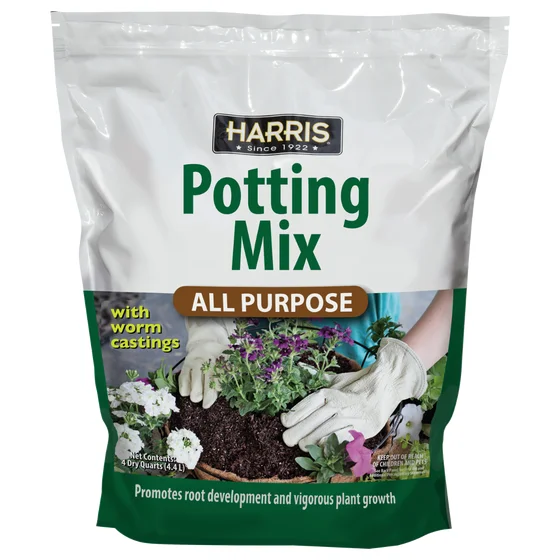
Harris All Purpose Potting Soil Mix is formulated with a blend of worm castings and premium ingredients to support healthy growth in containers. Ideal for container gardening, flower boxes, and hanging baskets, it works for both indoor and outdoor use. Use it as an amendment for garden soil or to build up raised beds for everyday gardening needs.
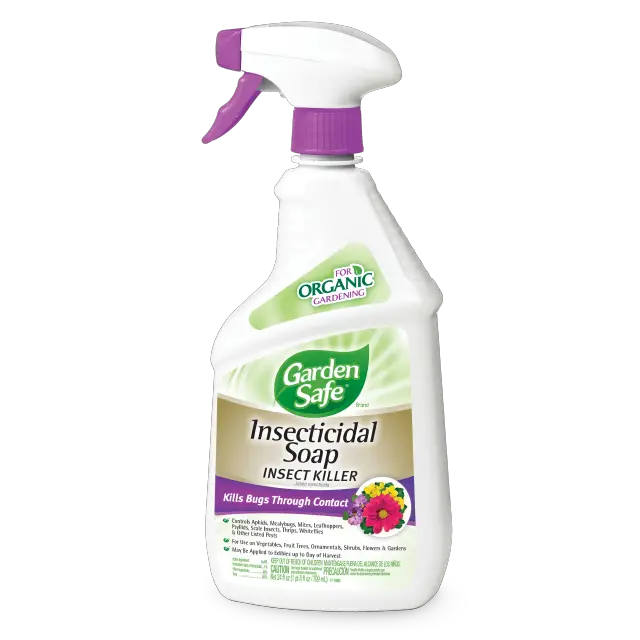
Garden Safe insecticidal soap is a ready-to-use contact spray that kills listed garden pests when sprayed directly on them. It’s formulated for organic gardening and can be used on vegetables, fruit trees, ornamentals, shrubs, flowers, and in indoor, outdoor, and greenhouse applications. For convenience, it may be applied to edibles up to and including the day of harvest.
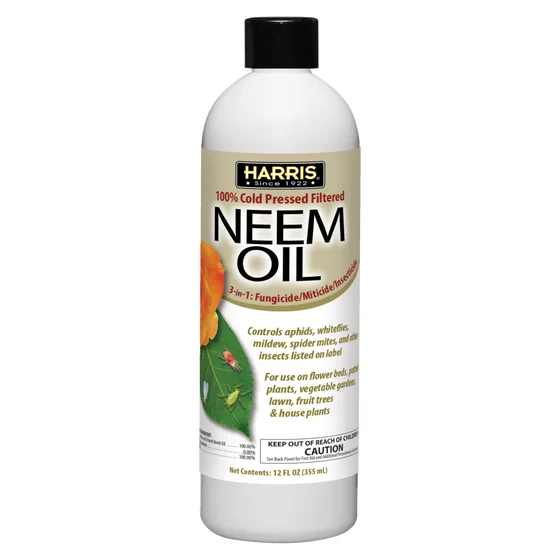
HARRIS Neem Oil Cold Pressed Water Soluble Concentrate is a 3-in-1 insecticide, fungicide, and miticide made from 100% cold pressed neem oil. It is EPA registered to help control aphids, whiteflies, mildew, spider mites, and other label-listed pests and diseases. Safe for indoor and outdoor use, it can be applied to a wide range of flowering and potted plants, vegetable gardens, lawns, ornamentals, fruit trees, and container gardening with foliar or soil treatments.
Container and Indoor Herb Growing
Herbs are among the most container-friendly plants available, and many of the most useful culinary herbs grow well indoors near a south or west-facing window. Container growing allows year-round production regardless of outdoor season and keeps invasive spreaders like mint under physical control. The full guide to growing herbs indoors, including the light minimums, pot sizes, and best varieties for windowsill culture, is in the growing herbs indoors guide.
For soil selection in containers, the best potting soil for herbs guide covers the drainage and pH requirements for common culinary herbs and recommends specific mix types.
Harvesting Correctly
Regular harvesting is not just the point of growing herbs: it actively improves plant health and production. Frequent cutting of leafy herbs stimulates bushier growth and delays flowering (bolting), which in basil and cilantro causes the plant to redirect energy from leaf production to seed production, reducing the culinary value of the foliage. The correct harvesting technique for each herb type is covered in the species guides below.
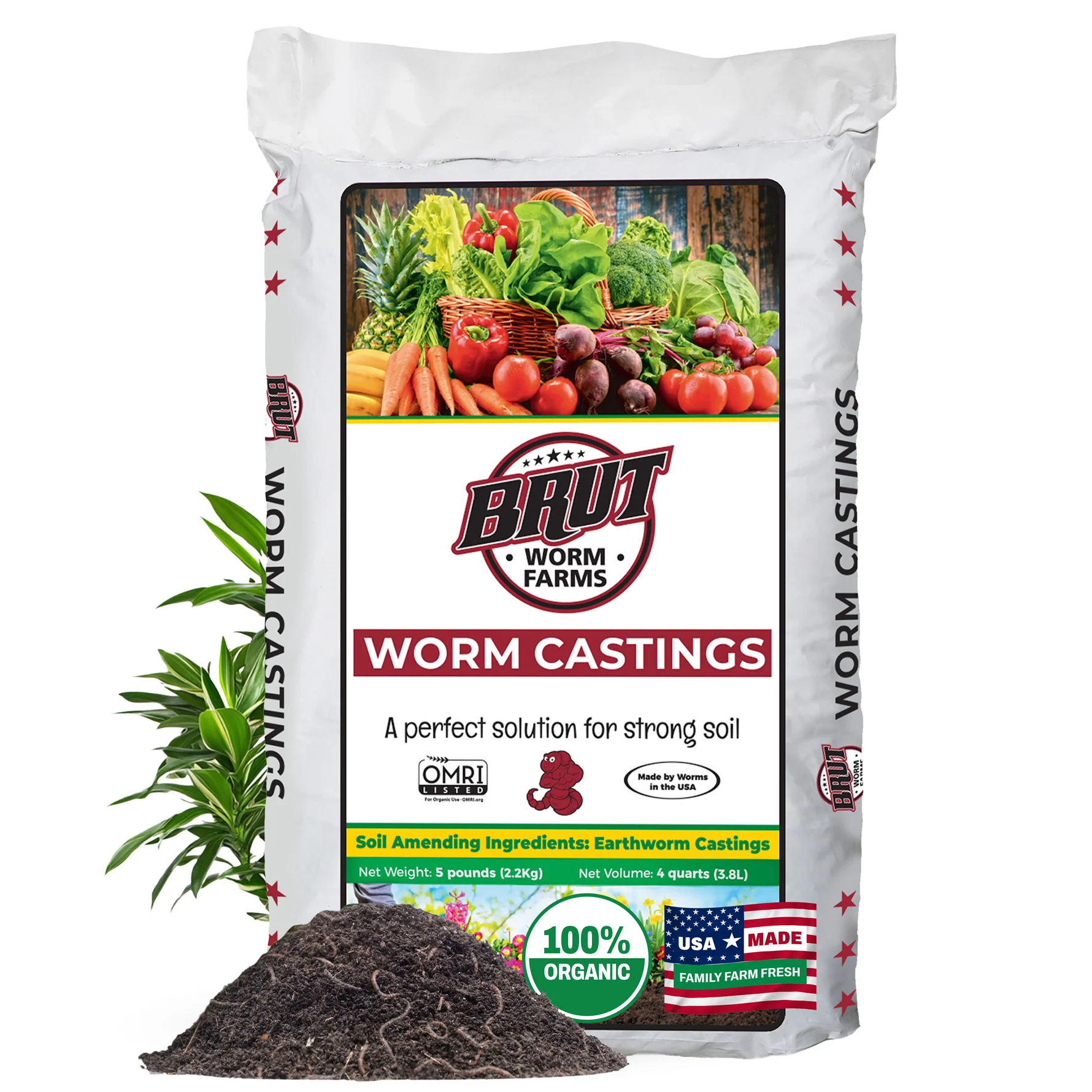
Brut organic worm castings provide mineral-rich, certified organic nutrition to supercharge indoor and outdoor plants. Raised indoors in containers for purity, these castings support lush greenery, vibrant blooms, and bountiful harvests. OMRI and CDFA listed formula helps deliver nature’s nutrients directly to plant roots for healthy growth from root to leaf.
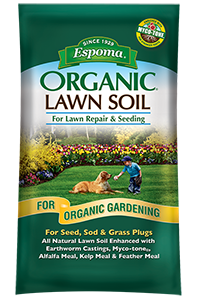
Espoma Organic Lawn Soil is an all-natural organic soil mix designed to promote seed germination and help new sod establish. It contains earthworm castings, alfalfa meal, kelp meal, and feather meal, enhanced with Espoma MYCO-TONE, a blend of endo and ecto mycorrhizae fungi. Use it anytime you sow new grass seed or install sod for organic gardening results with no synthetic plant foods or chemicals.