
How to Grow Lavender: Soil, Pruning, and Harvest
Lavender (Lavandula spp.) is reliably productive and long-lived in the right conditions, but declines quickly in heavy, wet, or acidic soil and becomes woody and unproductive when not pruned correctly each year.
Species and Variety Selection
English lavender (Lavandula angustifolia) is the hardiest species, tolerating temperatures down to USDA zone 5 or even zone 4 in well-drained soil. It produces classic lavender fragrance and is the species used for culinary and essential oil production. Popular varieties include Hidcote, Munstead, and Vera.
French lavender (Lavandula stoechas) has distinctive pineapple-shaped flower heads with petal-like bracts. Less cold-hardy, performing reliably in zones 7 through 9, but flowers earlier and for a longer season.
Lavandins (Lavandula x intermedia) are sterile hybrids, larger-growing, strongly fragrant, and among the most drought-tolerant lavenders. Varieties including Grosso and Phenomenal are widely used as path edging and in cottage gardens.
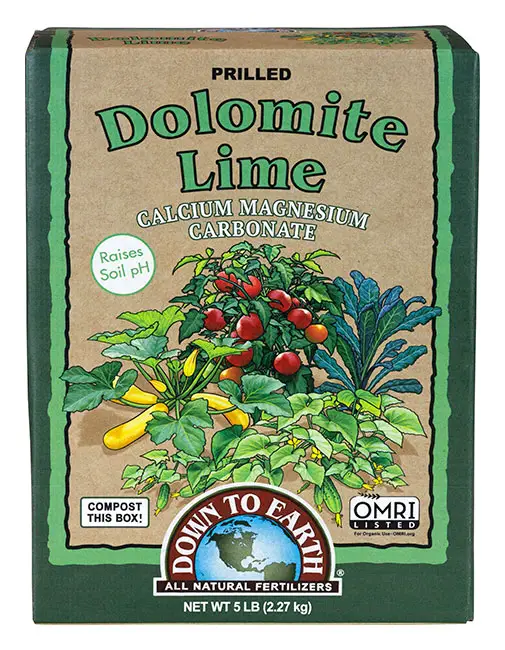
Down To Earth Organic Prilled Dolomite Lime helps raise acidic soil pH for better nutrient uptake and healthier vegetable gardens. Its rich calcium and magnesium support strong cell walls, root growth, and overall plant performance. OMRI listed for organic use, the prilled granules spread easily and act quickly while improving soil structure and microbial activity.
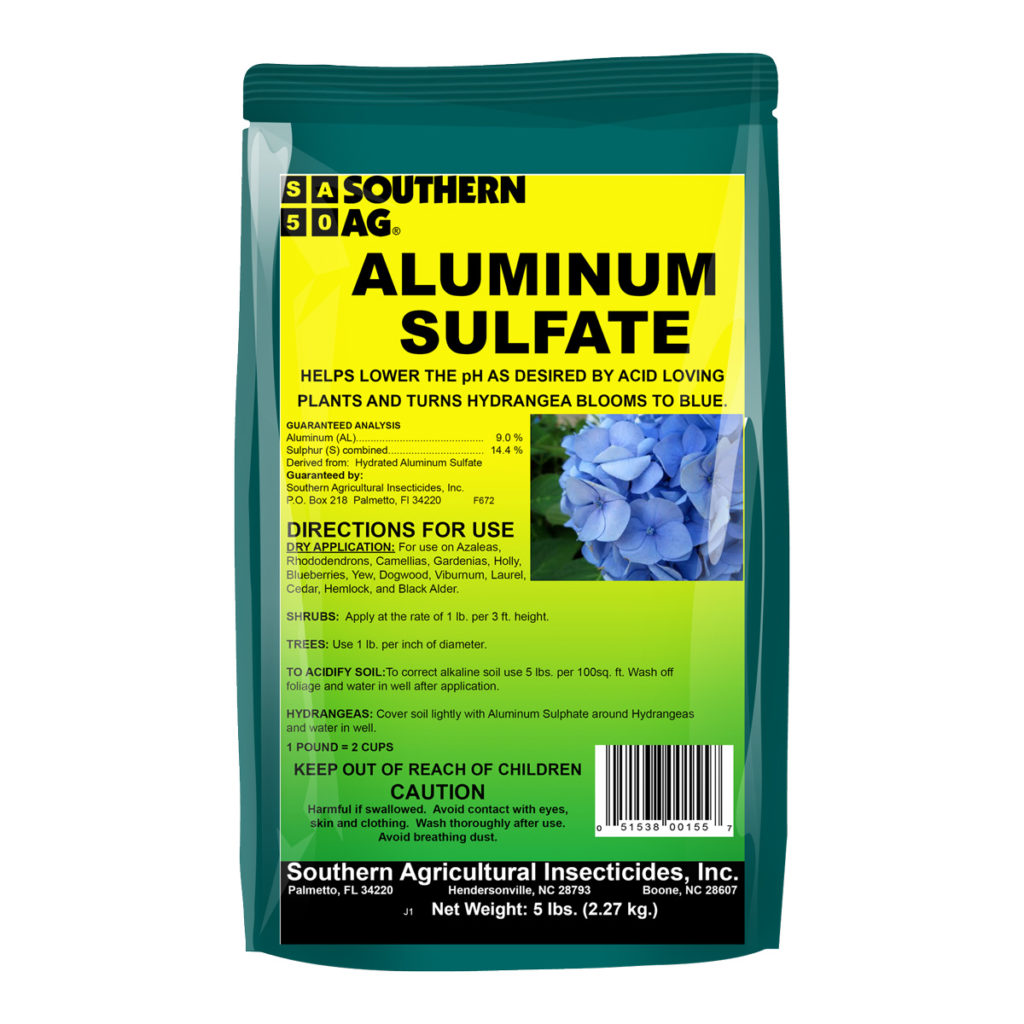
Southern Ag Aluminum Sulfate is a soil acidifier that helps lower pH and corrects high alkalinity, making it ideal for acid-loving plants. It’s great for hydrangeas and other shrubs and trees that prefer acidic conditions, including rhododendrons, blueberries, azaleas, and more. Broadcast evenly and wash off foliage, then water after application.
Espoma Organic Lawn Soil is an all-natural organic soil mix designed to promote seed germination and help new sod establish. It contains earthworm castings, alfalfa meal, kelp meal, and feather meal, enhanced with Espoma MYCO-TONE, a blend of endo and ecto mycorrhizae fungi. Use it anytime you sow new grass seed or install sod for organic gardening results with no synthetic plant foods or chemicals.
Soil and Planting
Lavender demands sharp drainage above all other requirements. In clay or poorly draining soil, it develops root rot and dies within one to two wet winters. Improve heavy soil with coarse grit or plant in a raised bed. Sandy and chalky soils are ideal. Lavender prefers a soil pH of 6.5 to 7.5: it does not tolerate the acidic conditions suited to rhododendrons. On acidic sites, incorporate lime before planting. Plant in full sun with good air circulation. Lavender planted in a humid, sheltered position with limited air movement is more prone to root rot and botrytis.
Annual Pruning
Pruning immediately after flowering maintains compact, productive growth. Cut back to approximately 5 centimeters above the lowest green foliage, removing all spent flower stems and the soft growth of the current season. The key rule, the same as for rosemary, is to never cut into the brown, leafless woody base. Lavender does not regenerate from cuts into old wood.
Lavender’s role as a structural cottage garden edging plant is discussed in the cottage garden ideas guide.
Harvesting Lavender
For culinary use and dried bunches, harvest when the buds are showing color but before more than one-third of the florets have opened. Cut stems as long as possible, which also serves as the annual post-flowering prune. Dry cut bundles using the methods in the how to dry herbs guide.