
How to Grow Herbs Indoors: Light, Pots, and Best Varieties
Indoor herb growing makes fresh culinary herbs available year-round regardless of outdoor season. The principles are simple but the details of light quantity, drainage, and watering rhythm determine whether an indoor herb garden thrives or declines into leggy, unhealthy plants.
Light Requirements
Light is the most limiting factor for indoor herb growing. Most culinary herbs need the equivalent of a minimum of 4 to 6 hours of bright natural light daily. A south or southwest-facing windowsill provides the best natural light in the northern hemisphere. East-facing windows provide adequate morning light for some herbs but typically not enough for sun-demanding Mediterranean herbs like rosemary, thyme, and basil.
If natural light is insufficient, full-spectrum LED grow lights positioned 15 to 30 centimeters above the plants for 12 to 14 hours per day compensate effectively for low natural light. Signs of insufficient light: leggy, stretched stems, pale or yellow-green leaves, slow growth, and weak flavor.
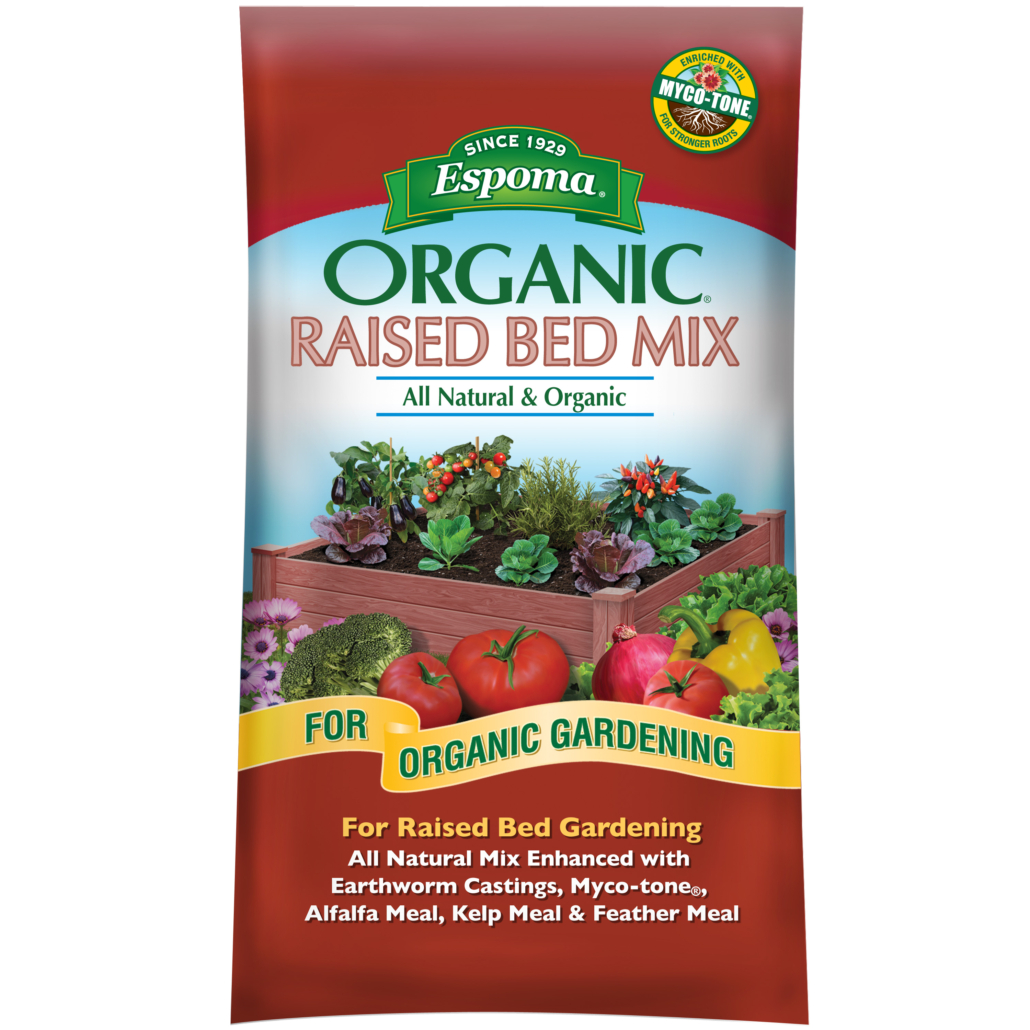
Espoma Organic Raised Bed Mix is an all-natural potting soil blend designed for raised garden beds and outdoor containers. It’s enriched with earthworm castings and organic meals for strong, healthy plant growth, plus MYCO-TONE with endo and ecto mycorrhizae. This ready-to-use mix contains no synthetic plant foods or chemicals, making it ideal for organic gardening.
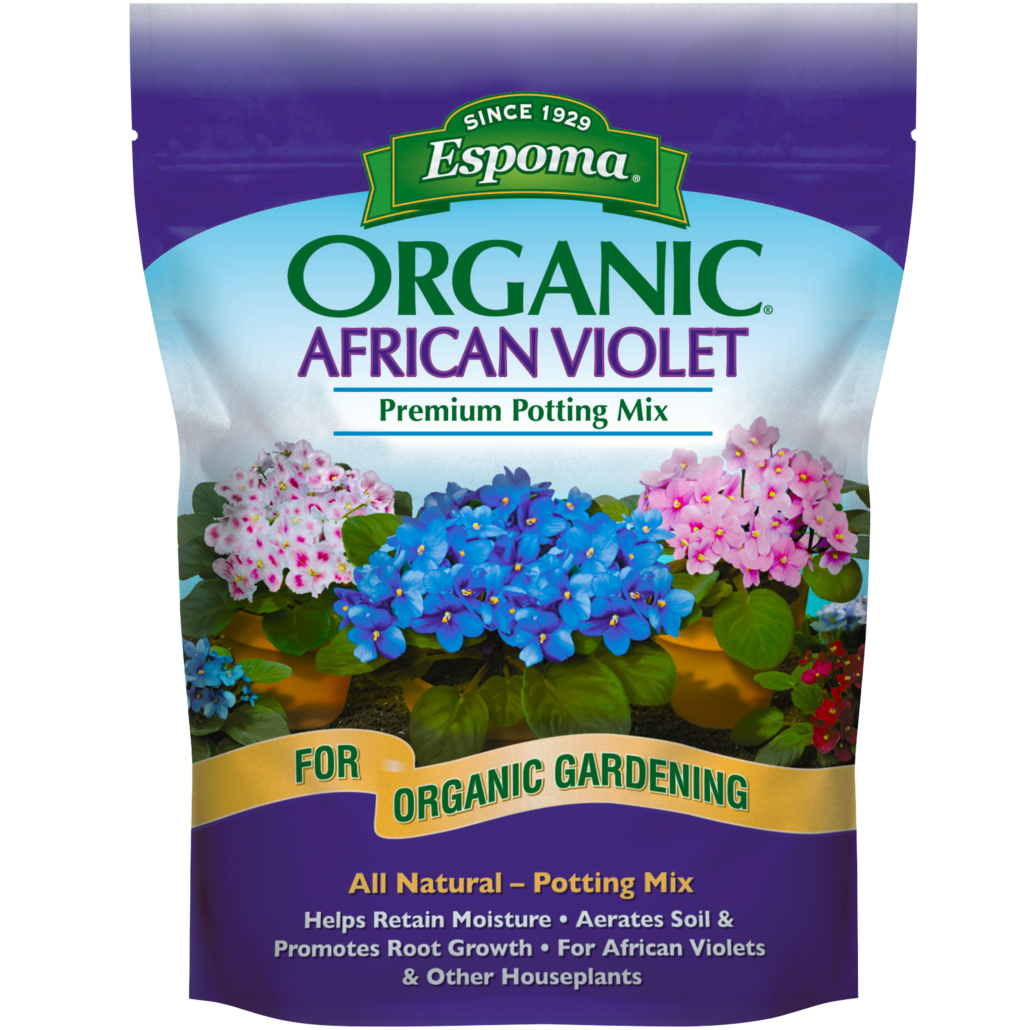
This Espoma organic potting soil mix is designed for African violets and indoor flowering houseplants, helping support healthy growth and flowering. It contains a rich blend of sphagnum peat moss, humus, perlite, and yucca extract, with no synthetic plant foods or chemicals. Use it anytime you’re planting, starting new violets, or transplanting into a larger container.
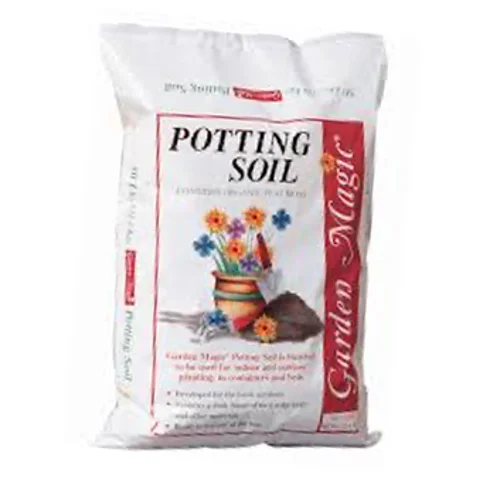
Grow healthy plants with this general-purpose potting soil featuring a blended formula for indoor and outdoor use. Its moisture-retaining design helps sustain active growth during moderate dry spells. The dark blend of reed sedge peat, organic peat moss, and other materials supports strong rooting for a reliable, ready-to-use planting mix.
Container and Soil Choices
Individual pots for each herb work better than combined planters because different herbs have different watering needs. Basil prefers consistently moist soil, while rosemary and thyme prefer to dry out significantly between waterings. In a shared planter, finding one watering rhythm that suits all species is difficult.
Use containers with drainage holes. A pot without drainage creates waterlogged soil within weeks of regular watering, which kills most herbs through root rot. A free-draining potting mix suits all culinary herbs better than a moisture-retentive mix. The best potting soil for herbs guide covers the soil requirements by herb type.
Best Varieties for Indoor Growing
Basil produces well near a bright window. Compact varieties including Spicy Globe are better suited to containers than large-leafed Genovese basil. Full guidance is in the how to grow basil guide.
Chives grow well indoors in moderate light and tolerate lower-light situations better than most herbs.
Parsley is a biennial that grows well indoors in its first year with consistent moisture and harvesting of outer stems.
Mint grows vigorously indoors with slightly more moisture than Mediterranean herbs. Its spreading root habit is contained by the pot. Full guidance is in the how to harvest and store mint guide.
Thyme and rosemary require maximum available light and are better suited to a grow-light setup during winter in most climates. Individual growing guides are available for rosemary and lavender.
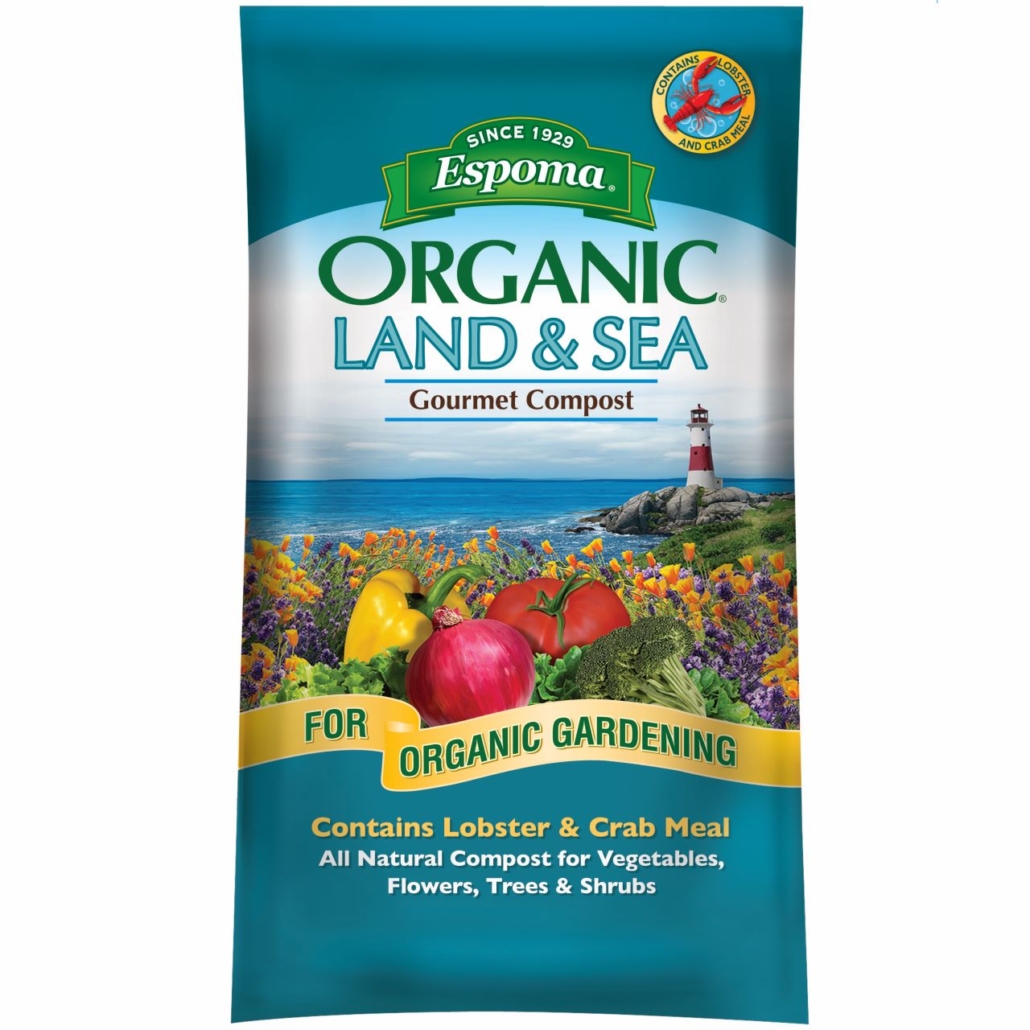
Espoma Organic Land and Sea Gourmet Compost is a rich organic planting mix designed to improve native soil and revitalize container gardens. Enriched with both lobster and crab meal, it supports healthy growth for vegetables, flowers, trees, and shrubs. The blend also includes myco-tone endo and ecto mycorrhizae and contains no synthetic plant foods or chemicals.
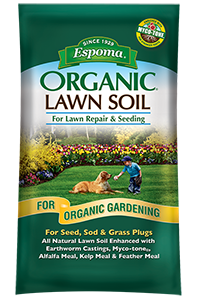
Espoma Organic Lawn Soil is an all-natural organic soil mix designed to promote seed germination and help new sod establish. It contains earthworm castings, alfalfa meal, kelp meal, and feather meal, enhanced with Espoma MYCO-TONE, a blend of endo and ecto mycorrhizae fungi. Use it anytime you sow new grass seed or install sod for organic gardening results with no synthetic plant foods or chemicals.