
How to Grow Basil: Planting, Pinching, and Harvest
Basil (Ocimum basilicum) is a warm-season annual herb that requires more heat than most other common culinary herbs. Get the temperature and light right, pinch it correctly, and basil is one of the most productive herbs for a home garden or windowsill.
Temperature and Planting Time
Basil does not tolerate cold. It is damaged at temperatures below 10 degrees Celsius and killed by frost. Do not transplant outdoors until nighttime temperatures are reliably above 15 degrees Celsius and all frost risk has passed. In most of the northern United States, this means planting in late May to early June.
For a head start, sow seeds indoors 4 to 6 weeks before the last frost date. Basil seeds germinate best at soil temperatures above 21 degrees Celsius, so a heat mat under the seed tray significantly improves germination rate in cooler indoor environments.
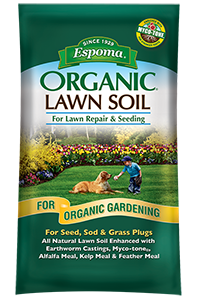
Espoma Organic Lawn Soil is an all-natural organic soil mix designed to promote seed germination and help new sod establish. It contains earthworm castings, alfalfa meal, kelp meal, and feather meal, enhanced with Espoma MYCO-TONE, a blend of endo and ecto mycorrhizae fungi. Use it anytime you sow new grass seed or install sod for organic gardening results with no synthetic plant foods or chemicals.
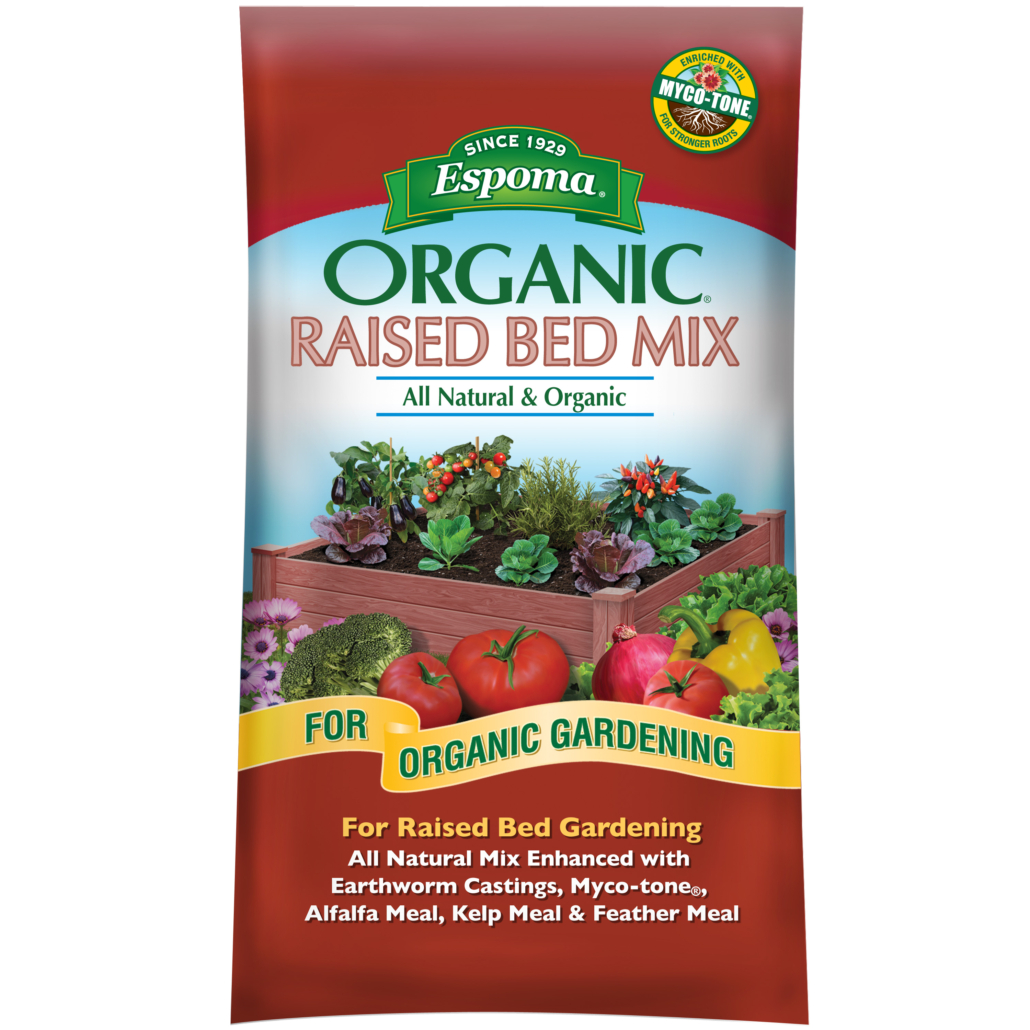
Espoma Organic Raised Bed Mix is an all-natural potting soil blend designed for raised garden beds and outdoor containers. It’s enriched with earthworm castings and organic meals for strong, healthy plant growth, plus MYCO-TONE with endo and ecto mycorrhizae. This ready-to-use mix contains no synthetic plant foods or chemicals, making it ideal for organic gardening.
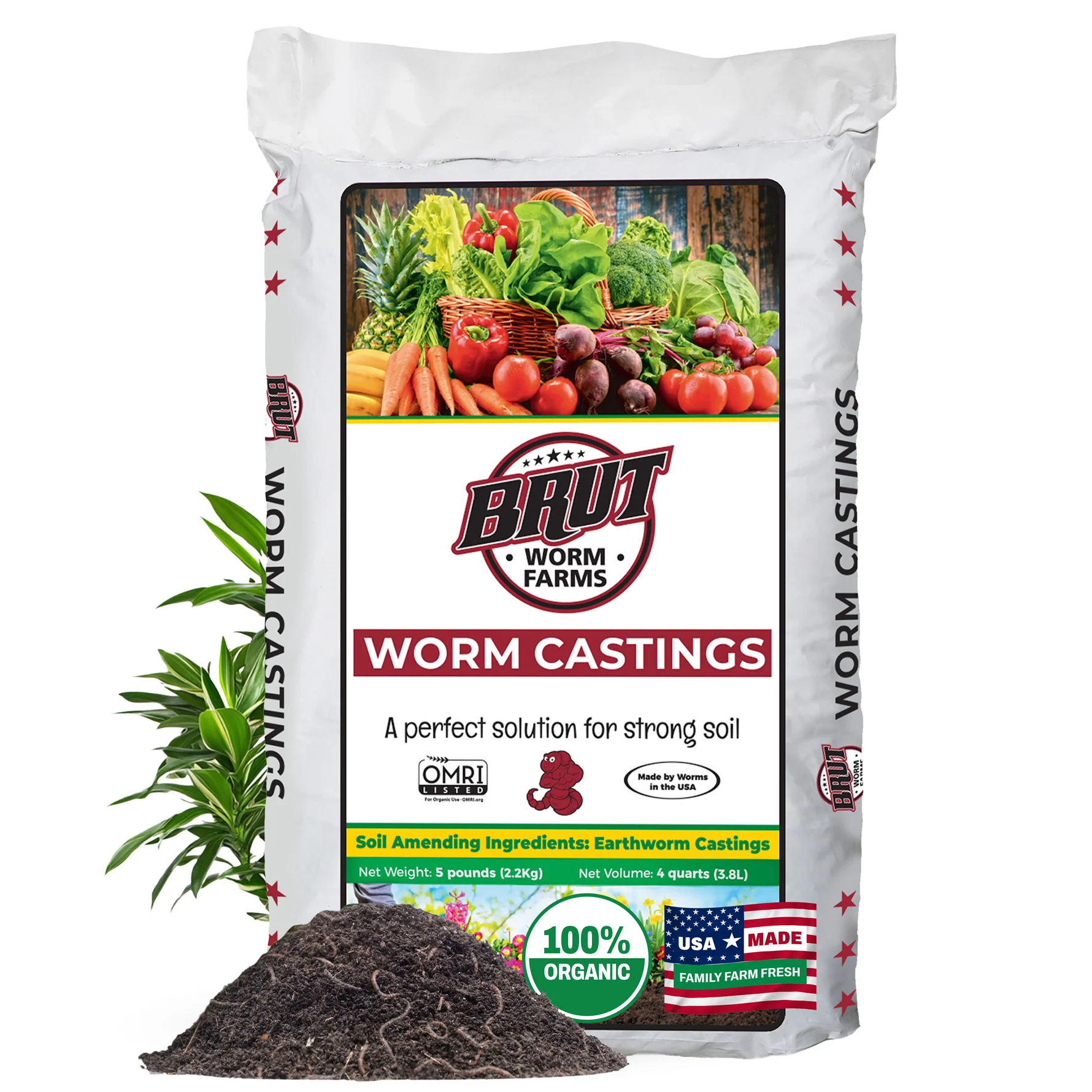
Brut organic worm castings provide mineral-rich, certified organic nutrition to supercharge indoor and outdoor plants. Raised indoors in containers for purity, these castings support lush greenery, vibrant blooms, and bountiful harvests. OMRI and CDFA listed formula helps deliver nature’s nutrients directly to plant roots for healthy growth from root to leaf.
Soil, Sun, and Planting
Basil grows best in fertile, well-draining soil with a pH of 6.0 to 7.0, and needs full sun of at least 6 hours per day to produce the essential oil content that delivers full flavor. Plants in partial shade grow but have less intense flavor. Space transplants 20 to 25 centimeters apart. Basil grows well as a companion to tomatoes, sharing their preference for warm, sunny conditions.
Pinching: The Key to Productive Basil
Pinching is the single most important management technique for basil. Left unpinched, basil quickly grows tall, flowers, sets seed, and declines in leaf quality. Pinch by removing the growing tip at the top of each stem, cutting just above the uppermost pair of leaves. Two new stems will grow from the nodes below the cut, doubling the number of productive stems. Repeat every two to three weeks through the growing season. Begin pinching once the plant has produced five to six pairs of leaves.
Remove any flower buds immediately when they appear. Once a basil plant begins flowering, leaf quality declines rapidly.
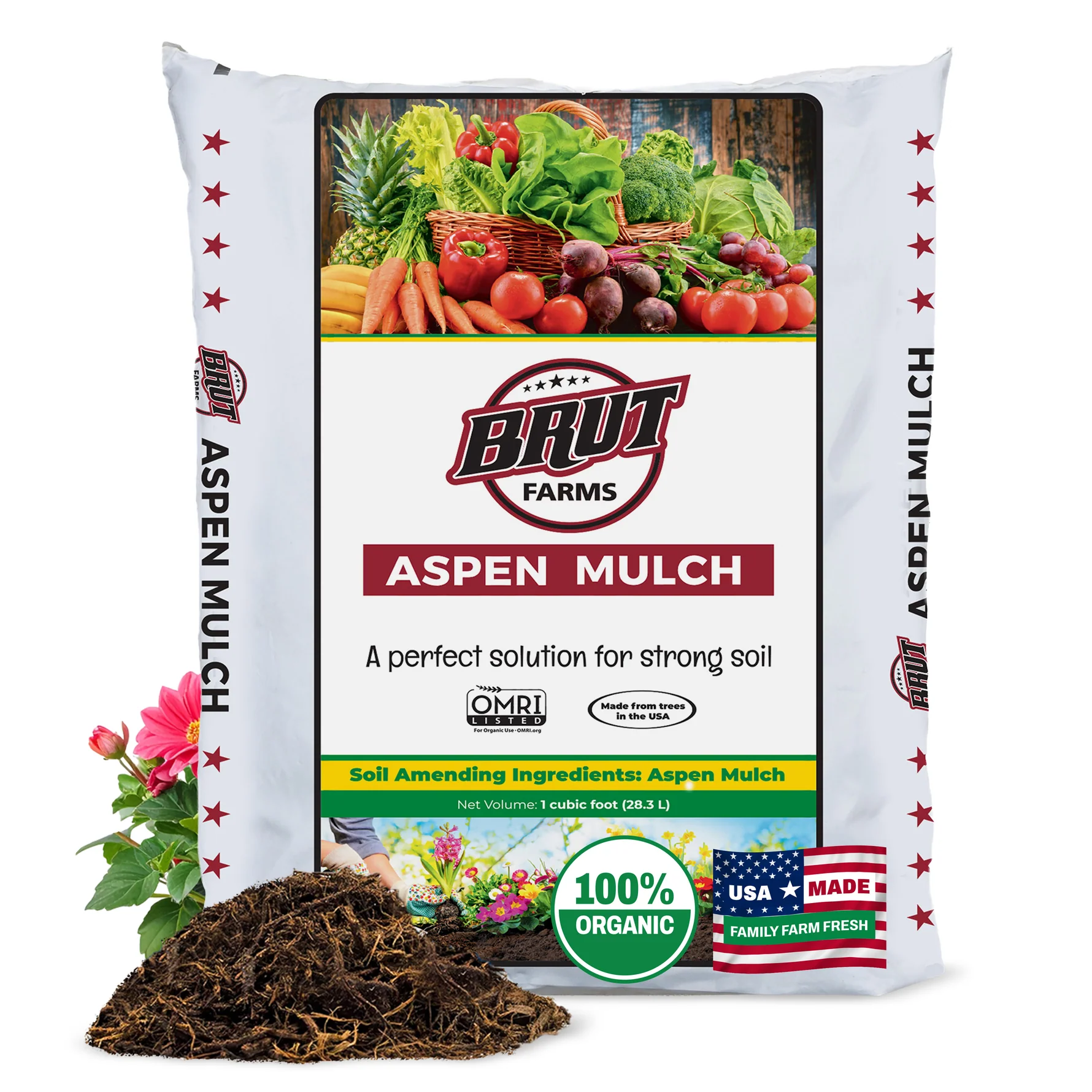
Brut Organic Aspen Mulch creates a clean, polished garden surface while helping minimize weeds naturally. Its high-carbon, odor-free aspen bark supports beneficial soil microbes and improves soil structure for healthier plants. The mulch naturally retains moisture, promoting water-efficient root hydration for garden beds, potted plants, and outdoor planters. OMRI-listed for certified organic gardening.
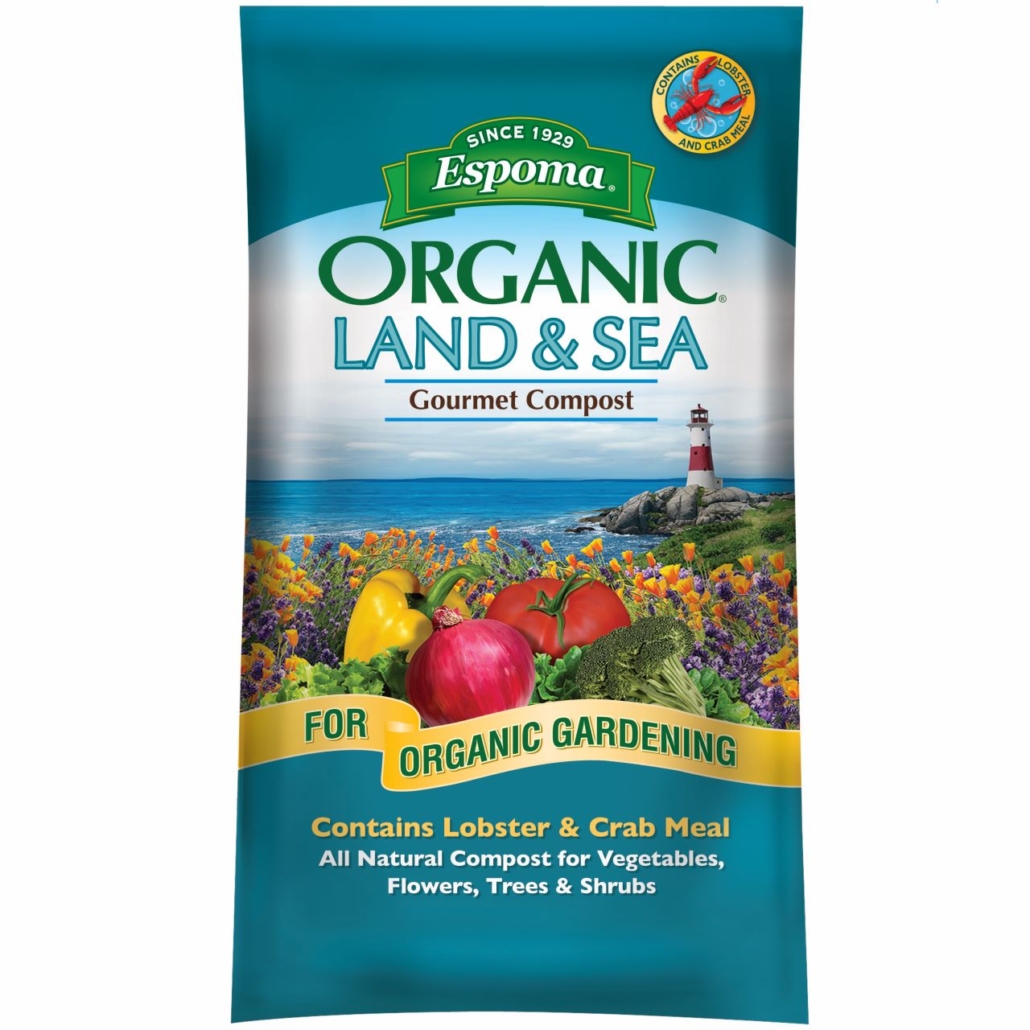
Espoma Organic Land and Sea Gourmet Compost is a rich organic planting mix designed to improve native soil and revitalize container gardens. Enriched with both lobster and crab meal, it supports healthy growth for vegetables, flowers, trees, and shrubs. The blend also includes myco-tone endo and ecto mycorrhizae and contains no synthetic plant foods or chemicals.
Harvesting
Harvest basil in the morning when essential oil content is highest. Cut or pinch stems back to just above a pair of leaves, never stripping individual leaves. Regular harvesting serves as pinching simultaneously and keeps the plant in vigorous production all season.