
Best Battery-Powered Weed Eater
Battery-powered weed eaters are now the first choice for most residential buyers, and the reasons are straightforward: they start immediately with a trigger press, require no fuel mixing, produce no exhaust, run quietly enough for early morning use in most neighborhoods, and have virtually no maintenance requirements beyond line replacement and head cleaning. The best 56V battery trimmers deliver output that matches mid-range gas models in routine residential grass cutting, and they do so without the weight or start-up complexity of a two-stroke engine.
What to Look for in a Battery Trimmer
Voltage determines the power ceiling. A 40V trimmer is adequate for most maintained residential borders and small lots. A 56V or higher trimmer handles heavier growth, wider cutting paths, and more extended sessions without motor strain. For any lot with consistently dense border vegetation or infrequent trimming, the 56V tier is the practical minimum.
Cutting width, measured as the diameter of the cutting arc, determines how quickly the trimmer covers a given border length. A 13-inch cutting width handles typical residential grass borders. A 15 or 16-inch cutting width reduces the number of passes along a fence line or garden border by roughly 15 to 20 percent. The wider cutting width is most beneficial on long open perimeter runs.
Battery compatibility across a cordless tool ecosystem is a significant buying factor for households already owning battery tools. Choosing a trimmer whose battery is shared with an existing blower, mower, or other tool eliminates the need for an additional dedicated battery and charger.
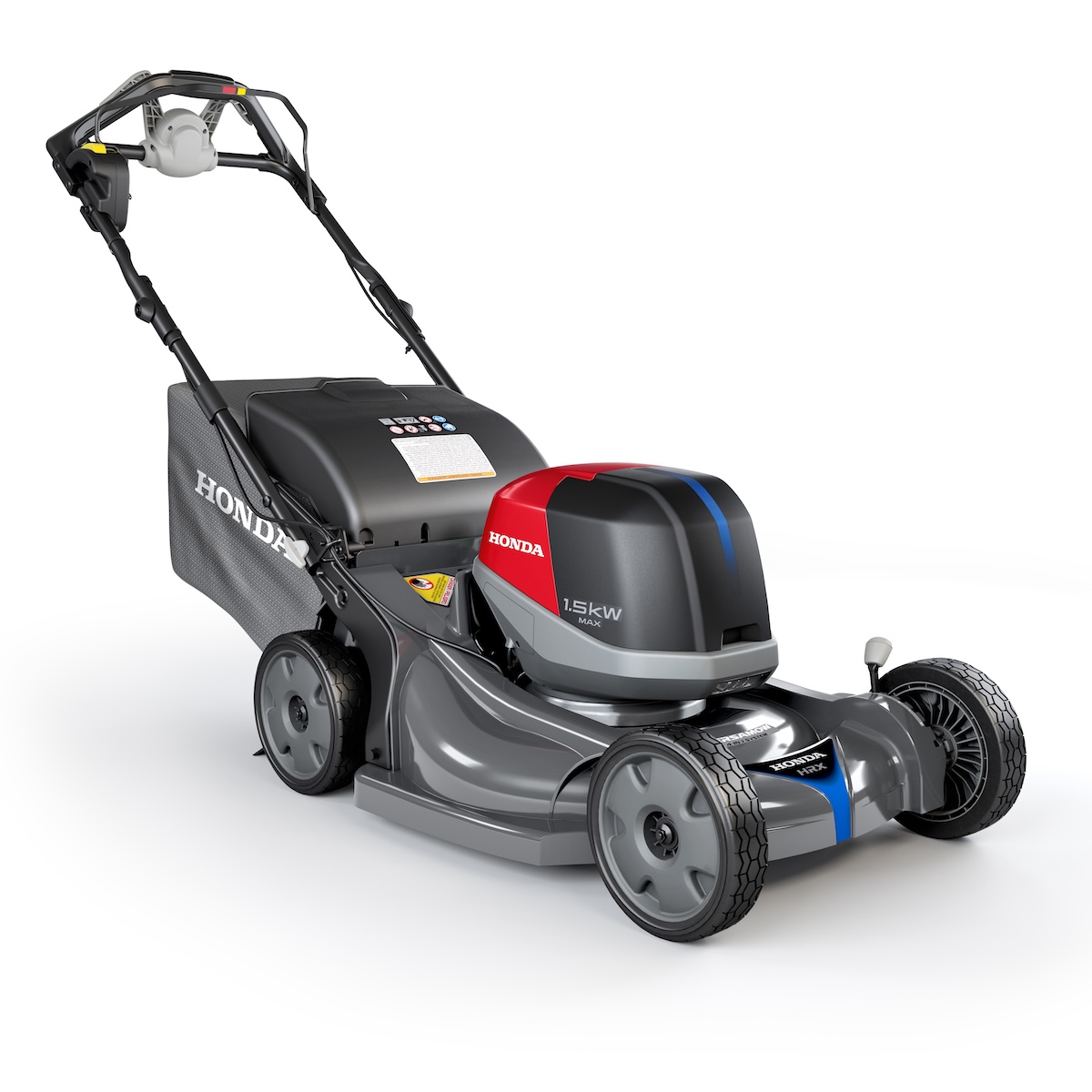
The Honda HRX-BV battery powered lawn mower delivers high torque performance for clean cutting in thick and tall grass. It features 4-in-1 Versamow with Clip Director for...
Best Battery Weed Eater Picks
Best overall: EGO ST1521S 56V Powerload
The EGO ST1521S is the most consistently recommended battery trimmer at the residential performance level. Its Powerload automatic line loading system feeds new line into the head at the press of a button without removing the spool, which eliminates the most time-consuming maintenance step of trimmer ownership. The 56V brushless motor handles moderately heavy residential border vegetation without slowing, and the 15-inch cutting width covers borders efficiently. Runtime with a 2.5Ah battery is approximately 35 minutes; a 5.0Ah battery extends this to 60 minutes. The 56V ARC lithium platform is compatible with all EGO outdoor power tools.
Best 40V trimmer: Greenworks 40V 16-Inch Straight Shaft
The Greenworks 40V straight-shaft trimmer delivers a 16-inch cutting width at the 40V tier, which is wider than most 40V competitors and closes much of the efficiency gap with 56V models on long perimeter runs. The brushless motor runs efficiently on the 2.0Ah battery included in the standard kit, with an estimated runtime of 30 minutes at moderate speed. The 40V G-MAX platform is shared with Greenworks 40V mowers and blowers.
Best for battery ecosystem: Ryobi ONE+ HP 40V
For buyers already owning Ryobi ONE+ 40V tools, the Ryobi ONE+ HP 40V trimmer is the practical choice because it shares batteries across the broadest cordless tool catalog available. The brushless HP motor at the 40V tier performs noticeably better than older brushed 40V Ryobi trimmers and handles routine residential border work reliably. If the buyer already owns the battery, the bare tool cost is substantially lower than a full kit purchase.
Best budget battery trimmer: Worx WG163 20V
The Worx WG163 is a 20V battery trimmer at a very accessible purchase price that suits buyers with very small lots and minimal border vegetation. It is not suited to heavy or thick-stemmed growth, but for a small flat lot with a maintained perimeter trimmed weekly, it handles the task cleanly at the lowest cost of entry in the battery category.
Maintenance
Battery trimmers require almost no regular maintenance. The trimmer head should be checked for debris packing around the spool after heavy use sessions. The line should be refilled when it runs low, following the procedure in the how to restring a weed eater guide. The battery should be stored at 40 to 80 percent charge over any long off-season period rather than at full charge or fully depleted, which extends long-term battery capacity retention.