
Tree Health and Care: Diagnosis, Treatment, and Planting
A tree’s long-term health depends on decisions made across every stage of its life: correct site selection and planting technique at installation, consistent watering and fertilizing through establishment, prompt diagnosis and treatment when health problems appear, and informed management when structural or root problems develop. This hub covers all of those decision points for homeowners managing trees on residential properties.
The guides here range from practical how-to content, how to plant a tree correctly, how to remove surface roots without killing the tree, to diagnostic content that helps you determine whether a tree is dead or dying and what to do about it.
Hub Contents
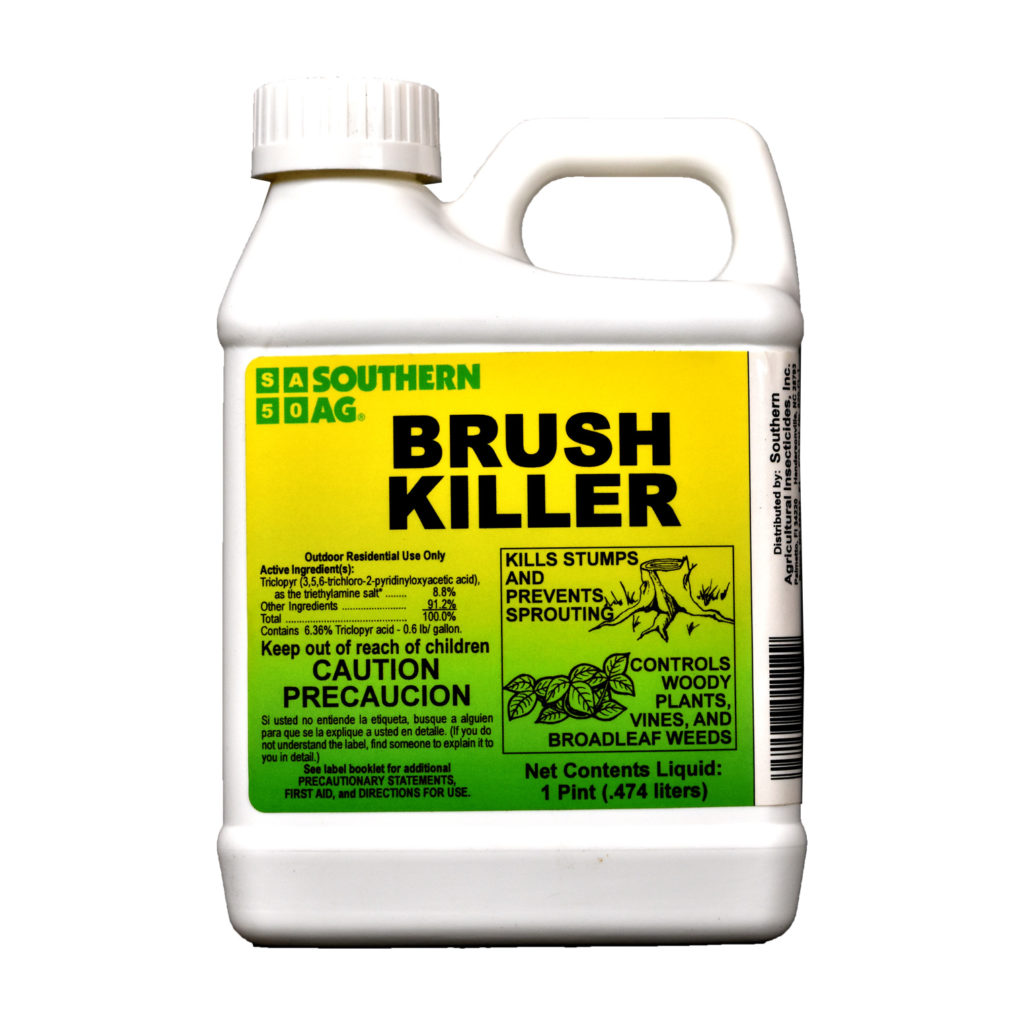
Southern Ag Brush Killer with 8.8% triclopyr helps kill tough vines and hard-to-control brush, including stump sprout prevention. It works as a full-volume foliage spray for vines, shoots, stems, and bark, and can also be used for undiluted stump treatment on freshly cut stumps. Ideal for non-crop areas like road right-of-ways, rangeland, pastures, and fence rows.
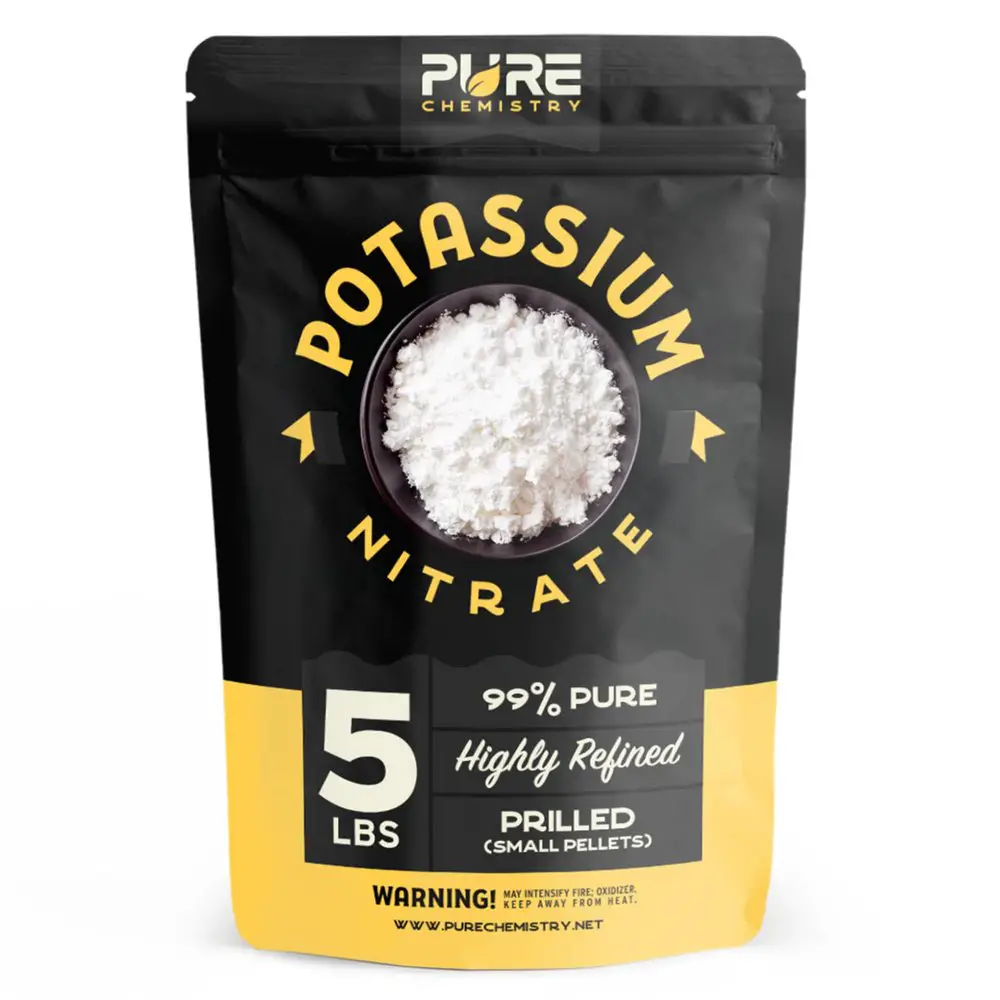
Ecoxall 99% pure potassium nitrate pellets support strong plant growth for fruits, vegetables, flowers, lawns, and ornamentals in indoor or outdoor settings. The industrial-grade prilled pellets provide controlled distribution while doubling as a practical tree stump remover that helps break down wood matter. With use across horticulture and industrial applications, this versatile compound delivers nitrogen and potassium benefits for healthy root development and plant vitality.
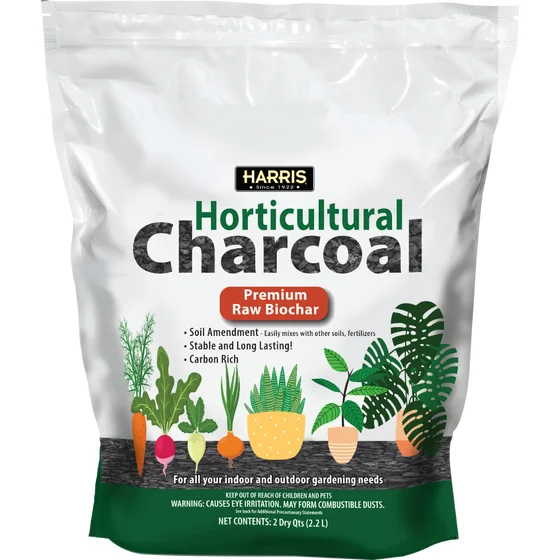
Harris Horticultural Charcoal premium biochar is a naturally derived soil amendment designed to increase soil carbon, nutrient content, and water retention. It helps support water-soluble nutrients and promotes beneficial microbial life for healthier plants. Ideal for indoor and outdoor use in gardens, ornamentals, terrariums, and small houseplants like orchids and bonsai.
How to Tell if a Tree Is Dead or Dying
The scratch test, bud assessment, and bark condition checks that reliably distinguish a dead tree from a dormant or stressed one. The how to tell if a tree is dead guide covers all the diagnostic steps in sequence.
Can a Brown Evergreen Come Back?
Browning on an evergreen has several possible causes ranging from drought stress and winter desiccation to root disease and pest damage. Some causes are reversible; others are not. The brown evergreen recovery guide covers how to diagnose which cause applies and what recovery is realistic.
How to Remove Tree Roots Above Ground
Surface roots create mowing hazards and trip risks without necessarily indicating a problem with the tree. Removing them incorrectly can destabilize or stress the tree. The removing surface tree roots guide covers safe removal depth and technique that manages the problem without harming the root system.
Best Trees to Plant Near a House
Tree selection near foundations, driveways, and structures requires matching root spread, mature canopy size, and growth rate to the specific constraints of each location. The best trees to plant near a house guide covers species selection for tight spaces, root behavior by species, and distance guidelines from structures.
Best Time of Year to Plant Trees
Planting timing affects establishment speed and first-winter survival. Fall planting is the often-overlooked optimal window for many species. The best time to plant trees guide covers the seasonal logic by species and climate zone.
How to Kill a Tree Stump
Chemical and natural stump removal methods compared, with timelines, effectiveness, and application guidance. The how to kill a tree stump guide covers potassium nitrate accelerators, copper sulfate, and the no-chemical options that use time and deprivation.
Stump Grinding vs Chemical Stump Removal
A direct comparison of the two main stump removal approaches, covering cost, timeline, replanting options, and which situations suit each method. The stump grinding vs chemical guide helps homeowners decide between hiring a grinder and handling removal themselves.
Common Tree Diseases: Identification and Treatment
Fire blight, Dutch elm disease, oak wilt, anthracnose, and canker diseases identified by symptom, with treatment and management guidance. The common tree diseases guide covers the most impactful pathogens in North American residential landscapes.
Best Fertilizer for Trees
Fertilizer stakes, spikes, and granular options evaluated for nutrient delivery efficiency, ease of application, and value. The best tree fertilizer guide covers what trees actually need and how to apply it without over-stimulating growth.
How to Plant a Tree
Step-by-step planting technique covering hole sizing, planting depth, root flare positioning, backfill technique, and post-planting care. The how to plant a tree guide is the practical companion to the best planting timing guide.
Cross-Hub Resources
Disease and pest problems often co-occur on stressed trees. Insect damage frequently opens the wound pathways through which fungal disease enters. For identification and management of the beetle, mite, and borer species most likely to precede disease infection on residential trees, the pest control section covers the insect species most relevant to tree health. For species-specific health problems on pine, maple, and arborvitae, the tree species guides hub covers individual species issues in detail.
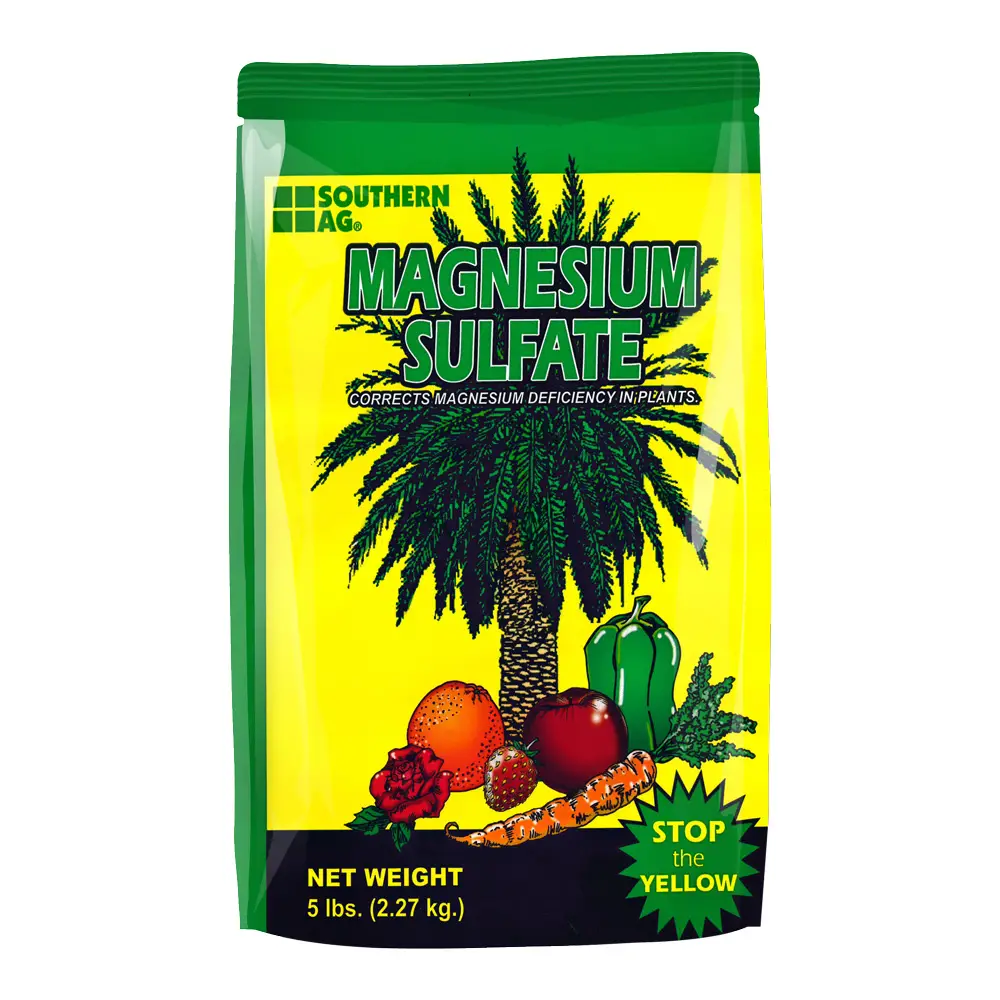
Root 98 Warehouse Southern Ag Magnesium Sulfate is a dry, water-soluble fertilizer for correcting magnesium deficiency in shrubs and trees. It helps acidify soils with less risk of staining and is designed for use on citrus, palms, trees, shrubs, annuals, and turf. Apply by spreading over the treatment area and watering in; do not mix or spray.
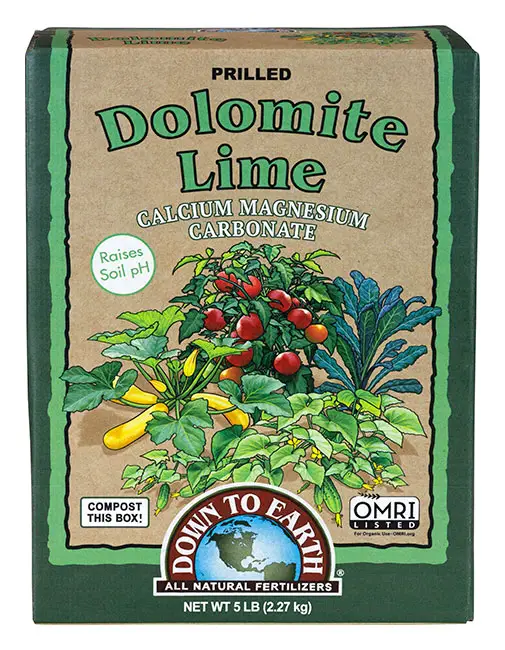
Down To Earth Organic Prilled Dolomite Lime helps raise acidic soil pH for better nutrient uptake and healthier vegetable gardens. Its rich calcium and magnesium support strong cell walls, root growth, and overall plant performance. OMRI listed for organic use, the prilled granules spread easily and act quickly while improving soil structure and microbial activity.