
Can a Brown Evergreen Come Back? How to Diagnose and Recover
A browning evergreen is one of the most alarming things a homeowner can notice in the yard, and one of the most frequently misdiagnosed. The answer to whether it can recover depends entirely on the cause, and several of the most common causes are fully reversible with the right response. Others are not, and identifying which situation you are dealing with before taking action prevents wasted effort and allows prompt removal when that is the correct decision.
Common Causes of Evergreen Browning
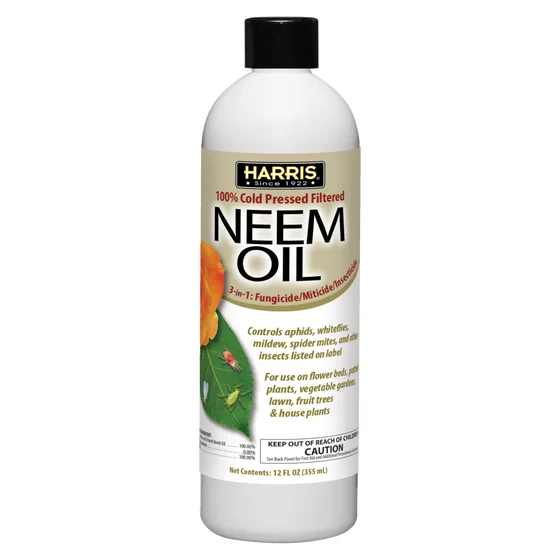
HARRIS Neem Oil Cold Pressed Water Soluble Concentrate is a 3-in-1 insecticide, fungicide, and miticide made from 100% cold pressed neem oil. It is EPA registered to help control aphids, whiteflies, mildew, spider mites, and other label-listed pests and diseases. Safe for indoor and outdoor use, it can be applied to a wide range of flowering and potted plants, vegetable gardens, lawns, ornamentals, fruit trees, and container gardening with foliar or soil treatments.
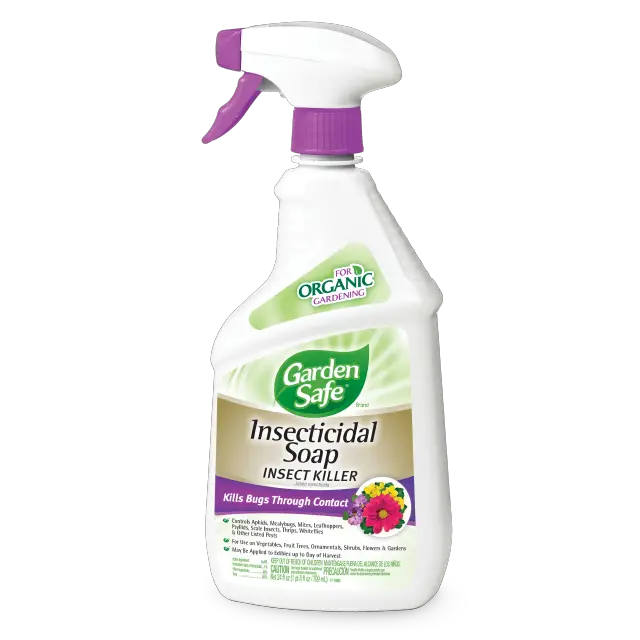
Garden Safe insecticidal soap is a ready-to-use contact spray that kills listed garden pests when sprayed directly on them. It’s formulated for organic gardening and can be used on vegetables, fruit trees, ornamentals, shrubs, flowers, and in indoor, outdoor, and greenhouse applications. For convenience, it may be applied to edibles up to and including the day of harvest.
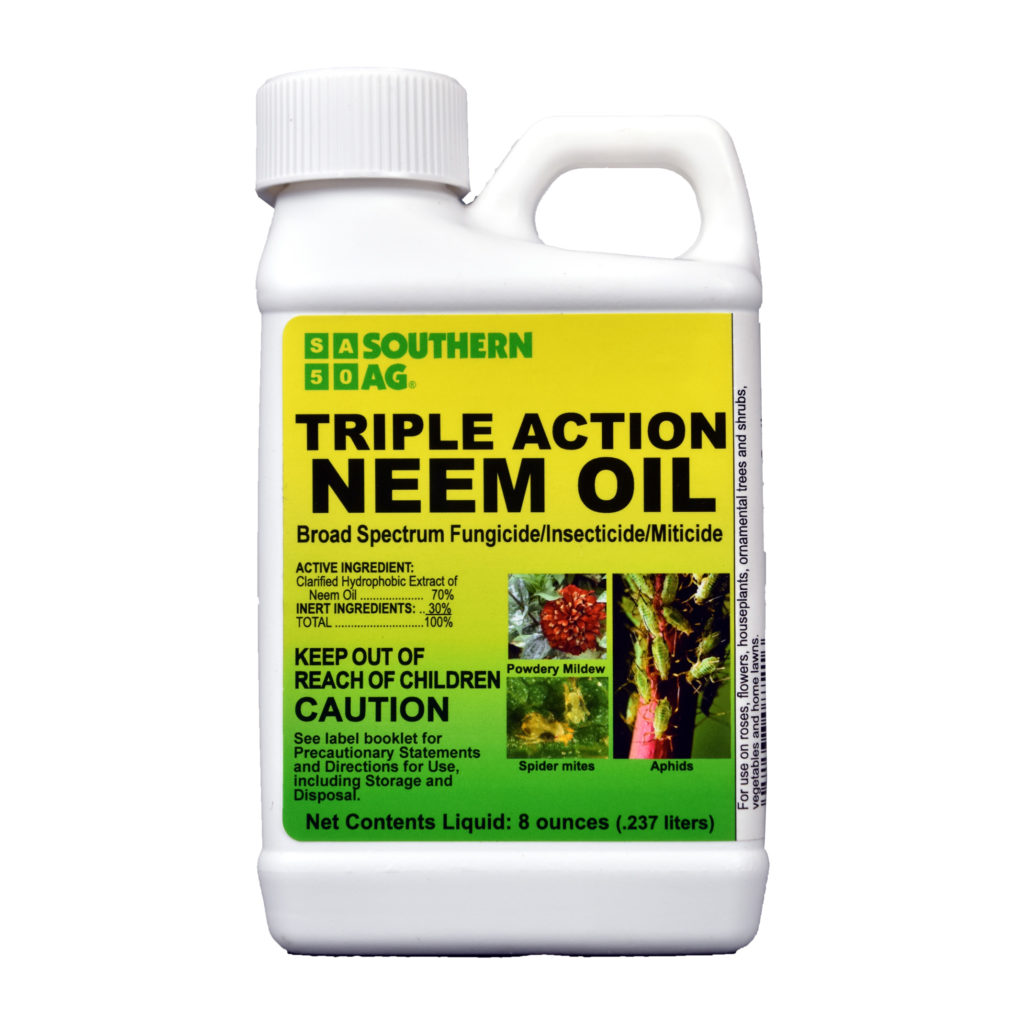
Southern Ag Triple Action Neem Oil Fungicide/Insecticide/Miticide delivers broad-spectrum control to help protect indoor and outdoor ornamental plants. Formulated with 70% clarified hydrophobic extract of neem oil, it targets common fungal diseases like powdery mildew and black spot as well as pests including aphids, spider mites, scale, and whiteflies. Thoroughly spray all plant surfaces for best results, mixing frequently during application.
Winter Burn (Desiccation)
Winter burn is caused by moisture loss from foliage during cold, windy weather when the root system cannot replace lost moisture because the soil is frozen. It is most common on broadleaf evergreens such as boxwood, rhododendron, and holly, and on arborvitae and other thin-foliaged conifers. The browning typically appears on the exposed side of the plant, the south or west-facing side that receives winter sun and wind, while the protected side remains green.
Recovery: Winter burn is usually reversible. The root system and woody structure remain alive. Wait until mid to late spring before making any removal decisions. New growth will emerge from the protected portions and gradually restore the canopy. Prune out confirmed dead tissue after new growth has established. Water thoroughly in fall before freeze-up and consider burlap wind barriers for vulnerable specimens in subsequent years.
Drought Stress
Summer or fall drought that depleted soil moisture causes evergreens to brown from the branch tips inward and from the top of the plant downward. Unlike winter burn, drought browning is not concentrated on a specific side of the plant.
Recovery: Depends on severity. Moderate drought browning on otherwise healthy plants recovers with deep watering and mulching to retain soil moisture. Apply 3 to 4 inches of organic mulch in a ring out to the drip line, keeping mulch away from the trunk. Severe drought browning that has killed large sections of the canopy may not recover fully even with correct care going forward.
Needle Cast and Other Fungal Diseases
Several fungal diseases cause needle browning and drop on conifers. Rhizosphaera needle cast on blue spruce, Dothistroma needle blight on pine, and Kabatina tip blight on juniper and arborvitae all produce browning that can be mistaken for drought or winter damage.
Identifying fungal needle diseases requires examining the affected needles closely. Most needle cast diseases produce small black fruiting bodies (pycnidia) on the underside of infected needles that are visible with a hand lens. A pattern where needles inside the canopy are retained while outer needles drop is also characteristic of some needle cast diseases.
Recovery: Fungal diseases are manageable with fungicide applications but require correct timing and persistence. Consult your local cooperative extension for the appropriate fungicide and timing for the specific pathogen in your region. Remove and dispose of fallen infected needles rather than leaving them as a reinfection source.
Root Rot
Root rot caused by Phytophthora or Armillaria species attacks the root system of stressed or poorly drained evergreens. The browning progresses rapidly, often from a single branch or section outward, and is typically accompanied by crown dieback and bark discoloration or soft tissue at the base of the trunk.
Recovery: Root rot has a poor prognosis. Once established in the root system, it is very difficult to arrest. Improving drainage around the root zone helps in early cases. Severely affected plants rarely recover fully.
Spider Mite Damage
Spider mites cause a fine stippling or bronzing of needle or leaf surfaces that progresses to browning as the infestation worsens. Shake a suspected branch over white paper: mites will fall onto the paper and are visible as small moving dots. Spider mite damage is worst during hot, dry weather.
Recovery: Miticide application during active infestation, combined with improving plant water status, typically halts further damage and allows new growth to replace damaged foliage.
How to Assess Recovery Potential
Regardless of the suspected cause, use the scratch test described in the how to tell if a tree is dead guide to assess how much living tissue remains. Test multiple branches and the main stem. If living cambium is present in the main structural branches and trunk, recovery is possible. If cambium is dead throughout, recovery is not.
Do not prune brown evergreens in fall or winter without a confirmed diagnosis. Premature removal of apparently dead tissue can remove viable wood in species that retain the ability to regenerate. Wait for the spring growth period to reveal what is truly dead versus what is recovering.
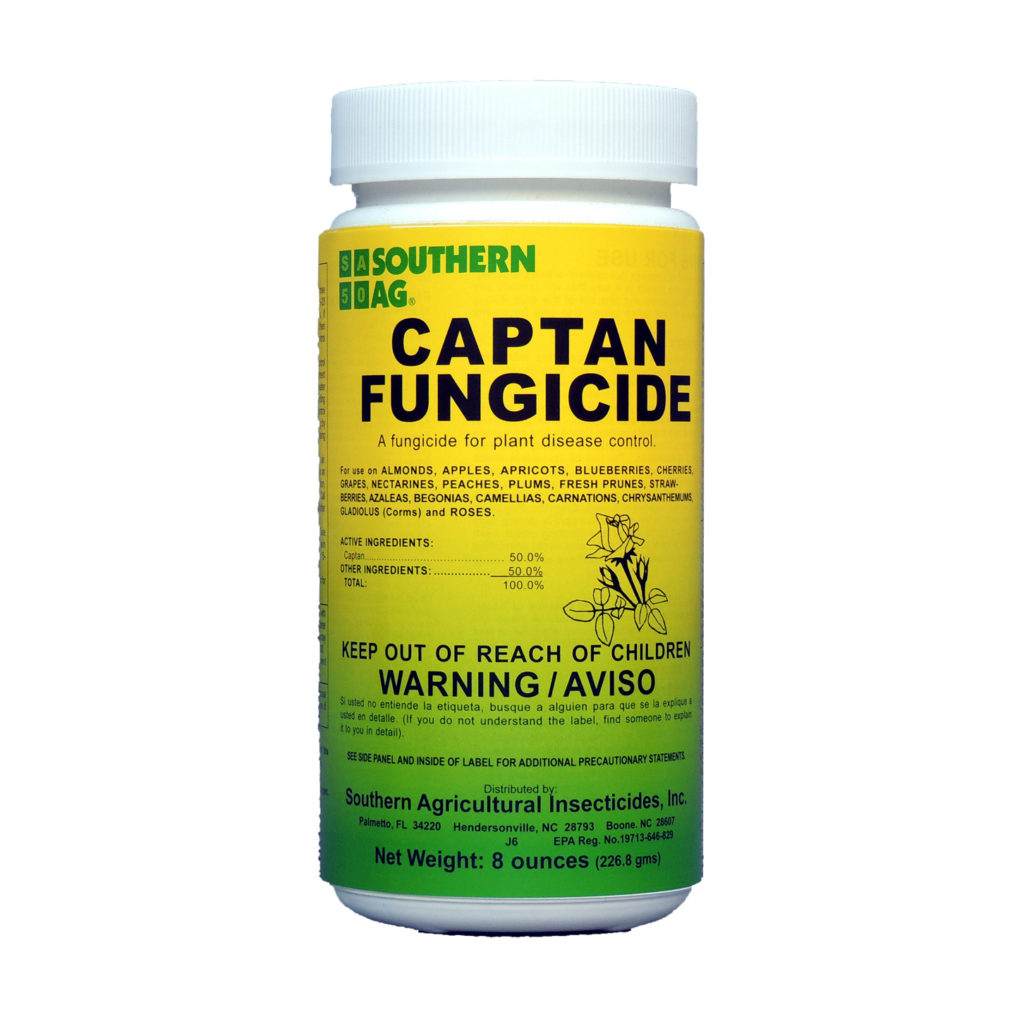
Southern Ag Captan Fungicide helps control Botrytis rot (grey mold) on strawberries and protects a wide range of fruit crops and ornamentals. It’s labeled for many fruits, decorative plants, and lawns, providing coverage against common fungal diseases including scab and black spot. Apply as a thorough foliar spray mix for reliable disease management.
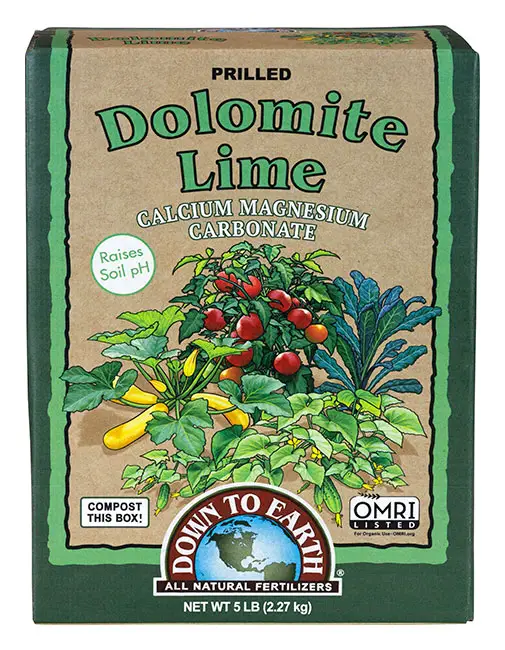
Down To Earth Organic Prilled Dolomite Lime helps raise acidic soil pH for better nutrient uptake and healthier vegetable gardens. Its rich calcium and magnesium support strong cell walls, root growth, and overall plant performance. OMRI listed for organic use, the prilled granules spread easily and act quickly while improving soil structure and microbial activity.