
Common Tree Diseases: Identification and Treatment
Tree disease diagnosis follows a pattern: matching visible symptoms to the pathogen category they belong to, then confirming the match with secondary characteristics. Misidentifying a disease leads to treatments that do not help and delay the interventions that do. This guide covers the most impactful diseases in North American residential landscapes, with the identifying symptoms, affected species, and management steps for each.
Fire Blight
What it is: A bacterial disease caused by Erwinia amylovora affecting apple, pear, crabapple, hawthorn, and other members of the rose family (Rosaceae). One of the most economically significant plant diseases in North American orchards.
Symptoms: Shoot tips wilt suddenly and curve into a characteristic shepherd’s crook shape. Infected tissue turns dark brown to black, as if scorched. The disease moves rapidly down shoots during warm, wet spring weather, discoloring the bark and sometimes producing amber-colored bacterial ooze.
Spread: Bacteria spread by rain, insects, and pruning tools during the active growth period in spring. Bees and other pollinators carry bacteria from infected flowers to healthy ones during bloom.
Management: Remove infected branches during dry weather, cutting at least 8 to 12 inches below visible infection into healthy wood. Disinfect pruning tools between every cut. Copper-based bactericides applied before and during bloom provide some preventive protection. Avoid excessive nitrogen fertilization, which promotes the soft, succulent growth most susceptible to infection.
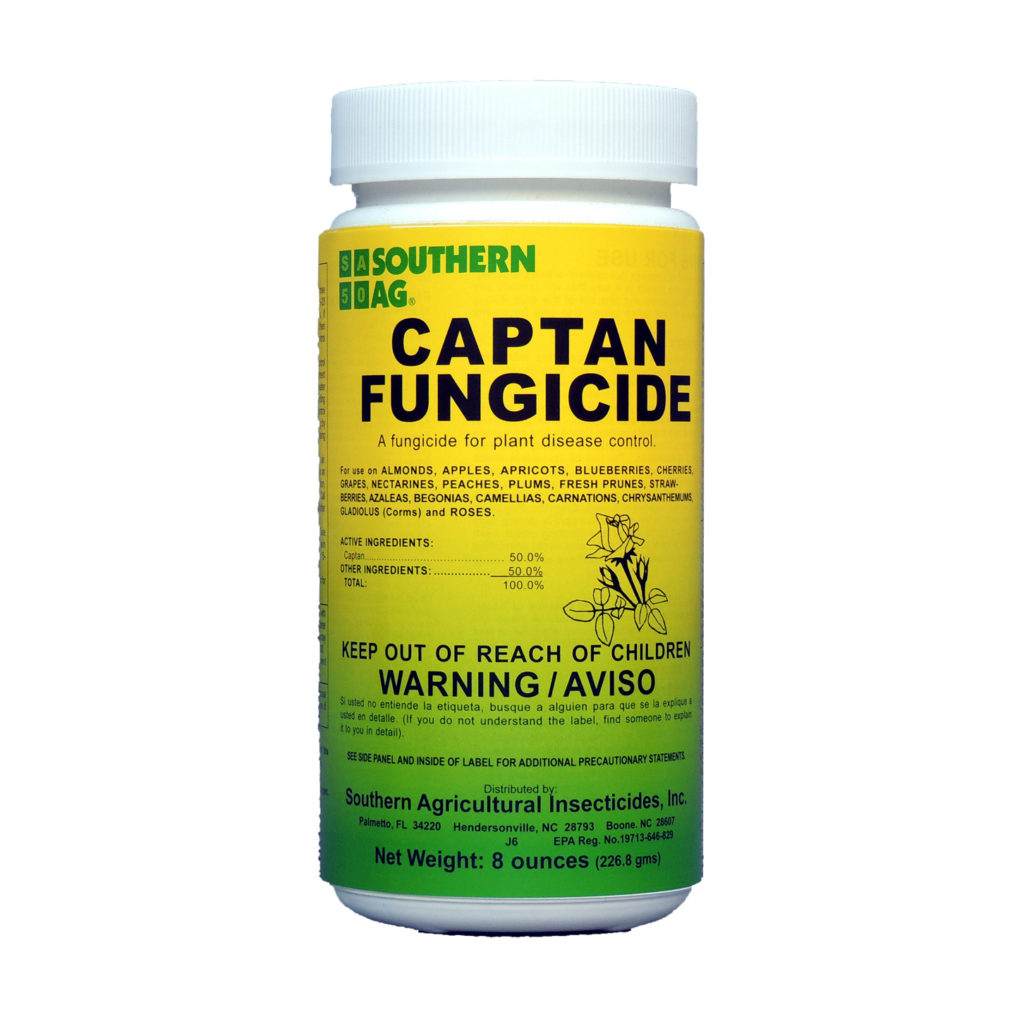
Southern Ag Captan Fungicide helps control Botrytis rot (grey mold) on strawberries and protects a wide range of fruit crops and ornamentals. It’s labeled for many fruits, decorative plants, and lawns, providing coverage against common fungal diseases including scab and black spot. Apply as a thorough foliar spray mix for reliable disease management.
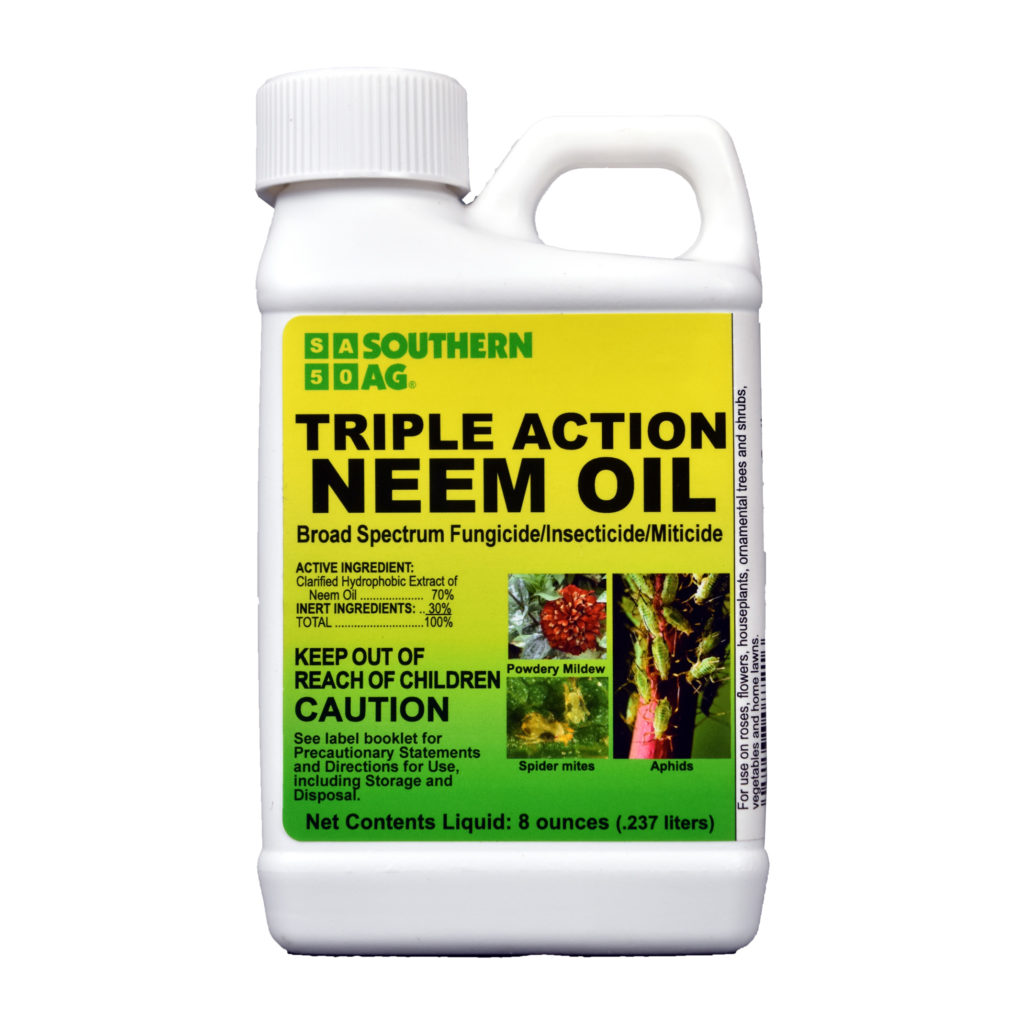
Southern Ag Triple Action Neem Oil Fungicide/Insecticide/Miticide delivers broad-spectrum control to help protect indoor and outdoor ornamental plants. Formulated with 70% clarified hydrophobic extract of neem oil, it targets common fungal diseases like powdery mildew and black spot as well as pests including aphids, spider mites, scale, and whiteflies. Thoroughly spray all plant surfaces for best results, mixing frequently during application.
Oak Wilt
What it is: A vascular disease caused by the fungus Bretziella fagacearum that blocks the xylem vessels in oak trees. One of the most serious tree diseases in the upper Midwest and parts of the South.
Symptoms: Leaves wilt and brown rapidly, often beginning at the top of the tree and progressing downward. On red oak group species (including pin oak, red oak, and scarlet oak), the disease can kill the tree within weeks of infection. On white oak group species, the disease progresses more slowly.
Spread: Primarily through sap beetles attracted to fresh wounds on oak trees, particularly during the high-pressure window from April through July. Also spreads through root grafts between adjacent trees of the same species.
Management: Avoid pruning oaks from April through July. Apply wound sealant immediately to any emergency cuts made during the risk window. Infected red oaks should be removed and the stump treated with herbicide to prevent root graft transmission. Consult a certified arborist for diagnosis and management in endemic areas.
Dutch Elm Disease
What it is: A fungal disease caused by Ophiostoma novo-ulmi that infects the vascular system of elm trees. Transmitted by elm bark beetles.
Symptoms: Individual branches wilt and yellow in summer, a symptom called flagging. The wilted branch leaves curl and brown. Cross-sections of recently wilted branches show dark streaking in the wood just beneath the bark.
Spread: Elm bark beetles (Scolytus multistriatus and Hylurgopinus rufipes) carry fungal spores from infected trees to healthy ones, particularly when feeding in the crotches of young branches.
Management: Remove wilted branches immediately, cutting well below the streak. Do not move infected elm wood, which can harbor beetles. Systemic fungicide injections (propiconazole) provide preventive protection in high-value trees. Removing dead and dying elms reduces the beetle breeding population in the area.
Anthracnose
What it is: A group of fungal diseases caused by several species of Colletotrichum and related genera. Affects many deciduous trees including ash, oak, maple, dogwood, and sycamore.
Symptoms: Irregular brown or tan dead areas on leaves, often following the veins. Premature leaf drop in severe infections. On dogwood, anthracnose caused by Discula destructiva is particularly serious and causes branch dieback in addition to leaf spotting.
Spread: Fungal spores spread by rain and wind during cool, wet spring weather coinciding with leaf emergence.
Management: Rake and remove fallen infected leaves to reduce spore overwintering. Fungicide applications timed to leaf emergence provide some protection in valuable specimens during high-pressure years. Avoid overhead irrigation that keeps foliage wet.
Canker Diseases
What it is: A group of fungal diseases that kill patches of bark and cambium, creating sunken, discolored lesions on branches and trunks. Common canker pathogens include Cytospora on spruce and poplar, Nectria on hardwoods, and Botryosphaeria on a wide range of species.
Symptoms: Sunken, discolored patches on bark with a clear margin between dead and living tissue. Resin or sap may ooze from active cankers. Branches may die back from the canker point.
Management: Prune out infected branches below the canker during dry weather, disinfecting tools between cuts. There are no effective chemical treatments for most canker diseases. Maintaining tree vigor through correct watering, fertilizing, and avoiding physical wounding reduces susceptibility.
When Disease Intersects With Insect Damage
Several of the diseases above are secondary infections that follow initial insect damage. Bark beetles create the entry points through which Ophiostoma (Dutch elm disease) and other vascular pathogens enter. Borers weaken vascular function and create wound sites that fungal canker pathogens exploit. For the insect species most commonly associated with tree disease entry, the pest control section covers mite, beetle, and borer identification and management.