
Stump Grinding vs Chemical Stump Removal: Which Is Better?
After a tree is removed, the stump presents a choice between two main removal approaches. Stump grinding produces immediate physical removal by reducing the stump to wood chips at or below ground level. Chemical removal kills the stump and accelerates decomposition over months without any immediate change in appearance. Each approach has specific advantages and situations where it is clearly the better choice.
Stump Grinding
Stump grinding uses a machine with a rotating cutting wheel to reduce the stump and its surface roots to a mound of wood chip mulch. A typical residential stump grinder can remove a stump to 6 to 12 inches below grade in under an hour. After grinding, the void is filled with the resulting wood chips and the area can be seeded or replanted relatively quickly.
Advantages:
The immediate result is the main advantage of grinding. The stump is gone, the area is clear, and the wood chips can be raked into a rough grade and the area reseeded or replanted within weeks. For stumps in lawn areas, play areas, or anywhere the ground needs to be usable quickly, grinding is the correct choice.
Root regrowth is also largely eliminated by grinding. Cutting through the root crown removes the energy-storing tissue that regenerates growth on aggressive species.
Limitations:
Stump grinding requires hiring equipment or a contractor in most cases. Rental stump grinders are available from equipment rental companies but require transport and operator experience. The cost for professional grinding is typically $75 to $150 per stump for average residential sizes, with larger or multiple stumps often discounted.
Grinding does not remove all roots. Major lateral roots running outward from the stump are typically left in place. These decompose naturally but remain in the soil for years, which can complicate replanting directly in the same spot if the new planting requires unobstructed root space.
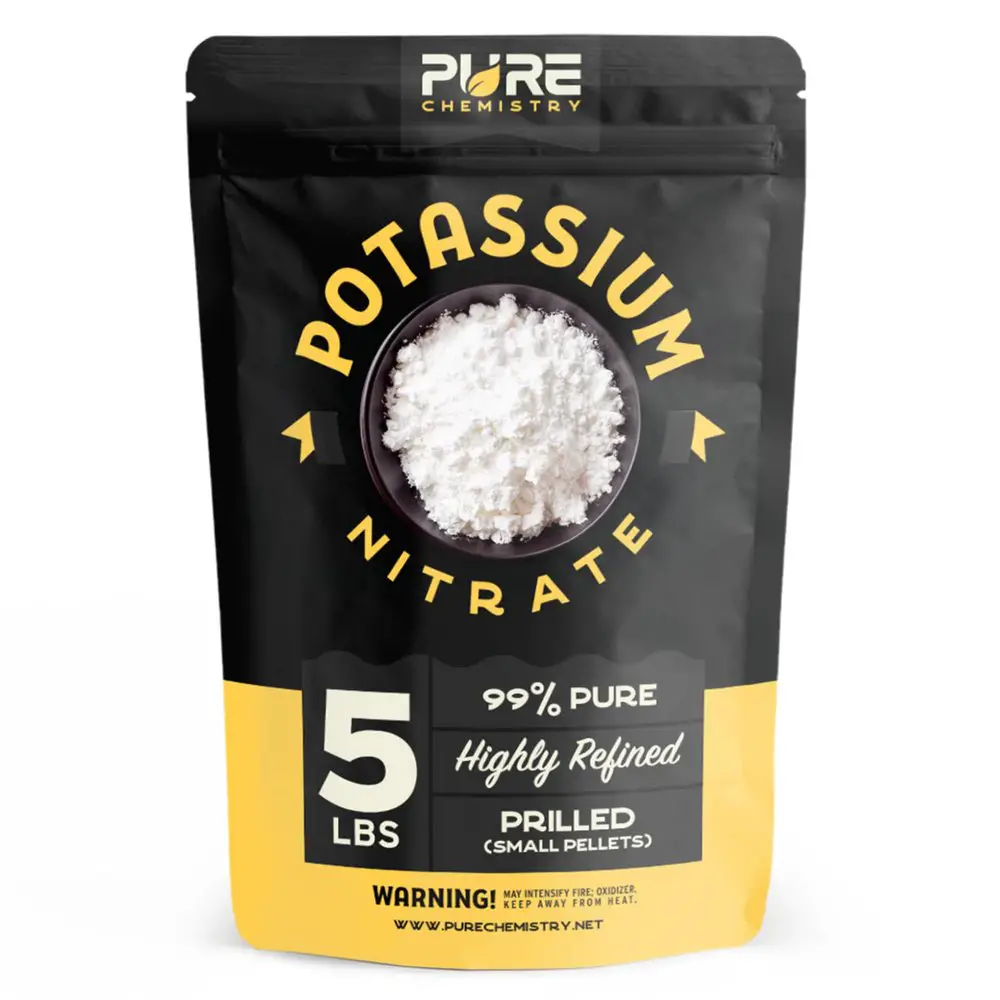
Ecoxall 99% pure potassium nitrate pellets support strong plant growth for fruits, vegetables, flowers, lawns, and ornamentals in indoor or outdoor settings. The...
Chemical Stump Removal
Chemical removal uses potassium nitrate or herbicide products to kill the stump and accelerate or prevent regrowth. The stump remains in place through the process but gradually decomposes or becomes inert.
Advantages:
No equipment is needed beyond a drill and the product. The cost is minimal, typically under $20 for a commercial potassium nitrate product. The method is practical for stumps in locations difficult for grinding equipment to access, such as close to fences, structures, or on steep slopes.
For stumps that do not need to be replanted over and where the ground area can remain undisturbed for a year or more, chemical removal is a low-effort, low-cost solution.
Limitations:
The timeline is the main limitation. Potassium nitrate products take months to fully soften a stump and one to three years for complete decomposition. The stump remains an obstacle in the yard through this period. Herbicide-based products kill the root system faster but still leave the physical stump in place.
Chemical products also require careful application in gardens where the herbicide or high-nitrogen content could affect nearby desirable plants. Keep applications contained within the stump.
Which to Choose
Choose grinding when: You need the area usable quickly, the stump is in a lawn or visible area, you are replanting the spot within a season, or you need a clean finish for a hardscaping project.
Choose chemical removal when: The stump is inaccessible to equipment, cost is the primary consideration, you are not in a hurry, or the stump is in a back-of-yard location where its appearance does not matter.
For the specific steps of each chemical approach, the how to kill a tree stump guide covers potassium nitrate, herbicide, and natural deprivation methods with application instructions.