
Palm Trees: Trimming, Care, and Species Guides
Palms are structurally distinct from broadleaf and conifer trees, and their care requires a different framework. Unlike most trees, palms are monocots: they do not produce secondary growth rings, cannot compartmentalize decay in the same way as broadleaf trees, and grow only from a single apical meristem at the top of the trunk. Damage to this growing point is fatal. Understanding this fundamental difference shapes every trimming, fertilizing, and management decision.
This hub covers the full range of palm care for homeowners in Southern and coastal US states where outdoor palms are common, as well as guidance for the indoor palm species grown across all climate zones.
What Makes Palms Different
The apical meristem at the top of a palm trunk produces all of the palm’s new fronds. Trimming live green fronds removes photosynthetic capacity and stresses the palm. Over-trimming, a very common practice, weakens the tree and makes it more vulnerable to potassium deficiency, hurricane damage, and pest problems.
Palm root systems spread shallow and wide rather than deep, and do not regenerate from cut points the way broadleaf tree roots do. Understanding root behavior is important for decisions about removal, transplanting, and hardscaping around established palms.
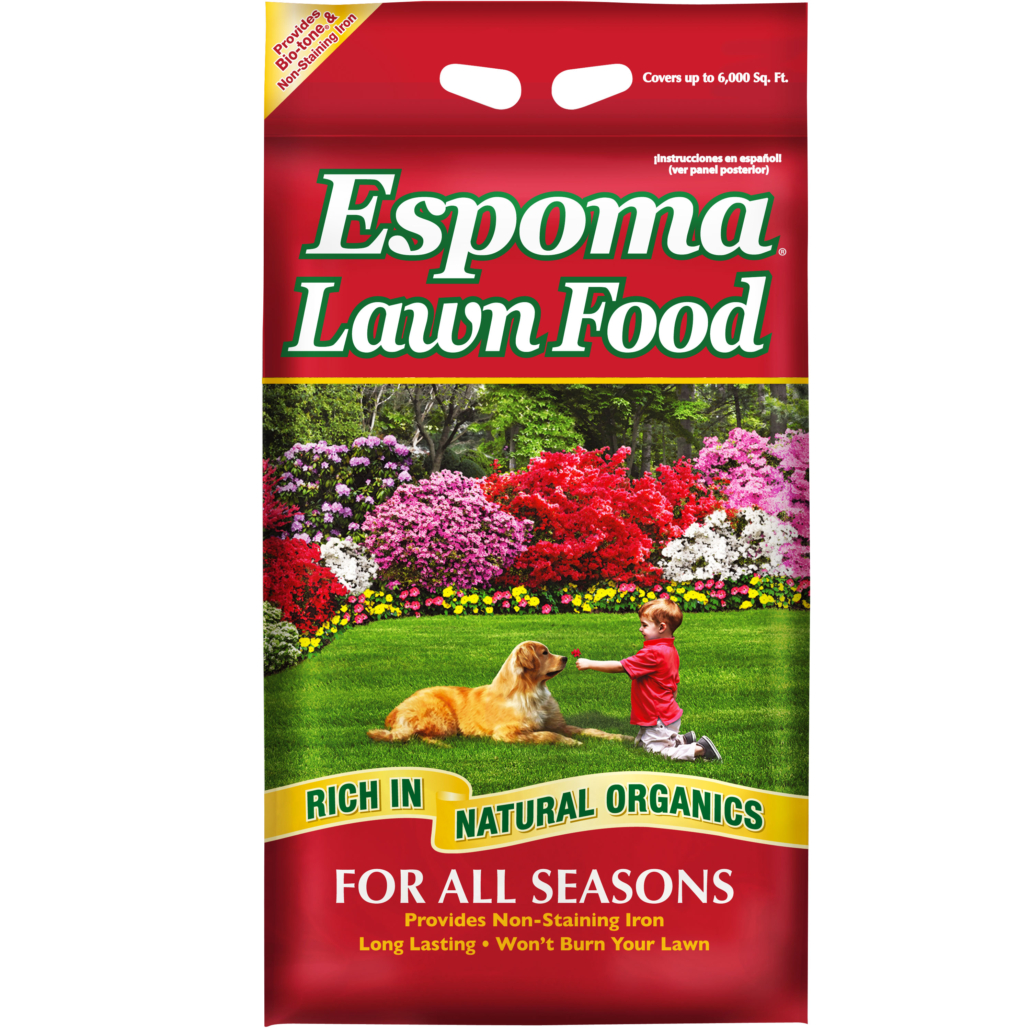
Espoma Lawn Food for All Seasons 15-0-5 provides slow-release, long-lasting nitrogen to help support a greener lawn year-round. Enhanced with iron for deep green color, it helps turn yellow lawns back to green and won’t stain concrete, sidewalks, or driveways. Safe for cool and warm season grasses, it applies in spring, summer, and fall with a drop or broadcast spreader.
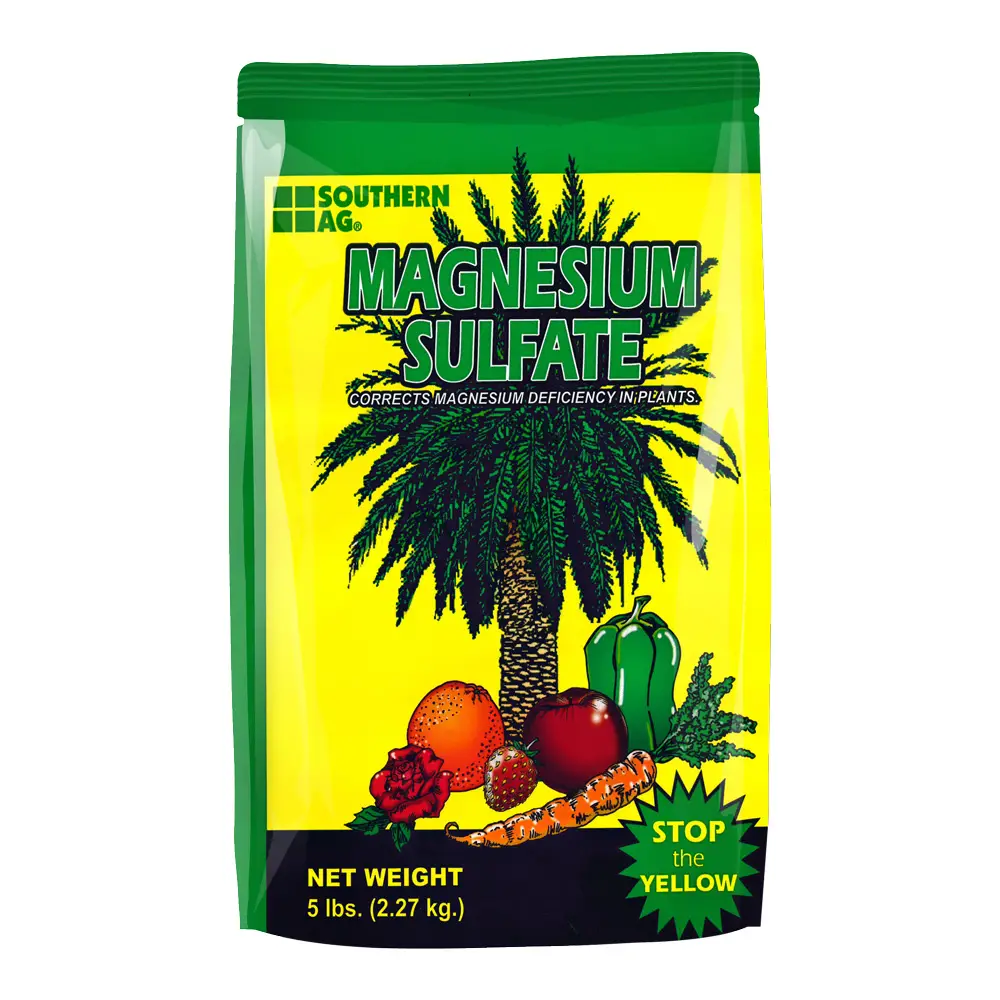
Root 98 Warehouse Southern Ag Magnesium Sulfate is a dry, water-soluble fertilizer for correcting magnesium deficiency in shrubs and trees. It helps acidify soils with less risk of staining and is designed for use on citrus, palms, trees, shrubs, annuals, and turf. Apply by spreading over the treatment area and watering in; do not mix or spray.
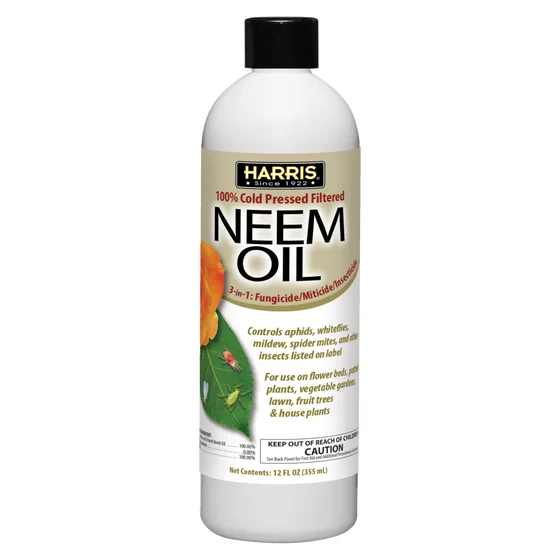
HARRIS Neem Oil Cold Pressed Water Soluble Concentrate is a 3-in-1 insecticide, fungicide, and miticide made from 100% cold pressed neem oil. It is EPA registered to help control aphids, whiteflies, mildew, spider mites, and other label-listed pests and diseases. Safe for indoor and outdoor use, it can be applied to a wide range of flowering and potted plants, vegetable gardens, lawns, ornamentals, fruit trees, and container gardening with foliar or soil treatments.
Hub Contents
- Palm Tree Removal: Cost, Process, and When It Is Necessary
- Palm Tree Roots: How Deep They Go and Damage Risk
- Best Tools for Trimming Palm Trees
- What Is Palm Tree Wood Used For?
- How to Trim a Palm Tree: Frond Removal and Safety
- How Much Do Palm Trees Cost to Buy and Install?
- Indoor Palm Tree Care: Light, Water, and Feeding
- Coconut Tree vs Palm Tree: What Is the Difference?
- Pygmy Date Palm Care Guide
- Madagascar Palm Care: Growing This Unusual Succulent
- Best Palm Tree Fertilizer: Ratios and Application Schedule
- Common Palm Tree Diseases: Identification and Treatment
- Cold Hardy Palm Trees for Northern Climates
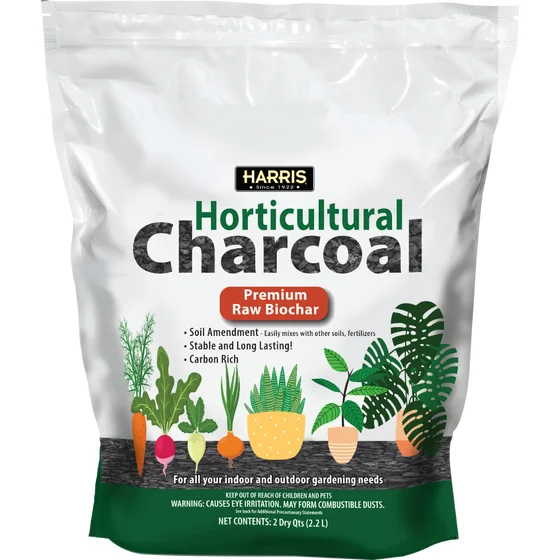
Harris Horticultural Charcoal premium biochar is a naturally derived soil amendment designed to increase soil carbon, nutrient content, and water retention. It helps support water-soluble nutrients and promotes beneficial microbial life for healthier plants. Ideal for indoor and outdoor use in gardens, ornamentals, terrariums, and small houseplants like orchids and bonsai.
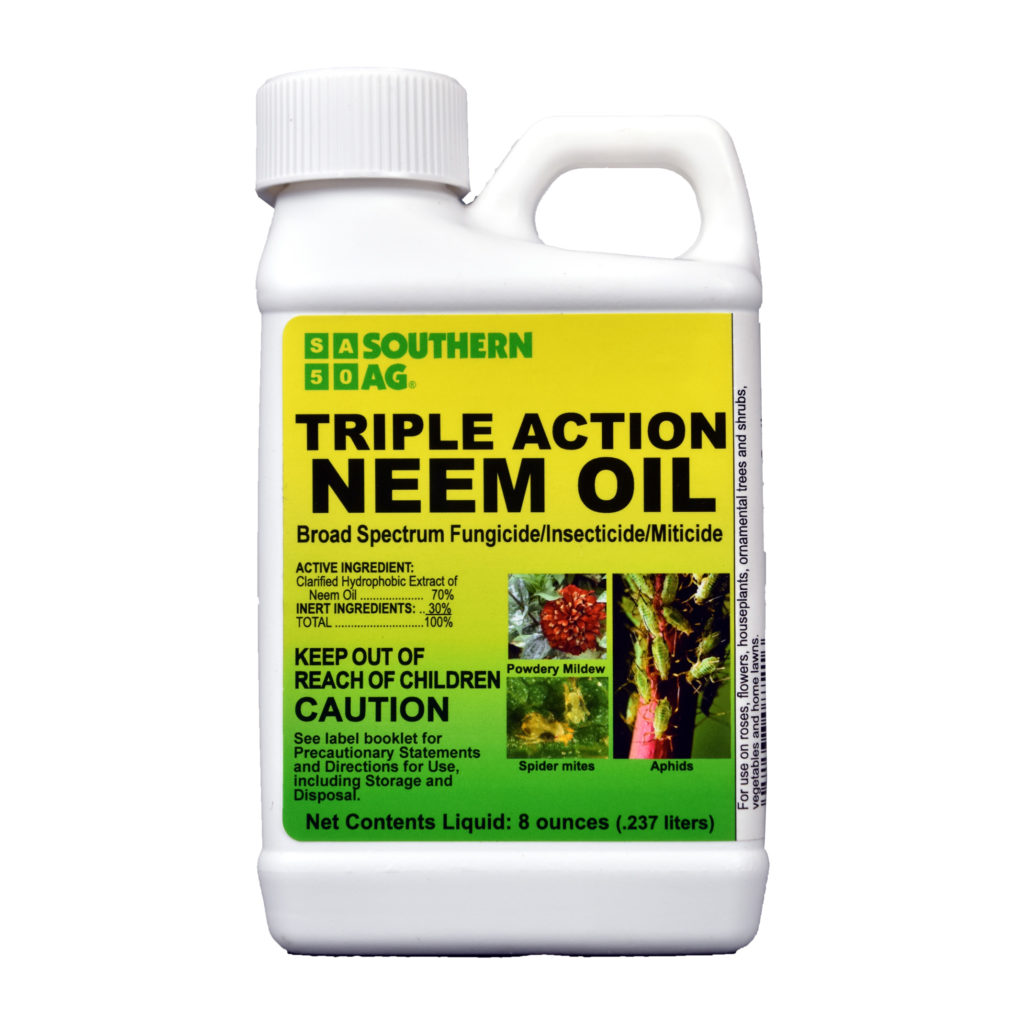
Southern Ag Triple Action Neem Oil Fungicide/Insecticide/Miticide delivers broad-spectrum control to help protect indoor and outdoor ornamental plants. Formulated with 70% clarified hydrophobic extract of neem oil, it targets common fungal diseases like powdery mildew and black spot as well as pests including aphids, spider mites, scale, and whiteflies. Thoroughly spray all plant surfaces for best results, mixing frequently during application.