
Palm Tree Removal: Cost, Process, and When It Is Necessary
Palm removal is a specialized job that differs meaningfully from removing a broadleaf or conifer tree. The fibrous, rope-like trunk structure of palms responds differently to cutting equipment, and the weight distribution of a tall palm with a heavy frond crown requires different rigging and drop-zone management than a branched tree of equivalent height.
When Removal Is Necessary
Dead palms. A palm that has lost its apical growing point, whether from freeze damage, disease, or physical trauma, cannot regenerate and should be removed. Unlike broadleaf trees that can regenerate from side buds, a palm with a dead or destroyed crown is permanently dead.
Lethal yellowing disease. Lethal yellowing is a phytoplasma disease transmitted by planthoppers that kills susceptible palm species rapidly and has no cure. Affected palms should be removed promptly to reduce disease spread.
Structural hazard. A palm leaning significantly toward a structure or power line, or one with visible trunk rot or decay at the base, requires professional assessment for removal safety.
Size outgrown. Palms planted too close to structures or overhead utilities sometimes need removal before they cause damage. Unlike broadleaf trees, palms cannot be safely reduced in height: removing the crown kills the tree.
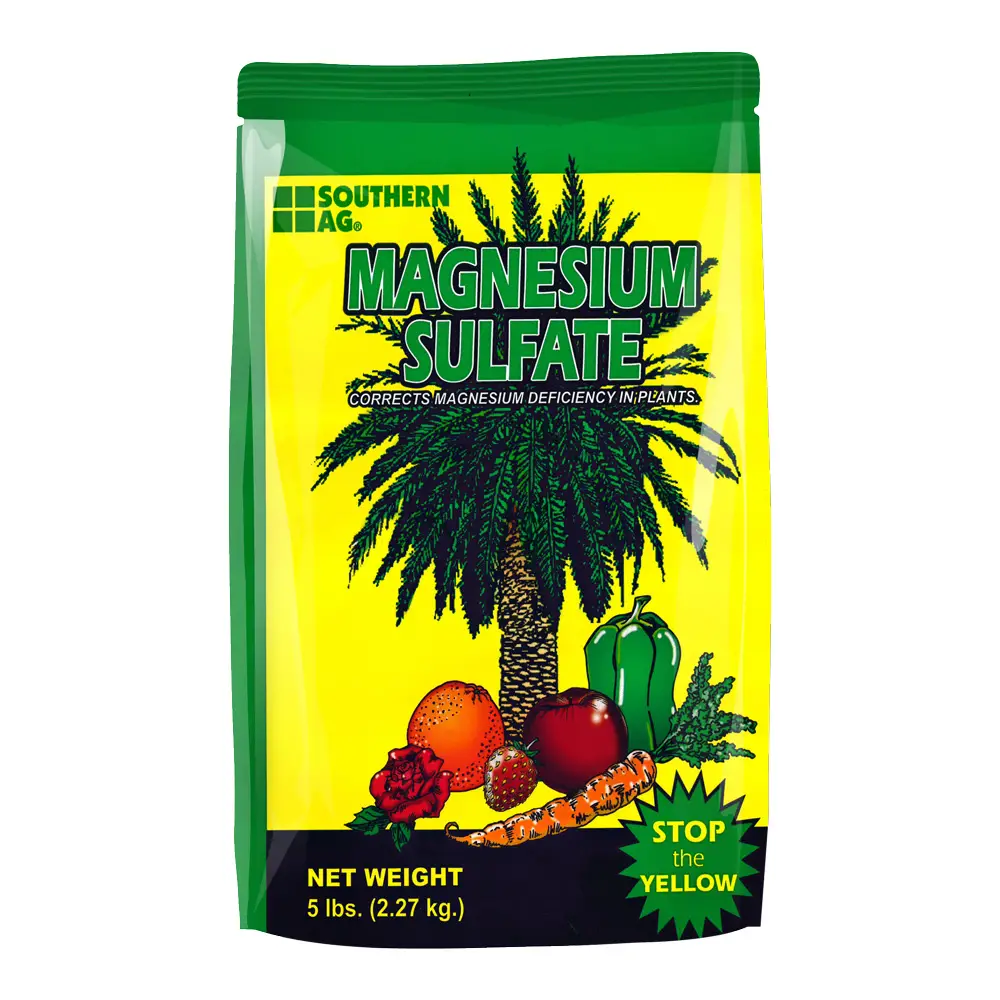
Root 98 Warehouse Southern Ag Magnesium Sulfate is a dry, water-soluble fertilizer for correcting magnesium deficiency in shrubs and trees. It helps acidify soils with less risk of staining and is designed for use on citrus, palms, trees, shrubs, annuals, and turf. Apply by spreading over the treatment area and watering in; do not mix or spray.
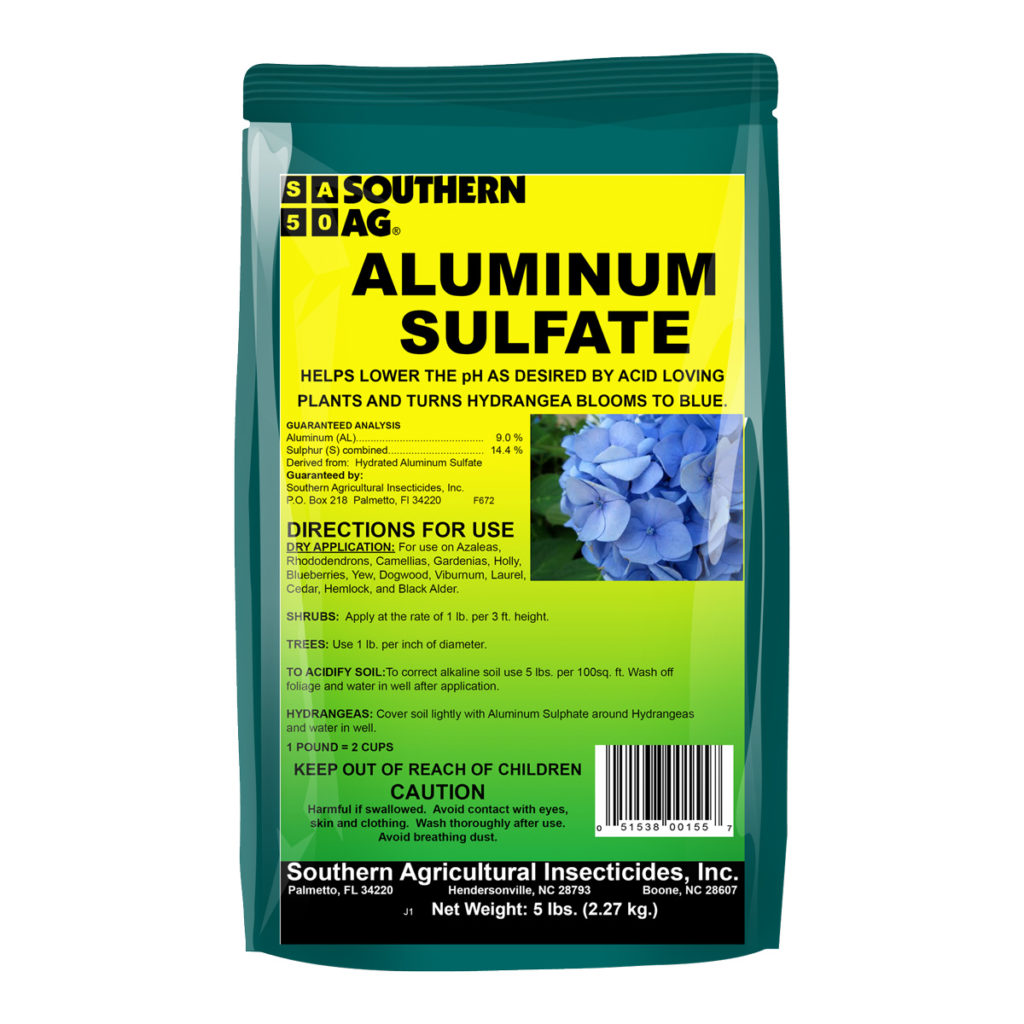
Southern Ag Aluminum Sulfate is a soil acidifier that helps lower pH and corrects high alkalinity, making it ideal for acid-loving plants. It’s great for hydrangeas and other shrubs and trees that prefer acidic conditions, including rhododendrons, blueberries, azaleas, and more. Broadcast evenly and wash off foliage, then water after application.
When a Declining Palm May Recover
Nutrient deficiency, particularly potassium and magnesium deficiency, produces symptoms that can look severe but are reversible with correct fertilizing. Yellowing fronds, reduced new growth, and crown thinning from potassium deficiency do not require removal. The best palm tree fertilizer guide covers the nutrient deficiencies most likely to cause visual decline and how to address them.
Removal Cost Factors
Palm removal pricing depends on the following:
Height. A 10-foot Pygmy Date Palm is a straightforward DIY or low-cost contractor job. A 60-foot Queen Palm requires aerial work, rigging, and significantly more time.
Location. A palm in an open area where the crown can be dropped in sections is less expensive than one next to a structure requiring piece-by-piece removal and crane work.
Trunk diameter. Wider trunks require more cutting and processing time.
Stump removal. Grinding the stump adds cost and is worth including to avoid regrowth complications and allow replanting.
Typical pricing ranges:
- Small palms (under 15 feet): $150 to $400
- Medium palms (15 to 30 feet): $400 to $800
- Large palms (30 to 60 feet): $800 to $1,500
- Very tall palms (over 60 feet): $1,500 and above
Get at least two to three quotes from licensed tree services with palm removal experience. Pricing varies significantly by region and contractor.
DIY Palm Removal
Small palms under 10 to 12 feet with a clear fall zone can be removed with a chainsaw and basic felling technique. The fibrous trunk of most palm species cuts cleanly with a sharp chain. Be aware that palm trunks are heavier than their diameter suggests, and the crown is top-heavy. Use the notch and back cut technique from the tree felling cuts guide with appropriate attention to fall zone clearance.