
Best Palm Tree Fertilizer: Ratios and Application Schedule
Palm trees have specific nutritional requirements that standard tree and shrub fertilizers do not meet. The nutrient deficiencies most damaging to palms are potassium, magnesium, and manganese, three elements that are either low in sandy coastal soils or become chemically unavailable at high pH levels. A fertilizer formulated specifically for palms addresses these priorities; a generic balanced fertilizer does not.
What Palms Actually Need
Potassium (K): The most critical nutrient for palm health in Florida and coastal soils. Potassium deficiency produces orange-brown necrosis of older frond tips that progresses inward and upward through the canopy. Affected fronds have a translucent, bronze, or orange appearance at the tips before turning fully brown. This is the most common nutritional disorder in landscape palms.
Magnesium (Mg): Deficiency causes broad yellow banding along the margins of older fronds while the central leaf tissue remains green, a symptom called magnesium deficiency chlorosis. Common in alkaline soils and in palms fertilized repeatedly with high-nitrogen fertilizers that compete with magnesium uptake.
Manganese (Mn): Deficiency causes a condition called frizzle top, where new emerging fronds emerge stunted, necrotic, and frizzled at the tips. Severe manganese deficiency kills the growing point. Common in high-pH soils (above 7.5) where manganese becomes chemically unavailable regardless of soil levels.
Nitrogen (N): Palms need nitrogen for leaf production, but excessive nitrogen stimulates rapid, soft growth that is more vulnerable to cold damage and fungal disease. Palm fertilizers use a moderated nitrogen level relative to the potassium content.
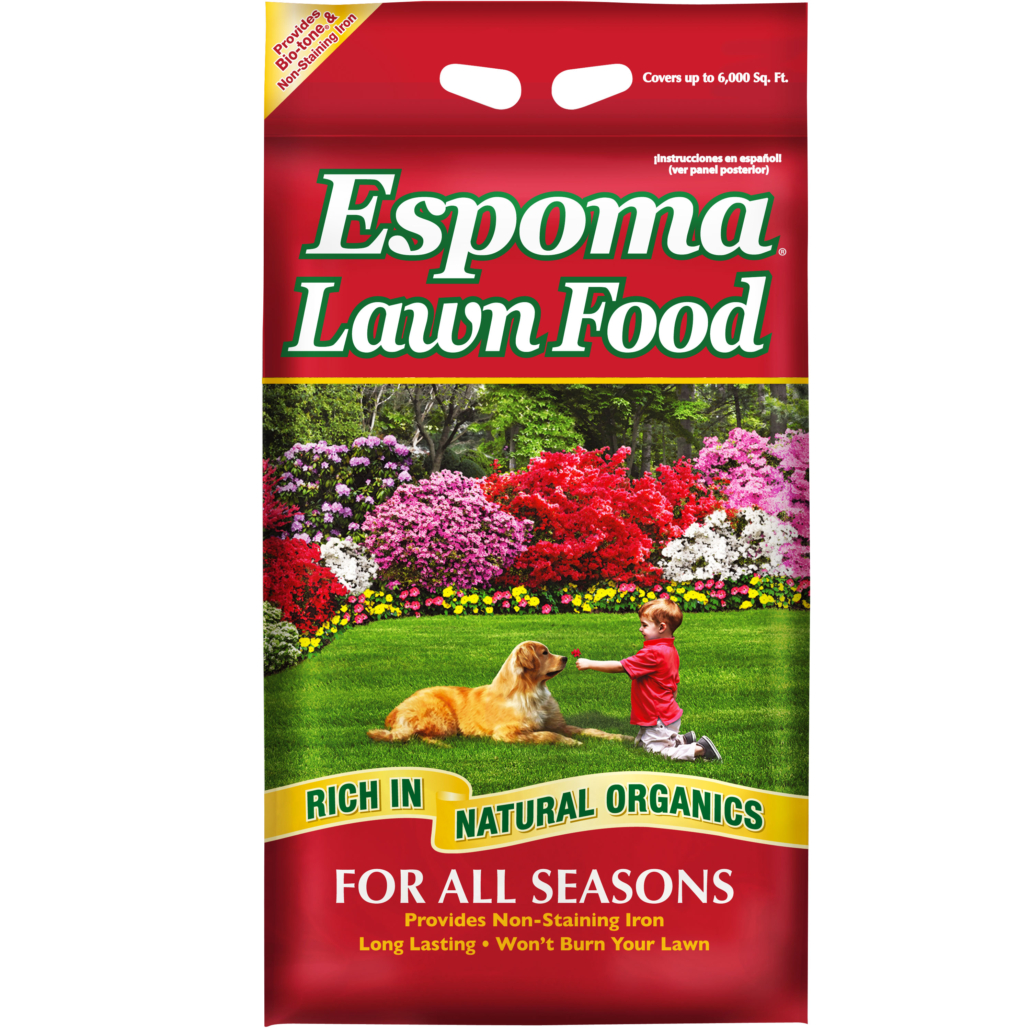
Espoma Lawn Food for All Seasons 15-0-5 provides slow-release, long-lasting nitrogen to help support a greener lawn year-round. Enhanced with iron for deep green color, it helps turn yellow lawns back to green and won’t stain concrete, sidewalks, or driveways. Safe for cool and warm season grasses, it applies in spring, summer, and fall with a drop or broadcast spreader.
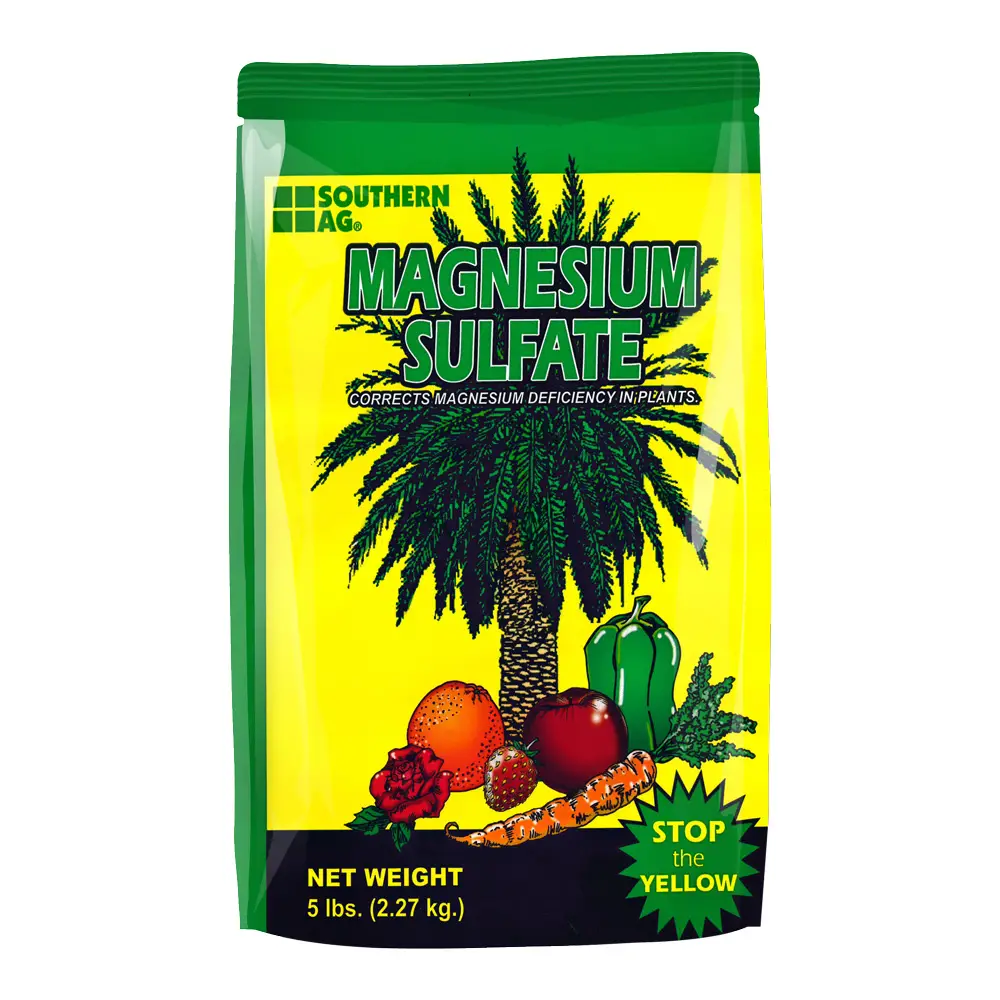
Root 98 Warehouse Southern Ag Magnesium Sulfate is a dry, water-soluble fertilizer for correcting magnesium deficiency in shrubs and trees. It helps acidify soils with less risk of staining and is designed for use on citrus, palms, trees, shrubs, annuals, and turf. Apply by spreading over the treatment area and watering in; do not mix or spray.
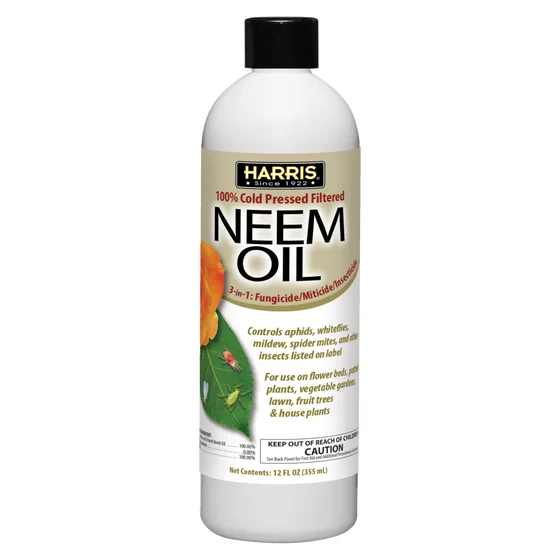
HARRIS Neem Oil Cold Pressed Water Soluble Concentrate is a 3-in-1 insecticide, fungicide, and miticide made from 100% cold pressed neem oil. It is EPA registered to help control aphids, whiteflies, mildew, spider mites, and other label-listed pests and diseases. Safe for indoor and outdoor use, it can be applied to a wide range of flowering and potted plants, vegetable gardens, lawns, ornamentals, fruit trees, and container gardening with foliar or soil treatments.
Recommended NPK Ratios for Palms
University of Florida and other extension services consistently recommend palm fertilizers with an 8-2-12 or similar ratio with elevated potassium and a 4-0-4 slow-release or controlled-release coating on both nitrogen and potassium. Do not apply fertilizers where all the potassium is in water-soluble form: water-soluble potassium leaches rapidly in the sandy, well-drained soils where most landscape palms are grown.
Top Product Picks
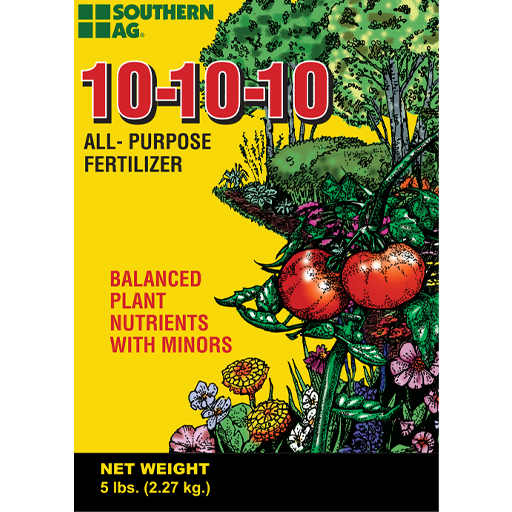
Southern Ag All Purpose Granular Fertilizer 10-10-10 helps nourish lawns, flower beds, vegetables, and trees with a balanced blend of essential nutrients. The granular formula is designed for easy application and supports healthy growth across a wide range of plants and seasons. Follow label directions to sweep off any granules from hard surfaces and water plants well after applying.
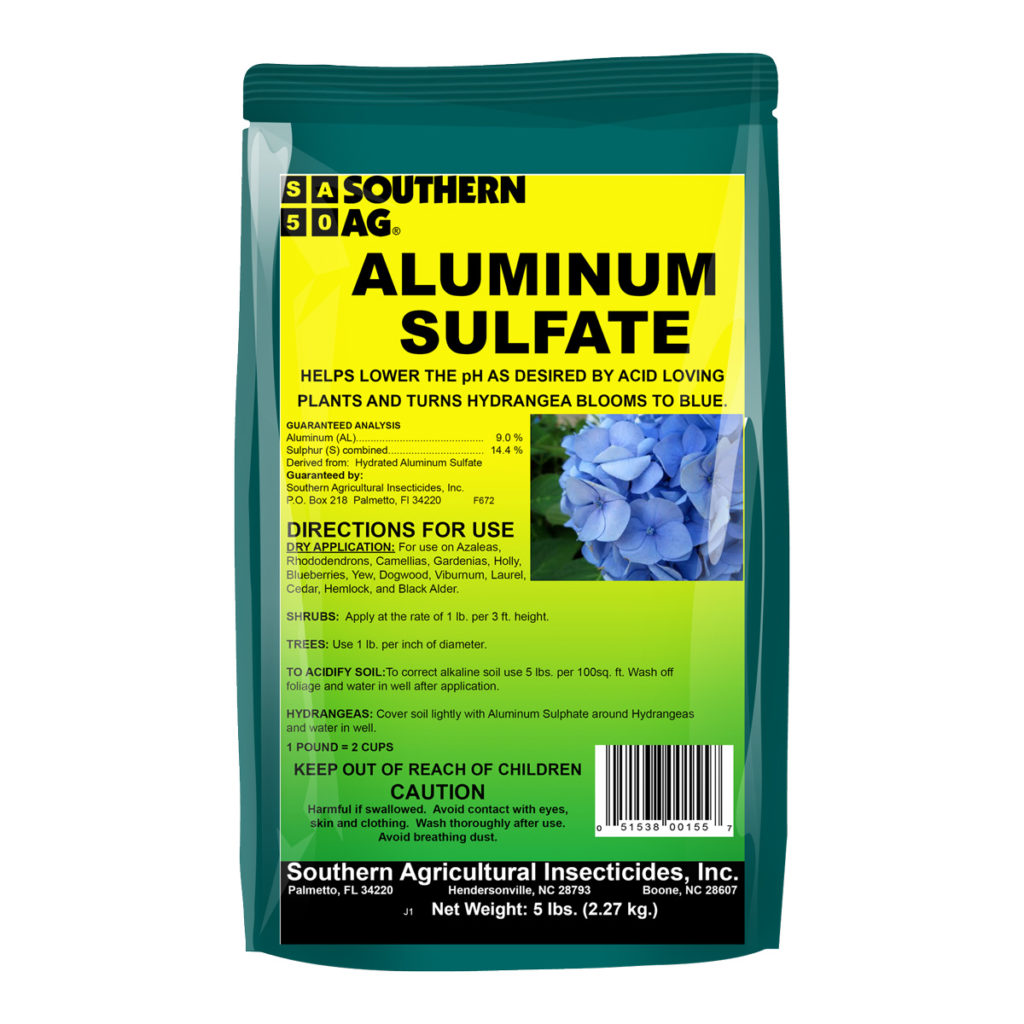
Southern Ag Aluminum Sulfate is a soil acidifier that helps lower pH and corrects high alkalinity, making it ideal for acid-loving plants. It’s great for hydrangeas and other shrubs and trees that prefer acidic conditions, including rhododendrons, blueberries, azaleas, and more. Broadcast evenly and wash off foliage, then water after application.
Jobe’s Palm Fertilizer Spikes 10-5-10
Convenient spike format for residential palms. Drive spikes at the drip line per label instructions. The 10-5-10 ratio provides adequate potassium for routine maintenance. Good option for homeowners who want a simple, clean application format. The controlled-release formulation reduces leaching.
Scotts Palm Fertilizer 8-4-8 with Micro-Nutrients
A granular formulation with a reasonable NPK ratio and a micronutrient package including magnesium and iron. Broadcast under the canopy and water in. Available at major garden retailers.
Espoma Palm-Tone 4-1-5
An organic slow-release granular with an elevated potassium ratio relative to nitrogen. The organic base improves soil microbial activity and water retention. Best for homeowners who prefer organic inputs. Requires more frequent application than synthetic slow-release products.
Harrell’s Professional Palm Fertilizer 8-2-12
A professional-grade formulation with the 8-2-12 NPK ratio and controlled-release coated nitrogen and potassium. This is the formulation closest to the University of Florida’s recommended ratio. Available from landscape supply companies and online.
Application Schedule
Apply palm fertilizer three to four times per year, spaced evenly through the growing season. A typical schedule: February or March (as growth begins), May or June, August, and October. Do not fertilize in winter when growth has slowed.
Apply granular fertilizer by broadcasting evenly under the canopy to the drip line. Water in thoroughly after application. Do not pile fertilizer against the trunk base.